
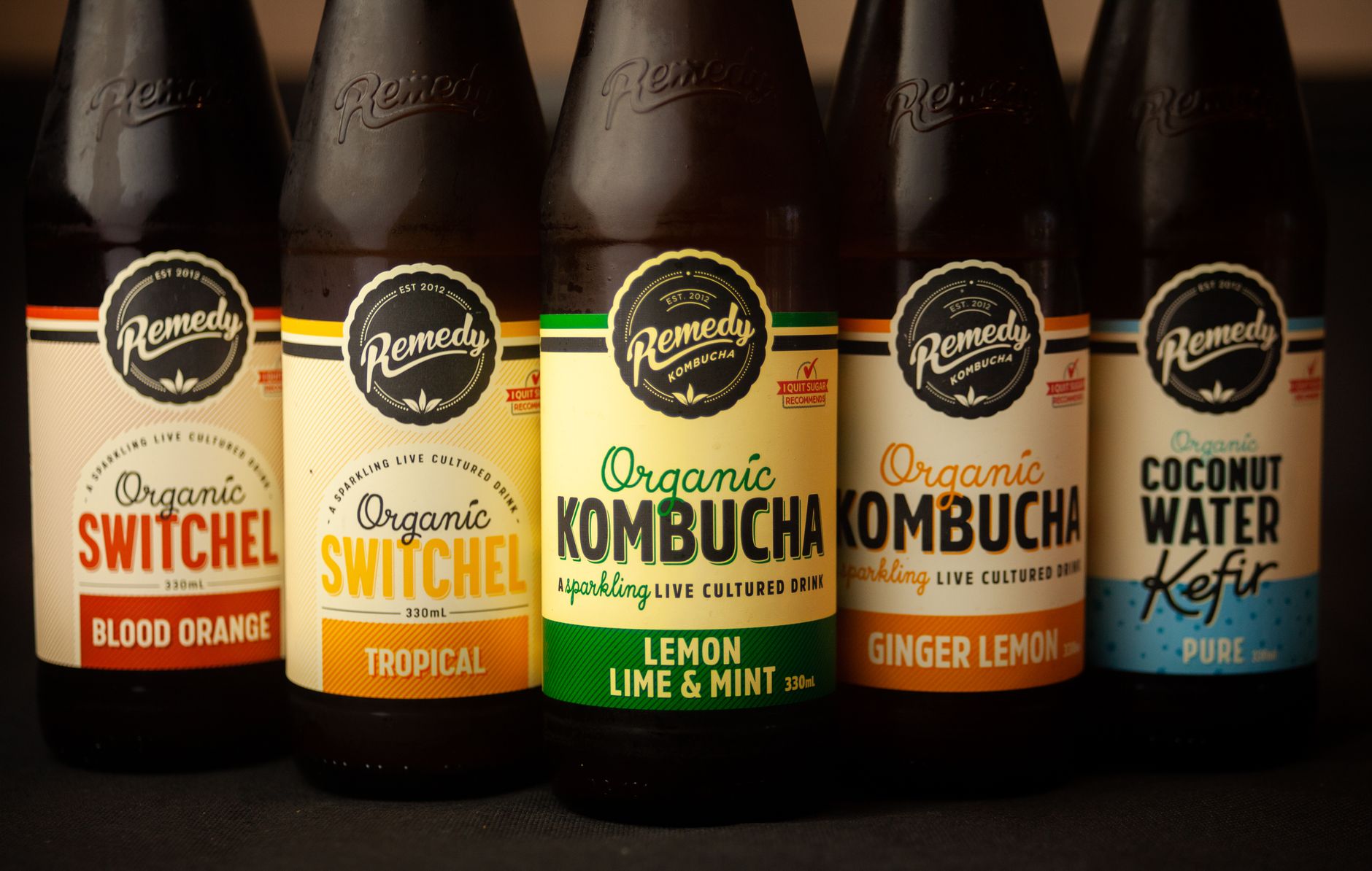
Health Ade Kombucha has gained popularity as a refreshing beverage choice among health-conscious consumers. Known for its effervescence and probiotic benefits, many people also wonder about its caffeine content. Understanding the balance of flavors and ingredients in Health Ade Kombucha will help you enjoy it fully.
This article explores how much caffeine is in Health Ade Kombucha, its ingredients, and what you might want to consider if you’re monitoring your caffeine intake. Whether you’re a fan of kombucha or new to this drink, this guide provides invaluable insights.
How Much Caffeine Is in Health Ade Kombucha?
The caffeine content in Health Ade Kombucha varies depending on the flavor, but generally, it contains about 12 to 30 mg of caffeine per 16 oz. bottle. This amount is considerably less than what you’d find in a standard cup of coffee, which can contain about 95 mg of caffeine. Since Health Ade Kombucha is made with a base of green or black tea, it naturally retains some of the tea’s caffeine.
The Ingredients Behind Health Ade Kombucha
Understanding the ingredients in Health Ade Kombucha helps clarify its caffeine content. Here’s a breakdown:
- Sweetened Tea: Kombucha starts with sweetened green or black tea. The caffeine comes from the tea leaves, primarily found in the initial brewing process.
- Fermentation: The brewed tea is then fermented with a SCOBY (Symbiotic Culture of Bacteria and Yeast), which transforms the sugars into acids, gases, and probiotics.
- Flavors: Health Ade offers a variety of flavors, such as ginger-lemon and berry, all of which can have different caffeine levels, though the base is crucial as the tea can affect caffeine content.
Factors Influencing Caffeine Levels in Kombucha
Several factors can affect the caffeine content in Health Ade Kombucha:
1. Type of Tea Used
The type of tea used (black or green) significantly impacts caffeine levels. Black tea generally has more caffeine than green tea. If a specific flavor of Health Ade uses more black tea, it may have slightly higher caffeine levels.
2. Brewing Time
The length of time the tea is steeped determines how much caffeine is extracted. Longer steeping times lead to higher caffeine concentrations. Health Ade Kombucha is brewed carefully, balancing flavor and caffeine extraction.
3. Added Ingredients
Some of the additional flavors in various Health Ade Kombucha formulations might come from ingredients such as herbs or fruit juices, which do not add caffeine. These additional flavors can influence your overall experience of the drink without affecting caffeine levels.
Is Health Ade Kombucha Safe for Caffeine Sensitivity?
If you’re sensitive to caffeine, Health Ade Kombucha is generally a safe option compared to coffee and energy drinks. A typical 12 oz serving of kombucha contains far less caffeine than traditional caffeinated beverages. However, it’s important to moderate intake if you are particularly sensitive, as everyone’s tolerance levels are different.
Potential Benefits of Caffeine in Kombucha
While moderate amounts of caffeine have been associated with certain health benefits, kombucha also brings its unique advantages:
Probiotics
The fermentation process enriches kombucha with probiotics, which are beneficial for gut health.
Antioxidants
Green and black tea are known for their antioxidant properties, which can help combat oxidative stress.
How to Incorporate Health Ade Kombucha into Your Diet
Here are some practical tips for adding Health Ade Kombucha into your diet:
- Replace Your Afternoon Coffee: Enjoy a bottle of Health Ade Kombucha as a refreshing substitute for your afternoon cup of coffee.
- Mix It in Cocktails: Use kombucha as a mixer in cocktails for a unique and flavorful twist while reducing overall caffeine intake.
- Pair It with Meals: Kombucha pairs well with light meals or as a standalone snack.
Common Concerns and Misconceptions
When exploring beverages like kombucha, misconceptions abound. Here are a couple of common ones:
1. All Kombucha Contains the Same Amount of Caffeine
This is not true. Caffeine levels can differ widely among brands and flavors; it’s essential to check the label if you are managing your caffeine intake.
2. Kombucha Is Completely Caffeine-Free
While some brands offer caffeine-free kombucha, traditional varieties generally contain some caffeine due to the tea base.
Alternatives If You’re Avoiding Caffeine
If you want to enjoy the flavor of kombucha without the caffeine, you might consider:
- Decaffeinated Tea-Based Kombucha: Some brands produce kombucha using decaffeinated tea, offering the same flavors without the caffeine kick.
- Herbal Teas: Non-caffeinated herbal teas can also be fermented to create a caffeine-free version of kombucha.
Conclusion
Understanding the caffeine content in Health Ade Kombucha can help you enjoy this fizzy, probiotic-rich beverage without concern. With its low caffeine levels and beneficial properties, Health Ade can fit easily into a balanced diet.
Next time you’re at the grocery store, give this popular kombucha a try, and consider exploring some unique recipes or preparation techniques, such as a hard kombucha recipe or iced coffee concentrate to add variety to your beverage choices.