
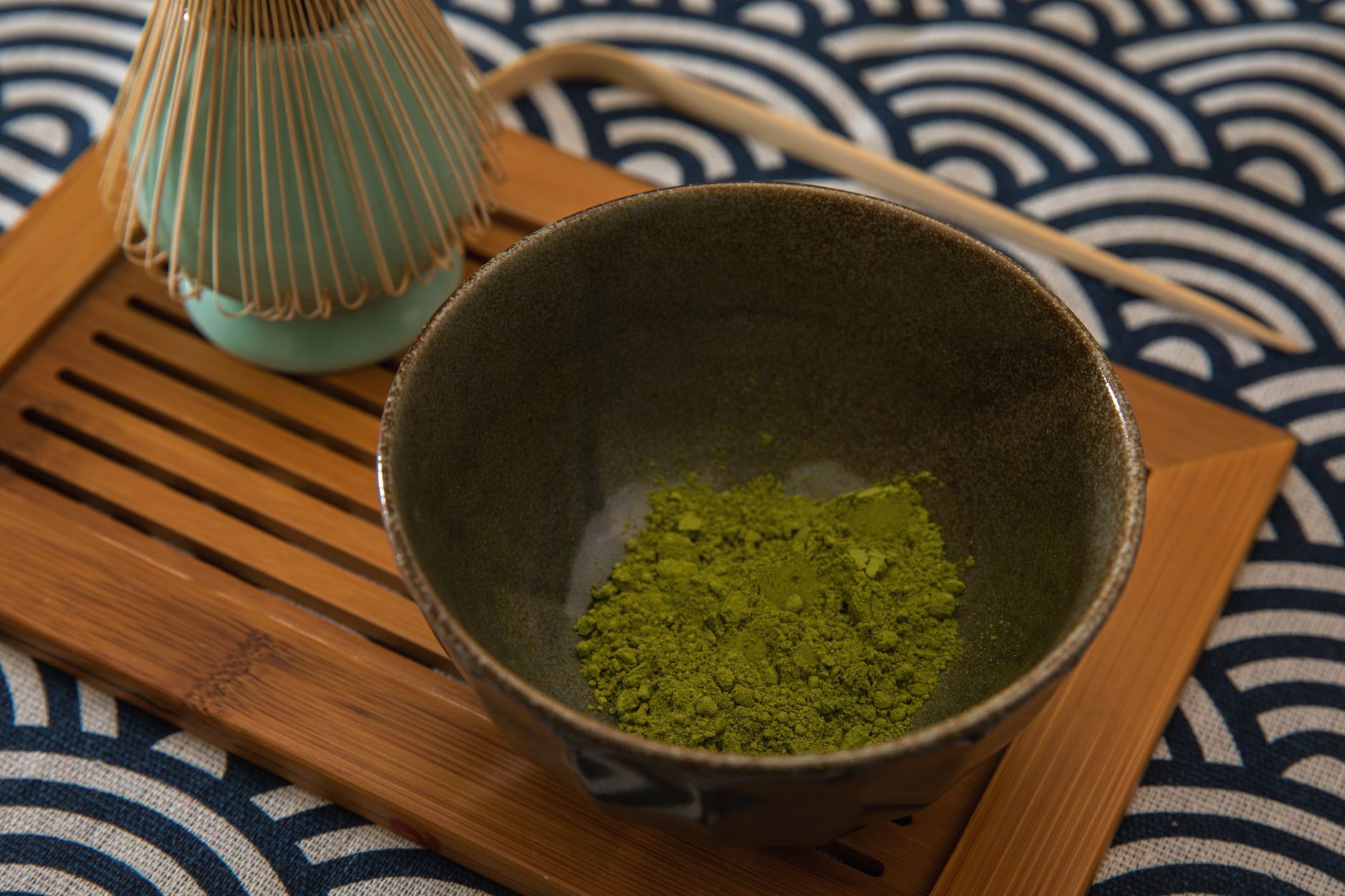
Matcha, a finely ground powder made from specially grown green tea leaves, has surged in popularity due to its vibrant color, unique flavor, and numerous health benefits. One of the key components many look for in matcha is its caffeine content, especially when searching for alternatives to traditional coffee.
How much caffeine is in matcha, particularly in a single teaspoon? This is an important question for those who want to enjoy a boost of energy without the jitters often associated with coffee. In the following sections, we will explore the caffeine content in matcha, its effects, and everything you need to know about this delightful ingredient.
How Much Caffeine Is in 1 Tsp Matcha?
One teaspoon of matcha powder typically contains about 30-35 milligrams of caffeine. This amount can vary depending on the quality of the matcha and how finely it is ground. In comparison, a regular cup of brewed coffee contains approximately 95 milligrams of caffeine per 8-ounce serving.
Understanding Caffeine in Matcha
Caffeine is a natural stimulant that affects the central nervous system, providing a quick energy boost and enhancing focus. While matcha does contain caffeine, it also includes L-theanine, an amino acid that promotes relaxation without drowsiness. This combination can lead to a more balanced and sustained energy boost compared to the quick spike and crash often associated with coffee.
The Benefits of Matcha
Matcha offers several benefits alongside its moderate caffeine content:
- Rich in Antioxidants: Matcha is loaded with catechins, which are powerful antioxidants that help combat oxidative stress and inflammation.
- Boosts Metabolism: Some studies suggest that matcha can enhance metabolic rate and encourage fat oxidation.
- Enhances Mood and Concentration: The combination of caffeine and L-theanine in matcha can enhance cognitive function and improve mood.
- Detoxifies the Body: Chlorophyll, found in matcha, is known for its detoxifying properties, helping to cleanse the body of harmful substances.
Comparing Matcha to Other Beverages
To truly appreciate matcha’s caffeine content, it helps to compare it with other common caffeinated drinks:
| Beverage | Caffeine Content (per serving) |
|---|---|
| 1 Tsp Matcha | 30-35 mg |
| 8 oz Brewed Coffee | 95 mg |
| 8 oz Black Tea | 40-70 mg |
| 12 oz Energy Drink | 80-100 mg |
How to Prepare Matcha
Preparing matcha can enhance its flavor and caffeine benefits. Below is a simple method to make a delightful matcha drink:
Ingredients
- 1 tsp matcha powder
- 2 oz hot water (not boiling, around 175°F or 80°C)
- Optional: sweetener (like honey), milk or a dairy alternative, ice (for iced matcha)
Essential Equipment
- Matcha bowl or any deep bowl
- Bamboo whisk (chasen) or any whisk
- Fine mesh strainer (optional)
- Cup or glass
Instructions
- Start by sifting the matcha powder into the bowl to avoid clumps.
- Add the hot water to the bowl. The water should be hot but not boiling, as boiling water can scorch the matcha and affect its flavor.
- Using the bamboo whisk, vigorously whisk the matcha in a zigzag motion until it becomes frothy and well mixed.
- You can add sweetener or milk to taste. For an iced version, pour over ice after whisking.
Substitutions and Variations
While matcha is delightful on its own, there are ways to customize your drink:
- Sweeteners: Consider using agave syrup, stevia, or maple syrup instead of honey for a different flavor profile.
- Milk Alternatives: Almond, soy, oat, or coconut milk can replace regular milk for various dietary preferences.
- Flavored Matcha: Add vanilla extract, cinnamon, or even mint for a refreshing twist.
Common Mistakes to Avoid
When preparing matcha, there are a few common pitfalls:
- Using Boiling Water: As mentioned, avoid boiling water, as it can affect the flavor. Water that is too hot can create bitterness.
- Not Sifting the Matcha: Always sift matcha powder to avoid clumping and ensure a smooth mixture.
- Insufficient Whisking: Proper whisking is vital for a frothy texture; be sure to whisk thoroughly.
Storing Matcha
To maintain the freshness and quality of matcha, proper storage is crucial:
- Store matcha powder in an airtight container to prevent oxidation.
- Keep it in a cool, dark place, ideally in the refrigerator, to retain its color and flavor.
- Use within a few months after opening for the best quality.
Health Considerations
While matcha is generally safe for most people, it’s important to consider a few health aspects:
- Caffeine Sensitivity: Those who are sensitive to caffeine should monitor their intake, especially if combining matcha with other caffeinated products.
- Iron Absorption: The tannins in green tea can interfere with iron absorption; consider consuming matcha between meals if you are concerned about this.
- Pregnancy and Lactation: Pregnant or breastfeeding individuals should consult a health professional regarding safe consumption levels.
Caffeine Sensitivity and Effects
Caffeine affects individuals differently. Some may experience increased heart rate, insomnia, or anxiety, especially with higher doses. Understanding your own body’s reaction can guide how much matcha you enjoy. Starting with smaller amounts and observing how you feel can help you find your ideal level.
Alternatives to Matcha
If you’re exploring options beyond matcha, here are some alternatives to consider:
- Spirulina: This blue-green algae powder has a similar vibrant color, though it would not offer the same caffeine content.
- Turmeric Latte: Known as “golden milk,” this caffeine-free drink can be spiced with cinnamon and pepper for added warmth and flavor.
- Yerba Mate: A traditional South American drink that contains a similar caffeine boost and beneficial compounds.
Getting Creative with Matcha
Matcha is versatile beyond drinks. Here are some creative culinary uses:
- Baking: Incorporate matcha into muffins, cookies, or cakes for a unique flavor and color.
- Smoothies: Blend matcha with fruits and a milk source for a healthy breakfast option.
- Ice Cream: Make matcha-flavored ice cream or sorbet for a refreshing dessert.
Conclusion
Matcha offers a variety of health benefits while still providing a moderate caffeine boost, making it an attractive alternative to coffee. Understanding the caffeine content in matcha can help you tailor your choices based on your personal tolerance. Whether enjoyed as a simple drink or incorporated into various recipes, matcha is a delightful addition to any diet.
For those looking to expand their matcha experience, try out a delicious vanilla matcha latte or a honey lavender latte. Enjoy your journey into the wonderful world of matcha!