
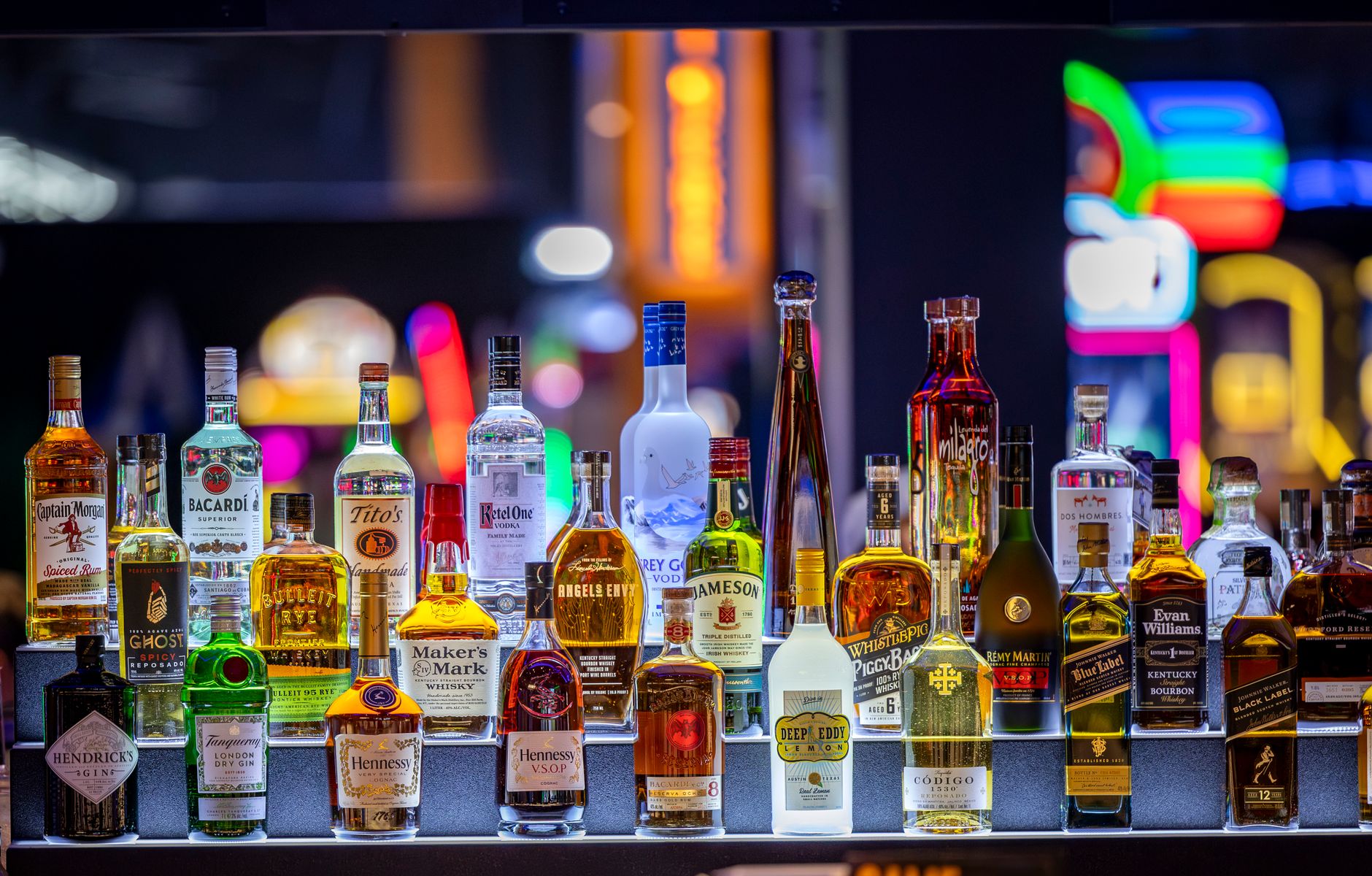
Understanding the various types of alcohol can enhance your culinary adventures and cocktail creations. From the classic spirits to liqueurs, knowing the differences and uses of these beverages is essential for any food enthusiast. In this guide, we will explore the different types of alcohol and their applications in cooking and mixology.
This detailed exploration will not only cover the categories of alcohol but also provide insight into their flavor profiles, culinary uses, and tips for incorporating them into your cooking and cocktail-making. Whether you’re a novice cook or an experienced chef, this information will enhance your culinary repertoire.
How Many Types of Alcohol Are There?
There are several main types of alcohol, each with distinct characteristics. The primary categories include spirits, liqueurs, wines, and beers. Understanding these types helps in choosing the right alcohol for your recipes or cocktails.
1. Spirits
Spirits are distilled beverages with a high alcohol content, typically between 20% and 50% ABV (alcohol by volume). They form the backbone of many cocktails and are versatile for cooking. Here are some of the main types of spirits:
1.1 Vodka
Vodka is a clear, neutral spirit made from fermented grains or potatoes. Its clean flavor makes it an excellent base for cocktails, allowing other flavors to shine.
- Flavor Profile: Neutral, clean, and slightly sweet.
- Culinary Uses: Ideal for cocktails like martinis or bloody marys and can also be used in marinades or dressings.
1.2 Gin
Gin is flavored with botanicals, primarily juniper berries, which impart distinct herbal notes to the spirit. There are various styles of gin, including London Dry, Old Tom, and Plymouth gin.
- Flavor Profile: Herbal, floral, and aromatic.
- Culinary Uses: Essential in cocktails such as gin and tonic or negroni; can also add depth to sauces.
1.3 Rum
Rum is produced from sugarcane juice or molasses, with variations aged in barrels for added complexity. Variations include white, dark, and spiced rum.
- Flavor Profile: Sweet, caramel, and tropical.
- Culinary Uses: Known for cocktails like mojitos and piña coladas; used in desserts such as rum cake.
1.4 Tequila
Tequila is made from the blue agave plant, primarily produced in Mexico. It is a key ingredient in margaritas and comes in various types, including blanco, reposado, and añejo.
- Flavor Profile: Earthy, spicy, and sometimes fruity.
- Culinary Uses: Fantastic in cocktails such as margaritas; can be used in savory dishes like chicken or seafood marinades.
1.5 Whiskey
Whiskey includes a variety of distilled alcoholic beverages made from fermented grain mash. Different types include Scotch, bourbon, and rye whiskey.
- Flavor Profile: Rich, complex, with flavors like caramel, vanilla, and spice.
- Culinary Uses: Commonly used in cocktails like old fashioneds; can enhance glazes and barbecue sauces.
1.6 Brandy
Brandy is made by distilling wine, resulting in a sweeter, smoother drink. Variations include cognac and armagnac, both produced in specific regions of France.
- Flavor Profile: Fruity, sweet, with notes of oak.
- Culinary Uses: Often used in cooking for flambé dishes or sauces; works well in desserts.
2. Liqueurs
Liqueurs are sweetened spirits infused with fruits, herbs, spices, or nuts. They usually have a lower alcohol content than spirits, around 15% to 30% ABV, and add complexity to cocktails. Here are some popular types of liqueurs:
2.1 Amaretto
Amaretto is an almond-flavored liqueur that can be made from apricot pits or almonds.
- Flavor Profile: Sweet, nutty, and slightly bitter.
- Culinary Uses: Great in cocktails or desserts like tiramisu; can also be used in cream sauces.
2.2 Triple Sec
Triple sec is a clear orange-flavored liqueur that is an essential component of many cocktails.
- Flavor Profile: Bright, citrusy, and sweet.
- Culinary Uses: Common in cocktails such as margaritas and cosmopolitans; can also be used to flavor creams and desserts.
2.3 Baileys Irish Cream
Baileys is a cream liqueur made with Irish whiskey and cream, offering a rich, decadent flavor.
- Flavor Profile: Creamy, sweet, chocolatey, and coffee-like.
- Culinary Uses: Delicious in coffee or as a dessert ingredient in cakes and ice creams.
2.4 Kahlúa
Kahlúa is a coffee-flavored liqueur made from rum, sugar, and coffee beans.
- Flavor Profile: Rich, sweet, and coffee-forward.
- Culinary Uses: Perfect in cocktails like white Russians or espresso martinis; can enrich desserts and sauces.
3. Wines
Wine is an alcoholic beverage made from fermented grapes or other fruits. It is typically categorized by color (red, white, and rosé) and flavor profile depending on the grape variety and fermentation process. Here are some common types of wine:
3.1 Red Wine
Red wine is made from dark-colored grape varieties, often aged in oak barrels, which enhances its complexity.
- Flavor Profile: Bold, fruity, with tannins that add structure.
- Culinary Uses: Pairs well with red meats, sauces, and stews; used in marinades and reductions.
3.2 White Wine
White wine is produced from green or yellowish grapes, known for a crisp and refreshing taste.
- Flavor Profile: Light, fruity, floral, and sometimes minerally.
- Culinary Uses: Excellent for cooking seafood, poultry, and cream sauces; works well in risottos.
3.3 Sparkling Wine
Sparkling wine, including Champagne, is known for its bubbles, which come from a secondary fermentation process.
- Flavor Profile: Crisp, refreshing, and can range from dry to sweet.
- Culinary Uses: Enjoyed as a celebratory drink; can enhance fruit salads and desserts.
3.4 Dessert Wine
Dessert wines are sweet wines often served with or after a meal. These include varieties like port, sherry, and sauternes.
- Flavor Profile: Very sweet, fruity, and rich.
- Culinary Uses: Typically enjoyed with desserts or cheese; used in sauces or glazes to add sweetness.
4. Beers
Beer is one of the oldest and most widely consumed alcoholic beverages, made primarily from barley and flavored with hops. Here’s a breakdown of its main types:
4.1 Ales
Ales are brewed using top-fermenting yeast at warmer temperatures, resulting in a variety of flavors.
- Flavor Profile: Fruity and malty, with a range of aromas.
- Culinary Uses: Pairs well with beef and rich dishes; can be used in batters or marinades.
4.2 Lagers
Lagers are brewed with bottom-fermenting yeast at cooler temperatures, yielding a crisp and refreshing flavor.
- Flavor Profile: Clean, smooth, often with a mild malt flavor.
- Culinary Uses: Good with light dishes; can be used in cooking to tenderize meats or enhance stews.
4.3 Stouts and Porters
These are dark beers flavored with coffee or chocolate, made from roasted malt.
- Flavor Profile: Rich, robust, and creamy.
- Culinary Uses: Fantastic for desserts and pairs well with rich dishes; can be used in chili recipes.
5. Practical Applications in Cooking and Cocktails
Now that we’ve explored the types of alcohol available, let’s look at how to effectively use them in your kitchen and bar. Knowing which alcohol to use can elevate your recipes and cocktails.
5.1 Cooking with Alcohol
Alcohol can enhance flavor profiles in cooking. Here are tips on how to use different types of alcohol in your dishes:
- Use wine for deglazing: After sautéing meats, use wine to deglaze the pan, capturing those flavorful bits stuck to the bottom.
- Bring depth with spirits: Using spirits like whiskey or rum can add a rich flavor to sauces and marinades.
- Finish with liqueurs: Adding liqueurs like amaretto or vanilla extract at the end of cooking enhances desserts or sauces.
- Balance flavors: Ensure to balance sweet, sour, and bitter flavors in your cocktails.
- Experiment with liqueurs: Use different liqueurs to find new flavors; for example, swapping triple sec for orange bitters can change a cocktail dramatically.
- Garnish wisely: A well-chosen garnish can enhance both the aroma and visual appeal of your cocktails.
5.2 Mixing Cocktails
Understanding how to mix cocktails is a valuable skill. Here are key points to remember:
6. Common Mistakes and Troubleshooting
Learning the ropes of using alcohol in cooking and cocktails can take some practice. Here are common mistakes and how to avoid them:
6.1 Overcooking Alcohol
One common mistake is overcooking alcohol, which can strip it of flavor. Always add alcohol toward the end of cooking when possible to retain its nuances.
6.2 Mismatched Pairings
Pairing alcohol incorrectly with food can ruin the experience. Pair strong spirits with hearty meals and light wines with delicate foods for the best results.
6.3 Skipping Garnishes
Garnishes can elevate a cocktail’s appearance and aroma. Never underestimate their importance in your drink presentation.
Conclusion
After exploring the various types of alcohol and their uses, it becomes clear how vital a role they play in both cooking and cocktail-making. Understanding the characteristics of each type allows you to make informed choices, enhancing your culinary creations and social gatherings.
Take the next step by experimenting with different types of alcohol in your recipes and cocktails. Explore creative ways to incorporate spirits, wines, and liqueurs into your dishes, and impress your guests with well-crafted cocktails. For a more in-depth look at making cocktails, visit Bartenders Cabinet Cocktails or dive into the world of homemade liqueurs at Liqueur Recipe Guide.