
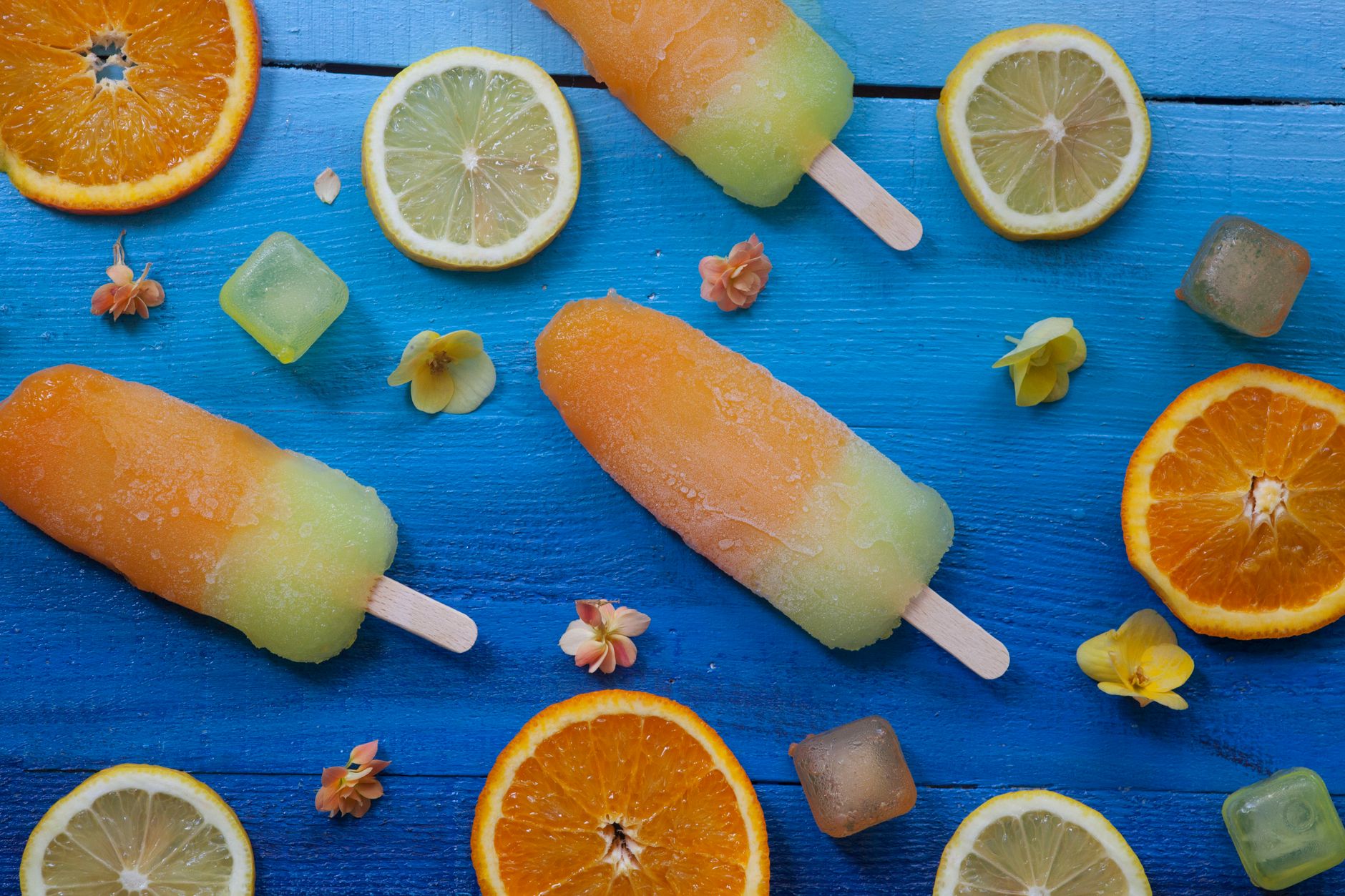
Pedialyte pops are a popular hydration solution for both children and adults, especially during times of illness or after intense physical activity. They help replenish electrolytes and fluids lost through sweat or dehydration. If you’re curious about how many Pedialyte pops adults can safely consume in a day, this guide will provide key insights and practical advice.
The recommended daily allowance of Pedialyte pops depends on various factors, including age, physical activity, and overall health. Generally, adults can consume 1-3 pops per day, but it’s essential to consider individual hydration needs and any underlying health conditions.
How Many Pedialyte Pops A Day For Adults?
Adults can safely consume 1-3 Pedialyte pops per day, depending on their hydration needs and activity levels. It’s crucial to stay aware of your body’s signals, and consult healthcare professionals if unsure of your specific requirements.
Understanding Pedialyte and Its Benefits
Pedialyte is designed to prevent dehydration in children and adults alike. It contains a balanced combination of electrolytes such as sodium, potassium, and chloride, along with sugar to help with absorption. The pops are particularly effective for those experiencing diarrhea, vomiting, or excessive sweating.
Key Ingredients
- Electrolytes: Sodium and potassium help maintain fluid balance in the body.
- Sugar: A small amount aids in the absorption of water and electrolytes.
- Flavoring: Pedialyte pops are available in various flavors to make hydration more enjoyable.
Common Uses for Pedialyte Pops
Adults commonly use Pedialyte pops for:
- Rehydration after exercise or sports activities.
- Recovery from illness, such as the flu or food poisoning.
- Managing heat exhaustion or dehydration during hot weather.
Hydration Needs: How Many Is Right for You?
Your individual hydration needs can fluctuate based on several factors. Here’s a closer look at what to consider when determining how many Pedialyte pops you can consume.
1. Activity Level
If you lead an active lifestyle or engage in rigorous exercise, you may require more fluids and electrolytes. In such cases, you might find it beneficial to increase your intake of Pedialyte pops to maintain hydration.
2. Climate and Environment
Living and exercising in hot climates can heighten your hydration needs. If you’re exposed to extreme heat or humidity, incorporate 2-3 Pedialyte pops into your daily routine to help replenish lost fluids.
3. Age and Weight
Your age and weight also play a crucial role in determining hydration needs. Generally, people with higher body weights may require more fluids. Therefore, if you weigh significantly more than average or are older, it may be wise to adjust your pop intake accordingly.
4. Health Conditions
If you have existing health conditions like diabetes or kidney disease, your doctor can provide tailored advice regarding the consumption of Pedialyte pops. These conditions can influence hydration needs and electrolyte balance.
How to Incorporate Pedialyte Pops into Your Routine
Incorporating Pedialyte pops into your daily routine can be straightforward and enjoyable. Here are some practical tips.
1. As a Post-Workout Recovery
After an intense workout, treat yourself to a Pedialyte pop. This will help replenish lost electrolytes and fluids while satisfying your sweet cravings.
2. During Illness
When feeling unwell with symptoms like vomiting or diarrhea, enjoy Pedialyte pops throughout the day to stay hydrated. Start with one pop every couple of hours and adjust based on how you’re feeling.
3. On Hot Days
During hot summers or while spending time outside, keep Pedialyte pops in your cooler. Enjoy them as a refreshing, hydrating snack that benefits your body.
4. Keep It Balanced
While Pedialyte pops are beneficial, they should not replace your daily hydration routine with plain water. Aim to drink plenty of water throughout the day and use Pedialyte as a supplemental option.
Potential Risks and Considerations
While Pedialyte pops can be beneficial, it’s important to be aware of potential risks and limits.
1. Sugar Content
Many Pedialyte products contain added sugars. If you’re monitoring your sugar intake—perhaps due to diabetes—consult a healthcare provider to determine suitable quantities for your situation.
2. Electrolyte Imbalance
Consuming excessive electrolytes can lead to imbalances that have adverse effects. Stick to the recommended daily allowance to prevent issues.
3. Allergies and Sensitivities
Pediayte pops may contain artificial colors or flavors. If you have sensitivities or allergies, check the ingredient list and opt for options that suit your dietary needs.
Tips for Choosing Quality Pedialyte Pops
Not all Pedialyte pops are created equal. Here are some tips to ensure you’re choosing the best quality options.
1. Read the Label
Always read the nutrition label for the sugar content and the list of ingredients. Opt for products with lower sugars and fewer additives.
2. Look for Natural Ingredients
Select Pedialyte products that use natural flavors and colors over synthetic ones whenever possible.
3. Consider Your Flavors
Since Pedialyte pops come in various flavors, choose a few that you enjoy. Having multiple flavors on hand makes it easier to stay hydrated.
DIY Pedialyte Pops Recipe
To have full control over the ingredients, making your own Pedialyte pops at home can be a great option. Here’s a simple recipe:
Ingredients
- 1 cup water
- 1/2 teaspoon salt
- 1/4 cup sugar or honey
- 1/2 cup fresh juice (like orange or lemon)
Essential Equipment
- Mixing bowl
- Measuring cups and spoons
- Ice pop molds
- Stirring utensil
Instructions
- In a mixing bowl, combine water, salt, and sugar or honey.
- Stir until the salt and sugar dissolve completely.
- Add the fresh juice and mix well to combine.
- Pour the mixture into ice pop molds, leaving some space at the top for expansion.
- Insert sticks and freeze for 4-6 hours, or until solid.
- Run warm water over molds for a few seconds to help release the pops, then enjoy!
Common Mistakes to Avoid
When incorporating Pedialyte pops into your hydration routine, consider these common pitfalls.
1. Overconsumption
It can be tempting to consume more than necessary, especially if you’re feeling dehydrated. Stick to the recommended amounts to avoid an electrolyte imbalance.
2. Skipping Water
While Pedialyte pops are helpful, they should not replace water intake. Ensure you continue to drink plain water for optimal hydration.
3. Not Monitoring Symptoms
If you’re using Pedialyte for illness, track your symptoms closely. If dehydration symptoms persist, seek medical attention.
Other Hydration Alternatives
Though Pedialyte pops are effective at rehydrating, there are other alternatives to consider as well.
- Water: The simplest and most effective form of hydration.
- Coconut Water: A natural source of hydration with added electrolytes.
- Homemade Electrolyte Drinks: Combining water, salt, and fruit juice for a refreshing option.
Conclusion
Pedialyte pops can be a convenient way to ensure proper hydration, especially during times of illness or physical exertion. While you can generally enjoy 1-3 pops per day, keep an eye on your personal hydration needs. Experiment with homemade versions if you want more control over ingredients and flavors. Stay hydrated with a balanced approach and be mindful of your unique needs and health conditions.
For more hydration options, you might enjoy our pineapple lemonade recipe or a classic lemonade recipe with lemon juice for one glass. Explore these refreshing ideas to stay cool and hydrated!