
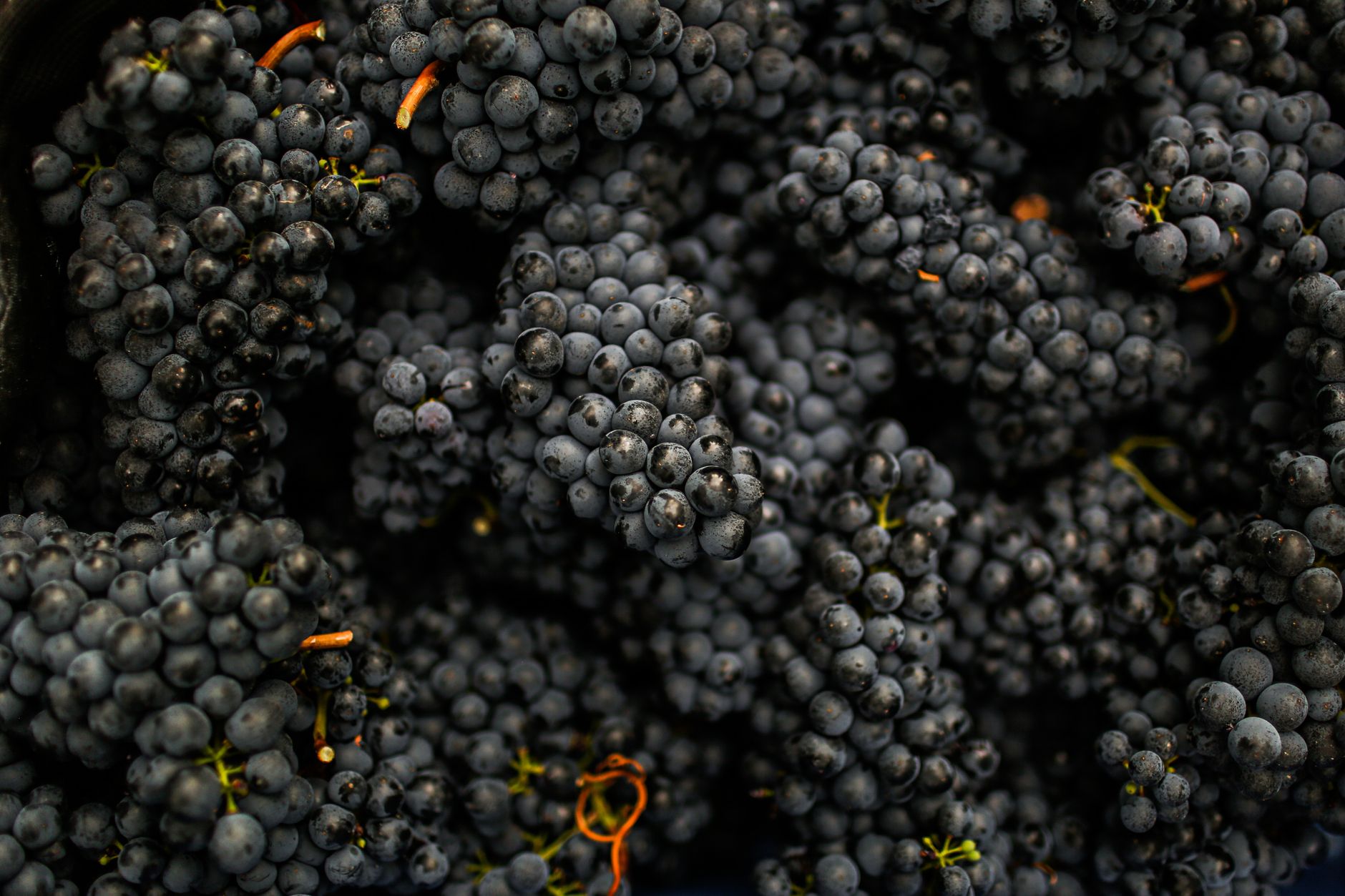
Wine lovers often ponder the question: how many grapes does it take to fill a bottle of wine? Knowing the answer not only satisfies curiosity but also enhances appreciation for the winemaking process. Grapes are the heart of wine production, and understanding their role can deepen your enjoyment of each sip.
This guide explores the number of grapes in a bottle of wine, delving into the variables involved, including grape variety, wine style, and winemaking techniques. By the end, you’ll have a well-rounded understanding of this fascinating aspect of the wine world.
How Many Grapes Are In A Bottle Of Wine?
On average, it takes approximately 600 to 800 grapes to produce a standard 750 ml bottle of wine. However, the exact number can vary based on factors such as grape size, variety, and the winemaking process. Understanding these variables can give you insight into the craft and artistry behind every bottle.
The Basics: Grape Varieties and Yield
Diverse grape varieties play a crucial role in determining the number of grapes used in winemaking. For instance, smaller grape varieties—like Cabernet Sauvignon—may yield fewer grapes per bunch compared to larger ones, such as Merlot or Zinfandel. Yield can also vary based on the vineyard’s conditions, including soil type, climate, and vine health.
Understanding Grape Yields
Grape yield is often measured in tons per acre. On average, winemakers produce between 2 to 8 tons of grapes per acre. The yield can influence the grape concentration and ultimately the quality of the wine. For example:
- High-Yielding Varieties: Some varieties, such as Chardonnay or Riesling, can produce high yields that affect concentration but may offer more accessible pricing.
- Low-Yielding Varieties: Varieties like Pinot Noir often produce lower yields, leading to more concentrated and complex wines, often at a higher price point.
A Closer Look at Winemaking Processes
The winemaking process also influences how many grapes are needed. Different styles may require different grape amounts for fermentation. Here’s a look at how this plays out:
Red Wine Production
For red wine, the production generally starts with crushing the grapes, which allows the skins to impart color and tannins to the juice. Typically, around 2,500 grapes are crushed to make a single barrel of red wine, which holds approximately 25 cases of wine. This implies that roughly 120 grapes go into a single bottle of red wine.
White Wine Production
White wine production generally involves pressing the grapes before fermentation, which can lead to a slightly different calculation. On average, about 3,000 grapes may be required for a barrel of white wine, resulting in similar numbers for bottles—with 120 to 140 grapes typical for each bottle.
Impact of Wine Style on Grape Requirements
Different wine styles call for different grape quantities, influenced by fermentation and aging techniques.
Sweet Wines
Sweet or dessert wines, like Sauternes, might require more grapes as they often have concentrated sugars. In this case, it could take upwards of 800 grapes to produce a single bottle, owing to their richer flavor profile.
Sparkling Wines
Sparkling wines, such as Champagne, have unique production methods that also affect grape quantity. These wines can take approximately 150 to 200 grapes per bottle due to the additional fermentation stages and blending processes.
Factors Influencing Grape Quantity
Aside from grape variety and winemaking style, several other factors can influence the number of grapes needed.
Size Matters: Grape Size Variance
The size of the grapes matters immensely. Smaller grapes tend to contain more concentrated flavors and sugars, which may reduce the total number of grapes needed for fermentation. Conversely, larger grapes can dilute flavor, requiring more of them for the same intensity.
Geography and Terroir
The vineyard’s terroir—essentially, its environment—has a significant impact on grape quality and yield. Grapes grown in regions with optimal conditions tend to thrive better and may give higher yields. Factors like soil quality, climate, altitude, and exposure to sunlight all come into play.
Practical Applications: Buying Wine
Understanding the grape-to-bottle ratio can enhance your wine-buying experience. As you browse a wine store or a restaurant menu, consider the following:
Labeling and Wine Information
- Wine Labels: The labels often provide valuable information about the grape variety, origin, and production methods. This can give you clues about how many grapes might be in the bottle.
- Pricing: Higher-quality wines that require lower grape yields may reflect in their price points.
- Availability of Varieties: Certain regions will have grapes that are more widely available, reflecting on the average grape count in a bottle.
Common Misconceptions
There are several myths regarding wine and grapes worth debunking, which can enhance your enjoyment and understanding of this beverage:
Myth: All Grapes Are Created Equal
Not all grapes used in winemaking are the same. Each variety has distinct characteristics that contribute to its flavor profile, acidity, and sweetness. Understanding these differences can lead you to a better wine selection.
Myth: Grape Quantity Equals Quality
While the quantity of grapes in a bottle is important, it does not necessarily correlate with quality. Wine quality is defined by various factors, including terroir, vinification practices, and aging potential.
Exploring More About Wine and Grapes
If you’re interested in the winemaking process and the importance of grapes, consider exploring various topics surrounding wine:
Wine Tasting Tips
Learning how to properly taste wine can greatly enhance your experience. Here are some tips:
- Examine: Observe the color and clarity.
- Smell: Swirl the wine in your glass and take note of the aromas.
- Taste: Take small sips and let the wine linger. Notice its balance, texture, and finish.
Food Pairing
Pairing wine with food can elevate the dining experience. Understanding how different grapes contribute to flavor profiles can guide your choices. For example:
- Red Wines: Typically pair well with red meats, rich sauces, and aged cheeses.
- White Wines: Complement dishes like seafood, poultry, and light pastas.
- Sparkling Wines: Versatile in pairings, often enjoyed with salty snacks and appetizers.
Conclusion
Understanding how many grapes go into a bottle of wine unveils a deeper appreciation for this age-old beverage. On average, it takes around 600 to 800 grapes, but this can vary significantly based on multiple factors. Armed with this knowledge, you can make informed choices about the wines you select and savor.
For those eager to explore more about the world of food and drinks, consider checking out related articles where you can learn more about wine tastings, food pairing strategies, and more. Understanding the nuances of food and drink can enhance your culinary adventures.