
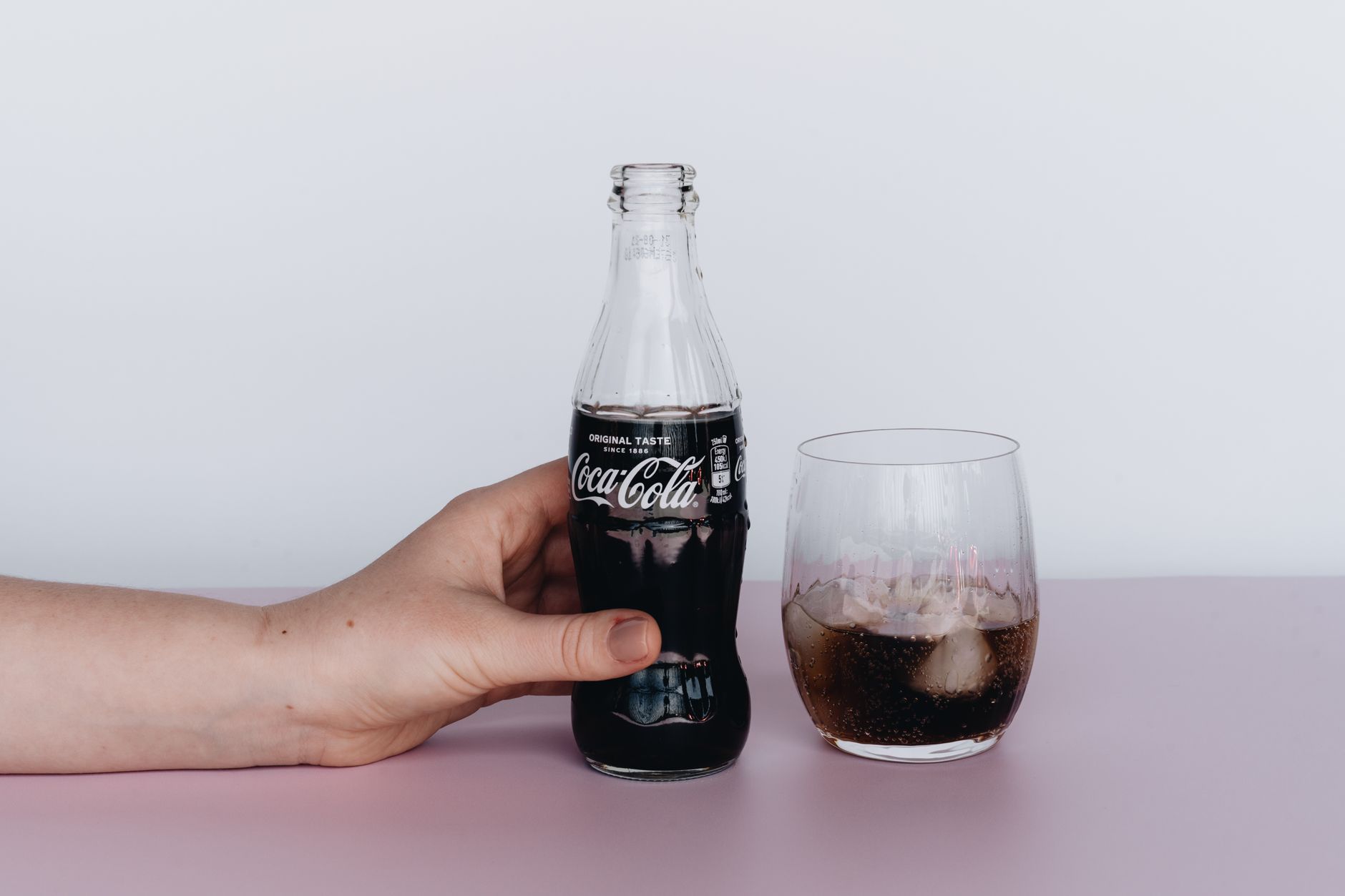
Coca-Cola, one of the most popular beverages globally, is often enjoyed for its unique flavor and refreshing qualities. However, it is essential to be aware of the ingredients that contribute to this beloved drink, especially the sugar content. Understanding how many grams of sugar are in a Coca-Cola can help consumers make informed decisions about their dietary choices.
In this comprehensive guide, we will explore the sugar content in Coca-Cola products, the implications of consuming sugar, and how it compares to other sugary beverages. We will also touch on alternatives and offer insight on moderating sugar intake while still enjoying your favorite drinks.
How Many Grams Of Sugar Are In A Coca-Cola?
A standard 12-ounce (355 ml) can of Coca-Cola contains approximately 39 grams of sugar. This sugar primarily comes from high fructose corn syrup or sucrose, depending on the region and formulation.
Understanding the Sugar Content in Coca-Cola
To better grasp the sugar content in Coca-Cola, it’s helpful to break down the information based on common serving sizes. Below is a simplified breakdown of sugar content in different Coca-Cola products.
| Product | Serving Size (ml) | Sugar Content (grams) |
|---|---|---|
| Coca-Cola Classic | 355 | 39 |
| Coca-Cola Zero Sugar | 355 | 0 |
| Coca-Cola Diet | 355 | 0 |
| Coca-Cola Cherry | 355 | 41 |
| Coca-Cola Vanilla | 355 | 40 |
The primary difference in sugar content among these products is a result of the varying formulations and flavoring agents. While classic Coca-Cola is high in sugar, both Coca-Cola Zero Sugar and Diet Coca-Cola contain no sugar, opting instead for artificial sweeteners.
Health Implications of Sugar Consumption
Understanding sugar content in beverages like Coca-Cola is crucial due to potential health implications. High sugar intake has been linked to several health issues, including obesity, type 2 diabetes, and dental problems.
According to the American Heart Association, the recommended daily sugar intake is no more than 36 grams for men and 25 grams for women. A single can of Coca-Cola exceeds the daily recommended limit for women and nearly meets it for men. Thus, consuming Coca-Cola should be done in moderation, especially for those who monitor their sugar intake for health reasons.
Comparing Coca-Cola to Other Beverages
When analyzing sugar content, it’s beneficial to compare Coca-Cola to other common beverages. Here’s how Coca-Cola stacks up against some alternatives:
| Beverage | Serving Size (ml) | Sugar Content (grams) |
|---|---|---|
| Pepsi | 355 | 41 |
| Dr. Pepper | 355 | 40 |
| Sprite | 355 | 38 |
| Mountain Dew | 355 | 46 |
Many sodas and sugary drinks contain similar or higher sugar levels. For instance, Mountain Dew has 46 grams of sugar in a 12-ounce serving, which exceeds that of Coca-Cola. Awareness of these sugar levels helps consumers assess their choices wisely.
Alternatives to High-Sugar Beverages
If you are looking to reduce sugar intake while still enjoying a fizzy or flavored drink, there are several alternatives to Coca-Cola that are available:
- Sparkling Water: Naturally refreshing without any sugar. You can add slices of citrus fruits for additional flavor.
- Coconut Water: A naturally sweet drink with electrolytes, providing hydration with lower sugar levels.
- Herbal Teas: Cold herbal teas can be refreshing and come with many flavors, often with no added sugars.
- Homemade Lemonade: Make your own and control the amount of sugar or use a sugar substitute.
- Diet Sodas: These offer the flavor of Coca-Cola without the calories or sugar content, using artificial or natural sweeteners.
Opting for these alternatives can help individuals manage their sugar intake without sacrificing taste.
Practical Tips for Reducing Sugar Intake
Aside from choosing alternative beverages, here are some practical tips to help reduce sugar intake overall:
- Read Labels: Always check nutrition labels to stay informed about the sugar content in beverages and foods.
- Watch Portion Sizes: Consider drinking smaller servings of sugary drinks—this can significantly reduce sugar consumption.
- Stay Hydrated with Water: Reduced sugar intake can be achieved by prioritizing water as your main beverage.
- Limit Sugary Snacks: Control your overall sugar intake by monitoring not just drinks, but snacks and meals as well.
Implementing these simple changes can lead to a healthier lifestyle without feeling deprived of flavor.
Conclusion
Understanding the amount of sugar in Coca-Cola is crucial for making informed beverage choices. With about 39 grams of sugar per 12-ounce serving, it’s important to be mindful of consumption, especially when considering overall daily intake limits. By comparing it to other beverages and exploring alternatives, consumers can make better choices without compromising on enjoyment.
For those keen on maintaining a balanced diet, reading labels and monitoring portion sizes is essential. As sodas remain a favorite for many, being aware of their sugar content allows for healthier moderation and indulgence.
Explore related recipes, cooking tips, or food guides for a healthier lifestyle and more delicious meals.