
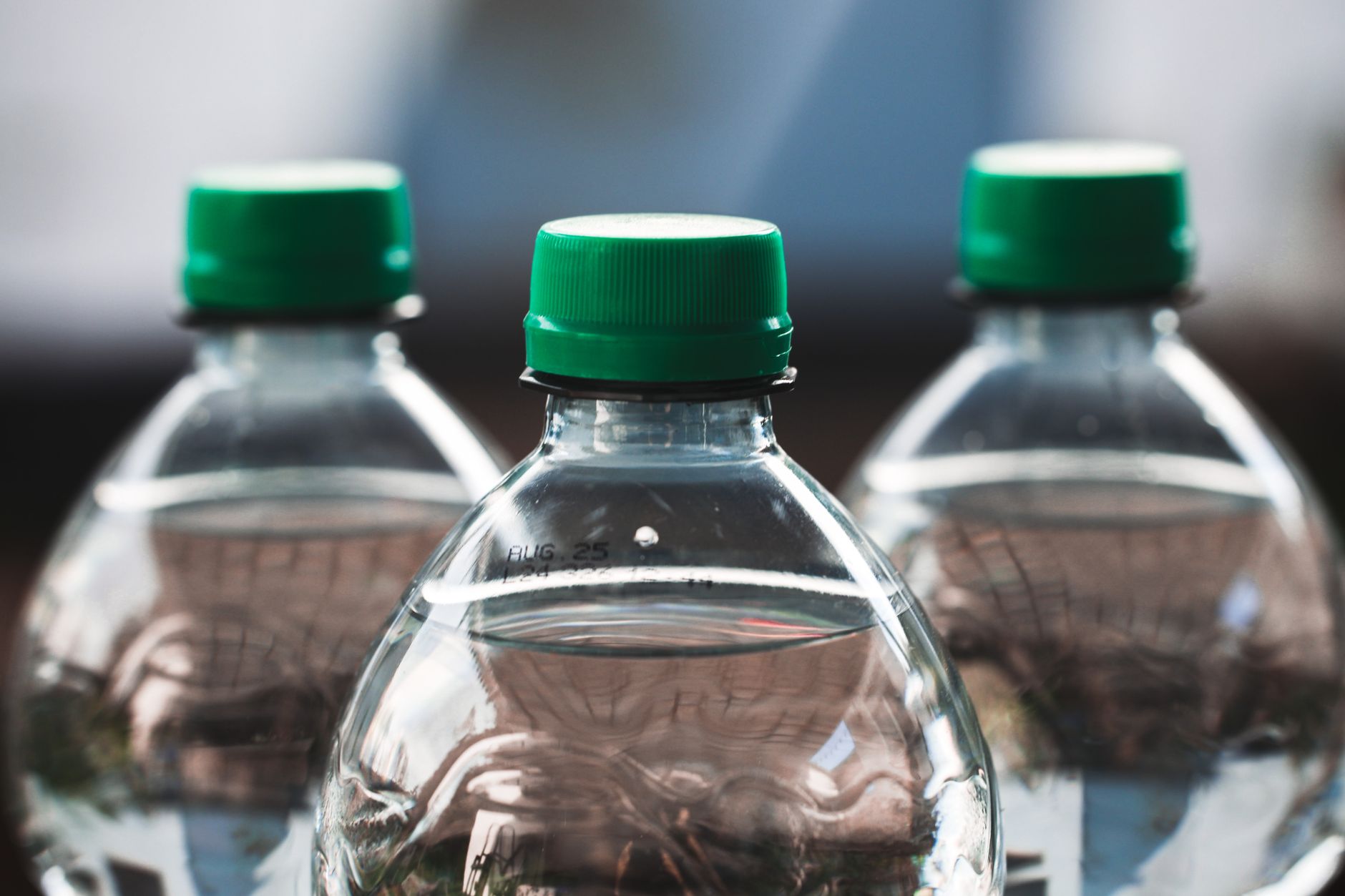
Understanding how many cups are in a bottle of water is essential for meal planning, cooking, and hydration tracking. Whether you’re a home cook, a busy parent, or someone trying to maintain healthy hydration levels, knowing the volume conversions can help in various scenarios, from measuring ingredients in recipes to staying on top of your daily water intake.
This guide will provide you with a comprehensive look at how to accurately convert the volume of bottled water into cups, practical applications for this knowledge, and tips for measuring liquids for cooking and hydration purposes.
How Many Cups Are In A Bottle Of Water?
A standard 16.9-ounce bottle of water contains approximately 2 cups. This measurement is particularly useful when you’re looking to substitute bottled water for other liquids in cooking or ensuring you drink enough water throughout the day.
Understanding Liquid Measurements
Liquid measurements can often be confusing, but they are fundamental to cooking and baking. Here’s a basic overview to clarify some common liquid measurements and their equivalents:
- 1 cup = 8 fluid ounces
- 1 pint = 2 cups = 16 fluid ounces
- 1 quart = 4 cups = 32 fluid ounces
- 1 gallon = 16 cups = 128 fluid ounces
Understanding these conversions is essential, especially when you need to scale a recipe up or down.
Why Knowing Cups in a Bottle Matters
Knowing how many cups are in a bottle of water is crucial in various situations, including:
- Hydration Tracking: Monitoring your water intake is important for maintaining overall health. If you know how many cups are in the bottles you regularly consume, you can better gauge your hydration throughout the day.
- Cooking and Baking: Many recipes call for specific measurements of water or other liquids. Understanding the volume conversion helps ensure accuracy and consistency in your cooking.
- Meal Planning: When planning meals, knowing how much liquid your recipes require can help you shop more effectively, ensuring you have enough ingredients on hand.
Practical Applications of Water Measurement
Cooking
Water is a crucial ingredient in many cooking processes, from boiling pasta to steaming vegetables. Here are some common cooking scenarios where knowing how many cups are in a bottle can be beneficial:
- Boiling: If a recipe requires you to boil a certain amount of water, and you only have bottled water available, you can easily measure out the required cups based on the number of bottles you have.
- Making Broth: Recipes for soups or sauces often start with a specific cup measurement of water. Knowing that a standard bottle contains about 2 cups can save time in food preparation.
Baking
In baking, precision is key. Here are some ways bottled water can come in handy:
- Yeast Activation: Many baked goods require water to activate yeast. Knowing how many cups are in a bottle allows you to measure accurately.
- Hydration Ratio: Recipes that specify a certain hydration ratio will benefit from your knowledge about liquid measurements to maintain the right texture and consistency in your baked goods.
Health and Hydration
Tracking your fluid intake is essential for maintaining good health:
- Daily Water Intake: Health professionals often recommend drinking at least eight 8-ounce glasses of water a day. Knowing that you can get about 2 cups from a standard bottle makes it easier to keep track of your hydration goals.
- Physical Activity: If you’re active, especially in hot weather, knowing how many cups are in a bottle can help ensure you stay hydrated during and after exercise.
How to Measure Water Accurately
While bottled water provides a convenient option, you might need to measure liquid for various recipes accurately. Here’s a guide on measuring liquids to achieve the best results:
Using Measuring Cups
For accuracy in cooking and baking, it’s best to use liquid measuring cups. Here’s how to use them properly:
- Choose the Right Cup: Use a clear glass or plastic measuring cup with measurements marked on the side.
- Fill the Cup: Pour the liquid into the measuring cup until it reaches the desired measurement.
- Check at Eye Level: Bend down to eye level with the measuring cup to ensure it reads accurately, preventing over or under-measuring.
Using Standard Bottles
If you’re using bottled water or other beverages, once you know how many cups are in your standard bottle, you can use that to measure liquid:
- For example, if a recipe calls for 4 cups of water, you would need 2 bottles of standard water.
- Keep a record of how many cups are in the bottles you regularly use, as bottle sizes can vary.
Common Mistakes When Measuring Water
Accurate measurement is crucial, and there are a few common mistakes to avoid:
- Not Using Liquid Measuring Cups: Avoid using dry measuring cups for liquids, as they may not provide accurate measurements.
- Overfilling the Cups: When using liquid measuring cups, it’s easy to overfill. Always check at eye level.
- Ignoring Measurement Conversions: Make sure to convert measurements accurately when following different recipe formats.
Convenient Tips for Staying Hydrated
Staying adequately hydrated is as crucial to overall health as proper nutrition. Here are helpful tips to ensure you drink enough liquids daily:
- Set Reminders: Use your phone or an app to remind yourself to drink water throughout the day.
- Flavor Infusions: If you find plain water boring, try infusing it with fruits, herbs, or vegetables. It adds flavor and encourages better hydration.
- Keep Water Accessible: Always have a bottle of water within reach, whether you’re at home, work, or on the go.
- Track Your Intake: Keeping a simple log or using hydration-tracking apps can help you visualize your progress and motivate you to reach your daily goals.
Different Bottle Sizes
Understanding that bottles come in different sizes can help when trying to measure your intake. Here are some common bottle sizes and their cup equivalents:
| Bottle Size (oz) | Cups |
|---|---|
| 8 oz | 1 cup |
| 16.9 oz | 2 cups |
| 24 oz | 3 cups |
| 32 oz | 4 cups |
Remember that different brands may have size variations, so it’s wise to double-check the packaging.
Making Your Own Flavored Water
If you’re looking to enhance your hydration methods, consider making your own flavored water. This is a fun way to enjoy water that’s just as hydrating but more flavorful:
Basic Ingredients for Flavored Water
- Herbs (like mint or basil)
- Fruits (like lemon, lime, or berries)
- Cucumber slices
- Ginger slices
Infusion Method
- Choose your ingredients based on your flavor preferences.
- In a pitcher or bottle, add the chosen flavor enhancers.
- Fill with water and let it infuse in the fridge for at least 1-2 hours.
- Serve over ice and enjoy your refreshing drink!
Infused water not only tastes better but can also encourage higher water consumption.
How Bottled Water Quality Affects Taste
The taste of bottled water can vary widely depending on its source and processing. Here’s some insight into the different types of bottled water:
- Spring Water: Comes from natural springs and tends to have a fresher taste.
- Distilled Water: Is purified through boiling and tends to have a flat taste due to the removal of minerals.
- Mineral Water: Contains various minerals that can add flavor and health benefits.
Choosing the right type of bottled water for your needs may enhance your cooking and hydration experience.
Conclusion and Takeaway
Knowing how many cups are in a bottle of water can provide clear advantages in cooking, baking, and maintaining hydration. By understanding liquid measurements, cooking applications, and the importance of hydration, you can enhance your culinary skills and overall well-being.
As you explore new recipes and drinks, consider trying out flavored water as a refreshing option, or track your daily intake to improve your hydration habits. Remember to check out our recipes for lemon-ginger water and single-serve lemonade for delightful hydration options!