
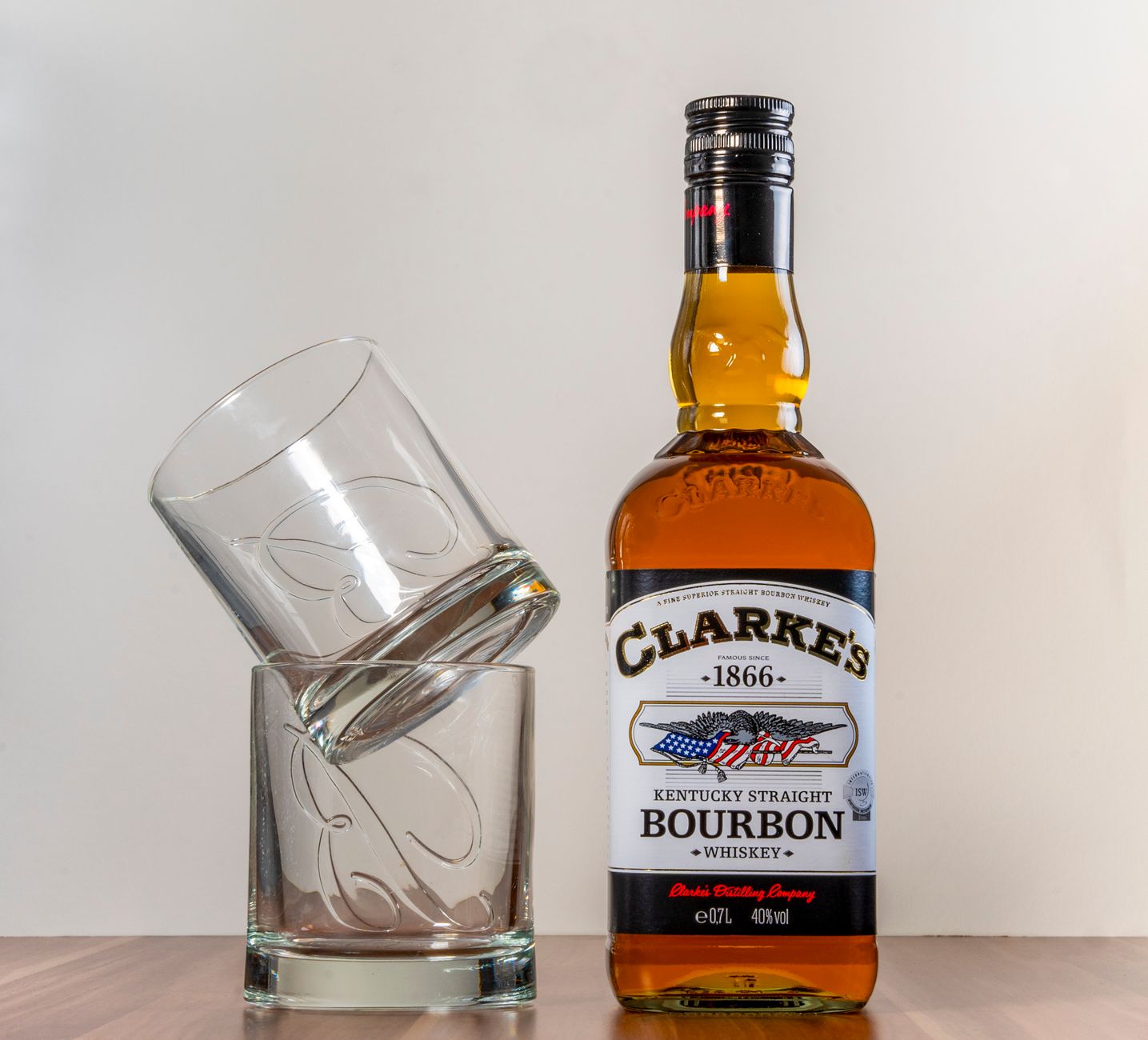
Bourbon is a popular American whiskey, known for its rich flavors and deep amber color. As with many alcoholic beverages, it’s essential to understand its nutritional composition, particularly for those monitoring carbohydrate intake. In this article, we will explore how many carbs are in bourbon and other essential facts about this beloved drink.
Whether you’re seeking to enjoy bourbon in moderation or incorporate it into cocktails, knowing its carbohydrate content can help you make informed choices. Let’s delve into the details to provide you with everything you need to know about bourbon and its carb content.
How Many Carbs Are In Bourbon?
Bourbon typically contains zero grams of carbohydrates per 1.5-ounce serving. This is largely because during the distillation process, the sugars in the grain used are converted to alcohol, leaving no residual carbs. However, this can vary slightly based on the brand and if any additional flavoring ingredients are added.
Understanding Bourbon and Its Composition
Bourbon is made primarily from corn, and by law, it must contain at least 51% corn in its grain mash. The rest of the mash can include other grains such as rye, wheat, and barley. The fermentation and distillation processes play a significant role in transforming these grains into the final product, largely determining the overall flavor profile and alcohol content.
Ingredients in Bourbon
While the main ingredient in bourbon is corn, the other grains contribute distinct flavors. Here’s a brief overview of the primary components:
- Corn: The main component, providing sweetness and a rich base.
- Rye: Adds spice and complexity.
- Wheat: Gives softer, rounder flavors.
- Barley: Contributes maltiness and helps with fermentation.
Alcohol Content and Carbohydrates
The alcohol content in bourbon is usually around 40% to 50% alcohol by volume (ABV). As mentioned earlier, bourbon has negligible carbohydrate content. This low carb count makes it a frequently chosen option for individuals following ketogenic or low-carb diets.
How is Carbohydrate Content Measured?
Understanding how carbohydrates are measured in beverages can help clarify why bourbon has zero carbs. Carbohydrates can be divided into:
- Simple Carbohydrates: Sugars that provide quick energy.
- Complex Carbohydrates: Starches and fibers that take longer to digest.
During fermentation, yeast converts sugars to alcohol, leaving behind negligible amounts of any carbohydrates. Consequently, most distilled spirits, including bourbon, have little to no carbs.
Flavor Variations and Additives
Most bourbons available on the market contain only natural ingredients, but some brands may include additional flavorings or sweeteners. It’s essential to check the label or the brand’s website for specific nutrition info if you’re purchasing specialty bourbons. These additional ingredients can sometimes add carbohydrates, so overall nutrition can vary.
Bourbon in Mixed Drinks
When considering bourbon for cocktails, keep in mind that the mixers can significantly impact the total carbohydrate count. Here are some common bourbon mixers and their carbohydrate content:
- Cola: Approximately 39 grams of carbs per 12 ounces.
- Simple Syrup: About 16 grams of carbs per tablespoon.
- Sour Mix: About 30 grams of carbs per 12 ounces.
When mixed with these ingredients, the carbohydrate content of a bourbon cocktail can increase dramatically. Opting for low-carb mixers, such as soda water or lemon juice, can keep the drink lower in carbohydrates.
Popular Bourbon Cocktails and Their Carbohydrates
For those who enjoy cocktails, here are popular bourbon drinks along with their estimated carbohydrate content:
- Bourbon Sour: Made with bourbon, lemon juice, and sugar, totals approximately 22 grams of carbs per serving.
- Manhattan: Combining bourbon with sweet vermouth and bitters may contain around 12 grams of carbs.
- Old Fashioned: Bourbon mixed with sugar, bitters, and a twist, roughly totals 9 grams of carbs depending on sugar use.
Health Considerations
While bourbon and other spirits are often enjoyed, it’s crucial to consume them responsibly. Moderate consumption can be part of a healthy lifestyle, but overindulgence may lead to health issues. Here are some considerations:
- Caloric Content: Bourbon is calorie-dense. Since it’s primarily alcohol, it’s essential to consider total caloric intake as it contributes to your daily totals.
- Mental Clarity: Alcohol affects cognitive function, so moderation is key.
- Alcohol Tolerance: Individual alcohol tolerance levels may vary. Knowing your limits is essential for responsible drinking.
Best Practices for Enjoying Bourbon
When enjoying bourbon, especially for those cautious about carbohydrates:
- Choose Neat or On the Rocks: Drinking bourbon neat or over ice means zero additional carbs from mixers.
- Sip Slowly: Taking the time to savor each sip allows for appreciation of flavors and helps control consumption.
- Pair with Snacks Wisely: If pairing with snacks, choose lower-carb options like nuts or cheeses to complement your drink.
Conclusion: Enjoying Bourbon Wisely
Bourbon is a carb-free beverage, making it suitable for low-carb diets while having a rich flavor profile that many enjoy. However, the carb content can change when mixed with other ingredients. Always be mindful of how you enjoy your bourbon and choose mixers that align with your dietary preferences. So, whether you’re sipping it neat or crafting a refreshing bourbon cocktail, you can enjoy this classic drink without worrying about carbs.
For more information on bourbon cocktails, check out our Manhattan recipe or try a refreshing Bourbon Sour recipe. Explore these recipes for delicious ways to enjoy bourbon while remaining mindful of your dietary choices.