
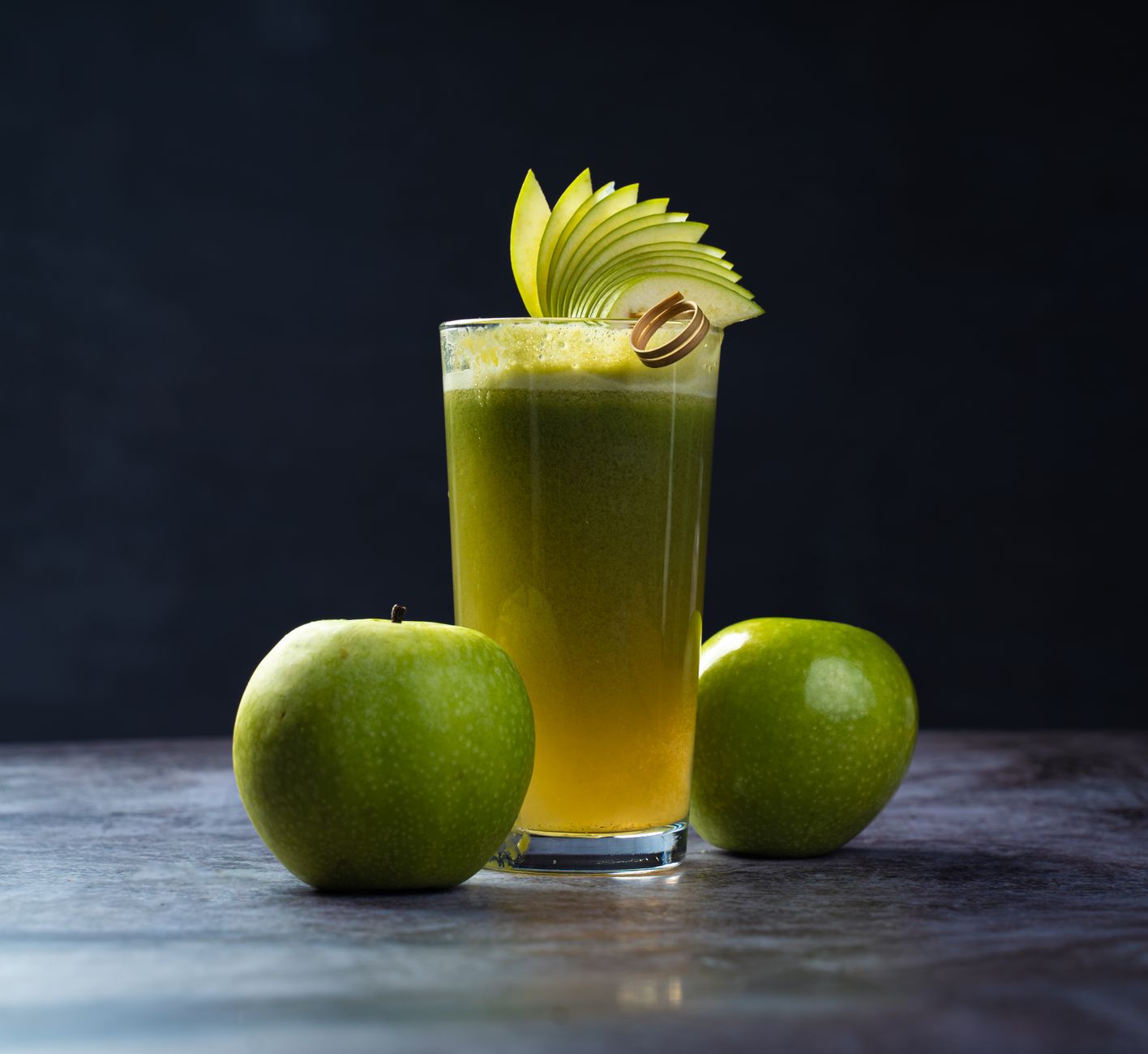
Apple juice is a beloved beverage enjoyed by many for its refreshing taste and nutritional flavor profile. However, if you’re watching your calorie intake, you may wonder just how many calories are found in this popular drink. In this article, we will delve into the caloric content of apple juice, compare it to other juices, and explore its nutritional benefits and potential downsides.
Understanding the calorie content of apple juice can help you make informed choices about incorporating it into your diet. We will also discuss variations in caloric content based on different types of apple juice, how it fits into a meal plan, and some healthy alternatives you might consider.
How Many Calories Are In Apple Juice?
On average, a standard 8-ounce (240 mL) serving of apple juice contains about 110 to 120 calories. This caloric range can vary slightly based on factors such as the type of apples used, whether the juice is pure or diluted, and if sugar has been added. Understanding these nuances can help you balance apple juice consumption within your diet.
The Caloric Breakdown of Apple Juice
The calories in apple juice primarily come from carbohydrates, mainly in the form of natural sugars. Here’s a closer look at the composition:
- Carbohydrates: Roughly 28-30 grams per 8-ounce serving
- Sugars: About 24-26 grams of sugar (of which, most are naturally occurring fructose)
- Fiber: Apple juice lacks significant fiber since it is typically strained to remove pulp, leaving most of the fibrous material behind.
Comparing Apple Juice to Other Juices
Apple juice is often favored for its taste, but how does its caloric content stack up against other popular fruit juices? Here’s a comparison of several common fruit juices:
| Juice Type | Calories (per 8 oz) |
|---|---|
| Apple Juice | 110-120 |
| Orange Juice | 110-120 |
| Grape Juice | 150-160 |
| Cranberry Juice | 130-140 |
As shown, apple juice is aligned with the calorie range of orange juice but has fewer calories than grape juice. The sugar content remains a significant factor across all juices, impacting the overall caloric intake.
Nutritional Benefits of Apple Juice
Aside from its calorie content, apple juice offers several nutritional benefits. Here are some advantages:
- Vitamins: Apple juice is a good source of Vitamin C, which is crucial for immune health, skin health, and many bodily functions.
- Antioxidants: Apples contain phytonutrients and antioxidants such as quercetin that may help fight oxidative stress and inflammation.
- Hydration: Since apple juice is 88% water, it helps maintain hydration levels.
Potential Downsides of Apple Juice
While apple juice has its benefits, there are some considerations to keep in mind:
- High Sugar Content: Most of the calories in apple juice come from sugar. Consuming high amounts of sugar can lead to weight gain and other health issues such as increased blood sugar levels.
- Lack of Fiber: Removing the pulp from apple juice strips it of its fiber, which is important for digestive health and satiety.
- Caloric Density: Juice can be calorie-dense compared to whole fruits, meaning it’s easy to consume more calories without feeling full.
Incorporating Apple Juice into Your Diet
If you enjoy apple juice but are conscious of calorie intake, consider these strategies for moderation:
- Measure Your Portion: Stick to the recommended serving size to manage caloric intake effectively.
- Pair with Whole Fruits: Balance your apple juice intake with whole apples to increase fiber intake and feel fuller.
- Use as an Ingredient: Incorporate apple juice into recipes (like marinades, salad dressings, or smoothies) to add flavor without significant caloric excess.
Healthy Alternatives to Apple Juice
If you’re considering alternatives to apple juice, here are some options:
- Flavored Sparkling Water: Offers hydration with fewer or no calories.
- Herbal Teas: Calorie-free and come with various flavors.
- Vegetable Juices: Typically lower in sugar and calories, making them a great alternative that retains nutrient density.
How to Choose Quality Apple Juice
When browsing for apple juice, you may come across various options in the grocery store. Here are tips for selecting nutritious apple juice:
- Look for 100% Juice: Ensure the label specifies “100% apple juice” with no added sugars.
- Check Ingredients: The best apple juice will have minimal ingredients, ideally just apples and vitamin C (ascorbic acid).
- Consider Organic Options: Organic apple juice is free from pesticides and can be a healthier choice.
Making Your Own Apple Juice
For those interested in a DIY approach, making homemade apple juice allows you control over ingredients and sugar levels:
Ingredients
- 8-10 medium-sized apples (variety of sweet and tart for flavor balance)
- Water (optional, for thinning the juice)
Essential Equipment
- Juicer or blender
- Fine mesh strainer or cheesecloth
- Large bowl or pitcher
Instructions
- Wash the apples thoroughly. Cut them into quarters, removing seeds but leaving skin on for additional nutrients.
- If using a blender, place the apple quarters in and blend until smooth. For a juicer, simply feed the apples into the machine.
- Strain the blended mixture using a fine mesh strainer or cheesecloth to separate the juice from the pulp.
- If desired, dilute with water to achieve preferred consistency. Optionally, add a splash of lemon juice to preserve freshness.
- Store in the refrigerator in an airtight container for up to 3 days.
Common Mistakes When Consuming Apple Juice
Here are some common pitfalls to avoid:
- Overconsumption: It’s easy to drink more juice than intended, so always pay attention to portion sizes.
- Confusing Juice with Healthy Options: Just because a drink is juice doesn’t mean it’s inherently healthy; always check the label for added sugars.
- Ignoring Freshness: Fresh juice can spoil quickly. Be mindful of storage guidelines to prevent waste.
Storage Tips for Apple Juice
Proper storage of both homemade and store-bought apple juice ensures freshness and safety:
- Refrigerate: Store apple juice in the refrigerator at all times, and try to consume it within a few days if homemade.
- Freeze: For longer storage, apple juice can be frozen in ice cube trays, making it convenient for future use in smoothies or drinks.
- Airtight Containers: Use clean, airtight containers to minimize exposure to air, which can lead to spoilage.
Final Thoughts on Apple Juice Consumption
Apple juice, while caloric, can be enjoyed responsibly as part of a balanced diet. Understanding its nutritional content can enhance your awareness of calorie intake and assist in making healthier choices.
If you love apple juice, consider it a treat rather than a staple. Explore alternatives like homemade options and pair it with whole fruits for a more nutritious approach. Emphasizing moderation and quality will help you enjoy the taste without overloading on calories.
Explore related recipes, cooking tips, and food guides such as making a refreshing fruit punch juice recipe or creating a delicious raspberry juice recipe to satisfy your thirst in a healthy way.