
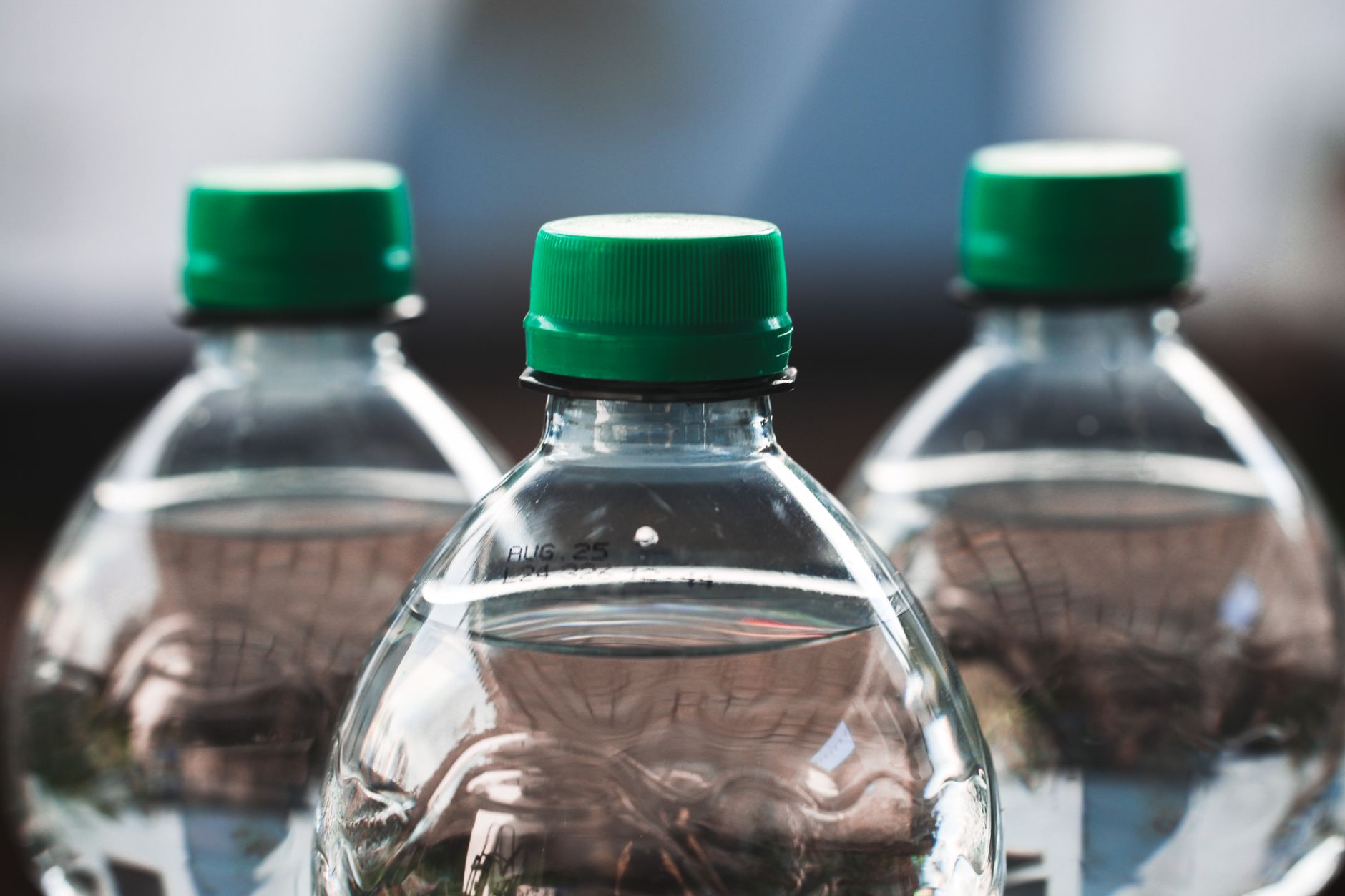
When it comes to bottled water, many people wonder about its safety and longevity. Bottled water is a convenient choice for hydration, whether at home, work, or on-the-go. However, understanding how long you can keep bottled water and the factors involved in its shelf life is essential for ensuring both safety and quality.
This article will delve into the details of bottled water shelf life, the different types of bottled water, storage tips, and how to identify if your bottled water is still safe to drink. Let’s explore everything you need to know about keeping bottled water in your pantry or fridge.
How Long Can You Keep Bottled Water?
Bottled water typically has a shelf life of about 1 to 2 years when stored in optimal conditions. However, factors such as the type of plastic used for the bottle, storage conditions, and expiration dates can influence this timeframe.
Understanding Bottled Water Types
Bottled water is categorized into several types, each with unique properties and considerations regarding shelf life:
- Spring Water: Sourced from natural springs, this water usually has a shelf life of 1 to 2 years.
- Purified Water: This water is treated to remove impurities, and it can also last for about 1 to 2 years.
- Mineral Water: Naturally sourced and rich in minerals, mineral water has a similar shelf life of 1 to 2 years.
- Distilled Water: Boiled and re-condensed, distilled water can be stored for an extended period, typically over 2 years.
- Sparkling Water: Carbonated water may still follow the 1 to 2-year rule but can lose carbonation over time.
Factors Affecting the Shelf Life of Bottled Water
1. Type of Plastic
The most commonly used plastic for bottled water is polyethylene terephthalate (PET). While safe for short-term use, PET can leach chemicals into the water over extended periods, especially if exposed to heat. Bottled water in BPA-free plastic may also have different longevity characteristics.
2. Storage Conditions
To ensure the longevity of bottled water:
- Store in a cool, dry place away from direct sunlight.
- Keep bottles off the ground to prevent exposure to temperature fluctuations.
- Avoid storing near chemical cleaners or substances that may emit fumes.
3. Expiration Dates
Many bottled water manufacturers include expiration dates on their bottles. While bottled water doesn’t become harmful after this date, flavor and quality may diminsh. A good rule of thumb is to consume water within 1 to 2 years of the bottling date for optimal taste and safety.
Signs Your Bottled Water Has Gone Bad
While bottled water can be safe beyond its expiration date, certain indicators can signal when it might be time to toss it:
- Unusual Odor: If the water smells off, it’s best to avoid drinking it.
- Change in Color: Water should be clear; a cloudy appearance may indicate contamination.
- Leaky Bottle: If the bottle has been punctured or leaks, the water may be at risk of contamination.
How to Properly Store Bottled Water
Proper storage is key to maintaining the quality and longevity of bottled water. Here are some tips:
- Store water in a cool, dry environment, ideally at room temperature.
- Avoid keeping it in places that experience temperature fluctuations, such as a garage or car.
- Do not freeze bottled water, as freezing can damage the plastic and alter the taste.
- If you have already opened a bottle and haven’t consumed the remaining water, it’s best to finish it within a few days to ensure freshness.
Can Bottled Water Be Refilled?
Refilling bottled water is a common practice, but it carries risks. Reusing single-use plastic bottles can lead to bacteria buildup, especially if the bottle is not properly cleaned. If you do refill bottles, it’s advisable to use a clean container that can be disinfected and to avoid using excessively worn or damaged bottles.
Environmental Considerations
Frequent use of bottled water contributes to plastic waste. Consider alternatives such as:
- Using a reusable water bottle and filling it with tap water or filtered water.
- Investing in a home water filtration system.
- Using biodegradable or recyclable options if you must opt for bottled water.
Frequently Asked Questions About Bottled Water
How can I tell if the water is still safe to drink?
Check for any off odors, discoloration, or bottle damage. If the water appears cloudy or has a strange smell, it’s safer to dispose of it.
Is bottled water better than tap water?
This depends on individual preferences and local water quality. In some regions, bottled water may be more pure, while in others, tap water is safe and healthy.
What is the best way to clean a reusable water bottle?
Disassemble any removable parts and wash them with soap and water. For deeper cleaning, use a mixture of baking soda and vinegar, or a bottle brush to remove residues.
Final Thoughts on Bottled Water Storage
Knowing how long you can keep bottled water and understanding ideal storage conditions are essential for maximizing shelf life. Properly stored, bottled water can be a safe and hydrating option for months or even years. Remember, always check for signs of spoilage before consuming, and consider sustainable alternatives.
For more insights on food safety, ingredient storage, or kitchen tips, explore related content in our food blog to enhance your culinary knowledge.