
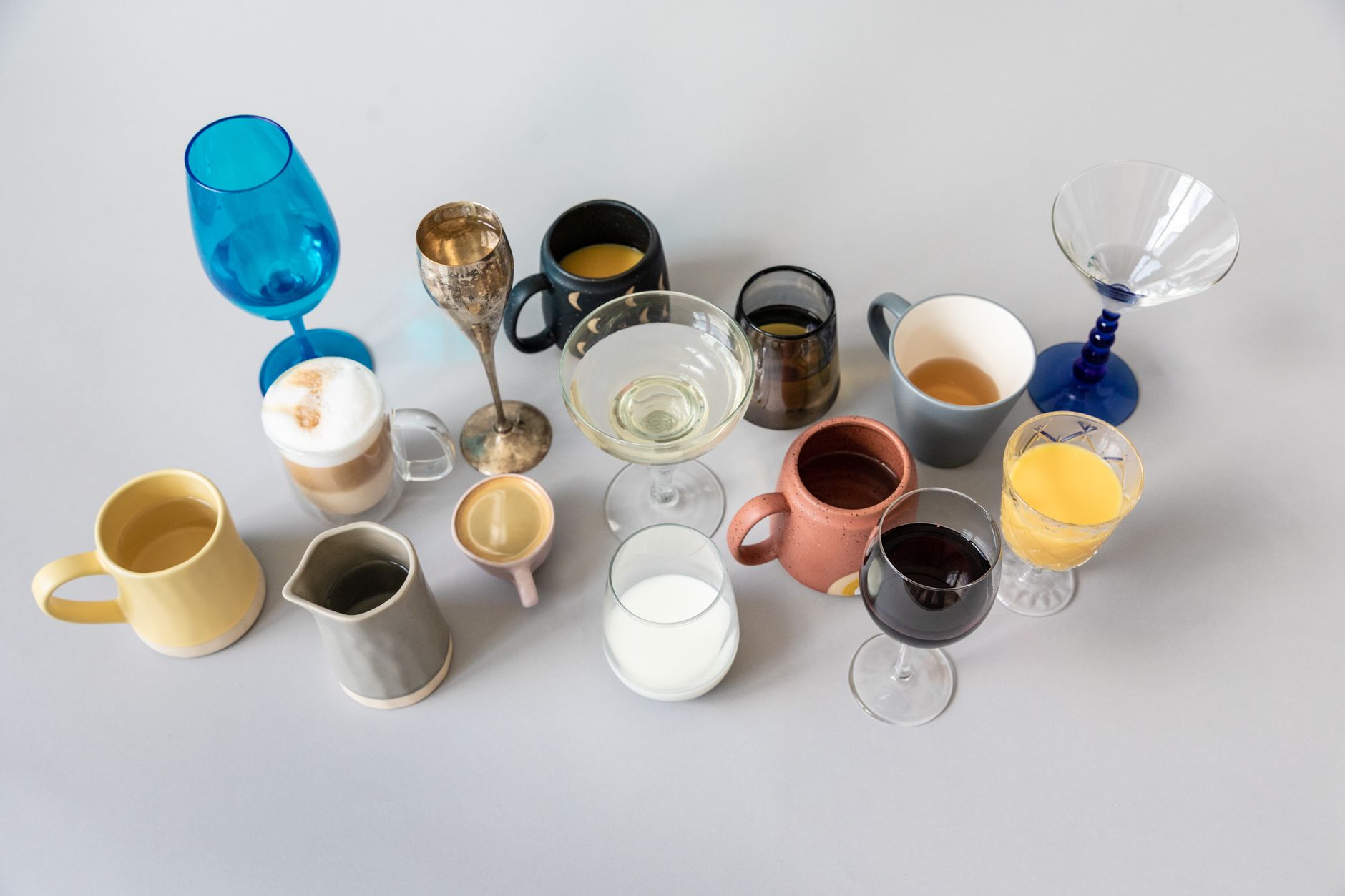
Coffee and alcohol are two popular beverages enjoyed by many, but knowing how they interact can be essential for a pleasant drinking experience. If you’ve just sipped on a cup of coffee and are wondering how long you should wait before enjoying a cocktail, this guide will provide insights into the waiting period between these two drinks and explain why timing can matter.
In this article, we will delve into the effects of caffeine and alcohol on the body, tips on timing your drinks, and some delightful coffee and alcohol combinations to explore. Whether you’re planning a coffee-fueled brunch or an evening cocktail party, understanding the balance between these drinks can enhance your enjoyment.
How Long After Drinking Coffee Can I Drink Alcohol?
Generally, it is recommended to wait at least one to two hours after consuming caffeine before drinking alcohol. This timeframe allows your body to process the caffeine, reducing potential side effects like jitteriness or anxiety when mixed with alcohol. The interaction between the two can be complicated, and this waiting period helps ensure a more enjoyable experience.
Factors such as your sensitivity to caffeine, the amount of coffee consumed, and individual metabolism rates can influence how long you might want to wait. In the next sections, we will help you explore these factors in greater detail.
Understanding Caffeine and Alcohol
Before diving into the nuances of timing, it’s crucial to understand how caffeine and alcohol affect the body differently.
Effects of Caffeine
Caffeine is a stimulant that temporarily wards off drowsiness and increases alertness. It works by blocking the action of adenosine, a chemical in the brain that promotes sleep. Consuming caffeine can lead to increased heart rate, enhanced focus, and a slight diuretic effect.
However, excessive caffeine can result in negative effects such as anxiety, jitteriness, and difficulty sleeping. Everyone metabolizes caffeine at different rates, with some people feeling its effects for many hours after consumption.
Effects of Alcohol
Alcohol, on the other hand, is a depressant that can slow down the central nervous system. It lowers inhibitions, impairs judgment, and may lead to feelings of relaxation. However, too much alcohol can result in a reduced motor function, impaired cognitive abilities, and hangovers.
When combined, caffeine can mask some effects of alcohol, such as drowsiness, which can lead to overconsumption of alcohol, increasing the risk of negative side effects like intoxication and potential alcohol-related accidents.
Why Timing Matters
Understanding why you should wait between consuming coffee and alcohol is necessary for a couple of reasons:
- Physical Reactions: Both caffeine and alcohol can produce significant physiological effects. Mixing them can lead to increased heart rate and anxiety, which can be uncomfortable.
- Inhibiting Judgment: Caffeine’s stimulating effects may make you feel less drunk than you truly are. This can lead to poor decisions regarding drinking more than you intended.
- Stomach Sensitivity: Consuming both beverages in a short time frame can irritate your stomach, potentially causing discomfort.
Factors That Influence Wait Time
Several individual factors can determine how long you might want to wait before transitioning from coffee to alcohol:
1. Personal Sensitivity
Some individuals metabolize caffeine quickly, while others may be more sensitive. If you typically experience increased heart rate or jitteriness after coffee, err on the side of caution and wait longer.
2. Amount of Coffee Consumed
The more coffee you drink, the longer it may take for your body to process the caffeine. If you’ve had a strong espresso or multiple cups of coffee, consider extending your wait time.
3. Type of Alcohol
The type of alcohol you’re consuming can also play a role. Cocktails containing higher alcohol content or sugary mixers may compound dehydration and discomfort when combined with caffeine.
Popular Coffee and Alcohol Combinations
If planned correctly, mixing coffee and alcohol can result in delicious beverages. Here are a few combinations to experiment with once you’ve waited an appropriate amount of time:
1. Espresso Martini
This cocktail combines espresso, vodka, and coffee liqueur. It’s decadent and provides a nice buzz from both coffee and alcohol, making it a favorite for brunches.
2. Coffee Creamers with Alcohol
Adding flavored coffee creamers can make your cocktail smoother. For example, try an Amaretto coffee creamer with a shot of whiskey.
3. Irish Coffee
A classic combination of hot coffee, Irish whiskey, sugar, and cream offers warmth and comfort. It’s perfect for cold winter nights.
Common Mistakes to Avoid
When mixing coffee and alcohol, it’s easy to make a few common missteps. Here are some to watch out for:
- Ignoring Sensitivity: Always listen to your body. If you know you’re sensitive to caffeine or alcohol, adjust your consumption accordingly.
- Drinking Too Quickly: Take your time transitioning between drinks. Sipping allows your body to react appropriately to each beverage.
- Overconsumption: Don’t let caffeine mask the effects of alcohol, leading to unintentional overindulgence and unpleasant results.
Storing Leftover Coffee
After you prepare your coffee, you may be left with some extra. Knowing how to properly store it can help you enjoy it later without waste:
- Refrigerate: Store any leftover coffee in an airtight container in the refrigerator. It can last for up to a week but may lose its flavor over time.
- Freeze: For longer storage, pour leftover coffee into ice cube trays and freeze. Use coffee ice cubes in cocktails to keep them cold without dilution.
Make-Ahead Coffee Cocktails
If you’re planning a gathering, consider making coffee cocktails ahead of time. Here’s a simple method for preparing an espresso martini in advance:
- Prepare your espresso and let it cool.
- Combine cooled espresso with vodka and coffee liqueur in a cocktail shaker.
- Pour into glasses, letting guests garnish with coffee beans before serving.
Conclusion
Knowing how long to wait between coffee and alcohol can significantly enhance your drinking experience. A general rule of thumb is to wait about one to two hours after caffeine consumption before enjoying alcohol. This allows your body to process the caffeine effectively, minimizing negative side effects while enabling you to appreciate delicious combinations such as espresso martinis or Irish coffee.
Ultimately, listen to your body and adjust your timing based on personal tolerance levels. Enjoy responsibly and explore various flavors that these two beloved beverages can offer.
For those looking to enhance their coffee and cocktail experiences, consider trying an espresso martini or an amaretto coffee creamer to complement your drinks.