
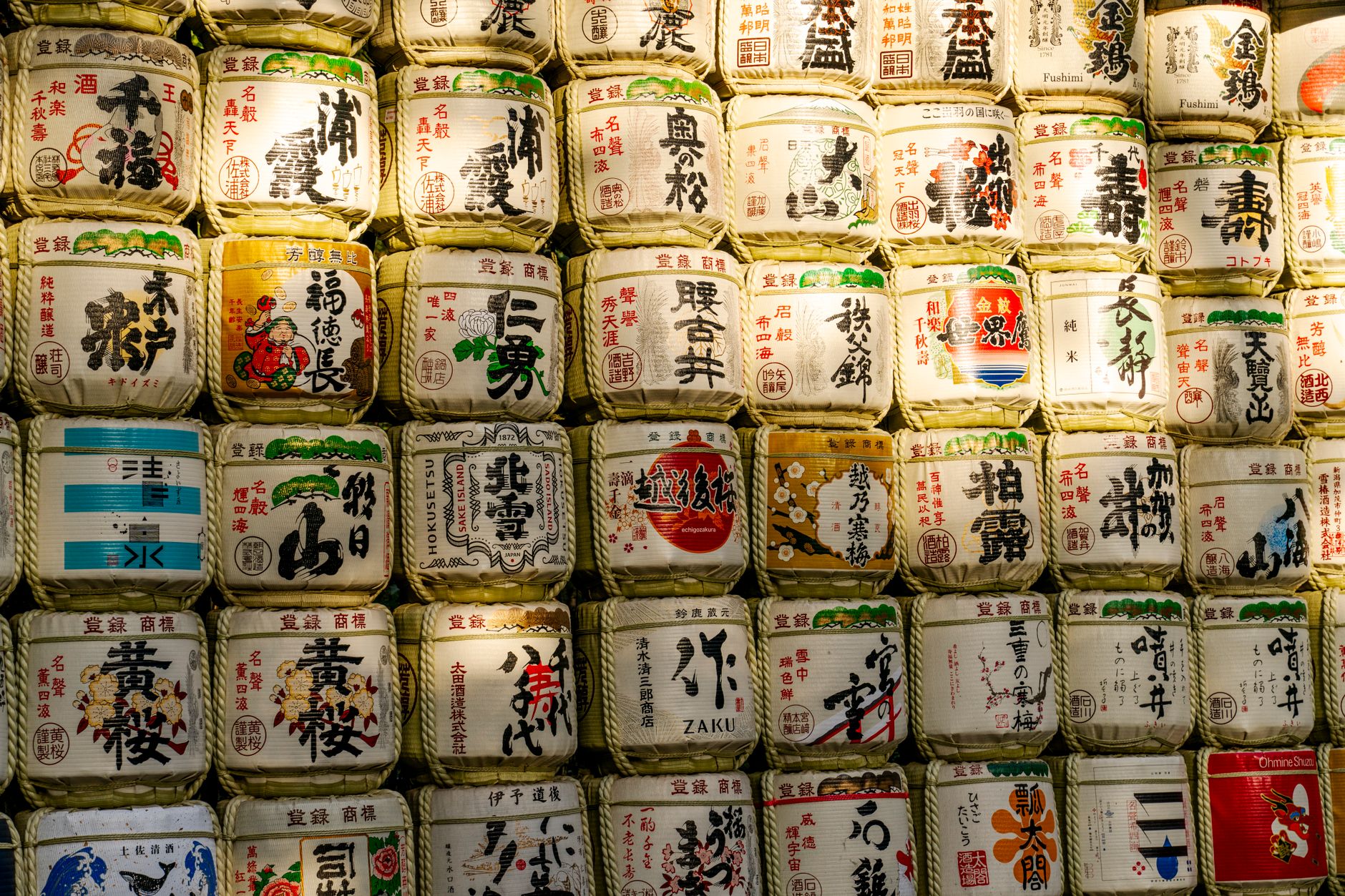
Sake, a traditional Japanese alcoholic beverage, has a rich history and cultural significance. Known as rice wine, sake is actually brewed in a process more akin to beer. Its production can be complex, but understanding the steps involved can help enthusiasts appreciate this unique drink much more deeply.
This guide will walk you through the entire sake-making process, from selecting the right rice to the fermentation stages. Whether you are a curious home cook, a beverage enthusiast, or simply interested in Japanese culture, this article will provide you with valuable insights into how sake is made.
How Is Sake Made?
Sake is made through a multi-step brewing process that involves several key ingredients: rice, water, koji mold, and yeast. The process combines rice polishing, fermentation, and pressing to create a complex and delicious beverage. Each step significantly influences the final product’s flavor and quality.
The Ingredients of Sake
Sake’s primary ingredients can be categorized as follows:
- Rice: Special sake rice with a higher starch content is used, primarily the Yamada Nishiki variety.
- Water: Purity is vital; soft water is often preferred, as it affects the flavor profile.
- Koji mold (Aspergillus oryzae): This mold converts rice starch into fermentable sugars.
- Yeast: This microorganism ferments the sugars, producing alcohol and carbon dioxide.
Step-by-Step Process of Making Sake
1. Rice Preparation
The first step in making sake is the preparation of the rice. Here’s how it works:
- Selection: Choose high-quality sake rice, ideally polished to remove the outer layers, which contain fats and proteins that can affect the flavor.
- Washing: Rinse the polished rice thoroughly to remove any excess powder.
- Soaking: Soak the washed rice in water to ensure sufficient moisture for cooking; this can last from 1 to 12 hours, depending on the desired end texture.
- Steaming: A crucial step, the soaked rice is steamed to gelatinize the starch.
2. Koji Making
Koji is essential to sake production, as it transforms the starches in rice into sugars.
- Inoculation: After steaming, evenly spread the rice in a controlled environment and inoculate it with koji mold.
- Fermentation: Allow the rice to ferment for about 48 hours at warm temperatures, during which koji enzymes convert starch to sugar.
3. Fermentation Process
Once the koji is prepared, it’s time for the fermentation phase, where alcohol is produced.
- Shochu Making: In a fermentation starter called “yamada,” koji rice, steamed rice, water, and yeast are combined. This is set to ferment for 2 to 3 weeks.
- Main Fermentation: The fermented starter is then combined with additional steamed rice, koji, and water in a process known as “multiple parallel fermentation.” This allows the sugar conversion and alcohol production to happen simultaneously.
- Monitoring: Throughout the fermentation, temperature and pH levels are monitored to ensure optimal conditions.
4. Pressing and Filtration
After fermentation, the mixture consists of rice, solids, and liquid. It’s time to separate the liquid sake from the solids.
- Pressing: The mash is pressed through a cloth or mechanical press to extract the clear sake from the solid remains.
- Filtration: The extracted liquid may be filtered to remove any impurities and enhance clarity.
5. Pasteurization and Bottling
Before bottling, sake is often pasteurized to kill off any remaining yeast and enhance flavor stability.
- First Pasteurization: This occurs after pressing to stabilize the product.
- Storage: Sake is then stored for a brief period; some may undergo additional fermentation and maturation, while others are ready for bottling.
- Bottling: Finally, the sake is bottled, labeled, and prepared for distribution.
Understanding Sake Grades
Sake comes in different grades, primarily based on how much the rice has been polished. The more the rice is polished, the higher the quality. Here are some common sake grades:
- Junmai: Pure rice sake, with no added alcohol.
- Ginjo: Premium sake made from rice polished to 60% or less.
- Daiginjo: Super premium sake with rice polished to 50% or less.
- Honjozo: Sake with a small amount of distilled alcohol added to enhance flavor.
- Futsu-shu: Table sake that does not have as strict polishing standards.
Flavor Profiles of Sake
The flavor of sake can vary widely based on how it is produced. Factors such as rice type, water source, and fermentation methods influence its taste. Here are some common flavor profiles found in sake:
- Fruity: Some sakes have notes of apple, pear, or melon.
- Floral: Floral aromas can range from subtle honeysuckle to jasmine.
- Nutty: Certain sakes can have nutty flavors akin to toasted nuts or caramel.
- Earthy: A distinctive umami quality can also be present, adding depth and complexity.
Common Mistakes and Troubleshooting Tips
While making sake can be an intricate process, avoiding common pitfalls can enhance your results.
- Water Quality: Use high-quality, soft water. Hard water can negatively affect fermentation.
- Temperature Control: Ensure proper temperature management during fermentation to prevent off-flavors.
- Koji Sticking: If koji is unevenly grown, it may lead to inconsistent sugar conversion.
- Cleaning Equipment: Ensure all equipment is sanitized to prevent contamination during fermenting stages.
Helpful Tips for Making Sake at Home
If you’re considering making sake at home, here are some tips to support your effort:
- Invest in Quality Ingredients: Opt for premium sake rice and filtered water to achieve better results.
- Temperature Control: Use temperature-controlled fermentation vessels to maintain optimal conditions.
- Small Batches: Start with smaller batches to keep the process manageable and learn as you go.
- Documentation: Keep detailed notes throughout the process to track what works and what doesn’t.
Conclusion
Sake production is a fascinating blend of art and science, requiring attention to detail in each step. While it can seem daunting, understanding how sake is made enhances appreciation for this unique beverage. If you’re intrigued and would like to experiment further, consider exploring the available recipes and tips on various types of sake, including the preparation of sake recipe and how to make makgeolli, another beloved rice beverage.
For more culinary insights or to delve into the world of traditional beverages, feel free to explore related recipes and cooking tips on our site.