
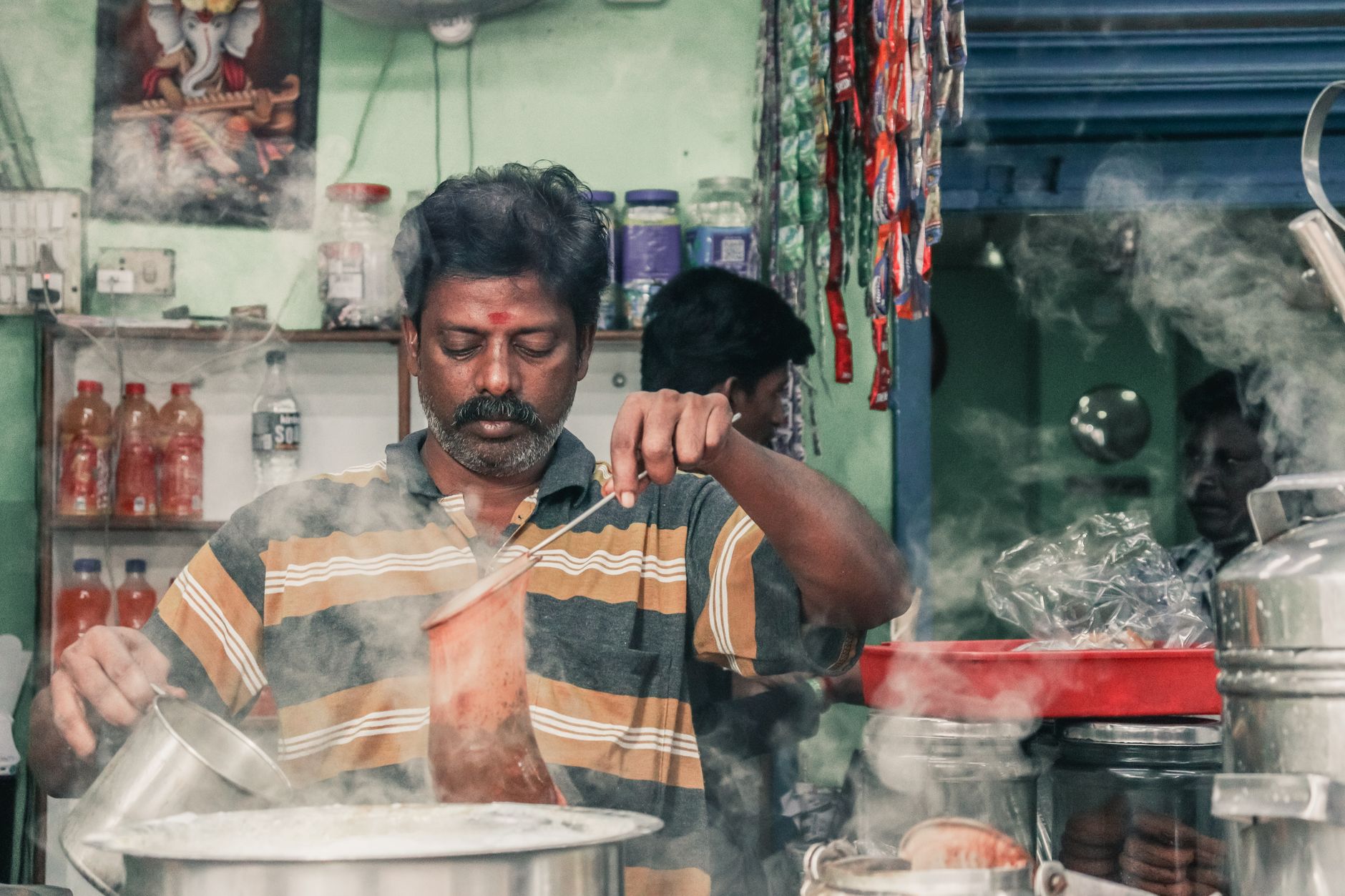
Chai tea, with its aromatic spices and rich flavors, is a beloved drink around the world. Originating from India, this spiced tea is traditionally made by combining black tea with a blend of spices, milk, and sugar. The warm, comforting nature of chai makes it an ideal beverage for any time of the day.
In this guide, we will walk you through the essentials of making chai tea at home. We will explore the ingredients, methods, and helpful tips to create the perfect cup, regardless of whether you prefer a traditional approach or a modern twist.
How Is Chai Tea Made?
Chai tea is made by brewing black tea leaves with a variety of spices, sweeteners, and often milk. The core components include black tea, spices like cardamom, ginger, and cloves, and the sweetener of your choice. The combination is simmered together to extract the flavors, resulting in a rich and flavorful beverage.
Key Ingredients in Chai Tea
The beauty of chai tea lies in its versatility. While traditional recipes may vary, there are several key ingredients that are commonly used. Below is a list of essentials needed to create chai tea.
- Black Tea: Assam or Darjeeling are popular choices for their robust flavors.
- Spices: Common spices include cardamom pods, ginger, cinnamon, cloves, and black pepper.
- Milk: Whole milk, almond milk, or oat milk can be used, depending on your taste preference.
- Sweetener: Sugar, honey, or agave syrup can enhance the flavor of your chai.
- Water: Fresh water is essential for brewing the tea.
Essential Equipment for Making Chai Tea
Before you start, gather the following equipment to make the process smooth and enjoyable.
- Teapot or saucepan
- Strainer or sieve
- Measuring cups and spoons
- Stirring spoon
Step-by-Step Guide to Making Chai Tea
Follow the steps below to create a delightful cup of chai tea.
- Gather Your Ingredients: Measure out 4 cups of water and 2 tablespoons of loose black tea or 4 tea bags. Prepare the spices, typically 4-5 whole green cardamom pods, 1 small piece of fresh ginger (sliced), and additional spices if desired.
- Boil the Water: Pour the water into a teapot or saucepan and bring it to a rolling boil over medium heat.
- Add the Spices: Once the water is boiling, add the cardamom pods and ginger slices. Allow the mixture to simmer for about 5 minutes to extract the spice flavors.
- Add the Tea: Add the black tea leaves or tea bags to the boiling water. If you are using loose tea, consider placing it in a tea infuser for easy straining later.
- Simmer: Let the tea steep with the spices for an additional 4-5 minutes. The longer the steeping time, the stronger the flavor will be.
- Add Milk: Pour in 1-2 cups of milk (depending on preference) and bring the mixture back to a light simmer. Stir occasionally to avoid scorching the milk.
- Add Sweetener: Add sugar or your choice of sweetener to taste, usually around 2-4 teaspoons. Stir until dissolved.
- Strain and Serve: Using a fine mesh strainer, pour the chai into cups to remove the leaves and spices. Serve hot and enjoy!
Tips for Perfecting Your Chai Tea
Creating a perfect cup of chai tea can take a bit of experimentation and personal preference. Here are some tips to enhance your chai-making process:
- Spice Variations: Feel free to experiment with spices such as nutmeg, star anise, fennel seeds, or even a touch of vanilla. Each addition will uniquely enhance the flavor of your chai.
- Milk Options: If you are dairy-free, plant-based milks such as almond, soy, or oat milk can be excellent substitutes. Each will impart a different flavor and texture.
- Control the Strength: Adjust the steeping time based on how strong you like your tea. Longer steeping results in a stronger, more robust flavor.
- Sweetness: Taste your chai before serving to ensure it is sweet enough. Remember that some sweetness may become muted once the tea cools.
- Garnish: For added flavor, consider garnishing your chai with a dash of ground cinnamon or a few slices of fresh ginger.
Substitutions and Variations
Chai tea is known for its adaptability. Here are several substitutions and variations you might consider:
- Sweeteners: Maple syrup, stevia, or coconut sugar can be used in place of regular sugar.
- Tea Types: Earl Grey or herbal teas such as rooibos can be used for caffeine-free options.
- Non-Dairy Milks: The creaminess of coconut milk can add a tropical twist to your chai.
Common Mistakes When Making Chai Tea
To ensure you achieve the ideal cup of chai, be aware of these common pitfalls:
- Using Low-Quality Tea: Opt for high-quality loose-leaf tea or tea bags to enhance flavor.
- Over- or Under-Steeping: Pay attention to steeping times to avoid bitterness or weak flavor.
- Boiling Milk Too Vigorously: Milk can scorch if boiled too aggressively; keep it at a gentle simmer.
Serving Suggestions
Chai tea can be enjoyed in various settings, making it a versatile choice for any occasion:
- Snack Pairings: Consider pairing your chai with cookies, pastries, or savory snacks for a delightful afternoon treat.
- Chai Latte: For a creamy, café-style drink, froth the milk before adding it to your chai for a chai latte experience.
- Cultural Gatherings: Chai is traditionally offered to guests as a sign of hospitality in many cultures, making it a perfect choice for gatherings.
Make-Ahead Guidance
If you want to prepare chai tea in advance, consider the following tips:
- Batch Brewing: You can easily brew chai in larger quantities. Simply scale your ingredients and follow the same methods.
- Storage: Store brewed chai in the refrigerator for up to three days. Reheat gently on the stove or in the microwave.
- Separation: If using dairy milk, remember that it may separate when stored. Stir well before serving.
How to Store Leftover Chai Tea
Storing leftover chai tea is simple, but proper techniques will help maintain its flavor:
- Cool Down: Allow any leftover chai to cool to room temperature before refrigerating it.
- Use Airtight Containers: Store chai in an airtight container to prevent absorption of odors from the refrigerator.
- Heat Gently: When reheating, do so over low to medium heat to avoid burning the milk.
Chai tea is a flavorful and comforting beverage that can easily be tailored to your taste preferences. Whether you enjoy a traditional recipe or choose to innovate with spices, milk, and sweeteners, the process is accessible and rewarding.
There’s something inviting about the aromas wafting through the kitchen while preparing chai tea. So go ahead, gather your ingredients, and make a delicious cup of chai to warm your soul.
For those interested in additional recipes, consider exploring our homemade chai tea recipe or learn how to make a chai tea latte inspired by Starbucks.