
Coffee beans are the seeds of the Coffea plant, and their journey from farm to cup is both fascinating and complex. Understanding how coffee beans are made offers insight into the nuances of flavor, quality, and sustainability in your daily brew.
This article will guide you through the step-by-step process of coffee bean production, from cultivation through roasting, providing essential knowledge for coffee enthusiasts and casual drinkers alike.
How Are Coffee Beans Made?
Coffee beans are grown from coffee plants, harvested, processed, dried, and roasted to produce the aromatic beans we use to brew coffee. Each step in this process plays a critical role in determining the flavor and quality of the final product.
The Growing Process
The journey of a coffee bean begins on a coffee farm, where the Coffea plant is cultivated. Let’s delve into how coffee is grown.
Coffee Plant Varieties
There are over 100 species of the Coffea plant, but the two most commonly cultivated are Coffea arabica and Coffea canephora (commonly known as Robusta).
- Coffea arabica: This variety accounts for about 60-70% of global coffee production. It tends to have a sweeter, more complex flavor profile and is usually grown at higher altitudes.
- Coffea canephora (Robusta): Known for its stronger, more bitter taste, Robusta is hardier and can grow at lower altitudes. It’s often used in espresso blends and instant coffee.
Planting and Cultivation
Coffee plants thrive in specific climates, typically in regions found between the Tropics of Cancer and Capricorn. Here’s how coffee is cultivated:
- Soil Preparation: The soil needs to be rich in organic material to support healthy coffee plants. Farmers often use compost or a mulch cover to maintain soil fertility.
- Seedlings: Coffee seeds are germinated in nurseries for several months before being transplanted into the field.
- Spacing: Young plants are spaced adequately to ensure they receive proper sunlight and airflow, typically 5 to 8 feet apart.
- Cultivation Practices: Farmers manage weeds and pests through organic or chemical methodologies, careful irrigation, and shade management.
Flowering and Fruit Development
After a couple of years, coffee plants blossom with white flowers that have a sweet aroma. These flowers turn into coffee cherries, which typically take about 6-8 months to mature. Once the cherries ripen, they transform from green to a bright red, indicating they are ready for harvest.
Harvesting Coffee Cherries
Harvesting is a crucial stage in coffee production as it affects the flavor profile of the beans.
Methods of Harvesting
There are two primary methods of harvesting coffee cherries:
- Selective Picking: Farmers handpick only the ripe cherries, which ensures better quality. This method is labor-intensive and often used for high-quality Arabica.
- Strip Picking: All cherries are stripped from the branch, regardless of ripeness. This is a quicker method primarily used for Robusta coffee, where quality is not as highly prioritized.
Timing and Challenges
Harvesting occurs once or twice a year depending on the region. Factors like climate, altitude, and variety influence timing. Farmers must contend with weather conditions and pests during the harvest season.
Processing Coffee Cherries
After harvesting, coffee cherries must be processed to extract the coffee beans. This step can significantly impact flavor.
Processing Methods
There are several processing methods:
- Wet Processing: Cherries are de-pulped, fermented, and washed to remove the mucilage. This method tends to produce a cleaner, brighter flavor.
- Dry Processing: Cherries are spread out in the sun until fully dry. This method often leads to a fruitier flavor due to the extended contact between the beans and the fruit.
- Honey Processing: A hybrid of the two methods, this involves removing some of the pulp but leaving some mucilage on the bean. This process brings out sweet and fruity flavors.
Drying Coffee Beans
Once processed, coffee beans need to be dried to reduce moisture content and prevent spoilage.
Types of Drying
Dried beans can be achieved through various methods:
- Sun Drying: Beans are laid out on drying beds or patios and exposed to the sun. It’s cost-effective but requires careful monitoring to avoid mold growth.
- Machine Drying: Involves using mechanical dryers, allowing for precise control over moisture levels. This method is faster but may lead to less flavor complexity.
Milling Coffee Beans
After drying, the beans undergo milling to remove any remaining parchment skin.
Milling Steps
- Hulling: Removal of the parchment skin, revealing green coffee beans.
- Polishing: Optional step where residues are removed to improve appearance.
- Grading and Sorting: Beans are classified based on size, weight, and quality.
Exporting Coffee Beans
Once milled, coffee beans are packed in bags and shipped to various countries for distribution. Understanding the market demand is crucial for farmers.
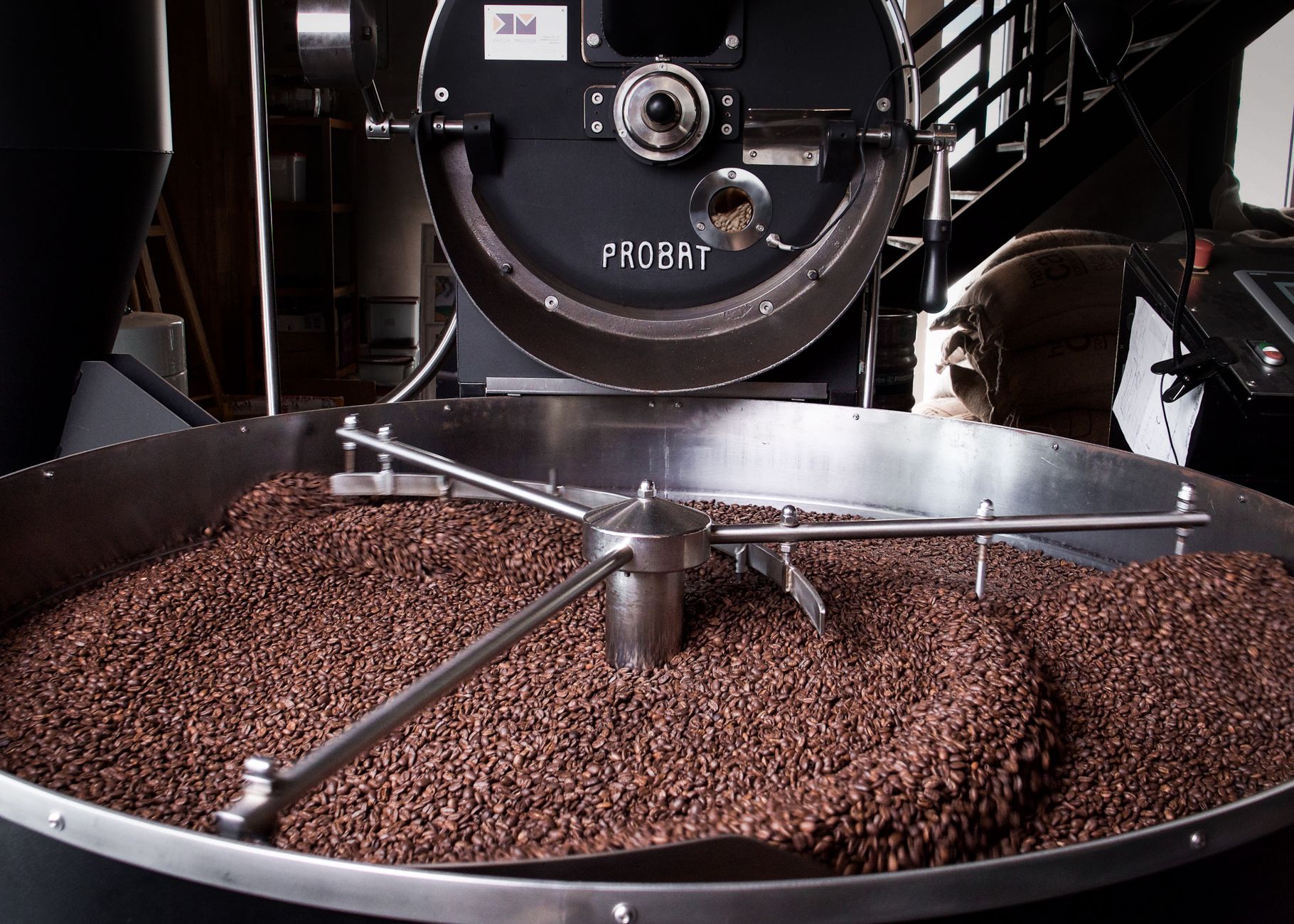
Roasting Coffee Beans
Roasting transforms green coffee beans into the aromatic dark beans we recognize, significantly altering their flavor, aroma, and color.
Roasting Process
Here’s how the roasting process works:
- Preheating: The roaster is preheated to a specific temperature.
- Roasting: Beans are added, and the heat causes a chemical reaction known as the Maillard reaction. This is where the flavor develops.
- Cooling: Once the desired roast level is achieved, beans are quickly cooled to stop the roasting process.
Roast Levels
Different roast levels affect flavor and aroma. The main categories include:
- Light Roast: Mild flavor with high acidity and fruity notes.
- Medium Roast: Balanced flavor with a bit of sweetness.
- Dark Roast: Bold, rich flavor with oils on the surface and low acidity.
Brewing Coffee
Once roasted, coffee beans are ground and brewed to make the final cup. The method of brewing influences the taste of the coffee.
Brewing Methods
Common methods include:
- Drip Coffee: Hot water passes through ground coffee in a filter.
- Espresso: Short bursts of hot water are forced through finely-ground coffee.
- French Press: Coffee steeped in hot water, then separated with a plunger.
Grinding Coffee Beans
The grind size affects extraction during brewing. Finer grinds are suited for espresso, while coarser grinds work well for French press.
Impact of Sustainability in Coffee Production
Understanding how coffee beans are made includes recognizing the importance of sustainable practices in coffee farming.
Environmental Effects
Coffee farming can contribute to deforestation, soil degradation, and water pollution. Practices like shade-grown coffee and organic farming help mitigate these issues.
Fair Trade and Ethical Considerations
Purchasing fair trade coffee supports farmers receiving fair prices and enhances community development.
Summary
The journey of coffee beans from the plant to your cup involves numerous steps that significantly influence flavor and quality. From cultivating the plants to harvesting, processing, roasting, and brewing, each stage plays a crucial role in the final product. Understanding this process not only enhances your appreciation of coffee but also highlights the importance of sustainable and ethical practices within the industry.
For coffee enthusiasts looking to explore delicious coffee beverages, consider trying your hand at an iced coffee concentrate recipe or indulge in a brown sugar coffee recipe. Enjoy elevating your coffee experience!