
There’s something enchanting about the idea of crafting your own wine, especially when it involves the sweet, tart magic of blackberries. This Homemade Blackberry Wine Recipe not only captures the essence of summer but also allows you to indulge in the satisfaction of creating a delightful beverage from scratch. With its rich flavor and beautiful hue, this wine is a perfect companion for gatherings or cozy evenings at home.
Why You’ll Love This Recipe
This recipe is a delightful blend of simplicity and sophistication.
- Rich flavor that perfectly balances sweetness and tartness.
- Ideal for sharing with friends and family.
- Customizable to suit your taste preferences.
- Uses fresh or frozen blackberries, making it versatile.
- Provides a satisfying homemade experience.
My Experience Making This Recipe
When I first attempted this recipe, I was amazed at how easy it was to transform simple ingredients into a bottle of luscious wine. The aroma of bubbling blackberries filled my kitchen, making the experience feel like a cozy ritual.
After letting it ferment, I was excited to share my creation with friends during a small gathering. Their reactions were priceless, with compliments flowing as freely as the wine itself.
Recipe Overview
- Recipe Name: Homemade Blackberry Wine
- Servings: Approximately 4 bottles
- Prep Time: 30 minutes
- Cook Time: 2-4 weeks (fermentation)
- Total Time: 2-4 weeks plus bottling time
- Course: Beverage
- Cuisine: American
- Calories per Serving: 120
Equipment You Will Need
- Large pot
- Fermentation vessel (glass carboy or food-grade bucket)
- Airlock and stopper
- Strainer or cheesecloth
- Wine bottles and corks
- Hydrometer (optional for measuring sugar content)
Ingredients for Homemade Blackberry Wine
- 3 pounds fresh or frozen blackberries
- 2 cups granulated sugar
- 1 teaspoon lemon juice
- 1/2 teaspoon wine yeast
- 1 gallon water
Ingredient Notes and Substitutions
- Blackberries: They provide the main flavor. You can substitute with raspberries or blueberries for a different twist.
- Sugar: This is crucial for fermentation. Honey can be used as a natural sweetener, but it may change the flavor.
- Lemon juice: It adds acidity to balance the sweetness. If unavailable, white vinegar can be a substitute.
- Wine yeast: It ensures proper fermentation. Bread yeast could work, but it may not produce the best flavor.
How to Make Homemade Blackberry Wine
Step 1: Prepare the Blackberries
Start by washing the blackberries thoroughly to remove any dirt or debris. This ensures a clean base for your wine.
Step 2: Mash the Blackberries
In a large pot, mash the blackberries using a potato masher or fork. This releases the juices, which are essential for fermentation.
Step 3: Combine Ingredients
Add the sugar and lemon juice to the mashed blackberries. Stir until the sugar is fully dissolved, creating a sweet mixture.
Step 4: Add Water
Pour in the gallon of water and mix everything thoroughly. This dilutes the mixture to the right consistency for fermentation.
Step 5: Transfer to Fermentation Vessel
Carefully pour the mixture into a sterilized fermentation vessel. Ensure there is enough space for bubbling during fermentation.
Step 6: Add Wine Yeast
Sprinkle the wine yeast over the mixture. This tiny addition is what transforms your sugary blackberry juice into wine.
Step 7: Seal and Store
Seal the fermentation vessel with an airlock. Store it in a dark, cool place, ideally at a temperature between 65-75°F.
Step 8: Wait for Fermentation
Let the mixture ferment for about 2-4 weeks. Check periodically for bubbling, which indicates fermentation is happening.
Pro Tip: Patience is key during fermentation; resist the urge to rush the process for the best flavor.
Tips for the Best Homemade Blackberry Wine
- Use ripe blackberries for optimal flavor; overripe or slightly bruised ones add depth.
- Maintain a consistent temperature during fermentation to avoid off-flavors.
- Consider tasting the mixture after a week to gauge sweetness; adjust sugar if needed.
- Sanitize all equipment thoroughly to prevent unwanted bacteria from ruining your wine.
- Label your bottles with the date for easy reference later on.
Common Mistakes to Avoid
- Skipping sanitation can lead to spoilage. Always sanitize your equipment.
- Fermenting in direct sunlight may cause overheating. Choose a dark storage spot.
- Not allowing enough fermentation time can result in a sweet, flat wine. Be patient!
- Using unripe blackberries can lead to sour flavors. Stick with fully ripe fruit.
Serving Suggestions
This wine pairs wonderfully with a variety of foods and occasions.
- Cheese platters with sharp cheddar and brie.
- Grilled meats for a summer BBQ.
- Chocolate desserts for a decadent finish.
- Fresh fruit salads to elevate a picnic.
Variations to Try
- Add spices like cinnamon or cloves for a warm flavor profile.
- Mix blackberries with other fruits like peaches for a unique blend.
- Infuse with herbs like mint or basil for a refreshing twist.
- Experiment with different types of sugar, such as brown sugar for a richer taste.
Dietary Adaptations
- Gluten-free: This recipe is naturally gluten-free, making it suitable for everyone.
- Dairy-free: No dairy is included, so it’s perfect for those avoiding dairy.
- Vegan/Vegetarian: All ingredients are plant-based, making it suitable for vegans.
- Low-carb/Keto: Use fewer sugars to align it with low-carb diets, but sweetness will be affected.
Storage and Reheating
Refrigerator
Once bottled, store your wine in a cool, dark space or refrigerator.
- Keep bottles upright to prevent corks from deteriorating.
- Consume within a year for best flavor.
Freezer
It’s not recommended to freeze wine as it changes texture and flavor.
- Instead, store in a cool cellar or fridge.
Reheating
Wine is typically enjoyed chilled or at room temperature. Reheating is not advised.
- Enjoy chilled with ice or at room temperature for the best experience.
Nutrition Information
| Nutrient | Amount |
|---|---|
| Calories | 120 |
| Total Fat | 0g |
| Saturated Fat | 0g |
| Carbohydrates | 30g |
| Fiber | 2g |
| Sugar | 28g |
| Protein | 1g |
| Sodium | 0mg |
| Cholesterol | 0mg |
This is an estimate, and actual values may vary based on specific ingredients used.
Frequently Asked Questions
Can I use other fruits for this recipe?
Absolutely! You can substitute with other berries or fruits for different flavor profiles.
How long should I let the wine ferment?
Fermentation typically lasts 2-4 weeks, but you can taste and adjust as needed.
How should I store my homemade wine?
Store your wine in a cool, dark place, ideally in a bottle upright to protect the cork.
What should I do if my wine is too sweet?
If it’s too sweet, consider adding more acidity, like lemon juice, in your next batch.
Is it possible to make this wine without yeast?
While you can ferment without yeast, it may result in less reliable fermentation and flavor.
Final Thoughts
Crafting your own Homemade Blackberry Wine is not just a recipe; it’s an experience that brings joy and satisfaction. With a little patience, you will create something truly special to share with loved ones.
So why not give it a try? Your taste buds will thank you, and you’ll have a delightful story to tell. For more inspiration, check out this homemade wine recipe or explore a detailed blackberry wine recipe for variations and tips.
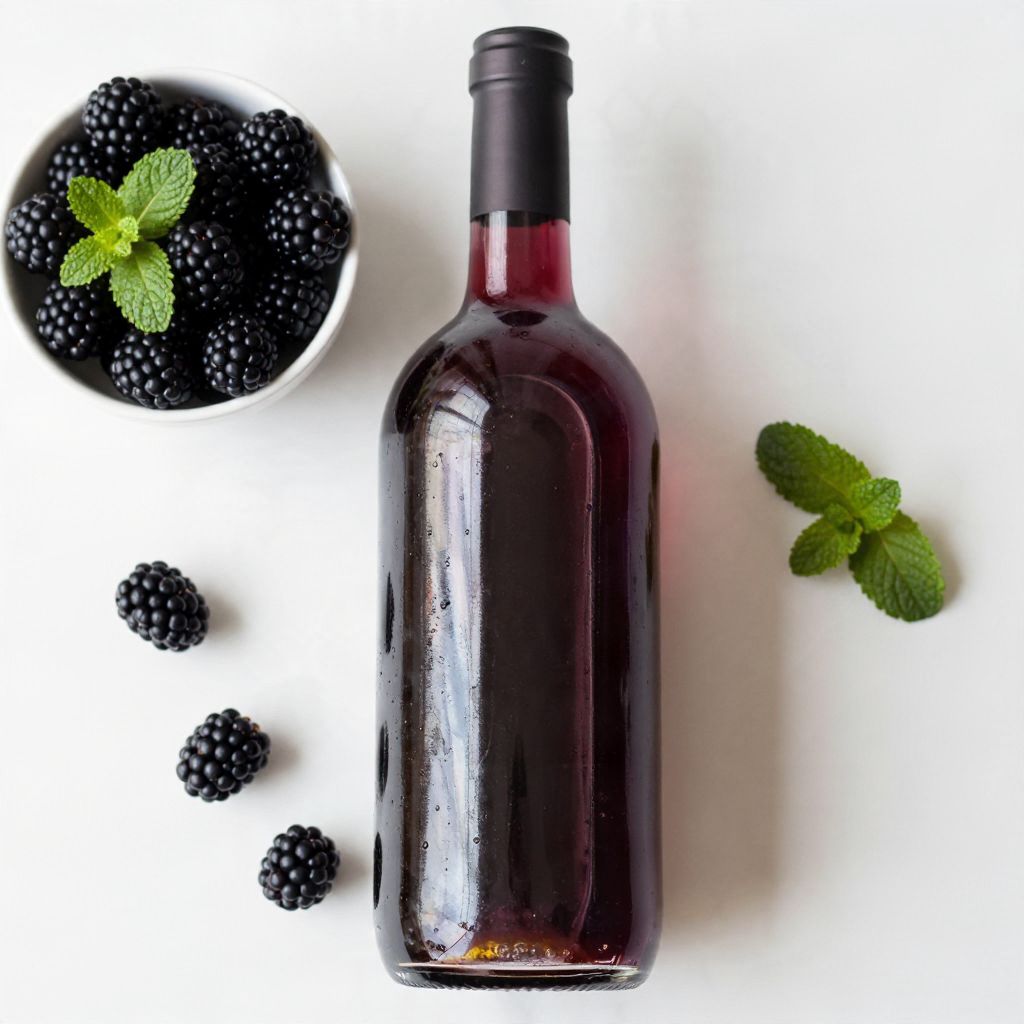
Homemade Blackberry Wine
Ingredients
Equipment
Method
- Wash the blackberries thoroughly to remove any dirt or debris.
- Mash the blackberries using a potato masher or fork in a large pot.
- Add the sugar and lemon juice to the mashed blackberries and stir until the sugar is fully dissolved.
- Pour in the gallon of water and mix everything thoroughly.
- Carefully pour the mixture into a sterilized fermentation vessel, leaving space for bubbling.
- Sprinkle the wine yeast over the mixture.
- Seal the fermentation vessel with an airlock and store it in a dark, cool place.
- Let the mixture ferment for about 2-4 weeks.