
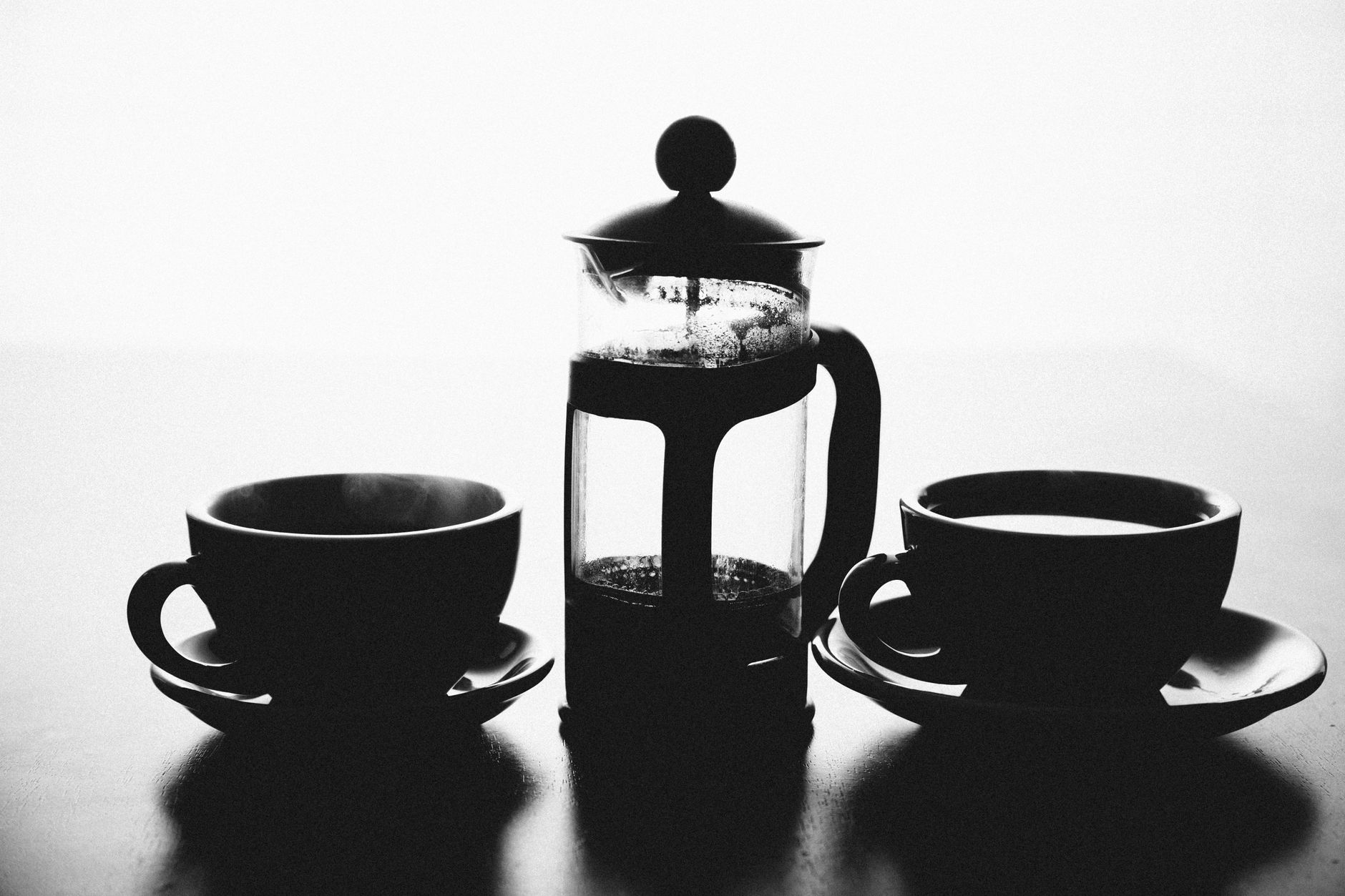
The French press, known for its simplicity and ability to brew rich, full-bodied coffee, has gained popularity among coffee enthusiasts for its straightforward mechanism. Understanding how it works not only helps you appreciate the brewing process but also allows you to make the most of your coffee experience.
In this article, we will explore the mechanics behind the French press, how to use it effectively, troubleshooting tips, and variations to enhance your coffee-making skills. By mastering this art, you can enjoy a consistently delicious cup of coffee at home.
What is a French Press and How Does It Work?
A French press, also known as a press pot or plunger pot, is a simple coffee brewing device consisting of three primary components: a cylindrical glass or stainless-steel container, a plunger with a mesh filter, and a lid. The mechanism utilizes immersion brewing, where coffee grounds steep directly in hot water before being separated by pressing down the plunger.
The key functions of the French press include:
- Steeping coffee grounds in hot water.
- Separating brewed coffee from the grounds using a plunger.
Components of a French Press
Understanding the components of a French press can enhance your brewing experience. Here are the essential parts:
- Cylinder: The main body where water and coffee grounds are combined. It can be made of glass or stainless steel.
- Plunger: A metal or plastic rod fitted with a mesh filter that is pushed down to separate brewed coffee from grounds.
- Filter: Usually a fine mesh screen that prevents coffee grounds from escaping into the brewed coffee.
- Lid: Helps retain heat during steeping and has an opening for pouring.
How to Brew Coffee with a French Press
Brewing coffee with a French press is a straightforward process. Follow these steps for a satisfying cup of coffee:
- Gather Your Ingredients and Equipment: You will need coarsely ground coffee beans, hot water, a French press, a spoon, and a coffee scale (optional).
- Measure Your Coffee: A common ratio is 1:15 for coffee to water. For example, use 30 grams of coffee for 450 milliliters of water. Adjust to your taste.
- Heat the Water: Bring water to a temperature of about 200°F (93°C). This is just below boiling to avoid burning the grounds.
- Add Coffee Grounds: Place the coffee grounds in the bottom of the French press.
- Pour Water: Slowly pour hot water over the coffee grounds, ensuring all grounds are saturated.
- Stir Gently: Use a spoon to stir the mixture gently to help extract flavor.
- Place the Lid: Position the lid on the French press to retain heat, but do not press down yet.
- Steep: Let the coffee steep for about 4 minutes. You can adjust the steeping time to alter flavor strength.
- Press Down the Plunger: Slowly push down the plunger to separate the grounds from the brewed coffee.
- Pour and Enjoy: Serve the coffee immediately to prevent over-extraction, which can make it bitter.
Tips for Brewing Great Coffee
To ensure the best flavor and aroma from your French press, consider the following tips:
- Use Fresh Beans: For optimal flavor, use freshly roasted and ground coffee beans.
- Grind Size Matters: Coarse grounds are crucial to prevent sludge and bitterness. A burr grinder is ideal for consistent results.
- Use Filtered Water: The quality of water can significantly affect taste. Use filtered water free from impurities.
- Experiment with Brew Times: Taste your coffee at different steeping intervals (3-5 minutes) to find your preferred strength.
- Keep It Clean: Regularly clean your French press to prevent coffee oils from tarnishing future brews.
Common Mistakes and Troubleshooting
Even experienced coffee makers can face challenges. Here are some common mistakes and solutions:
- Bitterness: May result from over-steeping or using too fine a grind. Adjust steep time or grind size.
- Weak Coffee: Can happen if there’s not enough coffee or too short a steeping time. Increase coffee quantity or steep longer.
- Sludge in Coffee: Caused by using a fine grind. Coarser grounds reduce sediment in the cup.
- Temperature Issues: If the water is too hot, it can burn the coffee; too cool can under-extract. Aim for 200°F.
Variations on French Press Coffee
The versatility of the French press allows for variations to suit your taste preferences. Here are a few ideas:
French Press Cold Brew
Cold brew coffee is made using the French press by steeping coarsely ground coffee in cold water for 12-24 hours. This method results in less acidity and a smoother flavor:
- Mix coarsely ground coffee and cold water at a 1:4 ratio in the French press.
- Stir gently and cover, then let it steep in the fridge for 12-24 hours.
- After steeping, press down the plunger to separate the grounds.
- Dilute with water or milk to your desired strength before serving.
Flavored Coffee
Add spices or flavorings to your coffee grounds before steeping for a unique taste:
- Spices: Cinnamon, vanilla beans, or cardamom can enhance your brew. Experiment with different combinations.
- Cocoa: Add unsweetened cocoa powder to create a mocha flavor profile.
Foamy Milk Toppings
Use your French press to froth milk for a café-style coffee experience:
- Heat milk and pour it into a clean French press.
- Insert the lid and pump the plunger vigorously until frothy.
- Pour frothed milk over your brewed coffee for a creamy finish.
Frequently Asked Questions
Here are some common queries about the French press:
What coffee grind size is best for French press?
Coarse grind is ideal for French press coffee. Fine grounds can cause over-extraction and bitterness, resulting in a muddy cup.
How long should I steep coffee in a French press?
A steeping time of 4 minutes is generally recommended. You can adjust this based on your taste preference, but try to avoid exceeding 5 minutes to prevent bitterness.
Can I use tea in a French press?
Yes, you can use a French press to brew tea. Use loose-leaf tea and steep it for the appropriate time, which varies between different tea types.
Cleaning and Maintenance
Proper maintenance of your French press will improve its longevity and keep your coffee tasting great. Follow these simple steps:
- Disassemble: Remove the plunger and filter from the cylinder after use.
- Rinse Immediately: Rinse all parts with warm water to prevent coffee oils from sticking.
- Soak When Necessary: Occasionally soak the French press in warm soapy water for a thorough clean, especially if residues build up.
- Dry Completely: Ensure all parts are dry before reassembling to prevent corrosion.
Conclusion
The French press is an excellent tool for brewing rich, flavorful coffee at home. Understanding how it works empowers you to experiment and perfect your coffee-making skills.
Start brewing with these guidelines in mind, and soon you will enjoy a delightful cup each time. For a different coffee experience, check out the French Press Cold Brew Recipe for a refreshing twist on your favorite beverage.