
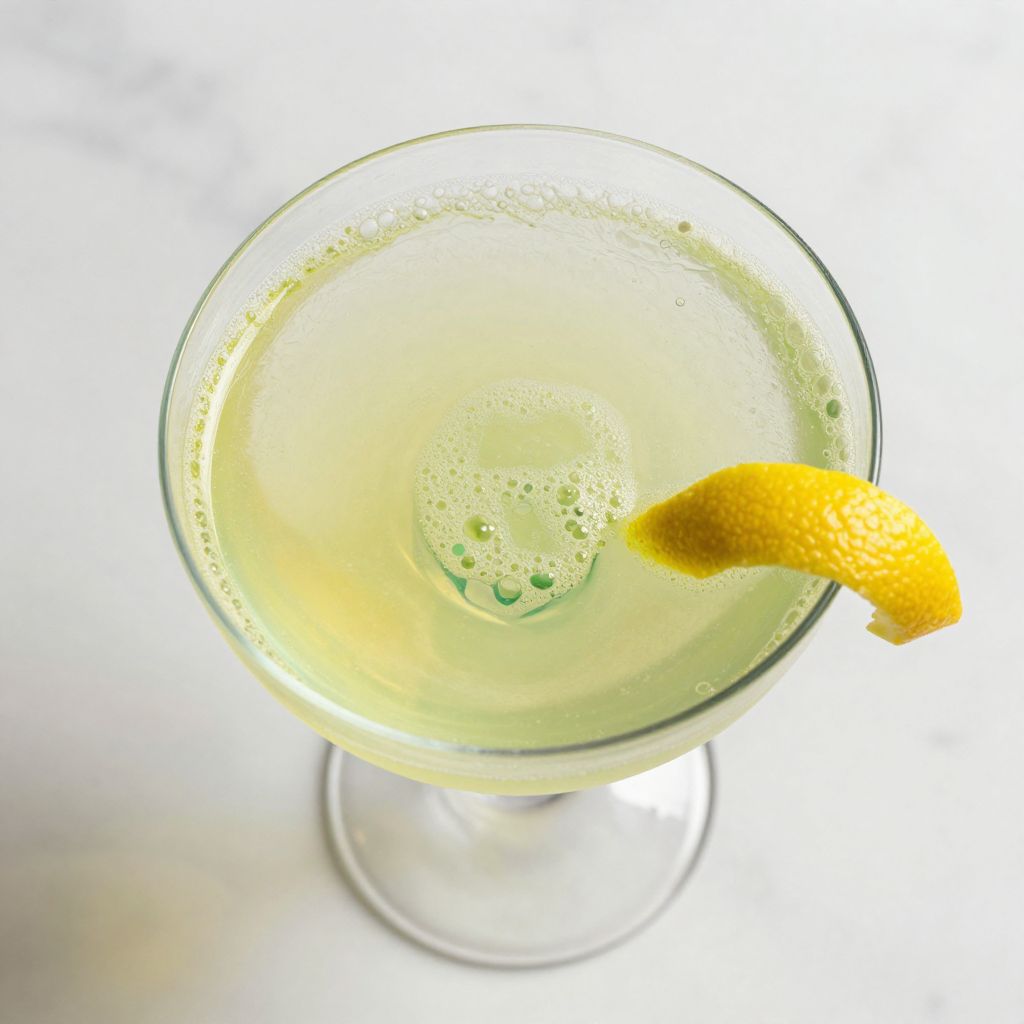
There’s something about the golden glow of a Fitzgerald cocktail catching the light that makes you pause mid-sip and appreciate the moment. This elegant gin-based drink combines the bright citrus of lemon juice, the herbal complexity of chartreuse, and a touch of sweetness that balances everything into pure sophistication.
The Fitzgerald deserves a spot in your home bar rotation because it’s approachable yet impressive, built on a foundation of quality ingredients that actually shine through. It’s the kind of drink that tastes like a bartender made it, even when you’re the one holding the shaker.
Why You’ll Love This Recipe
This cocktail hits all the right notes: refreshing, herbaceous, and perfectly balanced without being overly sweet or sour. It’s simple enough to make regularly but interesting enough to serve at gatherings without apology.
- Complex flavor profile that improves with each sip as the ingredients marry together
- Uses only five ingredients, making it budget-friendly and easy to remember
- Works equally well as an aperitif or after-dinner drink depending on your mood
- The pale green chartreuse adds visual interest and herbal intrigue
- Scales up easily for batch cocktails at parties or stays intimate for solo enjoyment
My Experience Making This Recipe
I first made a Fitzgerald on a quiet Tuesday evening when I wanted something more interesting than my usual gin and tonic. The combination of fresh lemon juice with that unexpected chartreuse hit me like a revelation, and I’ve been making them ever since.
My friends’ reactions ranged from curiosity to genuine surprise at how well-balanced it tasted. The pale yellow-green color alone gets compliments before anyone even tastes it, and the herbaceous aroma from the chartreuse opens up conversations about what makes a great cocktail.
What I appreciate most is how forgiving this drink is; small variations in your pour don’t throw the whole thing off balance. It’s a confidence builder for home bartenders who worry about precision, yet it rewards careful measurement with noticeably better results.
Recipe Overview
- Recipe Name: Fitzgerald Cocktail
- Servings: 1
- Prep Time: 2 minutes
- Cook Time: 0 minutes
- Total Time: 2 minutes
- Course: Cocktail
- Cuisine: Classic/American
- Calories per Serving: 165
Equipment You Will Need
- Cocktail shaker (Boston shaker preferred)
- Jigger for measuring
- Strainer or Hawthorne strainer
- Bar spoon
- Cocktail glass or coupe glass
- Citrus juicer or handheld reamer
- Cutting board and knife for lemon twist
Ingredients for Fitzgerald Cocktail
- 2 ounces gin (London Dry style works best)
- 0.75 ounces fresh lemon juice
- 0.5 ounces green chartreuse
- 0.5 ounces simple syrup
- 2 dashes Angostura bitters
- Ice for shaking
- Lemon twist for garnish
Ingredient Notes and Substitutions
- Gin: The backbone of this drink; it needs to be quality since it’s the dominant spirit. A dry gin with botanical complexity works best, though Plymouth gin offers a slightly softer option if you prefer less juniper intensity.
- Fresh lemon juice: Non-negotiable for proper balance; bottled juice creates a dull, flat-tasting drink. If lemons aren’t available, you can substitute with half lemon and half lime juice, though the flavor leans brighter and less refined.
- Green chartreuse: The herbal heart of this cocktail with notes of honey and spice. Yellow chartreuse works as a substitute but tastes noticeably sweeter, changing the drink’s character; you might reduce it to 0.25 ounces to compensate.
- Simple syrup: A 1:1 ratio of sugar to water balances the citrus and bitter elements. Honey syrup creates a richer version, though you’ll want to reduce the amount to 0.375 ounces since honey is sweeter than sugar.
- Angostura bitters: Adds depth and spice that ties the whole drink together. Omitting them leaves the drink feeling slightly flat, though it remains drinkable.
How to Make Fitzgerald Cocktail
Step 1: Prepare Your Workspace
Grab your cocktail glass and fill it with ice to chill while you build the drink. Cold glassware makes a noticeable difference in how the cocktail feels in your mouth and how long it stays cold.
Step 2: Juice Your Lemon
Cut a fresh lemon in half and juice it using a citrus juicer or reamer, aiming for 0.75 ounces. Fresh juice oxidizes and loses brightness within a couple of hours, so squeeze it right before making your drink.
Step 3: Add Gin to Your Shaker
Fill your cocktail shaker with ice, then pour in 2 ounces of gin using your jigger for accurate measurement. Quality gin shows its character in this drink, so avoid using bottom-shelf options.
Step 4: Pour in the Lemon Juice
Add the freshly squeezed 0.75 ounces of lemon juice directly into the shaker with the gin. The acidity will cut through the spirit’s botanicals and keep the drink from tasting one-dimensional.
Step 5: Add the Green Chartreuse
Measure out 0.5 ounces of green chartreuse and pour it into the shaker. This herbal liqueur is where the magic happens, providing complexity that simple ingredients alone cannot achieve.
Step 6: Add Simple Syrup and Bitters
Pour 0.5 ounces of simple syrup into the shaker followed by 2 dashes of Angostura bitters. The bitters act as a flavor bridge, bringing all the components into unified harmony.
Step 7: Shake Vigorously
Close your shaker and shake hard for 10 to 15 seconds until the outside becomes frosty and cold. Vigorous shaking aerates the ingredients and properly chills the drink without over-diluting it.
Step 8: Empty the Ice from Your Glass and Strain
Discard the melted ice from your chilled glass and strain the cocktail into it using your Hawthorne strainer. Proper straining prevents ice shards from ending up in your final drink.
Step 9: Garnish with a Lemon Twist
Cut a thin strip of lemon peel and express the oils over the drink’s surface by twisting it, then drop it in or rest it on the rim. The citrus oils add a final aromatic note that rounds out the entire experience.
Pro Tip: Always use freshly squeezed lemon juice and never skip the ice in your shaker; these two elements separate a mediocre Fitzgerald from a genuinely excellent one.
Tips for the Best Fitzgerald Cocktail
- Pre-chill your glass by filling it with ice while you gather ingredients; a cold glass keeps your drink cold longer and prevents dilution from warmth transfer.
- Use a 1:1 simple syrup rather than richer syrups, which can overpower the delicate balance of this drink’s herbaceous profile.
- Measure everything with a jigger instead of free-pouring; this drink’s appeal depends on proportional balance, and eyeballing amounts throws off the entire flavor equation.
- Shake for the full 10 to 15 seconds even if you think it’s cold enough; proper dilution from melted ice is what makes the drink smooth rather than harsh.
- Keep your gin and chartreuse in the freezer if you live somewhere warm; starting with cold ingredients means less ice melt and better final texture.
- Use filtered or bottled water for your simple syrup if your tap water tastes heavily chlorinated; bad water makes bad syrup, which compromises the entire drink.
Common Mistakes to Avoid
- Using bottled lemon juice instead of fresh creates a dull, flat-tasting drink that tastes more like lemonade than a sophisticated cocktail, so never take this shortcut.
- Over-shaking or under-shaking changes the dilution ratio and either makes the drink watery or too strong and astringent; aim for that 10 to 15 second sweet spot.
- Skipping the bitters might seem fine, but those two dashes provide crucial depth that ties all the flavors together and prevents the drink from tasting incomplete.
- Pouring warm ingredients from room-temperature bottles means your drink warms up fast even with fresh ice; cold bottles and pre-chilled glasses are non-negotiable.
- Using low-quality gin defeats the purpose of this drink’s simplicity; a cheap spirit’s harsh edges become obvious when it’s the drink’s foundation rather than masked in a longer drink.
Serving Suggestions
The Fitzgerald works beautifully as an aperitif before dinner when you want something refreshing and herbaceous, or as an after-dinner drink when you want elegance without heavy sweetness. Pair it with light appetizers or serve it solo to appreciate its complexity.
- Serve before a seafood dinner; the citrus and herbal notes complement fish and shellfish beautifully
- Pair with cheese and charcuterie where the drink’s acidity cuts through rich, salty flavors
- Enjoy as an afternoon aperitif with a simple salad for a light, refreshing meal companion
- Serve at brunch with light pastries and fruit; the botanical elements pair surprisingly well with sweet breakfast items
- Offer as a pre-dinner cocktail at dinner parties where you want to impress without something overly strong
Variations to Try
- The Smoky Fitzgerald: Add 0.25 ounces of Islay Scotch on top after straining for a whisky-forward version with smoky depth, though this changes the drink’s character significantly and appeals to Scotch lovers.
- The Yellow Fitzgerald: Swap green chartreuse for yellow chartreuse for a sweeter, less herbaceous version that feels more summery and approachable to those intimidated by green’s intensity.
- The Herbal Fitzgerald: Add 2 or 3 fresh mint leaves muddled gently in the shaker for a more refreshing, garden-like quality that works especially well in warm weather.
- The Honey Fitzgerald: Replace simple syrup with 0.375 ounces of honey syrup for a richer mouthfeel and deeper sweetness that softens the gin’s botanical bite.
- The Lazy Fitzgerald: Build the drink directly in the glass with ice instead of shaking, though this creates a less integrated flavor profile since the ingredients don’t meld as completely.
Dietary Adaptations
- Gluten-free: Most gin and chartreuse are naturally gluten-free, but verify your specific bottles since some smaller distillers use grain-based spirits; the trade-off is minimal since you’re just confirming ingredient sourcing.
- Dairy-free: This cocktail contains no dairy, making it suitable for anyone avoiding dairy products without any modifications needed.
- Vegan: The Fitzgerald is entirely vegan since gin, chartreuse, bitters, and lemon juice contain no animal products; no substitutions necessary.
- Low-sugar: The 0.5 ounces of simple syrup already keeps sugar content relatively low, but you could substitute with sugar-free simple syrup made with erythritol for a minimal-sugar version.
Storage and Reheating
Refrigerator
While you can make a batch of Fitzgerald cocktails in advance, they lose their quality quickly once the drink sits chilled without the protective layer of fresh ice.
- Pre-mixed batches stay acceptable for up to 2 hours in the refrigerator before the ingredients separate
- Store ingredients separately and mix individual drinks to order for best results
- Keep chartreuse, gin, and bitters in the refrigerator for faster mixing and better final texture
Freezer
Freezing individual cocktails in advance doesn’t work well since the frozen drink becomes too thick and dilutes unpredictably as it thaws.
- Pre-chill your glasses in the freezer for up to 30 minutes before serving for optimal temperature control
- Store bottles of gin and chartreuse in the freezer permanently if you make these drinks regularly
Reheating
This is a chilled cocktail served cold, so reheating doesn’t apply; instead, focus on making fresh drinks to order for the best experience.
- Always shake fresh ingredients with new ice immediately before serving
- Never attempt to reheat a Fitzgerald or any mixed cocktail, as this destroys the drink’s texture and temperature
Nutrition Information
| Nutrient | Amount |
|---|---|
| Calories | 165 |
| Total Fat | 0g |
| Saturated Fat | 0g |
| Carbohydrates | 7g |
| Fiber | 0g |
| Sugar | 6g |
| Protein | 0g |
| Sodium | 5mg |
| Cholesterol | 0mg |
Nutritional values are approximate and based on standard ingredients without variations or substitutions; actual nutritional content may vary based on specific brands and preparation methods used.
Frequently Asked Questions
Can I make a Fitzgerald without chartreuse?
Chartreuse is the signature ingredient that gives this drink its herbaceous character, so replacing it changes the entire cocktail. You could substitute green Benedictine for a similar herbal quality, though the flavor profile shifts noticeably.
How far in advance can I prep ingredients for a Fitzgerald?
You can juice your lemon and measure your simple syrup hours ahead, but gin and chartreuse should stay in the freezer until you shake them. Ingredients lose their chilled temperature sitting at room temperature, affecting the final drink’s quality.
What’s the difference between a Fitzgerald and a Daiquiri?
Both are citrus-forward cocktails, but a Daiquiri uses rum with fresh lime juice and simple syrup, while a Fitzgerald uses gin with lemon juice, chartreuse, and bitters. The Fitzgerald is more herbaceous and complex, while a Daiquiri emphasizes clean citrus and spirit flavor.
Why does my Fitzgerald taste harsh or astringent?
Harsh flavors usually come from under-shaking, which means insufficient dilution and integration of ingredients. Make sure you’re shaking vigorously for the full 10 to 15 seconds until your shaker gets frosty on the outside.
Can I substitute regular gin for a specific type?
Any London Dry gin works well as long as it’s quality; avoid flavored gins or overly juniper-forward options that overpower the chartreuse and lemon. Plymouth gin offers a slightly softer, less botanical option if you prefer a rounder flavor profile.
Is green chartreuse essential, or can I use another liqueur?
Green chartreuse’s specific herbal complexity is what makes this drink special; substitutes like Benedictine, Drambuie, or herbal liqueurs create different drinks entirely. If you can’t find chartreuse, you might try building a completely different cocktail rather than forcing a substitution.
Final Thoughts
The Fitzgerald deserves a regular spot in your home bar because it’s simple enough to master yet interesting enough to keep you coming back. Once you nail the technique, you can make this drink in under three minutes and impress anyone watching.
Pour one tonight and sit with it for a moment; let the herbal complexity and bright citrus do their work while you appreciate the quiet sophistication of a well-made cocktail. This is the kind of drink that makes you feel like a real bartender, even in your own home.
Explore More Cocktail Recipes
Now that you have mastered the Fitzgerald, explore other classic gin-based cocktails and whiskey drinks that expand your mixing skills.
Learn more about the Fitzgerald recipe and discover how it compares to the elegant whiskey sidecar recipe for your next home bar adventure.
Fitzgerald Cocktail
Ingredients
Equipment
Method
- Chill your cocktail glass by filling it with ice and set aside.
- Cut a fresh lemon in half and juice it to yield 0.75 ounces of lemon juice.
- Add 2 ounces of gin to a shaker filled with fresh ice.
- Pour in the 0.75 ounces of fresh lemon juice.
- Add 0.5 ounces of green Chartreuse to the shaker.
- Add 0.5 ounces of simple syrup and 2 dashes of Angostura bitters.
- Shake vigorously for 10 to 15 seconds until the shaker is frosty.
- Discard the ice from the chilled glass and strain the cocktail into it.
- Garnish with a lemon twist by expressing the oils over the drink and placing it on the rim.