
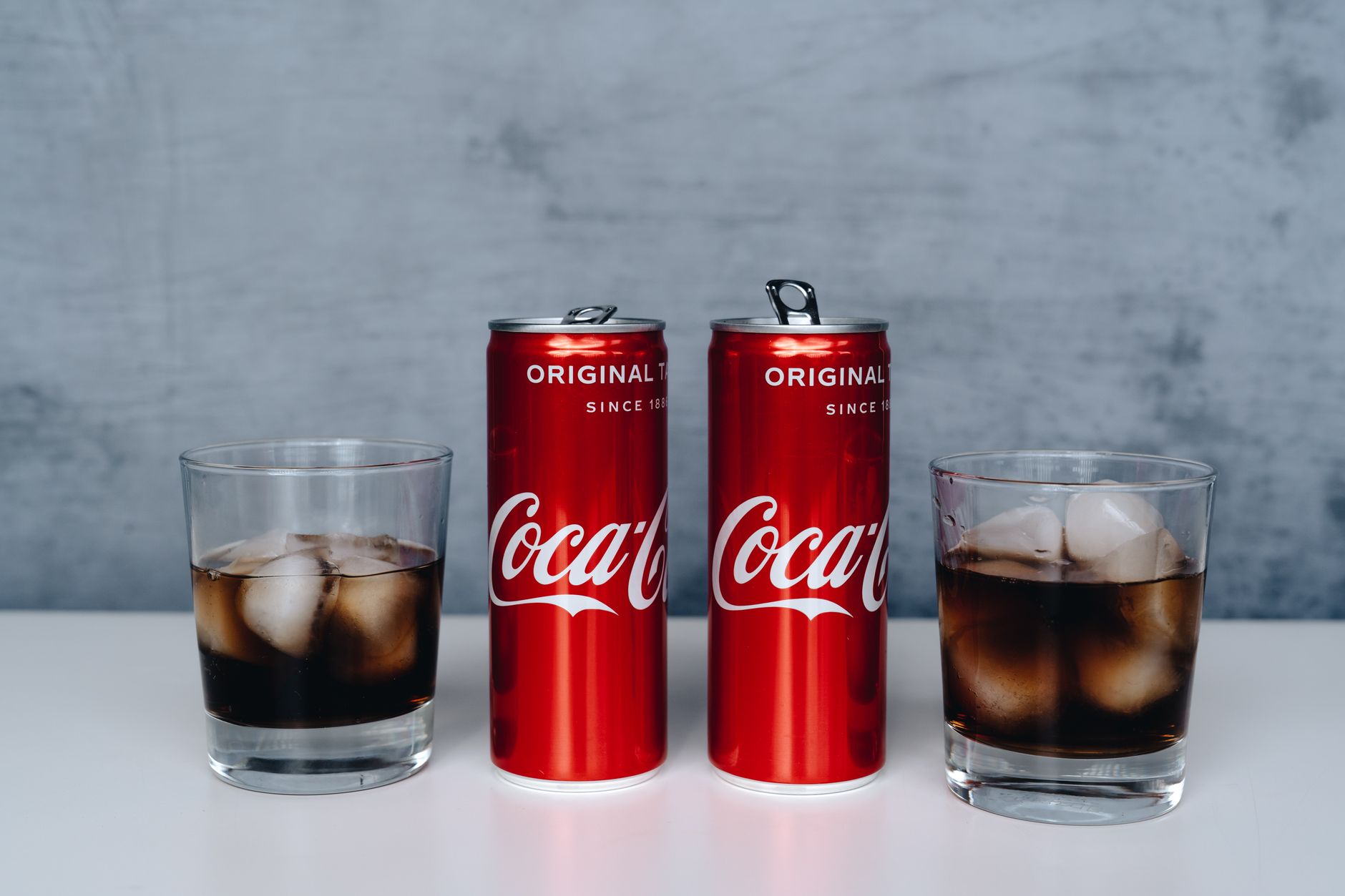
Many people enjoy a refreshing soda, but questions about its health impacts persist. One of the critical concerns is whether soda raises cholesterol levels. Understanding the relationship between soda consumption and cholesterol can help you make informed decisions about your diet.
This article explores how soda might influence cholesterol, along with its broader health implications. We’ll also look at alternatives to soda that are both tasty and better for your health.
Does Soda Raise Cholesterol?
Soda itself does not contain cholesterol, as cholesterol is found only in animal products. However, the ingredients in soda, especially sugar and artificial sweeteners, can potentially contribute to factors that may raise cholesterol levels indirectly.
Understanding Cholesterol
Cholesterol is a waxy substance found in your blood. It’s vital for building cells and hormones, but high levels of LDL (low-density lipoprotein), often referred to as “bad cholesterol,” can increase the risk of heart disease and stroke. It’s important to maintain a balance between LDL and HDL (high-density lipoprotein), or “good cholesterol.”
Types of Cholesterol
- LDL (Low-Density Lipoprotein): Often labeled as “bad” cholesterol as it can lead to plaque buildup in arteries.
- HDL (High-Density Lipoprotein): Known as “good” cholesterol since it helps remove LDL from the bloodstream.
- Triglycerides: A type of fat found in the blood, elevated levels often accompany high LDL levels.
What Is Soda Made Of?
Soda is often made with carbonated water, sweeteners (sugar or high-fructose corn syrup), flavorings, and preservatives. Understanding these components is essential to comprehend their effects on health.
Common Ingredients in Soda
- High-Fructose Corn Syrup (HFCS): A common sweetener linked to obesity and metabolic issues that can lead to higher cholesterol levels.
- Sucrose: Another sugar that can contribute to excessive calorie intake and weight gain.
- Caffeinated Ingredients: Some sodas contain caffeine, which may have varying effects on metabolism.
Does Soda Contribute to High Cholesterol Levels?
While soda does not contain cholesterol, excessive consumption can lead to various health issues that may indirectly influence cholesterol levels. Several studies have shown that sugary drinks correlate with conditions that increase cholesterol levels, such as obesity and insulin resistance.
Sugar and Cholesterol
High sugar intake, particularly from sources like soda, can lead to weight gain. Obesity is a significant risk factor for increased LDL cholesterol and decreased HDL cholesterol. When your body is overloaded with sugar, it can disrupt normal metabolism and increase triglyceride levels as well.
Impact of Artificial Sweeteners
Many people turn to “diet” sodas with artificial sweeteners as a healthier option. However, some studies suggest that these sweeteners might disrupt normal appetite regulation, leading to increased sugar intake from other sources. This phenomenon could ultimately influence cholesterol levels negatively.
Health Effects of Soda Consumption
Regular soda consumption has been associated with various health concerns beyond cholesterol.
Weight Gain and Obesity
Due to their high sugar content, sodas provide empty calories without nutritional benefits. Chronic excessive consumption can lead to weight gain, increasing the risk of high cholesterol, heart disease, and diabetes.
Heart Disease
A link has been established between sugary drink consumption and the heightened risk of cardiovascular disease. Through various mechanisms like inflammation and increased cholesterol, daily soda drinkers may face a higher likelihood of heart health issues.
Is All Soda Bad for Cholesterol?
Not all sodas are created equal, and there are non-sugar and low-calorie alternatives. Understanding your options can help you make better choices without sacrificing flavor or enjoyment.
Types of Soda and Their Health Implications
- Regular Soda: High in sugar and calories; best limited to occasional enjoyment.
- Diet Soda: Contains artificial sweeteners; some studies link them to metabolic disturbances.
- Flavored Sparkling Water: A healthier alternative with no added sugars; helps keep hydration levels up.
Alternatives to Sugary Soda
If you’re looking to reduce soda consumption without sacrificing refreshing beverages, consider trying these alternatives.
Homemade Natural Sodas
Making your own sodas allows control over ingredients and sweetness levels. Here’s a simple recipe.
Natural Soda Recipe
Ingredients:
- 1 cup of fresh fruit juice (like orange or lemon)
- 3 cups of carbonated water
- 2 tablespoons of honey or agave syrup (optional)
- Ice cubes
Method:
- In a pitcher, mix the fruit juice with honey or agave syrup, if using.
- Slowly add the carbonated water to preserve carbonation.
- Serve over ice and enjoy your natural soda!
Infused Water and Herbal Teas
Infusing water with fruits and herbs or brewing herbal teas can provide flavor without calories or sugar. Options like cucumber mint or lemon ginger are refreshing and beneficial.
How to Reduce Cholesterol Through Diet
While reducing soda intake is a great start, other dietary changes can also lower cholesterol.
Incorporate Heart-Healthy Foods
- Foods Rich in Omega-3 Fatty Acids: Fish like salmon and flaxseeds can lower triglycerides.
- High-Fiber Foods: Oats, beans, lentils, and fruits help lower LDL levels.
- Nuts and Avocados: Provide healthy fats that can raise HDL cholesterol.
Limit Saturated and Trans Fats
Foods high in saturated fats, such as red meat or full-fat dairy, should be consumed in moderation. Also, it’s essential to avoid trans fats found in processed foods since they can raise LDL cholesterol.
Exercise and Lifestyle Changes
Diet is only one part of the equation; maintaining an active lifestyle can also help in managing cholesterol levels.
Regular Physical Activity
Engaging in moderate exercise for at least 150 minutes per week can help raise HDL cholesterol and lower LDL cholesterol and triglycerides.
Weight Management
Aiming for a healthy body weight can significantly impact cholesterol levels. Even a small percentage of weight loss can result in noticeable health improvements.
Conclusion
While soda does not directly raise cholesterol, its high sugar content can contribute to weight gain and other health issues associated with elevated cholesterol levels. Monitoring your dietary choices and considering alternatives can be crucial steps toward a healthier life. Opt for natural sodas or infused beverages while incorporating more heart-healthy foods and regular exercise into your routine for optimal health.
For more refreshing beverage options, check out our natural soda recipe and our ginger ale recipe. Explore healthy cooking tips to maintain your wellness journey!