
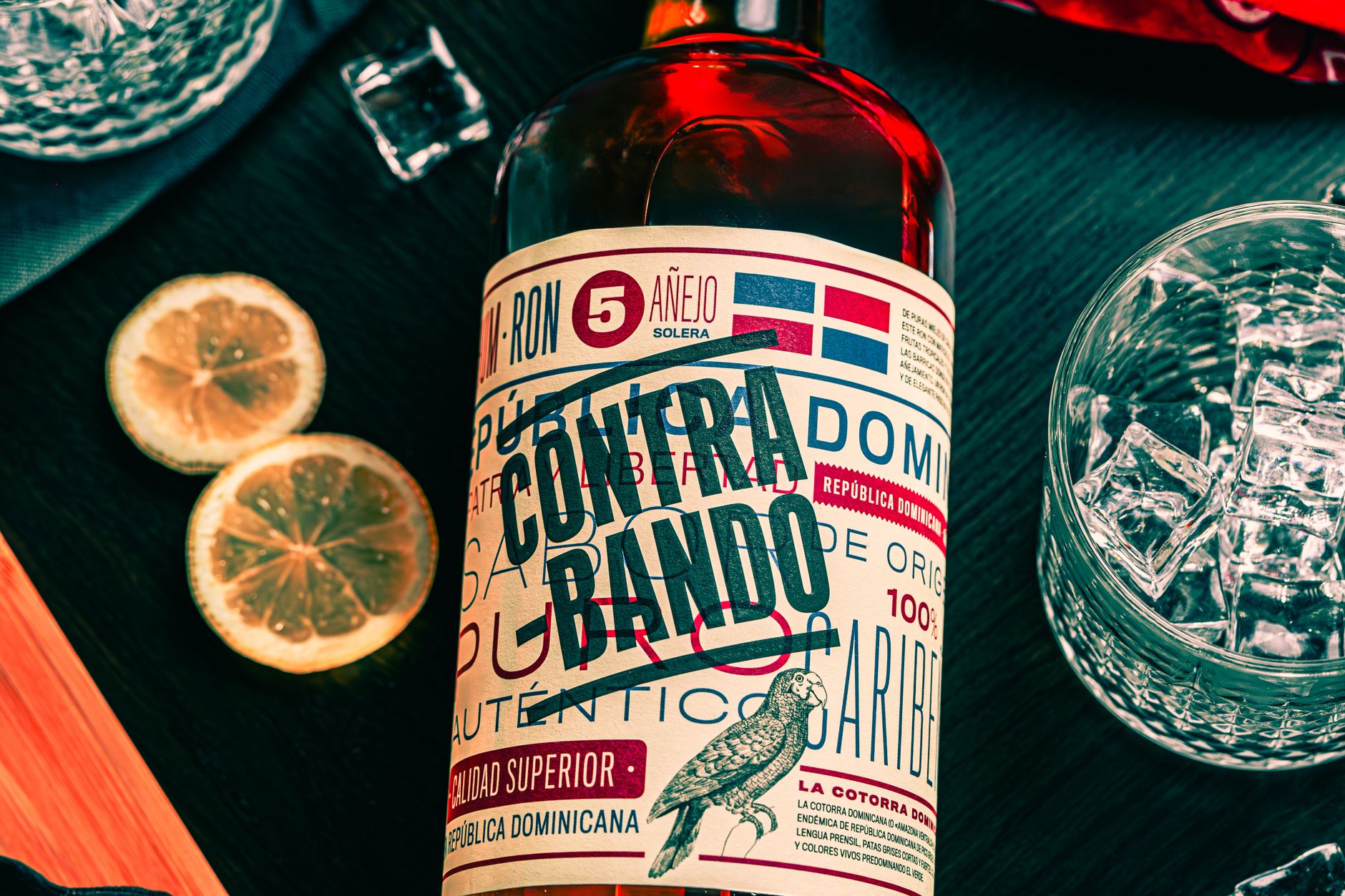
Rum is a beloved spirit that brings warmth and flavor to a variety of cocktails and recipes. If you’ve recently opened a bottle of rum, you might wonder whether it needs to be refrigerated for optimal storage. Understanding the nature of rum and how to properly store it can help extend its shelf life and maintain its quality.
This article explores the storage methods for rum after opening, the factors that affect its longevity, and specific tips for keeping your rum in perfect condition. Whether you’re a rum enthusiast or just starting to explore its many uses, this guide will provide you with the necessary information.
Does Rum Need To Be Refrigerated After Opening?
No, rum does not need to be refrigerated after opening. Unlike some spirits, rum is high in alcohol content, which acts as a natural preservative. A sealed bottle of rum can last for years without refrigeration, and even an opened bottle can maintain its quality at room temperature, provided it is stored correctly.
Understanding Rum’s Composition
To comprehend why rum does not require refrigeration, it’s essential to understand its composition. Rum is typically made from sugarcane or molasses and fermented using yeast. The resulting distillate is then aged in barrels, which contribute to its flavor and character. Here are some key aspects of rum that affect its storage:
- Alcohol Content: Most rums have an alcohol by volume (ABV) of at least 40%. This high alcohol concentration prevents the growth of microorganisms that could spoil the spirit.
- Ingredients: Flavored rums can sometimes include sweeteners or additional flavorings that may alter their shelf life compared to unflavored varieties.
- Oxidation: While rum can withstand oxidation due to its alcohol content, prolonged exposure to air may alter its taste over time.
Storage Conditions for Opened Rum
While refrigeration is unnecessary, proper storage conditions are critical in ensuring the quality of opened rum. Follow these guidelines to store your rum effectively:
- Seal It Tight: Always ensure the bottle cap or cork is tightly sealed after each use to minimize exposure to air.
- Store Upright: Keep the bottle upright to avoid leakage and to prevent the cork from deteriorating if applicable.
- Cool and Dark Place: Store your rum in a cool, dark cabinet away from direct sunlight and temperature fluctuations, which can degrade flavor over time.
Factors That Affect Rum’s Shelf Life
Several factors can influence how long your opened rum will last before it starts to lose flavor:
1. Bottle Size
The size of the bottle can impact the oxidation process. A larger bottle may last longer since there is less air-to-liquid ratio compared to a smaller bottle that is more quickly emptied. Consider transferring any remaining rum in a smaller bottle to a larger one once opened to limit air exposure.
2. Flavor Profile
Flavored rums typically have a shorter shelf life than their unflavored counterparts due to additional ingredients such as fruit juices or sweeteners. Pay attention to the shelf life indicated on flavored variants, as they may require more careful handling and consumption.
3. Bottle Type
Glass bottles are ideal for rum storage as they provide an excellent barrier against oxygen. Avoid transferring rum to plastic bottles, as these can leach chemicals into the spirit over time.
How Long Can You Keep Opened Rum?
Opened rum can typically last for several years if stored properly. Here’s a general guideline for different types of rum:
- Unflavored Rum: 3 to 5 years
- Flavored Rum: 1 to 2 years
- Premium or Aged Rums: These may last indefinitely due to their high alcohol content and complex flavors, although their taste may evolve over time.
Signs That Your Rum Has Gone Bad
While rum is generally resilient, you should always check for signs of spoilage, especially with flavored varieties. Here are some indicators:
- Off Smell: If the rum smells different or off, it’s best to discard it.
- Strange Taste: Unusual flavors can indicate degradation. A small taste test can confirm if it’s still good.
- Changes in Appearance: Look for changes in color or sediment in the bottle, which can hint at possible spoilage.
Can You Freeze Rum?
It is generally not advisable to freeze rum. Although the high alcohol content will prevent it from freezing solid, it can alter the texture and flavor profile. Instead, store it in a cool place, and enjoy it in moderation to ensure you’re experiencing the flavor as intended.
Using Rum in Cooking and Cocktails
Rum is not just a fantastic drink on its own; it enhances numerous recipes and cocktails. Here are some ideas for its use:
1. Cocktails
Rum is versatile in mixology, lending itself well to a variety of cocktails. Some notable recipes include:
- RumChata Recipe – A creamy and sweet cocktail perfect for dessert.
- Rum Sour Recipe – A refreshing cocktail that balances sweetness and tartness.
2. Baking
Rum can also enhance baked goods. Consider adding it to cakes, muffins, or sauces for a deeper flavor. Just remember to account for the alcohol content when using it in recipes.
3. Marinades and Sauces
Rum works beautifully in marinades for meats and seafood, as its sweetness helps to tenderize the proteins and adds complexity. Experiment with different styles of rum to discover unique flavor profiles.
Practical Tips for Using Rum
- Start Small: When incorporating rum into recipes, begin with small amounts, as it can quickly overpower other flavors.
- Pair Wisely: Rum pairs well with tropical and fruity flavors, making it excellent for summer cocktails or desserts.
- Infuse Your Own: Try infusing rum with spices or fruits for personalized flavors that can elevate your cocktails and cooking.
Conclusion: Enjoying Rum Responsibly
In summary, rum does not need to be refrigerated after opening due to its high alcohol content and natural preservative qualities. Proper storage practices can help maintain its quality and flavor for several years. Enjoy rum in various cocktails and culinary uses, and remember to savor it responsibly.
For more creative recipes and cooking ideas, explore our guides on various spirits and how to enhance your culinary creations! Check out these fantastic RumChata and Rum Sour recipes for delicious ways to enjoy rum.