
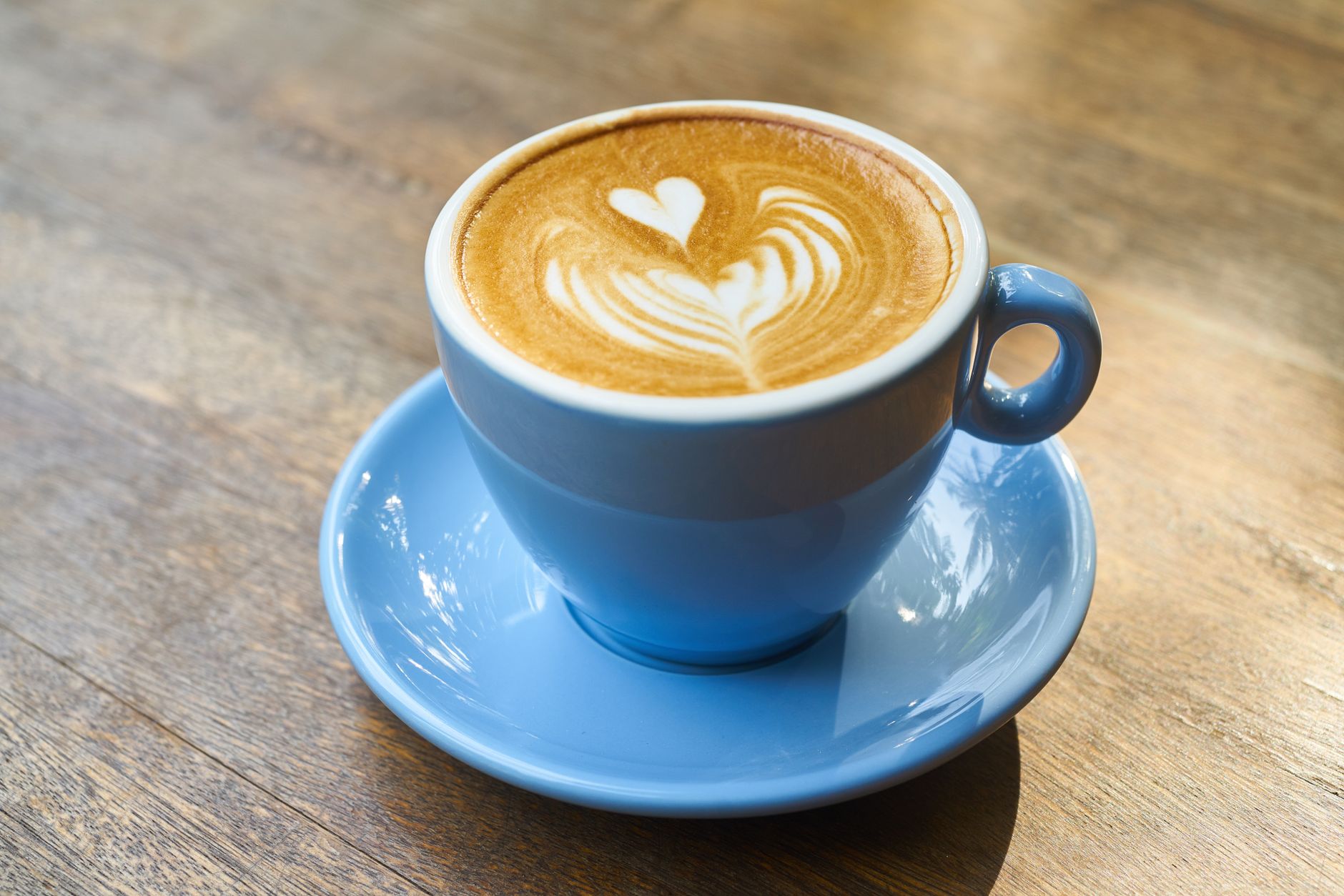
When it comes to lattes, many coffee lovers wonder about their caffeine content. Lattes are a popular espresso-based drink that combines rich, robust coffee flavors with creamy milk, making them a favorite choice for many. Understanding whether lattes contain caffeine can help you make informed choices based on your caffeine preferences or restrictions.
This guide explores the caffeine content in lattes, how it compares to other beverages, and what factors influence caffeine levels. We’ll also provide insights into how you can customize your latte experience.
Does Latte Have Caffeine?
Yes, lattes do contain caffeine. A standard latte is made with one or two shots of espresso, which is the primary source of caffeine in the drink. The caffeine content can vary based on the type of espresso used and the serving size, but it is generally lower than a regular cup of brewed coffee.
What Is a Latte?
A latte, short for “caffè latte,” is an Italian coffee drink made by combining espresso with steamed milk and a small amount of milk foam on top. The result is a creamy, rich beverage that balances the strong flavor of the espresso with the sweetness and texture of the milk.
Key Components of a Latte
- Espresso: The base of a latte, providing the coffee flavor and caffeine.
- Steamed Milk: Typically made from whole milk but can be substituted with plant-based alternatives.
- Milk Foam: A small layer of frothed milk that adds visual appeal and a creamy texture.
Caffeine Content in a Latte
The amount of caffeine in a latte primarily depends on the number of espresso shots used. Here’s a breakdown of the caffeine content you can expect:
Typical Caffeine Levels
| Type of Latte | Number of Espresso Shots | Caffeine Content (Approx.) |
|---|---|---|
| Single Shot Latte | 1 | 63 mg |
| Double Shot Latte | 2 | 126 mg |
| Large Triple Shot Latte* | 3 | 189 mg |
*Note: Some coffee shops may serve larger lattes with three shots of espresso.
Factors Influencing Caffeine Content
- Espresso Type: Different coffee beans have varying caffeine levels. Arabica beans typically have less caffeine compared to Robusta beans.
- Preparation Method: The brewing time and pressure can affect the extraction of caffeine from the coffee grounds.
- Milk Type: While the type of milk does not affect caffeine levels, it can impact the overall flavor and texture of the latte.
- Serving Size: Lattes are often served in various sizes, each containing different amounts of espresso.
How Latte Compares to Other Coffee Beverages
Understanding how lattes stack up against other popular coffee beverages can provide clarity on their caffeine content. Here’s a comparison:
Caffeine Comparison
| Beverage | Size (oz.) | Caffeine Content (Approx.) |
|---|---|---|
| Latte (Double Shot) | 12 | 126 mg |
| Regular Brewed Coffee | 12 | 240 mg |
| Cappuccino | 12 | 126 mg |
| Americano | 12 | 126 mg |
As shown, lattes typically contain less caffeine compared to a standard cup of brewed coffee but are similar in caffeine content to other espresso-based drinks like cappuccinos and Americanos.
Customizing Your Latte Experience
Many coffee lovers enjoy customizing their lattes, and this can also affect caffeine content. Consider these options:
Adjusting Caffeine Levels
- Extra Shots: For those looking for a caffeine boost, adding an extra shot of espresso can enhance the flavor and increase caffeine content.
- Decaf Options: If you’re sensitive to caffeine but enjoy the taste of a latte, many cafes offer decaffeinated espresso.
- Asian Coffee Variants: Consider trying a dirty chai latte, which incorporates chai tea and coffee for a unique flavor with moderate caffeine levels.
Flavor Customizations
Beyond caffeine, lattes can be customized for flavor preferences:
- Syrups: Many people add flavored syrups such as vanilla, caramel, or hazelnut to enhance sweetness.
- Spices: Adding spices like cinnamon or nutmeg can create a cozy and aromatic latte experience.
- Alternative Milk: Switching to almond, oat, or soy milk can not only add a different taste but also accommodate dietary restrictions.
Common Mistakes When Making Lattes
Even seasoned coffee enthusiasts can make mistakes while preparing lattes. Here are some common pitfalls to avoid:
Tips for Successfully Making a Latte
- Using Cold Espresso: Make sure your espresso is freshly made and hot for the best flavor and temperature contrast.
- Incorrect Milk Temperature: Milk should ideally be steamed to 150-155°F (65-68°C), too hot can scald the milk, and too cool will not create the desired texture.
- Inconsistent Froth: Use a thermometer and practice frothing to achieve a creamy, microfoam texture without large bubbles.
Making a Latte at Home
With the right tools and ingredients, you can create delicious lattes in the comfort of your own home. Here’s a simple recipe to get you started:
Ingredients
- 1 to 2 shots of espresso (about 1 oz. each)
- 6 to 8 oz. of steamed milk
- Milk foam for topping
- Optional: flavored syrup, spices
Essential Equipment
- Espresso machine or stovetop espresso maker
- Milk frother or steam wand
- Coffee grinder (if using whole beans)
- Coffee measuring spoon or scale
Method
- Prepare your espresso shots using your espresso machine or stovetop maker.
- While the espresso is brewing, steam your milk until it reaches the target temperature.
- Pour the steamed milk over the espresso shots.
- Add the desired amount of milk foam on top.
- If desired, add flavored syrup or spices to taste.
Storage and Reheating
For freshly made lattes, it is best enjoyed immediately. However, if you have leftover components, store them separately:
Storage Guidelines
- Espresso: Can be kept in the fridge for a day, but it is best fresh.
- Steamed Milk: Should not be stored; it does not reheat well and will lose its texture.
Health Considerations
Moderate caffeine intake is generally considered safe for most adults. However, individual tolerance levels can vary. Here are some things to consider:
Recommended Caffeine Limits
- The FDA suggests a daily limit of 400 mg of caffeine for most adults.
- Pregnant women, individuals with heart conditions, and those predisposed to anxiety may need to limit their intake.
Potential Benefits and Drawbacks
- Potential Benefits: Caffeine can improve alertness and concentration.
- Potential Drawbacks: Excessive caffeine may lead to anxiety, insomnia, or digestive issues.
Conclusion
Lattes are a delightful and versatile coffee beverage that gives coffee lovers a way to enjoy espresso flavors with creamy milk. They definitely contain caffeine, primarily from the espresso shots used in their preparation. Understanding the caffeine content and how to customize your latte can enhance your coffee experience. Whether you’re enjoying a morning latte or trying something new with flavored syrups, there’s a lot to love about this classic drink.
If you’re looking for delicious latte recipes or other coffee-related tips, consider exploring our coffee latte recipe or discover our dirty chai latte recipe to enjoy even more flavors at home!