
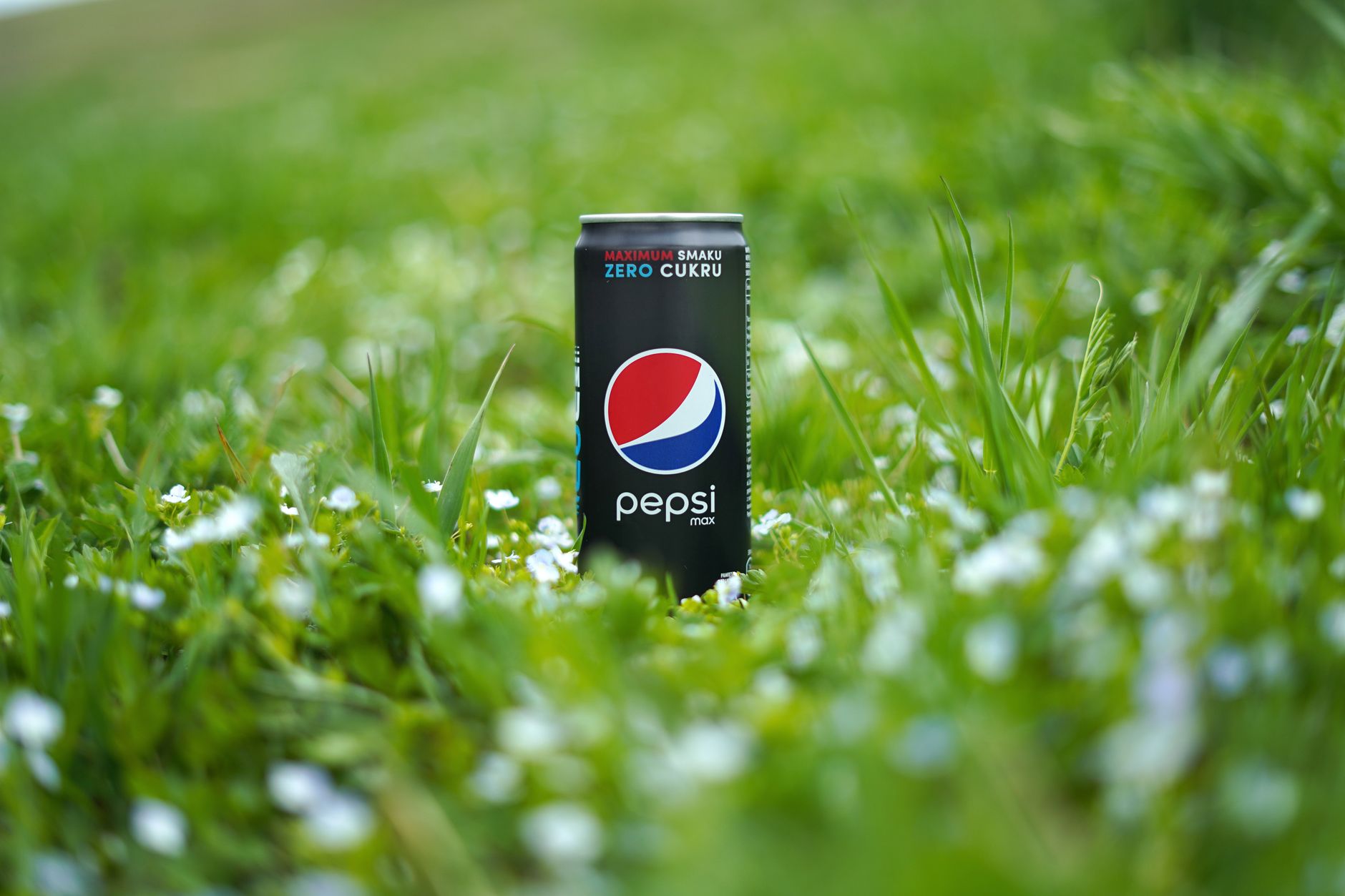
As a popular sugar-free alternative to regular soda, Diet Pepsi often attracts people looking to cut down on sugar intake without sacrificing flavor. However, many are curious about what exactly is in the beverage and whether or not it contains sugar. This article will explore the ingredients in Diet Pepsi and clarify its sugar content.
Understanding the ingredients of Diet Pepsi will help consumers make informed choices about their beverage options. We will also discuss the use of artificial sweeteners, flavor profiles, and alternatives for those who prefer different drink options.
Does Diet Pepsi Have Sugar In It?
No, Diet Pepsi does not contain sugar. Instead, it is sweetened with artificial sweeteners, primarily aspartame and/or acesulfame potassium, which provide sweetness without calories. These ingredients allow it to maintain a sweet flavor profile while appealing to those looking to reduce their sugar consumption.
Ingredient Breakdown of Diet Pepsi
To understand why Diet Pepsi does not have sugar, let’s take a closer look at its ingredient list:
- Carbonated water
- Caramel color
- Phosphoric acid
- Caffeine
- Aspartame
- Acesulfame potassium
- Citric acid
- Natural flavors
Each ingredient serves a specific purpose:
- Carbonated water: The primary component, providing the fizziness.
- Caramel color: This gives Diet Pepsi its characteristic dark hue, made by heating sugar in a controlled manner. It is important to note that while the color is derived from sugar, the final product contains no sugar itself.
- Phosphoric acid: This adds acidity and enhances the flavor profile.
- Caffeine: Provides a mild stimulant effect and contributes to the beverage’s overall flavor.
- Aspartame: A low-calorie sweetener that is about 200 times sweeter than sucrose (table sugar). This allows for minimal quantities to achieve the desired sweetness.
- Acesulfame potassium: Another calorie-free sweetener used in combination with aspartame to enhance the sweetness and aftertaste.
- Citric acid: Adds a touch of tartness and balances the sweetness of the drink.
- Natural flavors: Proprietary flavor compounds that give Diet Pepsi its unique taste.
The Role of Artificial Sweeteners
Artificial sweeteners are key to Diet Pepsi’s appeal, as they provide sweetness without sugar or calories. Below is a closer look at the two main sweeteners used:
Aspartame
Aspartame is one of the most commonly used artificial sweeteners. It consists of two amino acids, phenylalanine and aspartic acid. Due to its high sweetness potency, only a tiny amount is needed to provide the same sweetness as sugar. Aspartame has been extensively studied for safety and is generally recognized as safe (GRAS) by food safety authorities.
Acesulfame Potassium
Acesulfame potassium, often referred to as Ace-K, is another artificial sweetener. It is often used in combination with aspartame to enhance the overall sweetness and mask any aftertaste. Like aspartame, Ace-K is also considered safe for regular consumption.
Flavor Profile of Diet Pepsi
Diet Pepsi has a distinctive flavor, characterized by its balanced sweetness and slight acidity. The carbonation adds a refreshing quality, while the caramel color provides an inviting appearance. Notably, the artificial sweeteners lend their own unique flavors, which some drinkers might notice compared to the original Pepsi.
Who Should Consider Drinking Diet Pepsi?
Diet Pepsi may be an appealing option for several types of consumers:
- People looking to reduce sugar intake: Individuals watching their sugar levels, particularly those managing diabetes or attempting to maintain weight, may find Diet Pepsi a suitable soda option.
- Those seeking calorie-free beverages: Diet Pepsi provides a tasty, bubbly drink without adding any calories to your diet, making it a popular choice for calorie-conscious individuals.
- Fans of Pepsi products: For die-hard Pepsi fans, Diet Pepsi provides a familiar flavor while reducing sugar content.
Considerations and Controversies Surrounding Diet Beverages
While Diet Pepsi can be a reasonable alternative for many, it is essential to consider some potential concerns regarding artificial sweeteners:
- Health concerns: Some studies suggest a possible link between excessive consumption of artificial sweeteners and various health risks, although definitive conclusions remain unproven. Moderation is always advisable.
- Flavor preference: The taste of artificial sweeteners can be polarizing, with some individuals preferring the flavor of regular soda. It may take some time to adjust to the taste of Diet Pepsi.
- Behavioral responses: Some research indicates that consuming diet beverages might lead to increased cravings for sweet foods or a tendency to overconsume higher-calorie items later due to a perceived license to indulge.
Alternatives to Diet Pepsi
If you’re looking for alternatives to Diet Pepsi, whether due to personal preference or health reasons, there are plenty of beverage options available. Here are a few to consider:
Other Diet Soda Brands
There are many other diet soda brands and flavors available, including:
- Coca-Cola Zero Sugar
- Sprite Zero
- Dr. Pepper Diet
Sparkling Water
For a healthier alternative, consider flavored or unflavored sparkling water. Many brands infuse carbonated water with natural flavors, providing a refreshing fizz without added sweeteners or calories.
Iced Tea and Coffee
Unsweetened iced tea or black coffee can also be excellent alternatives, providing caffeine with no sugar when consumed without added sweeteners. You can add a splash of milk or a sugar substitute if you prefer.
Homemade Infused Waters
Infuse plain water with fruits, herbs, or vegetables to create your own refreshing beverages. Some popular combinations include:
- Cucumber and mint
- Lemon and basil
- Strawberry and lime
Making Dietary Choices
Understanding your beverage options is essential when making informed dietary choices. For those who enjoy Diet Pepsi for its taste and low-calorie offering, it can fit into a balanced lifestyle. However, listening to your body and considering how various beverages affect your cravings and health is vital.
Serving Suggestions
If you decide to enjoy Diet Pepsi, here are some tips for serving and pairing it with your meals or snacks:
- Enjoy chilled: Serve Diet Pepsi cold for maximum refreshment. You can also garnish it with a slice of lime or lemon for an added twist.
- Pair with light snacks: Consider serving Diet Pepsi alongside popcorn, vegetable sticks, or fruit for a balanced snack option.
- Serve with barbecues: Its crisp flavor complements grilled foods, making it a suitable beverage choice for summer barbecues.
Storage and Shelf Life
Diet Pepsi should be stored in a cool, dry place, away from direct sunlight. If unopened, the shelf life can extend for several months past the printed expiration date, as long as it is stored properly. However, once opened, it is best to consume it within a few days to enjoy the best flavor and carbonation.
Final Thoughts
Diet Pepsi is a popular, sugar-free soft drink that relies on artificial sweeteners like aspartame and acesulfame potassium to deliver its characteristic sweetness. While it offers a low-calorie option for soda lovers, consumers should consider their personal health and dietary needs when making beverage choices. Exploring alternatives will broaden your beverage horizons and better align with your health goals.
If you find this article helpful, check out our other resources on food choices, including options for low-calorie snacks, refreshing beverage ideas, or diet-friendly recipes to complement your meals. Staying informed about what you’re consuming is essential for a healthy lifestyle.