
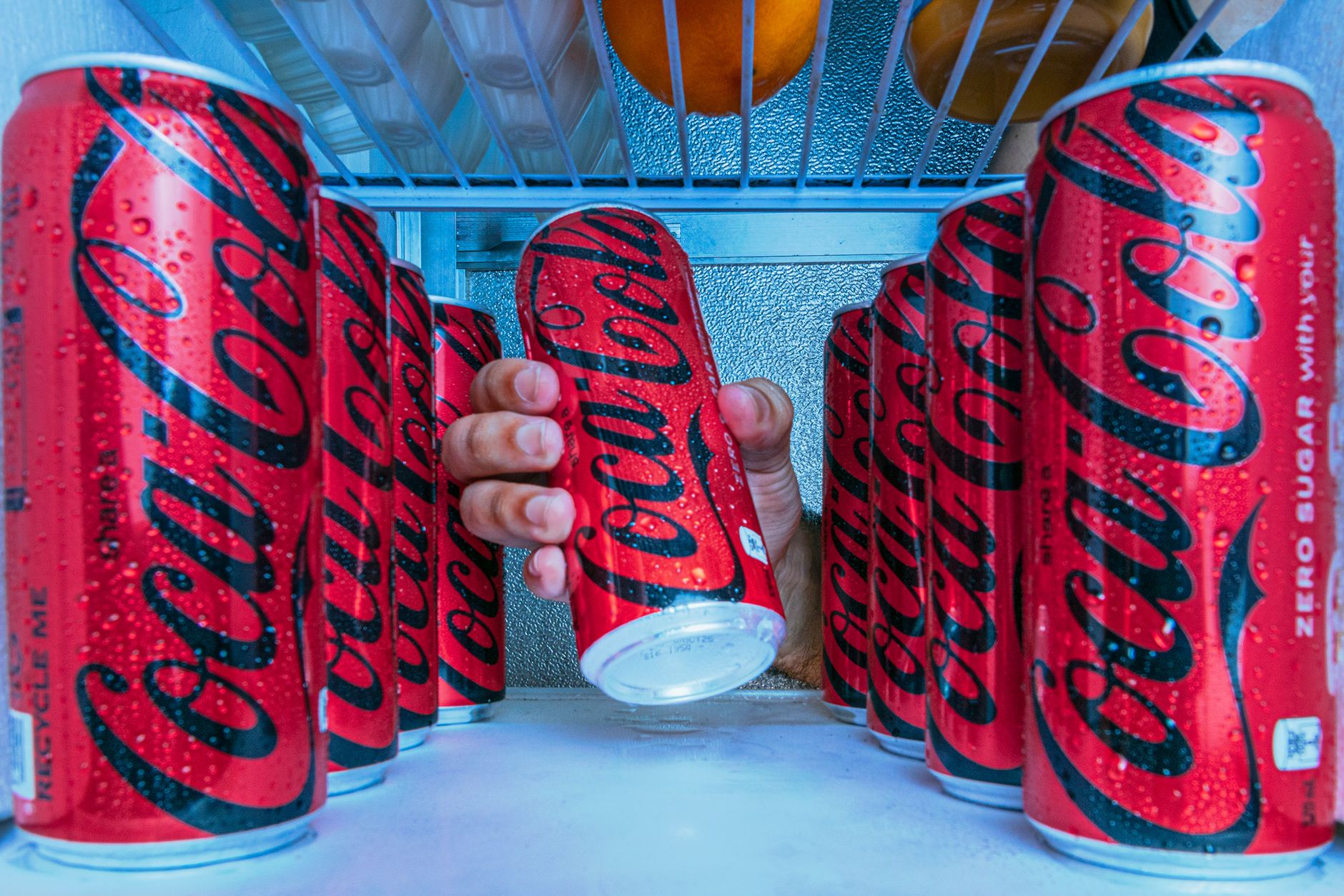
Coke Zero is a popular soft drink that’s often chosen for its great taste without the sugar. Many consumers are curious about its caffeine content. This article uncovers whether Coke Zero contains caffeine, how it compares to other beverages, and offers insights into its ingredients and formulations.
Understanding caffeine in soft drinks can be important for those monitoring their intake for health or dietary reasons. Read on to discover the details surrounding Coke Zero and its caffeine levels, along with practical information regarding consumption.
Does Coke Zero Have Caffeine In It?
Yes, Coke Zero contains caffeine. A typical 12-ounce (355 ml) serving of Coke Zero has approximately 34 mg of caffeine. This amount is slightly less than the caffeine found in regular Coca-Cola, which has about 37 mg in the same serving size.
Understanding Caffeine Content in Soft Drinks
Caffeine is a natural stimulant found in coffee, tea, and certain soft drinks. It is commonly consumed to enhance alertness and reduce fatigue. The caffeine content in beverages can greatly differ not just within the same brand, but also between different brands and types. Awareness of these variations is essential for making informed dietary choices.
Caffeine Levels in Popular Soft Drinks
Here’s a comparison of caffeine content in some well-known soft drinks:
| Drink | Caffeine (mg per 12 oz) |
|---|---|
| Coke Zero | 34 mg |
| Diet Coke | 46 mg |
| Coca-Cola Classic | 37 mg |
| Pepsi | 38 mg |
| Dr Pepper | 41 mg |
Factors Influencing Caffeine Content
The caffeine content in soft drinks can be influenced by several factors:
- Brand formulation: Different brands use various methods to formulate their drinks, often leading to variations in caffeine levels.
- Type of drink: Diet versions of soft drinks may have different caffeine levels compared to their regular counterparts.
- Serving size: Larger serving sizes will naturally contain more caffeine, so it’s important to consider how much you’re consuming.
Ingredients in Coke Zero
Understanding what goes into Coke Zero can help consumers make educated choices about their beverage consumption. Here is a list of core ingredients typically found in Coke Zero:
- Carbonated Water: The primary ingredient, providing the drink’s fizzy texture.
- Caramel Color: Adds the dark color typical of cola beverages.
- Phosphoric Acid: Provides a tangy taste and acts as a preservative.
- Caffeine: The stimulant naturally included to enhance flavor and alertness.
- Sodium Benzoate: A preservative to maintain freshness.
- Natural Flavors: This is a proprietary blend used to create the signature Coke flavor.
- Acesulfame Potassium and Aspartame: Sweeteners used to replace sugar while keeping the calorie count low.
Caloric Content and Sugar Alternatives
Coke Zero is marketed as a zero-calorie beverage. This is largely due to its use of artificial sweeteners, which provide the sweetness without the calories inherent in sugar. Here’s how it compares:
While regular Coca-Cola contains approximately 140 calories per 12-ounce serving due to its sugar content, Coke Zero contains no calories, making it a popular choice for those monitoring caloric intake.
Health Considerations
While Coke Zero can be enjoyed as part of a balanced diet, there are some health considerations to keep in mind. Regularly consuming high amounts of caffeine can lead to various health issues:
- Insomnia and Sleep Disturbances: Caffeine consumption, especially in the late afternoon or evening, can affect sleep quality.
- Increased Heart Rate: Some people may experience an increased heart rate or anxiety from caffeine consumption.
- Dependency: Some individuals may find themselves dependent on caffeine for energy and alertness.
Moderation is Key
For most adults, moderate consumption of caffeine — typically defined as up to 400 mg per day (about four 8-ounce cups of brewed coffee) — is considered safe. Coke Zero fits into this guideline. However, it’s always best to pay attention to your body’s response and consult with a healthcare professional when needed.
How to Enjoy Coke Zero
Coke Zero is enjoyed around the world in various ways. Here are some popular methods to savor this beverage:
- As a Chilled Refreshment: Serve it cold over ice, garnished with a slice of lime or lemon for a refreshing experience.
- Cocktail Mixer: Mix Coke Zero with spirits like rum or whiskey to create delicious cocktails.
- In Culinary Uses: Some use Coke Zero in marinades or barbecue sauces for enhanced flavors.
Common Myths and Misconceptions
There are several myths regarding caffeine and soft drinks that are worth addressing:
Caffeine-Free Options
Some may assume that all diet sodas are caffeine-free. However, many diet soft drinks, including Coke Zero, still contain caffeine. For a caffeine-free option, check label specifications, as several brands offer caffeine-free alternatives.
Artificial Sweeteners
Some people worry about consuming artificial sweeteners used in products like Coke Zero. While they offer a calorie-free sweetness, ongoing research continues to assess their long-term health effects. Most health authorities deem approved artificial sweeteners safe for general consumption.
Conclusion
Coke Zero does contain caffeine, making it a viable choice for those looking for a low-calorie drink with the invigorating benefits of caffeine. With around 34 mg of caffeine per 12-ounce serving, it fits well within the daily limits of most adults.
Whether you enjoy Coke Zero alongside your meals, as an afternoon refresher, or in cocktails, this drink can be a part of a balanced lifestyle. Be mindful of your total caffeine intake, and remember to enjoy it in moderation. For further exploration of popular beverages, consider learning about better hydration options or healthy homemade soft drinks.