
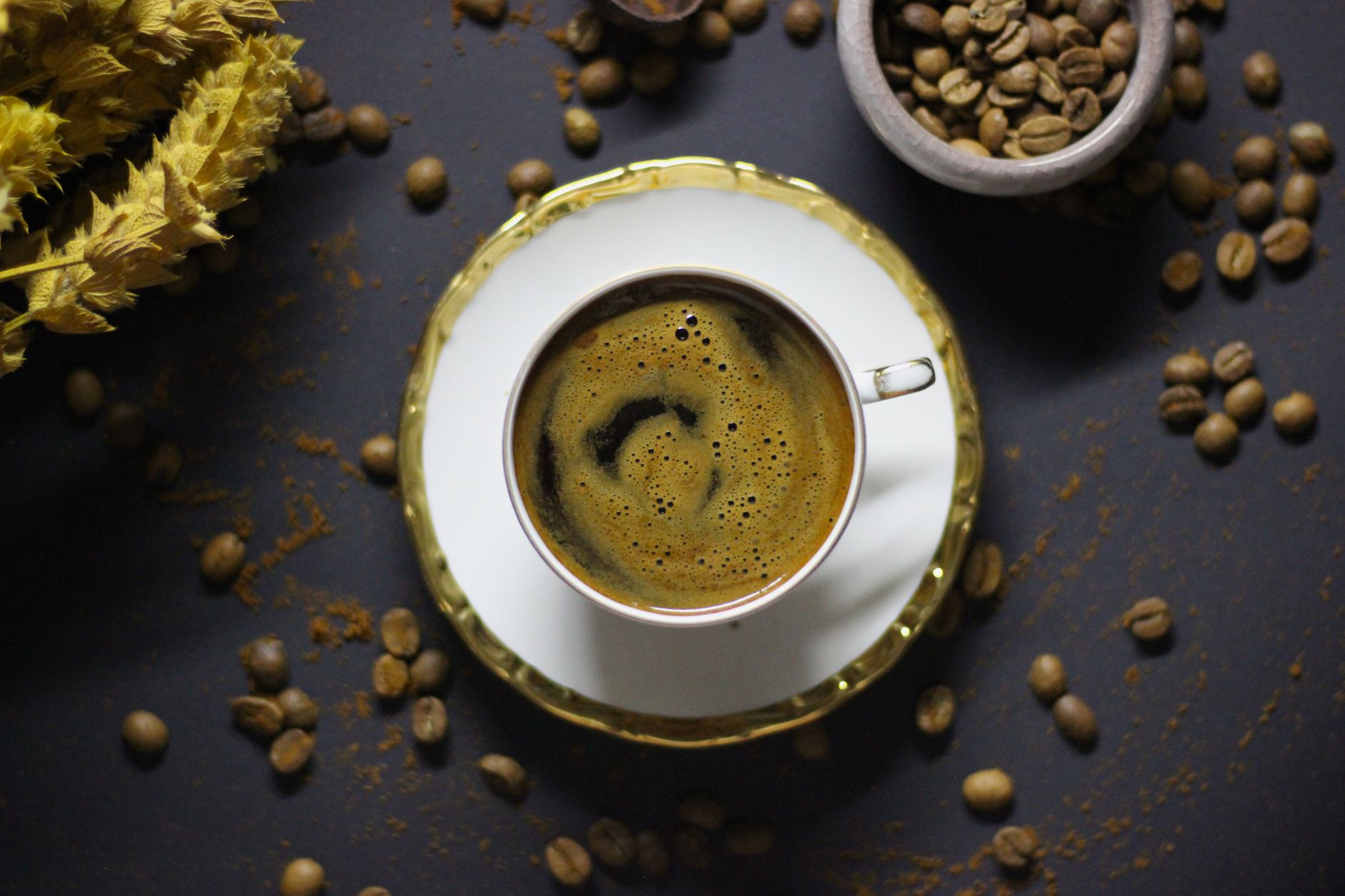
Black coffee is a beverage enjoyed by millions around the world, lauded for its rich flavor and stimulating caffeine content. However, a common question arises: does it actually hydrate you? Understanding the hydrating effects of black coffee is important for both coffee enthusiasts and those mindful of their overall fluid intake.
This article delves into the science behind black coffee and hydration, exploring its effects on the body, the role of caffeine, and practical tips for coffee lovers to stay adequately hydrated throughout the day.
Does Black Coffee Hydrate You?
Yes, black coffee does hydrate you, but its hydrating effects are somewhat moderated by caffeine content. While coffee can contribute to daily fluid intake, excessive consumption may lead to a mild diuretic effect, potentially offsetting hydration levels.
The Science Behind Black Coffee and Hydration
To understand how black coffee impacts hydration, it’s essential to look at the components of the beverage itself. Black coffee primarily consists of water, making it a fluid source. However, it also contains caffeine, a natural stimulant known for its diuretic properties.
Understanding Diuretics
A diuretic is a substance that promotes the production of urine, potentially leading to fluid loss. Many people believe that caffeine-rich beverages like coffee lead to dehydration due to this diuretic effect. However, research suggests that moderate coffee consumption does not significantly increase urinary output compared to water.
The Role of Caffeine
Caffeine is the key ingredient in coffee that influences hydration levels. Studies indicate that moderate caffeine intake (about 200-300 mg, equivalent to 2-3 cups of black coffee) does not lead to dehydration for most individuals. This is because regular coffee drinkers develop a tolerance to caffeine’s mild diuretic effects.
Fluid Intake Recommendations
Health authorities generally recommend a daily fluid intake of about 2.7 liters for women and 3.7 liters for men, including all beverages and food. Coffee, accounting for a portion of this recommended intake, should not be disqualified merely because it contains caffeine.
Black Coffee vs. Other Beverages
To contextualize the hydrating effects of black coffee, let’s compare it with other common beverages.
Water
Water is the gold standard for hydration. It has zero calories, no caffeine, and is absorbed by the body efficiently. For optimal hydration, water remains essential, but black coffee can complement your water intake without causing excessive dehydration.
Tea
Like black coffee, tea also contains caffeine and boasts hydrating qualities. Herbal teas, which are typically caffeine-free, can be excellent alternatives for those seeking hydration. Both tea and coffee contribute to daily fluid intake but vary in flavor, aroma, and health benefits.
Soft Drinks and Alcohol
These beverages often contain added sugars, which can lead to dehydration, especially when consumed in excess. Alcohol, in particular, has a stronger diuretic effect than caffeine, making it a less suitable choice for hydration. In contrast, black coffee can hydrate without the added sugars or high caloric content found in soft drinks.
How Much Black Coffee is Too Much?
Moderation is key when it comes to black coffee consumption. While two to three cups of black coffee seem to be fine for most individuals, excessive intake can lead to adverse effects such as anxiety, sleep disturbances, and digestive issues.
Guidelines for Safe Consumption
- Moderate Consumption: Aim for about 2-4 cups per day, depending on individual tolerance.
- Listen to Your Body: Pay attention to how caffeine affects your energy levels and hydration.
- Limit Late-Day Consumption: Avoid black coffee later in the day to prevent sleep interruptions.
Practical Tips for Hydration with Black Coffee
To ensure you maintain adequate hydration while enjoying black coffee, consider the following practical tips:
Pair Coffee with Water
For every cup of black coffee consumed, drink a glass of water. This will help balance fluid intake and support hydration efforts throughout the day.
Monitor Caffeine Intake
Keep track of your total daily caffeine consumption from all sources, including coffee, tea, soft drinks, and chocolate. Doing so will help you avoid potential overconsumption and its negative effects.
Consider Time of Day
Avoid consuming black coffee too late in the day to prevent potential disturbances to your sleep schedule. Aim for morning or early afternoon consumption for optimal energy and hydration benefits.
Customize Your Brew
Experiment with different brewing methods such as French press, drip coffee, or espresso to find the flavor profile you enjoy most. This can make consuming black coffee more enjoyable while still focusing on hydration.
Common Questions about Black Coffee and Hydration
Is decaf coffee hydrating?
Yes, decaffeinated coffee is hydrating. It contains less caffeine, reducing the diuretic effect, while still providing the hydration benefits of a warm beverage.
Can coffee replace water entirely for hydration?
No, while black coffee does contribute to fluid intake, it should not entirely replace water. A balanced approach to hydration includes water alongside other fluid sources.
Should I drink coffee if I’m exercising?
Black coffee can enhance physical performance due to its caffeine content. However, it’s wise to also drink water before, during, and after exercise to stay properly hydrated.
Conclusion
In summary, black coffee can indeed hydrate you, although consumption should be balanced with other fluids, especially water. Understanding the role of caffeine and maintaining moderate intake will help you enjoy your beloved beverage without compromising hydration levels.
Making black coffee a part of a well-rounded hydration strategy is easy. So pour yourself a cup and relish each sip! Explore more about delicious coffee recipes like brown sugar coffee and try your hand at a proffee recipe to elevate your coffee experience.