
Beer is one of the most widely consumed beverages around the world, appreciated for its flavor, variety, and social context. However, when it comes to nutrition, many wonder if beer has any health benefits, particularly regarding essential minerals like iron. This article will uncover the role of iron in beer, examine its nutritional profile, and explore how beer fits into a balanced diet.
Though beer is often enjoyed for relaxation or socializing, understanding its nutritional aspects can help consumers make informed decisions. We will delve into the iron content of beer, factors influencing its levels, and what that means for your overall dietary intake.
Does Beer Have Iron?
Beer does contain iron, but the amount is relatively low compared to other dietary sources. On average, a standard 12-ounce (355 mL) serving of beer provides about 0.1 to 0.3 mg of iron. While the iron content varies based on the type of beer, it’s important to note that beer is not a significant source of this essential mineral.
Iron plays a critical role in various bodily functions, primarily in the formation of hemoglobin that carries oxygen in the blood. Therefore, it’s essential to include sufficient iron-rich foods in your diet. That said, it’s helpful to understand how beer interacts with iron absorption and whether its consumption could impact your daily iron needs.
The Nutritional Profile of Beer
Before we examine the iron content, let’s take a quick look at the overall nutritional profile of beer. Beer is typically composed of four primary ingredients: water, malted barley, hops, and yeast. The brewing process varies, which can lead to differences in calories, carbohydrates, and alcohol content across different beer types.
- Calories: The caloric content of beer can range from 100 to over 300 calories per 12-ounce serving, depending on the style and alcohol content.
- Carbohydrates: Most beers contain between 10 and 20 grams of carbohydrates per serving, primarily from the sugars present in malted grains.
- Alcohol: Alcohol by volume (ABV) typically ranges between 4% to 10%, with some craft or specialty beers exceeding this range.
When it comes to vitamins and minerals, beer contains various nutrients, including B vitamins (like niacin, riboflavin, and folate), potassium, magnesium, and a small amount of iron.
Iron Content in Different Types of Beer
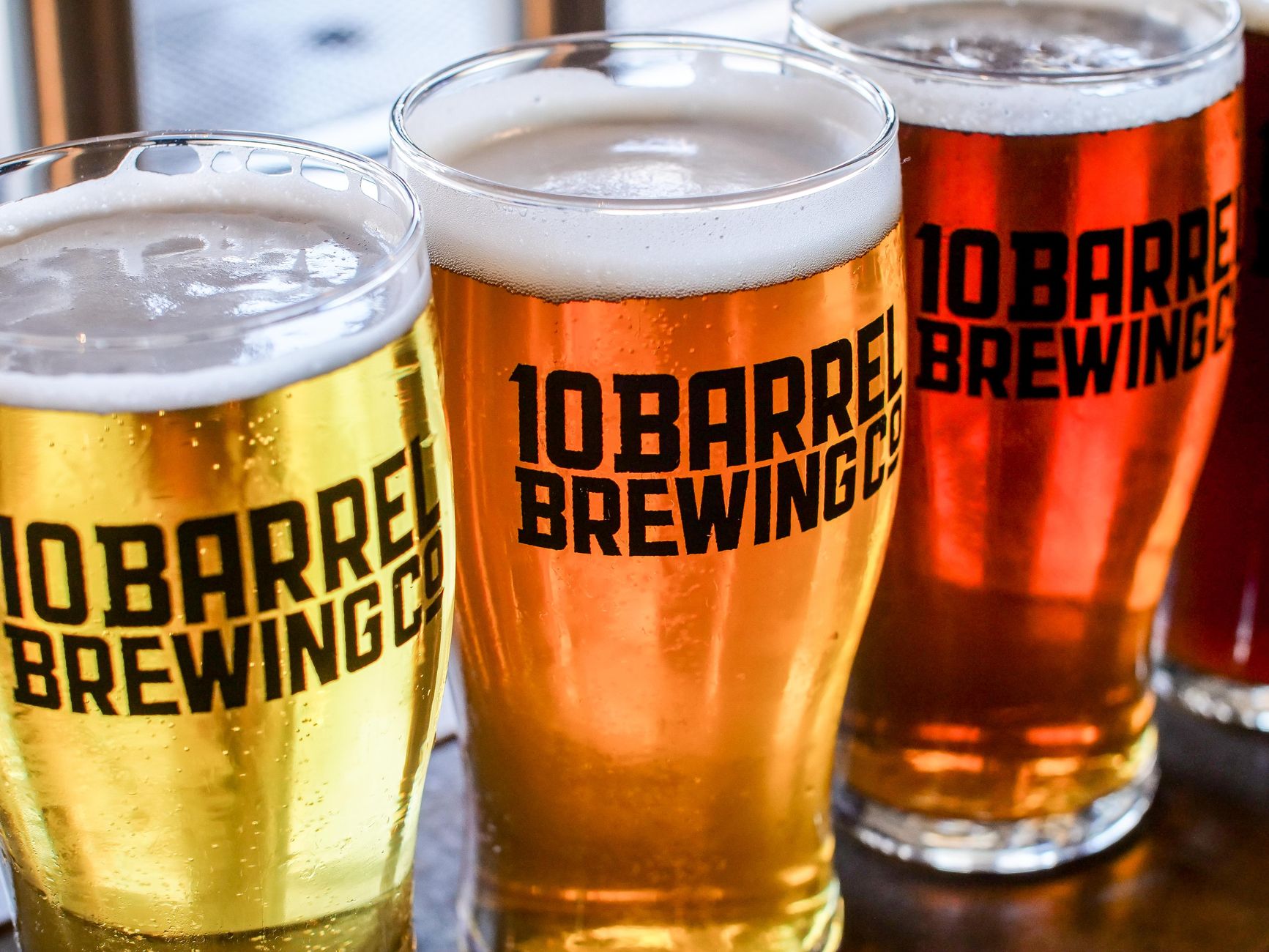
The iron content can vary among beer types. Generally, darker beers, such as stouts and porters, tend to have slightly higher iron levels compared to lighter beers like lagers or pilsners. This variance is primarily due to the ingredients used and the brewing process.
Common Beer Types and Their Iron Content
Here’s a general overview of some popular beer styles and their estimated iron content per 12-ounce serving:
| Beer Type | Approximate Iron Content (mg) |
|---|---|
| Pale Lager | 0.1 |
| Wheat Beer | 0.2 |
| Amber Ale | 0.2 |
| Porter | 0.3 |
| Stout | 0.3 |
The amount of iron in beer should not be relied upon as a primary source of dietary iron. For individuals looking to increase their iron intake, it’s still essential to focus on whole foods known for their higher iron content.
Sources of Dietary Iron
Dietary iron comes in two forms: heme and non-heme iron. Heme iron is found in animal products like meat, fish, and poultry, while non-heme iron is prevalent in plant-based sources such as beans, lentils, tofu, fortified cereals, and leafy greens.
- Heme Iron Sources:
- Red meat
- Poultry
- Seafood
- Non-Heme Iron Sources:
- Legumes (beans and lentils)
- Tofu
- Fortified cereals and grains
- Dark leafy greens (spinach, kale)
For optimal absorption, dietary sources of non-heme iron should be consumed alongside vitamin C-rich foods like citrus fruits, strawberries, or bell peppers. Vitamin C assists in enhancing iron absorption in the digestive tract.
Iron Absorption and Beer
Beer does contain some phytates, which are compounds found in grains that can inhibit the absorption of non-heme iron. Consuming beer immediately with iron-rich foods may reduce the amount of iron your body can absorb. Therefore, timing your beer consumption can play a role in how effectively your body utilizes dietary iron.
For those looking to boost their iron levels, consider separating beer consumption from meals, especially those rich in iron. This strategy allows your body to absorb nutrients more efficiently.
Health Considerations and Moderation
While beer can be part of a balanced diet, moderation is critical. Excessive alcohol consumption can lead to various health issues, including liver damage, heart problems, and even impaired nutrient absorption. It’s essential to be mindful of your overall alcohol intake, especially if you’re striving for optimal nutrition.
For most adults, moderate drinking is defined as up to one drink per day for women and two drinks per day for men. Always consult with healthcare professionals for personalized advice, especially if you have specific health concerns or are on medication.
Potential Benefits of Beer
Interestingly, moderate beer consumption may have some potential health benefits due to its nutrient content. Studies suggest that moderate beer drinkers may have a lower risk of heart disease and improved kidney function, though the evidence is still mixed. Factors like moderation and a well-balanced diet are crucial in realizing any potential benefits.
Additionally, beer contains antioxidants like polyphenols, which can contribute to overall health by combatting oxidative stress in the body. However, these benefits do not outweigh the potential risks of excessive alcohol consumption.
Practical Tips for Enjoying Beer
If you enjoy beer and its unique flavors, several tips can make your experience more enjoyable while considering your nutritional goals:
- Select Quality Beers: Choose craft or artisanal beers over mass-produced options to support local brewers and discover unique flavors.
- Combine with Iron-Rich Foods: When having a beer, pair it with meals that contain high iron content to enhance your overall nutrient intake.
- Stay Hydrated: Alcohol can lead to dehydration, so be sure to drink plenty of water alongside your beer.
- Practice Portion Control: Adhere to moderate drinking guidelines to enjoy the flavors and experiences of beer without compromising your health.
Conclusion
In summary, beer does contain iron, but the amounts are relatively low compared to other food sources. It’s essential to focus on a well-rounded diet with a variety of iron-rich foods and to practice moderation if beer is part of your lifestyle. Understanding the nutritional value of beer can enhance your enjoyment while keeping your health in mind.
For more food guides and tips, explore our offerings on refreshing beverages and cooking techniques, such as the blue mother fer drink recipe and fermented ginger beer recipe that can add variety to your palate. Enjoy your culinary adventures!