
There’s something magical about the aroma of *Cranberry Wine* bubbling away, filling your kitchen with warmth and cheer. This humble recipe not only captures the essence of tart cranberries but also brings a festive spirit to any gathering, making it a delightful addition to your beverage repertoire.
Why You’ll Love This Recipe
This recipe is a true crowd-pleaser that combines delightful flavors with simplicity.
- Rich, fruity flavor that balances sweetness and tartness.
- Perfect for holiday celebrations or cozy evenings.
- Easy to make in large quantities, great for parties.
- Natural fermentation adds depth and character.
- Can be customized with spices for added warmth.
My Experience Making This Recipe
When I first tried making cranberry wine, I was amazed by how the tartness transformed into a smooth, rich drink. The vibrant color and unique taste always impress my friends during holiday gatherings.
Each sip brings a smile, and the compliments keep flowing. It’s like a warm hug in a glass that makes the chilly evenings feel special.
Recipe Overview
- Recipe Name: Cranberry Wine
- Servings: About 25 glasses
- Prep Time: 30 minutes
- Cook Time: 1 hour
- Total Time: 2 weeks (fermentation time included)
- Course: Beverage
- Cuisine: American
- Calories per Serving: Approximately 120
Equipment You Will Need
- 5-gallon fermenter with airlock
- Large pot for boiling
- Hydrometer for measuring sugar levels
- Funnel
- Strainer or cheesecloth
- Bottling equipment
Ingredients for Cranberry Wine
- 5 gallons of fresh cranberries
- 5 gallons of water
- 6-7 cups of sugar (to taste)
- 1 packet of wine yeast
- 1 teaspoon of potassium metabisulfite (optional, for sanitation)
- 1 teaspoon of pectic enzyme (optional, for clarity)
Ingredient Notes and Substitutions
- Cranberries: They provide the main flavor; frozen cranberries can work in a pinch.
- Sugar: Balances the tartness; you can use honey or agave syrup for a different sweetness profile.
- Wine yeast: Specifically chosen for fermentation; bread yeast can be used but may alter the flavor.
- Potassium metabisulfite: Helps prevent wild fermentation; can be skipped if you prefer a natural approach.
- Pectic enzyme: Improves clarity; not necessary but helpful if you want a clear wine.
How to Make Cranberry Wine
Step 1: Prepare the Cranberries
Start by washing the cranberries thoroughly to remove any dirt or impurities. Clean fruit makes for better wine.
Step 2: Boil the Cranberries
In a large pot, combine the cranberries and water. Bring to a boil, then reduce heat and let simmer for about 30 minutes to extract the juices.
Step 3: Strain the Mixture
After simmering, strain the mixture through a strainer or cheesecloth into the fermenter. This separates the juice from the solids, giving you a clear base.
Step 4: Add Sugar
While the juice is still warm, stir in the sugar until fully dissolved. This is crucial as it feeds the yeast during fermentation.
Step 5: Cool the Mixture
Allow the mixture to cool to room temperature before adding yeast. Hot liquid can kill the yeast, so patience is key here.
Step 6: Add Yeast and Other Ingredients
Once cooled, sprinkle the wine yeast over the surface and add potassium metabisulfite and pectic enzyme if using. This step jumpstarts the fermentation process.
Step 7: Seal the Fermenter
Seal the fermenter with an airlock to allow gases to escape while keeping contaminants out. This is where the magic of fermentation starts.
Step 8: Ferment
Let the mixture ferment for about 1 to 2 weeks, checking periodically. You’ll know it’s ready when bubbling slows down and the wine clears.
Pro Tip: Use a hydrometer to check the sugar levels; it helps determine the sweetness of your finished wine.
Tips for the Best Cranberry Wine
- Use fresh cranberries for the best flavor; frozen ones can work but may alter the taste slightly.
- Be precise with measurements, especially sugar; too little can result in a dry wine.
- Allow adequate fermentation time; rushing this step can lead to off-flavors.
- Keep everything sanitized to avoid unwanted bacteria; clean equipment is essential.
- Experiment with spices like cinnamon or cloves for a unique twist.
Common Mistakes to Avoid
- Not cleaning equipment properly can lead to spoiled wine; sanitation is a must.
- Skipping the cooling step before adding yeast may kill it; always let the mixture cool.
- Using the wrong type of yeast can produce undesirable flavors; choose a wine-specific yeast.
- Not monitoring fermentation can lead to over- or under-fermentation; check it regularly.
- Using too much sugar can result in overly sweet wine; balance is key.
Serving Suggestions
This cranberry wine pairs beautifully with holiday meals or festive gatherings.
- Serve chilled or at room temperature.
- Great with roasted turkey or ham.
- Pairs well with sharp cheeses.
- Excellent as a base for cocktails.
- Enjoy with a dessert platter featuring chocolate or fruit.
Variations to Try
- Add spices like cinnamon and nutmeg for a warm, spiced wine.
- Blend in other fruits like raspberries or blueberries for a mixed berry flavor.
- Try adding citrus zest for a refreshing zing.
- Experiment with different types of sugar, like brown sugar for a richer taste.
- For a sparkling wine, consider secondary fermentation with added sugar in the bottles.
Dietary Adaptations
- Gluten-free: Naturally gluten-free, this recipe is safe for those with gluten sensitivities.
- Dairy-free: Perfect for dairy-free diets as it contains no dairy ingredients.
- Vegan/Vegetarian: Suitable for vegans; no animal products are used.
- Low-carb/Keto: Reducing sugar will result in a low-carb version, but sweetness will be affected.
Storage and Reheating
Refrigerator
Store the finished cranberry wine in a cool, dark place or the refrigerator.
- Best consumed within a year.
- Keep bottles sealed tightly to maintain flavor.
Freezer
Wine can be frozen in ice cube trays for later use in cooking or cocktails.
- Do not freeze in glass bottles; they may break.
- Use within six months for best flavor.
Reheating
If you prefer warm wine, gently heat it on the stove without boiling.
- Add spices like cinnamon sticks for a cozy flavor.
- Serve warm with a slice of citrus for added zest.
Nutrition Information
| Nutrient | Amount |
|---|---|
| Calories | 120 |
| Total Fat | 0g |
| Saturated Fat | 0g |
| Carbohydrates | 30g |
| Fiber | 0g |
| Sugar | 28g |
| Protein | 0g |
| Sodium | 0mg |
| Cholesterol | 0mg |
This information is approximate and can vary based on the specific ingredients used.
Frequently Asked Questions
Can I use frozen cranberries?
Yes, frozen cranberries can work, but fresh berries yield a brighter flavor.
How long does it take to ferment?
Fermentation typically takes 1 to 2 weeks, depending on temperature and conditions.
Can I make this wine ahead of time?
Absolutely! The wine improves with age, so making it a few months in advance is ideal.
What if my wine is too sweet?
If it’s too sweet, consider diluting it with some water or using it in cocktails.
Can I carbonate this wine?
Yes, you can carbonate it by adding sugar before bottling for a sparkling effect.
Final Thoughts
Making your own *Cranberry Wine* is not just a fun project, but it also yields a drink that carries memories. I encourage you to try this recipe and share it with friends and family.
Don’t forget to explore more delightful drinks like homemade wine or even mix up a batch of blueberry wine. Cheers to your winemaking adventure!
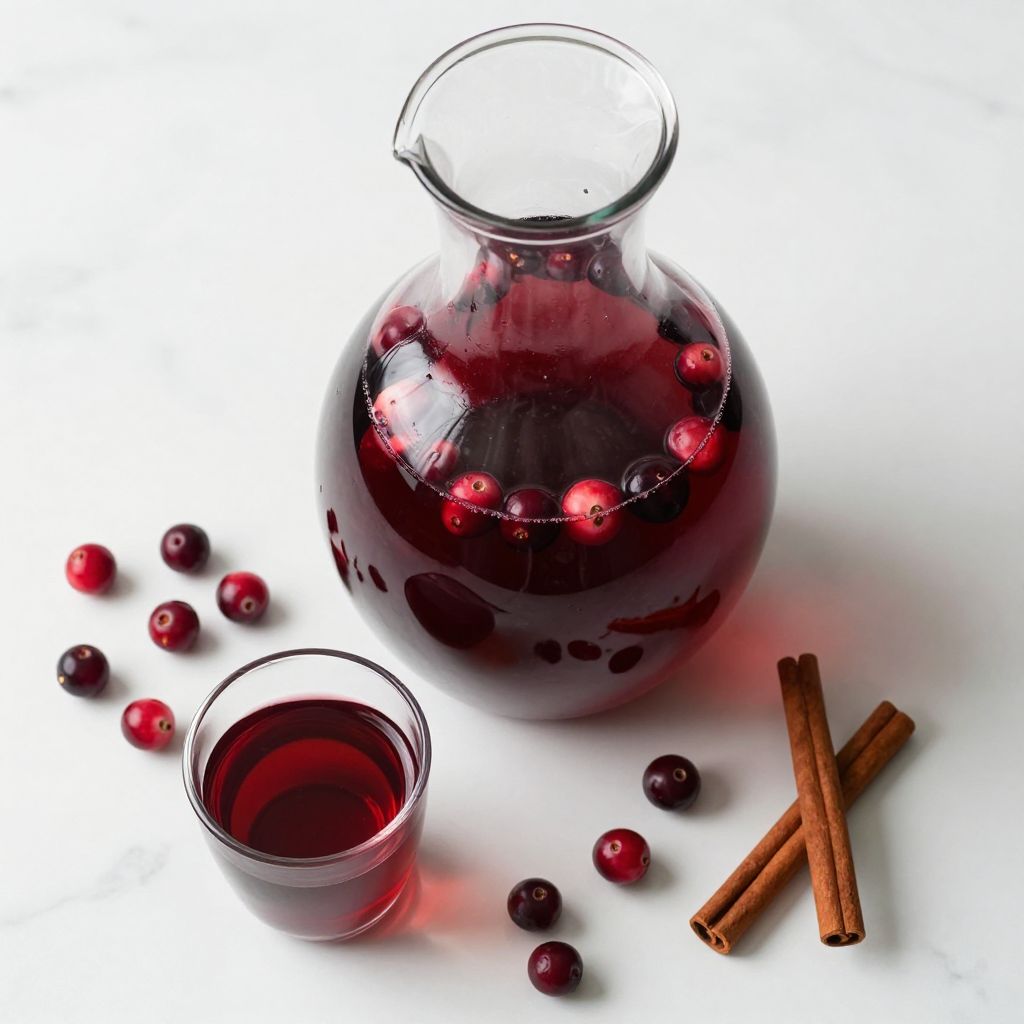
Cranberry Wine
Ingredients
Equipment
Method
- Wash the cranberries thoroughly to remove any dirt or impurities.
- In a large pot, combine the cranberries and water. Bring to a boil, then reduce heat and let simmer for about 30 minutes to extract the juices.
- Strain the mixture through a strainer or cheesecloth into the fermenter.
- While the juice is still warm, stir in the sugar until fully dissolved.
- Allow the mixture to cool to room temperature before adding yeast.
- Once cooled, sprinkle the wine yeast over the surface and add potassium metabisulfite and pectic enzyme if using.
- Seal the fermenter with an airlock.
- Let the mixture ferment for about 1 to 2 weeks, checking periodically.