
There’s something quietly magical about steeping a cup of clover tea on a lazy afternoon, watching the delicate petals unfurl and release their subtle floral sweetness into hot water.
This gentle herbal brew has been cherished for centuries, valued not just for its calming taste but for its potential wellness benefits and surprising versatility in the kitchen.
Clover tea delivers a light, naturally sweet flavor with earthy undertones that feels like a warm hug without any heaviness or caffeine jitters.
Whether you’re new to herbal teas or a seasoned tea enthusiast, this recipe shows you how to craft the perfect cup from dried clover blossoms, plus creative ways to use this humble flower beyond your teapot.
Why You’ll Love This Recipe
This recipe offers simplicity with genuine flavor and multiple ways to enjoy clover in your daily routine.
- Caffeine-free and naturally sweet, perfect for any time of day
- Takes just five minutes to brew, ideal for busy mornings or bedtime rituals
- Packed with antioxidants and traditionally linked to calming and anti-inflammatory benefits
- Works beautifully on its own or blended with other herbs like chamomile or mint
- Budget-friendly, especially if you grow or forage your own clover
My Experience Making This Recipe
The first time I made clover tea, I was skeptical that something so simple could taste this good. Within the first sip, the delicate floral notes with a hint of honey-like sweetness completely won me over.
I’ve since brewed countless batches for friends and family, and everyone asks the same question: “What makes this taste so good?” The secret is respecting the ingredient itself and not overthinking the process.
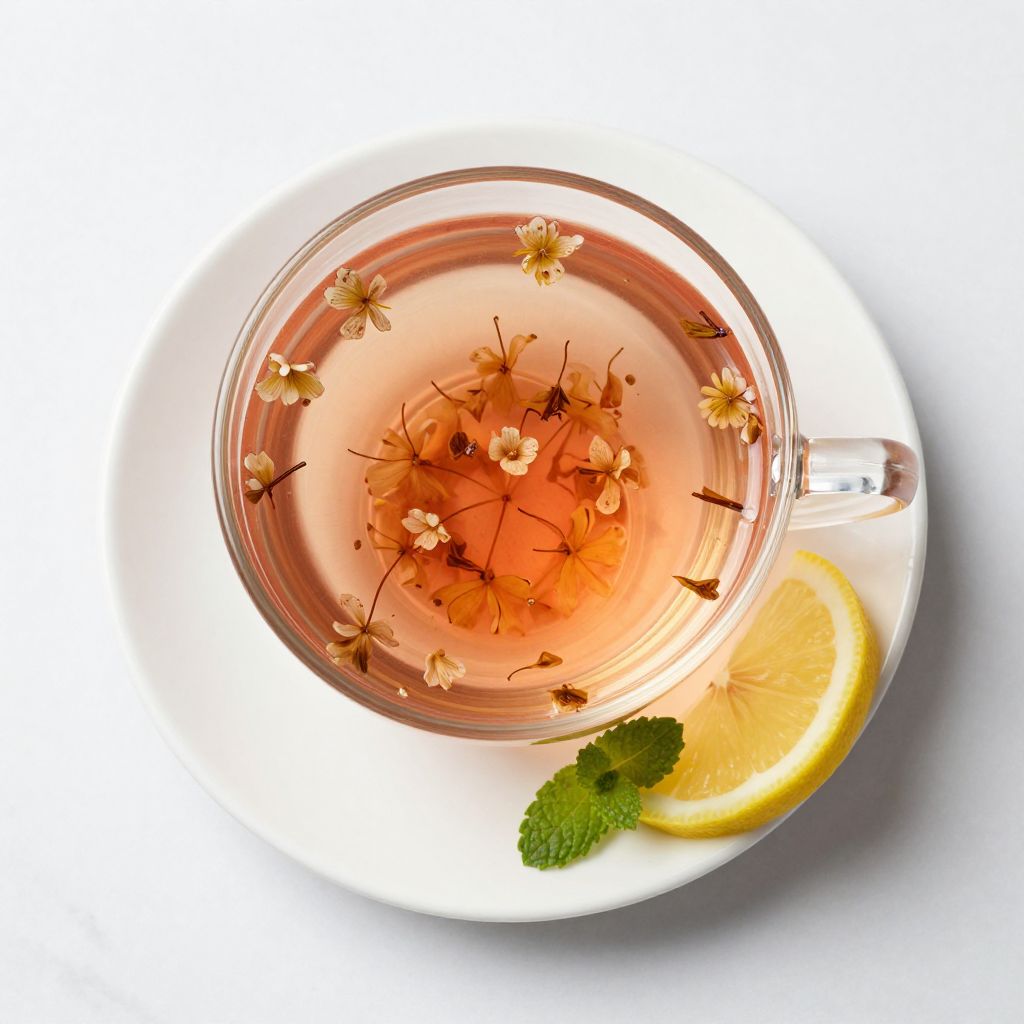
My favorite moment is watching the dried petals slowly open in the hot water, transforming from tight little buds into a pretty pink-tinted infusion that feels as nourishing as it tastes.
Recipe Overview
- Recipe Name: Clover Tea
- Servings: 1 cup
- Prep Time: 2 minutes
- Brew Time: 5 minutes
- Total Time: 7 minutes
- Course: Beverage
- Cuisine: Herbal/Traditional
- Calories per Serving: 0 (without added sweetener)
Equipment You Will Need
- Kettle or pot for heating water
- Teacup or mug
- Tea infuser, strainer, or fine-mesh sieve
- Measuring spoon
- Thermometer (optional but helpful)
Ingredients for Clover Tea
- Dried clover blossoms: 1 to 1.5 teaspoons per cup
- Hot water: 8 to 10 ounces (one cup)
- Honey, agave, or maple syrup (optional): 1/2 to 1 teaspoon
- Fresh lemon juice (optional): a squeeze for brightness
- Fresh mint leaves (optional): a few leaves for extra flavor
Ingredient Notes and Substitutions
- Dried clover blossoms: These provide the signature floral, subtly sweet flavor and the therapeutic compounds clover is known for. If unavailable, red clover tea is slightly earthier, while white clover offers a milder taste, and both work beautifully in this recipe.
- Hot water: Water temperature matters here; aim for 160 to 180 degrees Fahrenheit to avoid bitterness that can happen with boiling water. If you don’t have a thermometer, let boiled water cool for two to three minutes.
- Sweetener: Honey complements clover’s natural sweetness perfectly, but maple syrup brings earthiness and agave dissolves cleanly without changing the flavor profile.
- Lemon juice: A squeeze brightens the tea and enhances the floral notes, though it’s entirely optional if you prefer the pure clover taste.
- Fresh mint: Adding a few mint leaves creates a refreshing twist, though dried mint works just as well if that’s what you have on hand.
How to Make Clover Tea
Step 1: Gather Your Materials
Collect your dried clover blossoms, measuring spoon, mug, and tea infuser or strainer before you start. Having everything ready means you won’t fumble around once the water is hot, which helps preserve the delicate flavors.
Step 2: Heat Your Water
Pour eight to ten ounces of fresh water into your kettle and heat it until steam rises visibly, then remove it from the heat. Avoid letting water reach a rolling boil, since excessively hot water can make the tea taste bitter or astringent.
Step 3: Measure Your Clover
Place one to one and a half teaspoons of dried clover blossoms into your tea infuser or directly into your mug if you’re using a strainer. The exact amount depends on how strong you like your tea; start with one teaspoon and increase next time if you want deeper flavor.
Step 4: Pour the Water Over the Clover
Slowly pour the hot water over your measured clover blossoms, making sure all the petals are fully submerged. This gentle pour helps the blossoms open evenly and release their flavors gradually into the water.
Step 5: Let It Steep
Allow the tea to steep for five minutes, resisting the urge to squeeze or press the infuser. The longer steeping time extracts the delicate floral notes without overdoing it, which happens quickly with such a light ingredient.
Step 6: Strain Your Tea
Carefully pour the tea through a strainer into your cup, or gently remove the infuser and set it aside. You should see a pale pink to golden liquid with a subtle floral aroma.
Step 7: Add Optional Flavor Boosters
Stir in a squeeze of fresh lemon juice if you like brightness, or add a teaspoon of honey for natural sweetness. Both additions complement the clover without overwhelming its delicate character, though your tea is perfectly lovely plain.
Step 8: Serve Immediately
Sip your tea while it’s still warm, which is when the flavors and aromas are most vibrant. This is the moment to sit down, take a breath, and enjoy the simple pleasure of a well-made cup.
Pro Tip: Don’t squeeze or press your tea infuser when you remove it; this releases bitter compounds from the clover stems and ruins the smooth, clean taste you’ve worked to achieve.
Tips for the Best Clover Tea
- Use fresh, high-quality dried clover blossoms with a bright color and strong floral aroma; dull, dusty blossoms indicate age and diminished flavor.
- Store your dried clover in an airtight container away from direct sunlight and heat to preserve its delicate qualities for up to six months.
- Experiment with water temperature by starting at 160 degrees Fahrenheit, then adjust up or down depending on how you like the flavor intensity.
- Try blending clover with other calming herbs like chamomile or lavender to create your own signature tea blend.
- Make a batch of cold clover tea by steeping the blossoms in room-temperature water overnight in the refrigerator for a refreshing summer drink.
- If you grow clover in your garden, harvest the blossoms at midday when they’re fully open, then dry them flat on a clean cloth for two to three weeks.
Common Mistakes to Avoid
- Using boiling water: Temperatures above 200 degrees Fahrenheit extract too many tannins, making your tea taste harsh and bitter instead of floral and sweet.
- Steeping too long: Beyond seven minutes, the tea becomes over-extracted and loses its delicate character, tasting flat or woody.
- Using too much clover: Doubling the amount doesn’t necessarily improve flavor; it often creates a muddled, overwhelming taste that loses the subtle notes.
- Pressing or squeezing the infuser: This aggressive action releases unwanted bitter compounds from the plant material and muddies the clean, light flavor.
- Using old or low-quality dried clover: Stale blossoms have lost their aromatic oils and won’t deliver the floral sweetness that makes this tea special.
Serving Suggestions
Clover tea shines in quiet moments, whether you’re starting your morning or winding down before bed. Serve it alongside light snacks or simple foods that won’t compete with its delicate flavor.
- Pair with fresh honey cakes, shortbread cookies, or plain vanilla biscuits for an afternoon tea experience
- Enjoy with a bowl of oatmeal or yogurt with berries for a soothing breakfast ritual
- Serve alongside fresh fruit like sliced pears or strawberries for a light, refreshing pairing
- Drink plain before bed as part of a calming evening routine, especially blended with chamomile
- Offer to guests as a unique, healthful alternative to coffee or regular tea
Variations to Try
- Clover and Honey: Blend dried clover with local honey before steeping to create a naturally sweetened version that tastes like liquid flowers and requires no additional sweetener.
- Cold Brew Clover Tea: Steep clover blossoms in room-temperature water overnight in the refrigerator, then strain for a smooth, less astringent cold drink perfect for summer.
- Clover and Mint Blend: Combine one teaspoon of clover with a handful of fresh mint leaves for a cooling, refreshing tea that works hot or cold.
- Clover Lavender Harmony: Mix clover blossoms with dried lavender buds in equal parts for a more floral, calming blend with herbal depth.
- Clover and Citrus: Add dried lemon peel or orange zest to your dried clover for brightness and a subtle citrus note that complements the floral sweetness.
Dietary Adaptations
- Vegan: Clover tea is naturally vegan; simply skip honey and use agave nectar or maple syrup as your sweetener if desired.
- Gluten-Free: Pure dried clover blossoms contain no gluten; just verify your source to ensure no cross-contamination during drying or storage.
- Low-Carb and Keto: Unsweetened clover tea has zero carbs; avoid honey and opt for stevia or erythritol if you want sweetness without carbs.
- Paleo: Clover tea fits perfectly into paleo eating; use raw honey as your only sweetener to stay aligned with paleo principles.
Storage and Reheating
Refrigerator
Store brewed clover tea in a glass container with a tight-fitting lid for up to three days in the refrigerator. Keep dried clover blossoms in an airtight container away from light and heat for up to six months.
- Label your container with the date you brewed the tea to track freshness
- Store dried clover in a cool, dark cupboard or pantry away from spices and strong-smelling foods
Freezer
Freeze brewed clover tea in ice cube trays for up to three months, then pop out cubes to add to smoothies, lemonades, or reheat into hot tea. This method works better than freezing liquid tea, which can separate.
- Label ice cube trays with the contents and date before freezing
- Thaw frozen tea cubes at room temperature or gently warm them on the stovetop
Reheating
Gently warm refrigerated clover tea on the stovetop over medium-low heat, or microwave it in thirty-second intervals until it reaches your desired temperature. Avoid boiling, which damages the delicate flavors you worked to extract.
- Reheat slowly to preserve the floral notes and prevent the tea from becoming bitter
- Fresh brewed tea always tastes better than reheated, so consider making small batches as needed
Nutrition Information
| Nutrient | Amount |
|---|---|
| Calories | 0 |
| Total Fat | 0 g |
| Saturated Fat | 0 g |
| Carbohydrates | 0 g |
| Fiber | 0 g |
| Sugar | 0 g |
| Protein | 0 g |
| Sodium | 0 mg |
| Cholesterol | 0 mg |
This nutrition information reflects plain clover tea brewed with water only and no added sweeteners. Adding honey, agave, or other sweeteners will increase the calorie and sugar content.
Frequently Asked Questions
Can I use fresh clover blossoms instead of dried?
Yes, use three to four times the amount of fresh clover since fresh blossoms contain more water and are less concentrated than dried. The brewing time remains the same at about five minutes.
Is clover tea safe for pregnancy?
Red clover tea has been traditionally used during pregnancy and breastfeeding, though you should always consult your doctor or midwife before consuming herbal teas during pregnancy. Individual circumstances vary, and professional guidance is essential.
Can I make clover tea in a French press or teapot?
Absolutely; simply add your measured clover blossoms directly to the French press or teapot, pour hot water over them, let steep for five minutes, then press or pour carefully into your cup. This method works beautifully and allows you to watch the petals open.
Why does my clover tea taste bitter?
Bitter tea usually results from water that’s too hot, steeping that’s too long, or poor-quality dried clover with broken stems. Lower your water temperature to 160 degrees, reduce steeping to four minutes, and invest in fresher clover from a reputable supplier.
Can I blend clover tea with other herbs?
Yes; clover pairs beautifully with chamomile, lavender, mint, rose petals, and hibiscus, among others. Experiment with equal parts of two herbs, or use clover as your base with smaller amounts of complementary flavors.
How do I know if my dried clover has gone bad?
Expired clover loses its bright color, develops a musty or stale smell, and may feel brittle or disintegrate easily. When in doubt, brew a small test cup; if it tastes flat or dull, it’s time to replace your supply.
Final Thoughts
Making clover tea transforms a simple ingredient into a moment of genuine calm and nourishment in your day. The five-minute brew time and minimal ingredients make it accessible to anyone seeking a caffeine-free alternative that actually tastes good.
Try this recipe this week, and notice how a warm cup of clover tea can become your quiet ritual. Share it with friends and family, grow your own clover if you’re able, and discover why this gentle flower has been treasured for so long.
Explore More Herbal Tea Recipes
Once you’ve mastered clover tea, you’ll want to explore other nourishing herbal brews that support your wellness and bring joy to your kitchen.
Discover the gentle detoxifying properties of lymphatic drainage tea for a different approach to herbal wellness.
Learn how to make mullein tea, another traditional herb with its own unique flavor profile and benefits.
Clover Tea
Ingredients
Equipment
Method
- Gather dried clover blossoms, measuring spoon, mug, and tea infuser or strainer.
- Heat 8 to 10 ounces of water in a kettle to 160–180°F, then remove from heat and let cool for 2–3 minutes if necessary.
- Place 1 to 1.5 teaspoons of dried clover blossoms into the tea infuser or directly into the mug.
- Slowly pour the hot water over the blossoms, ensuring all petals are submerged.
- Let the tea steep undisturbed for 5 minutes without pressing the infuser.
- Strain the tea into a cup by removing the infuser or pouring through a fine-mesh sieve.
- Add a squeeze of lemon juice and 1/2 to 1 teaspoon of sweetener, or fresh mint leaves if desired.
- Serve immediately and enjoy warm, avoiding reheating above simmer to preserve delicate flavors.