
Picture a warm summer evening, a glass of chilled wine in hand, and the sweet aroma of ripe peaches wafting through the air. The Canned Peach Wine recipe is a delightful way to capture that essence, turning simple canned peaches into a refreshing drink that’s perfect for any occasion.
This recipe shines with its bright, fruity flavor and ease of preparation. With just a handful of ingredients and a bit of patience, you can create a homemade wine that will impress your friends and elevate your gatherings. Let’s get started with the ingredients you’ll need.
Why You’ll Love This Recipe
This recipe is a true crowd-pleaser that’s both fun to make and enjoyable to sip. Here are a few reasons to love it:
- Bright and fruity flavor that’s refreshing.
- Easy to make with just a few ingredients.
- Perfect for summer gatherings or a cozy night in.
- Allows you to use canned peaches, making it accessible year-round.
- Can be customized with spices or additional fruits.
My Experience Making This Recipe
The first time I made this wine, I was amazed at how simple the process was. Watching the transformation from canned fruit to a lovely beverage was truly rewarding.
When I shared it with friends, their reactions were priceless. They couldn’t believe I had made it myself, and we enjoyed the first sips together while basking in the sunset.
Recipe Overview
- Recipe Name: Canned Peach Wine
- Servings: 6-8
- Prep Time: 15 minutes
- Cook Time: 2 weeks (fermentation)
- Total Time: 2 weeks and 15 minutes
- Course: Beverage
- Cuisine: American
- Calories per Serving: Approximately 150
Equipment You Will Need
- Large glass jar or fermentation vessel
- Airlock and stopper
- Measuring cups and spoons
- Funnel
- Strainer or cheesecloth
- Clean bottles for storage
Ingredients for Canned Peach Wine
- 1 can (29 oz) of peaches in syrup
- 1 cup of sugar
- 1 teaspoon of yeast (wine yeast is preferred)
- 4 cups of water
- 1/2 teaspoon of lemon juice
Ingredient Notes and Substitutions
- Canned Peaches: They provide sweetness and flavor. You can substitute with fresh peaches if you have them in season.
- Sugar: It helps in fermentation and flavor. Brown sugar or honey can be used for a different taste.
- Yeast: Wine yeast works best for fermentation. Bread yeast can be used but may alter the flavor.
- Water: Tap water is fine, but filtered water will yield a cleaner taste.
- Lemon Juice: Adds acidity for balance. You can use lime juice as an alternative.
How to Make Canned Peach Wine
Step 1: Prepare the Ingredients
Begin by gathering all your ingredients. Having everything at hand makes the process smoother and more enjoyable.
Step 2: Combine Peaches and Water
In your large glass jar, pour the canned peaches along with the syrup. Add 4 cups of water, which helps dilute the sweetness and creates the base for your wine.
Step 3: Add Sugar
Stir in the cup of sugar until it dissolves completely. This step is crucial as the sugar is what the yeast will consume during fermentation.
Step 4: Introduce the Yeast
Sprinkle the yeast over the mixture and gently stir it in. The yeast is the magic ingredient that turns sugar into alcohol.
Step 5: Add Lemon Juice
Add the lemon juice to the mix, enhancing the flavor and providing acidity. This balance is important for a well-rounded wine.
Step 6: Seal the Jar
Fit the airlock and stopper onto the jar. The airlock allows gases to escape while preventing any contaminants from entering.
Step 7: Ferment
Place the jar in a cool, dark area. Let it ferment for about two weeks, checking occasionally to see bubbles in the airlock, which indicate fermentation is happening.
Step 8: Strain and Bottle
After two weeks, strain the mixture through a cheesecloth or strainer into clean bottles. This removes any solids, leaving you with a clear beverage.
Pro Tip: Make sure to taste your wine before bottling. If you want it sweeter, you can add a bit more sugar at this stage.
Tips for the Best Canned Peach Wine
- Use high-quality canned peaches for the best flavor.
- Monitor the fermentation temperature; it should be around 65-75°F.
- Store bottles in a cool, dark place after bottling.
- Patience is key; let it age for a few weeks for improved flavor.
- Experiment with spices like cinnamon or nutmeg for a unique twist.
Common Mistakes to Avoid
- Skipping the airlock: This can lead to spoilage from unwanted bacteria.
- Using too much sugar: It can result in overly sweet wine and hinder fermentation.
- Not straining the mixture: This can leave sediment in your wine, affecting clarity and taste.
- Rushing the fermentation: Allow the full two weeks for the best results.
- Storing in direct sunlight: This can spoil the wine quickly, so keep it in a dark place.
Serving Suggestions
This delightful peach wine is best served chilled, making it a refreshing option for warm days. Here are some pairing ideas:
- Pair with grilled chicken or pork.
- Enjoy with a cheese platter featuring soft cheeses.
- Serve alongside fruit salads for a light dessert.
- Mix with sparkling water for a peach spritzer.
- Great for toasting at summer gatherings or picnics.
Variations to Try
- Add a splash of vodka for a stronger drink.
- Mix in other fruits like berries or citrus for a fruit blend.
- Infuse with herbs such as mint or basil for a fresh twist.
- Try different types of sweeteners like agave or maple syrup.
- Add spices like cloves or ginger for a warm spice note.
Dietary Adaptations
- Gluten-free: This recipe is naturally gluten-free.
- Dairy-free: No dairy ingredients are included, making this suitable for all.
- Vegan: It is completely plant-based, so enjoy without worries.
- Low-carb/Keto: Substitute sugar with a low-carb sweetener for a keto-friendly version.
Storage and Reheating
Refrigerator
Store your peach wine in the refrigerator after bottling. This helps maintain freshness and flavor.
- Use clean bottles to prevent contamination.
- Keep it sealed tightly to avoid oxidation.
Freezer
Freezing wine is not recommended as it can alter the texture and flavor. However, you can freeze wine ice cubes for cocktails.
- Use an ice cube tray to freeze small portions.
- Add to drinks as a refreshing addition.
Reheating
Peach wine is best enjoyed chilled and doesn’t require reheating. However, you can warm it up gently for a cozy drink.
- Heat on low in a saucepan, avoiding boiling.
- Add spices for a warm, comforting drink.
Nutrition Information
| Nutrient | Amount |
|---|---|
| Calories | 150 |
| Total Fat | 0g |
| Saturated Fat | 0g |
| Carbohydrates | 20g |
| Fiber | 1g |
| Sugar | 18g |
| Protein | 0g |
| Sodium | 5mg |
| Cholesterol | 0mg |
This information is an estimate and can vary based on ingredients and serving sizes.
Frequently Asked Questions
Can I use fresh peaches instead of canned?
Yes, fresh peaches work great; just peel and chop them before use.
How long can I store the peach wine?
Homemade peach wine can last for several months in the refrigerator if sealed properly.
Can I make this wine ahead of time?
Absolutely! This wine benefits from aging, so making it a few weeks in advance is ideal.
What if my wine tastes too sweet?
If it’s too sweet, you can dilute it with a bit of water or mix it with a drier wine.
Is it possible to carbonate the peach wine?
Yes, you can carbonate it using a soda maker after fermentation, but be cautious of over-carbonation.
Final Thoughts
This Canned Peach Wine is a delightful project that lets you enjoy the taste of summer all year long. With a bit of patience and creativity, you can create a unique beverage that will impress everyone.
So, gather your ingredients and get started on this fun recipe. And if you’re looking for more inspiration, check out my strawberry wine recipe or explore a classic homemade wine recipe for your next adventure in winemaking.
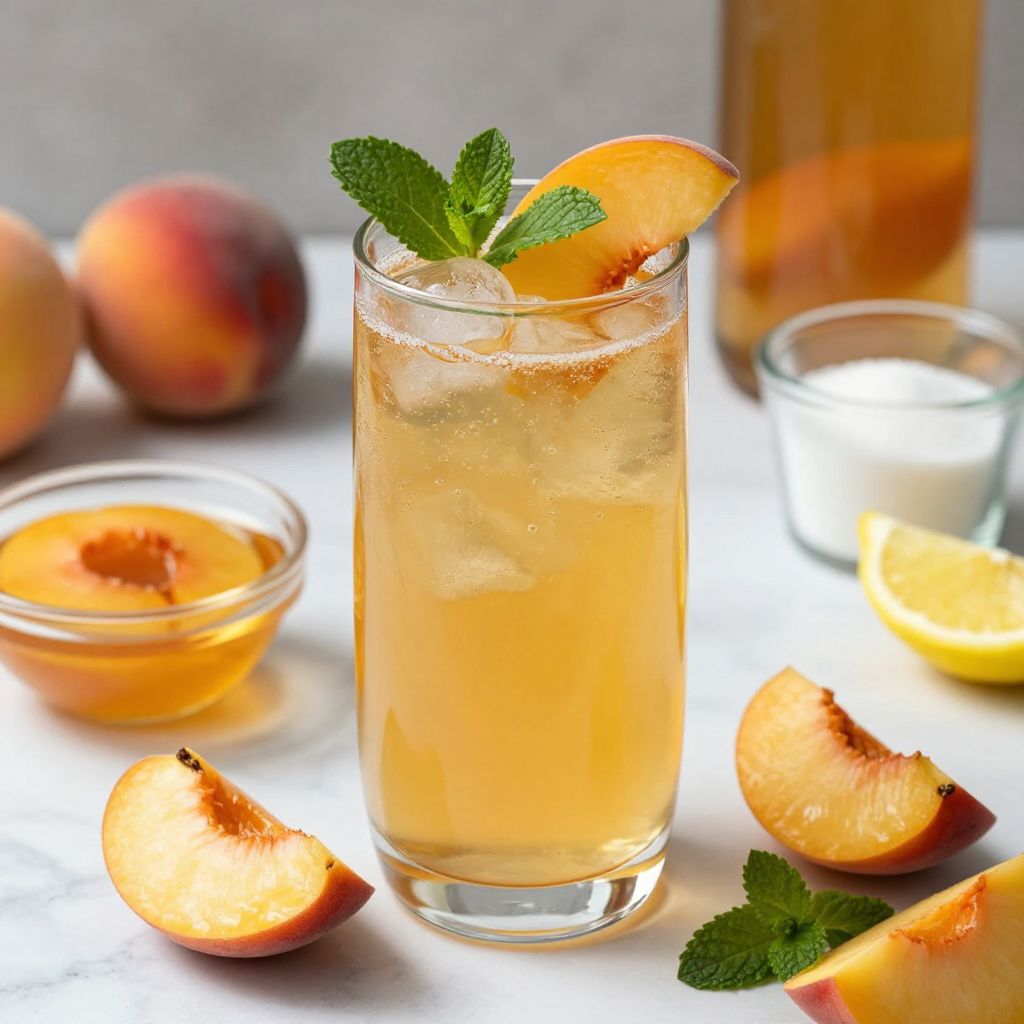
Canned Peach Wine
Ingredients
Equipment
Method
- Gather all your ingredients to make the process smoother.
- Pour the canned peaches with syrup into the large glass jar.
- Add 4 cups of water to the jar.
- Stir in 1 cup of sugar until it completely dissolves.
- Sprinkle 1 teaspoon of yeast over the mixture and gently stir it in.
- Add 1/2 teaspoon of lemon juice to the mix.
- Fit the airlock and stopper onto the jar.
- Place the jar in a cool, dark area and let it ferment for about two weeks.
- After two weeks, strain the mixture through a cheesecloth or strainer into clean bottles.