
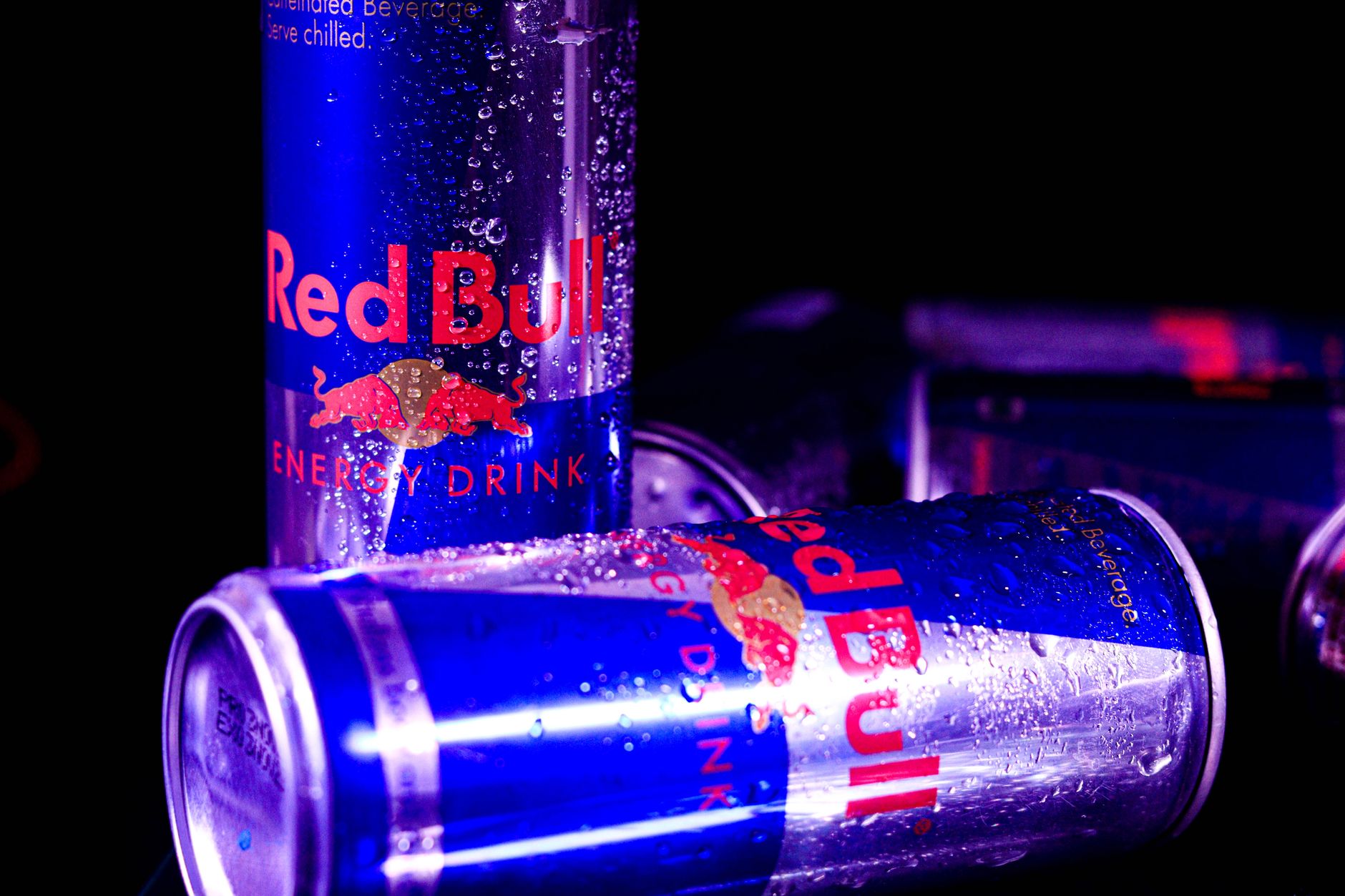
When it comes to pregnancy, many women become more conscious about what they consume, including drinks like energy beverages. As demands on the body increase during pregnancy, the question arises: Can you have an energy drink while pregnant? The answer involves considering caffeine content, potential risks, and healthier alternatives.
This article will delve into the current understanding of energy drinks during pregnancy, explore alternatives, and provide guidance for expecting mothers. Understanding these factors can help you make informed choices that prioritize both your health and your baby’s well-being.
Can You Have An Energy Drink While Pregnant?
The consumption of energy drinks during pregnancy is generally discouraged. Most energy drinks contain high levels of caffeine and sugar, which can pose risks to both the mother and the developing fetus. Additionally, the lack of regulation around these products can make it difficult to fully understand their ingredients and potential effects.
The Risks of Caffeine During Pregnancy
Caffeine intake during pregnancy has been extensively studied, with recommendations suggesting limiting consumption to around 200 milligrams per day. Many energy drinks, however, can contain significantly more caffeine than this limit, leading to potential health risks.
Potential Effects of High Caffeine Intake
- Increased Heart Rate: High caffeine levels can lead to increased heart rates for both mother and baby.
- Increased Risk of Miscarriage: Some studies have suggested that high caffeine consumption may be linked to an increased risk of miscarriage.
- Preterm Birth: There are concerns that excessive caffeine might increase the risk of preterm birth.
- Low Birth Weight: Some research indicates that high caffeine intake could be associated with low birth weight in newborns.
Ingredients in Energy Drinks
Energy drinks often boast a variety of ingredients intended to provide an energy boost. While not all may directly affect pregnancy, some ingredients can have implications worth considering.
Caffeine Content
Caffeine is the primary ingredient in energy drinks, typically ranging from 50 mg to over 500 mg per serving. To put this in perspective, an 8-ounce cup of coffee contains about 95 mg of caffeine. It’s crucial to check the labels carefully and be aware of cumulative caffeine intake from all sources.
Other Stimulants
Energy drinks may also contain other stimulants such as guarana or taurine, which can have additional effects that are not well studied during pregnancy. These compounds can amplify the effects of caffeine, which is concerning for expectant mothers.
High Sugar Content
Many energy drinks contain high levels of sugar, leading to unhealthy weight gain and an increase in gestational diabetes risk. Consuming excessive sugar can affect both maternal and fetal health.
Alternatives to Energy Drinks
If you are looking for an energy boost during pregnancy without the risks associated with energy drinks, consider some healthier alternatives.
Natural Energy Sources
- Fruits: Fresh fruits, particularly bananas and apples, provide natural sugars and fibers that can help increase energy levels without the caffeine crash.
- Smoothies: Make a nourishing smoothie with spinach, avocado, and berries. These ingredients are packed with vitamins and minerals, providing sustained energy.
- Nuts and Seeds: A handful of almonds or sunflower seeds can offer protein and healthy fats for long-lasting energy.
- Herbal Teas: Caffeine-free herbal teas like ginger or peppermint can provide a refreshing pick-me-up and help with common pregnancy discomforts.
Hydration is Key
Staying hydrated is vital during pregnancy. Sometimes, fatigue can be a sign of dehydration. Drinking plenty of water or naturally flavored water (like lemon or cucumber-infused) can improve energy levels without any negative effects.
Consult Your Healthcare Provider
Before making any decisions about your diet during pregnancy, it’s always best to consult with your healthcare provider. They can offer personalized guidance based on your health history and nutritional needs.
Common Questions About Energy Drinks and Pregnancy
What should I do if I accidentally consumed an energy drink while pregnant?
If you have consumed an energy drink during your pregnancy, try not to panic. While moderation is key, if it was a one-time occurrence, it may not have significant effects. However, consulting your healthcare provider is the best course of action for clarity and peace of mind.
Are there any energy drinks that are considered safe during pregnancy?
While no energy drinks are outright labeled as safe for pregnancy, some brands may have lower caffeine content. However, due to the unknown effects of other ingredients, it is advisable to limit or avoid them altogether.
How can I boost my energy without energy drinks?
Focus on a balanced diet rich in fruits, vegetables, whole grains, and lean proteins. Incorporate light exercise approved by your healthcare provider and maintain hydration, as these factors can help improve your overall energy levels.
Final Thoughts
In summary, energy drinks are best avoided during pregnancy due to their high caffeine and sugar content and potential health risks. Opt for natural alternatives, stay hydrated, and maintain a balanced diet to help manage fatigue. It’s crucial to prioritize your health and that of your growing baby.
For more pregnancy-friendly recipes and tips, consider exploring our Date Smoothie Recipe for Pregnancy and our Lactation Smoothie Recipe for nourishing and energizing options.