
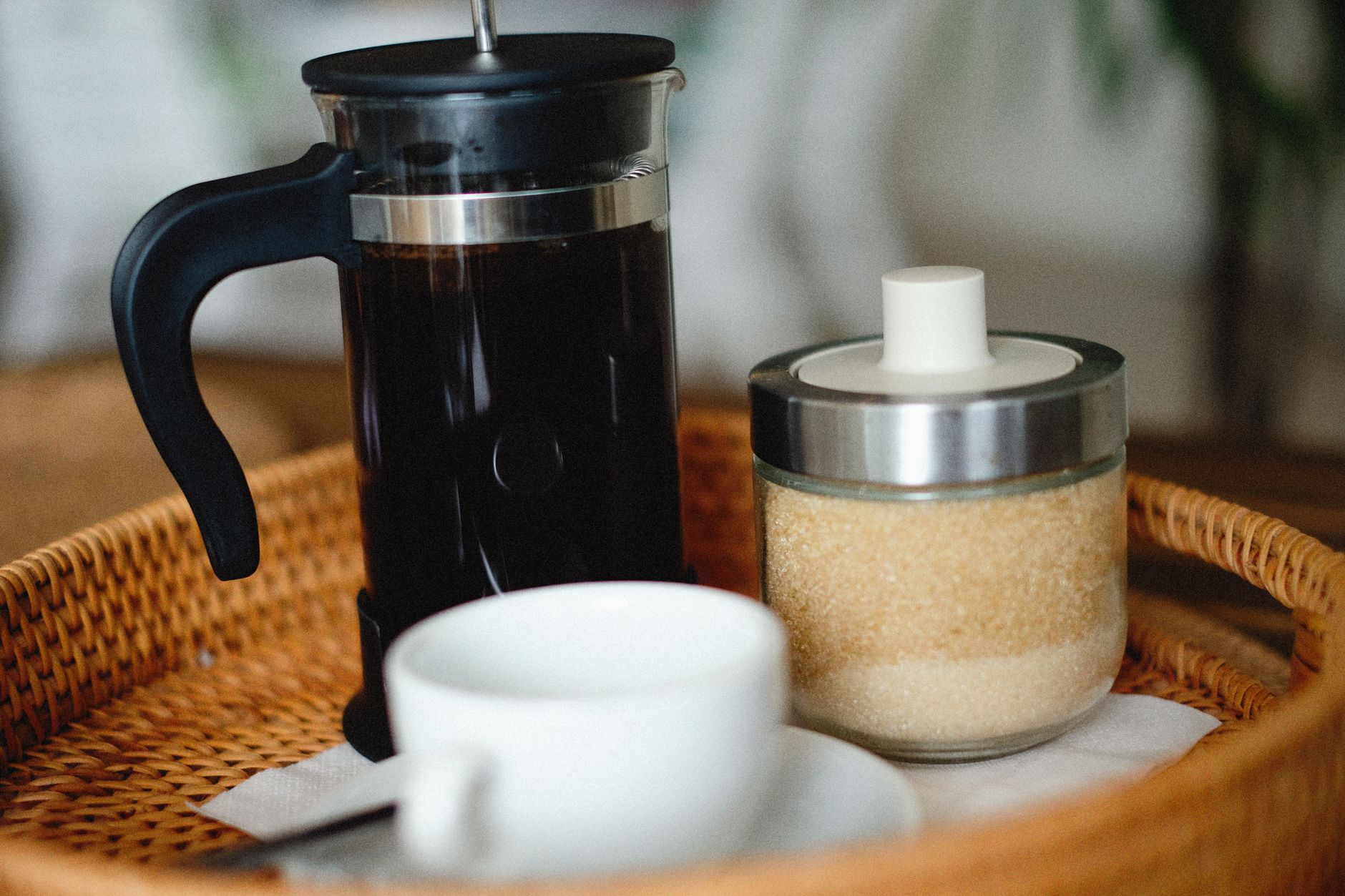
Espresso lovers often find themselves in search of the best method to brew a rich, bold shot of espresso at home. While traditional espresso machines use high pressure to extract flavors, many wonder if a French press can serve as a reliable alternative. This article will explore the feasibility of making espresso in a French press, providing safety tips, techniques, and important considerations.
Understanding how the French press works and how it differs from an espresso machine is crucial to achieving a flavorful brew. While it won’t produce true espresso, the French press can create a strong coffee-like beverage that offers some of the richness coffee enthusiasts crave. Read on to discover how to master this technique.
Can I Make Espresso In A French Press?
While you cannot make true espresso in a French press due to the lack of high pressure, you can create a strong coffee concentrate that mimics some aspects of espresso. By employing specific techniques, you can enhance the flavor and richness of your French press brew, making it a suitable alternative for many coffee drinkers.
Understanding the French Press
The French press, also known as a press pot or plunger pot, is a popular manual coffee-making device appreciated for its simplicity and ability to produce full-bodied coffee. This method uses steeping rather than pressure to extract flavors, resulting in a coarser texture and bolder taste compared to other brewing methods.
- Components: The French press consists of a cylindrical glass or stainless-steel container with a plunger and mesh filter. These components work together to steep coffee grounds in hot water before separating the grounds from the brewed coffee.
- Brew Time: Standard brew times for a French press range from four to five minutes, allowing for full extraction of coffee flavor and oils.
- Grind Size: Coarse grind is recommended for French press brewing, as fine grinds may lead to over-extraction and a bitter taste.
Can It Be Done? Making Espresso-Like Coffee in a French Press
To create a coffee drink that resembles espresso using a French press, focus on ingredients, techniques, and proper ratios. Here’s how to do it effectively.
Equipment Needed
- French press
- Coffee grinder (preferably burr grinder)
- Scale (for precise measurement)
- Kettle for boiling water
- Stirring spoon
- Cup for serving
Ingredients
- Freshly roasted coffee beans (10-12 grams for a single serving, around 2 tablespoons)
- Hot water (about 80-90 ml for a single serving)
Steps to Make Espresso-Like Coffee in a French Press
- Measure and Grind the Coffee: Measure out 10-12 grams of coffee beans for one serving. Use a burr grinder to achieve a fine grind size, similar to that used for espresso, but not as fine as for Turkish coffee. Aim for a texture that resembles granulated sugar.
- Boil Water: Boil water and let it cool slightly for about 30 seconds to achieve the desired temperature of 200°F (93°C), which is optimal for coffee extraction.
- Add Coffee Grounds to French Press: Place the finely ground coffee dust into the French press. Ensure the plunger is pulled up to allow space for the brewing process.
- Pour Water Over Coffee: Slowly pour the hot water over the coffee grounds, making sure all the grounds are saturated. Use a ratio of 1:8 for coffee to water for a strong brew.
- Stir and Steep: Gently stir the mixture with a spoon to ensure even extraction of the coffee. Place the lid on the French press with the plunger pulled up. Let it steep for 4 minutes.
- Press Down the Plunger: After the steeping time, slowly press the plunger down to separate the coffee grounds from the liquid. Ensure you press gently to avoid bitterness. If pressed too forcefully, it can result in a grainy texture.
- Serve Immediately: Pour the brewed coffee into a cup and enjoy immediately to savor the rich flavors. You can enhance it with milk or sugar if desired, but keep in mind that traditional espresso is often enjoyed straight.
Common Mistakes and Troubleshooting
Even seasoned coffee lovers can make mistakes when using a French press to brew coffee. Here are some common issues and their solutions.
- Over-Extraction: If the coffee tastes bitter, it may have been steeped for too long. Aim for a maximum steep time of 4 minutes. Adjust finer or stop steeping earlier next time.
- Under-Extraction: If the coffee lacks flavor, you may have under-steeped it or used coarser grounds. Ensure the grind size is appropriate and try increasing steep time.
- Grainy Texture: If you experience a gritty mouthfeel, it could be due to using too fine a grind or pressing too hard on the plunger. Use the recommended grind size and ease up on the pressure.
- Temperature Issues: Brew temperature is essential. If the water is too cold, extraction will be poor. If too hot, it may result in bitterness. Measure temperatures or use a thermometer if necessary.
Enhancing the Brew: Tips for Best Results
Maximize the flavor and richness of your French press coffee with these useful tips.
- Fresh Coffee Beans: Use freshly roasted coffee beans and grind them just before brewing to preserve aroma and flavor.
- Experiment with Ratios: Adjust the coffee-to-water ratio based on your preference. For a bolder brew, try a 1:7 ratio instead of 1:8.
- Preheat Your French Press: Before brewing, pour hot water into the French press to preheat it. This helps maintain temperature during the brewing process.
- Use Filtered Water: Water quality matters. Using filtered water can improve your coffee’s taste by eliminating impurities.
- Add Flavor Variations: Consider experimenting with different coffee bean origins, as each may bring unique flavor notes that contribute to the final taste.
Storage and Maintenance of Equipment
Proper care for your French press and coffee beans contributes to better flavor and longer-lasting equipment.
- Cleaning Your French Press: After brewing, disassemble the French press and rinse all parts with warm water. Avoid using abrasive materials that can scratch the glass or metal.
- Store Coffee Beans: Store your coffee beans in an airtight container in a cool, dark place to maintain freshness. Avoid storing beans in the refrigerator or freezer, as moisture can affect the flavor.
- Regularly Replace Filters: Depending on usage, the mesh filter may need replacement every few months to prevent clogging and ensure smooth brewing.
Alternatives to French Press for Espresso-Like Coffee
If you’re looking for other methods to make espresso-like coffee at home, consider these alternatives:
- AeroPress: The AeroPress is a versatile brewing device known for its ability to create rich, concentrated coffee. It uses air pressure to push hot water through coffee grounds, producing a brew similar to espresso.
- Moka Pot: This stovetop espresso maker brews coffee by passing boiling water pressurized by steam through ground coffee. It produces stronger coffee than standard brewing methods and is closer to espresso in flavor.
- Espresso Machine: Of course, investing in a dedicated espresso machine is the best way to make true espresso at home. While they can be pricey, they provide the authentic experience and rich flavor that espresso lovers crave.
Safety Considerations
When brewing coffee, there are key safety considerations to keep in mind:
- Hot Water Caution: Always handle boiling water with care to prevent burns. Use kettle handles and wait for the water to cool slightly before pouring.
- Glass Breakage: If using a glass French press, be cautious of impacts that can crack or shatter the glass. Avoid sudden temperature changes that can cause thermal shock.
- Caffeine Content: Be mindful of your caffeine intake, especially if drinking strong coffee or espresso-like drinks. Moderate consumption is usually best for most people.
Conclusion
While making true espresso in a French press is not possible, employing the right techniques can result in a strong coffee concentrate that offers many of the same qualities. With careful attention to grind size, steeping time, and proper ratios, coffee drinkers can enjoy a rich, flavorful brew that satisfies their espresso cravings.
Explore more coffee techniques or projects, such as making cold brew in a French press or an espresso tonic recipe, for a broader range of flavor experiences.