
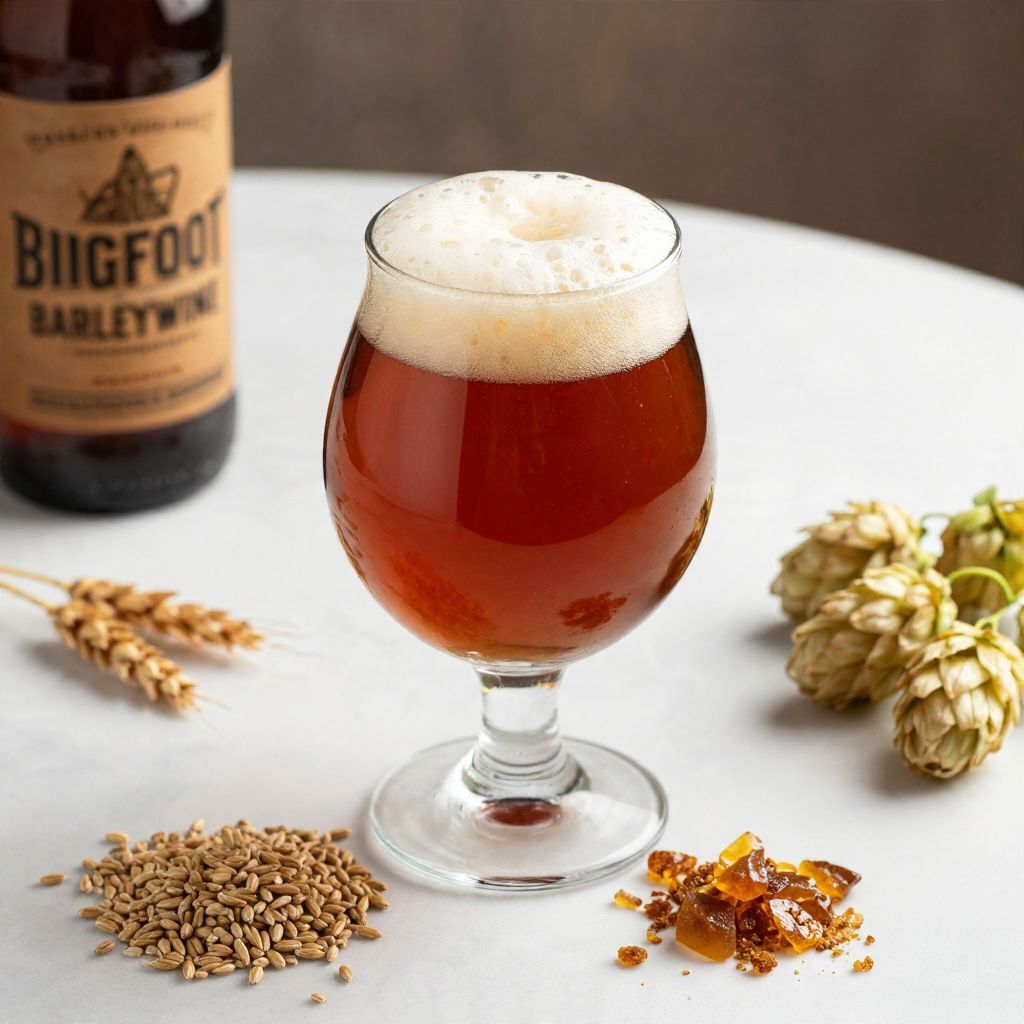
If you’ve ever stood in front of a fireplace with a good book, a rich, warming brew in hand, you know the cozy embrace that a well-crafted barleywine provides. The Bigfoot Barleywine is a standout, known for its robust flavor and smooth finish, making it a favorite among craft beer enthusiasts. This recipe captures its essence, boasting notes of caramel, toffee, and a hint of dark fruit that will warm you from the inside out. Let’s get brewing!
Why You’ll Love This Recipe
This barleywine is perfect for sharing or savoring solo. It’s a rich and flavorful experience.
- Complex flavor profile with a delightful balance of sweetness and bitterness.
- Perfect for aging, enhancing its character over time.
- Ideal for special occasions or as a comforting treat on a chilly evening.
- Customizable with different hop varieties for unique twists.
My Experience Making This Recipe
Brewing my first batch of Bigfoot Barleywine was an adventure filled with anticipation. The aroma of the boiling wort filled my kitchen, wrapping me in a comforting warmth.
When it came time to taste, I was thrilled with the results; the deep amber color and the rich flavors were everything I had hoped for. Sharing this brew with friends turned a simple gathering into a memorable occasion.
Recipe Overview
- Recipe Name: Bigfoot Barleywine
- Servings: About 5 gallons
- Prep Time: 30 minutes
- Cook Time: 90 minutes
- Total Time: 2 hours
- Course: Beverage
- Cuisine: American
- Calories per Serving: Approximately 250
Equipment You Will Need
- Large brew kettle (at least 5 gallons)
- Fermentation vessel with airlock
- Sanitizer for equipment
- Thermometer
- Hydrometer
- Bottling equipment (bottles, caps, capper)
Ingredients for Bigfoot Barleywine
- 14 lbs Pale Malt
- 2 lbs Crystal Malt (60L)
- 0.5 lbs Caramel Malt (120L)
- 1 oz Cascade hops (bittering)
- 1 oz Centennial hops (flavor)
- 1 oz Cascade hops (aroma)
- 1 packet American Ale Yeast (like Wyeast 1056)
- 1 cup Corn sugar (for priming)
- 5 gallons Water (filtered)
Ingredient Notes and Substitutions
- Pale Malt: This is the base malt providing fermentable sugars. You can substitute with other base malts like Pilsner for a lighter flavor.
- Crystal Malt: Adds sweetness and color. Try using Carapils for a different texture.
- Hops: Cascade and Centennial hops provide a lovely hop character. You can experiment with different varieties such as Amarillo for a citrusy note.
- American Ale Yeast: This yeast is versatile and easy to work with. Consider using a Belgian yeast for unique esters and flavors.
How to Make Bigfoot Barleywine
Step 1: Prepare Your Equipment
Sanitize all your brewing equipment thoroughly. This prevents unwanted bacteria from spoiling your brew.
Step 2: Heat the Water
In your brew kettle, heat about 3 gallons of water to around 165°F (73°C). This is crucial for mashing the grains properly.
Step 3: Mash the Grains
Add the crushed grains to the heated water and hold the temperature at 152°F (67°C) for 60 minutes. This activates enzymes that convert starches to sugars.
Step 4: Sparge the Grains
After mashing, rinse the grains with hot water to extract more sugars. This is known as sparging and helps maximize your yield.
Step 5: Boil the Wort
Bring the wort to a boil, then add the bittering hops. Boil for 60 minutes, adding flavor hops in the last 15 minutes and aroma hops in the final minute.
Step 6: Cool the Wort
Cool the wort quickly using a wort chiller or an ice bath. Rapid cooling helps prevent contamination and improves clarity.
Step 7: Fermentation
Transfer the cooled wort to your fermentation vessel and pitch the yeast. Seal it with an airlock and place it in a dark, temperature-controlled area.
Step 8: Bottling
Once fermentation is complete, mix the corn sugar with a little water and add it to the beer before bottling. This helps carbonate your brew.
Pro Tip: Patience is key. Allow your barleywine to age for a few months for the best flavor development.
Tips for the Best Bigfoot Barleywine
- Use fresh ingredients for the best flavors; stale hops can ruin your brew.
- Keep your brewing area clean and sanitized to avoid spoilage.
- Monitor fermentation temperature closely; too high can produce off-flavors.
- Consider barrel-aging for added complexity and depth.
- Experiment with different hop combinations for unique results.
Common Mistakes to Avoid
- Skipping sanitization can lead to sour beer; cleanliness is non-negotiable.
- Not monitoring temperatures can result in unwanted flavors; invest in a good thermometer.
- Rushing the fermentation process leads to unbalanced flavors; give it time.
- Using too much sugar in bottling can create overcarbonation; measure carefully.
Serving Suggestions
This barleywine pairs beautifully with rich foods and desserts. Consider these pairing ideas:
- Grilled meats with a sweet glaze.
- Chocolate desserts or cheesecakes.
- Strong cheeses like blue cheese or aged cheddar.
- Spicy foods, which contrast nicely with the sweetness.
Variations to Try
- Add fruit puree during fermentation for a fruity twist.
- Incorporate spices like cinnamon or vanilla for a seasonal flavor.
- Experiment with different malt profiles for varied sweetness.
- Use different hop varieties to create unique aromatic experiences.
Dietary Adaptations
- Gluten-free: Use gluten-free grains like sorghum or millet.
- Dairy-free: This recipe is naturally dairy-free.
- Vegan: All ingredients are vegan-friendly.
- Low-carb/keto: Reduce malt quantity and use low-carb sugars.
Storage and Reheating
Refrigerator
Store your bottled barleywine in a cool, dark place. Proper storage helps maintain flavor.
- Keep bottles upright to prevent sediment disturbance.
- Consume within a year for optimal taste.
Freezer
Freezing beer is not recommended as it can alter flavor and carbonation. Always store in the refrigerator.
- If necessary, store in a deep freeze for short periods.
Reheating
Reheating is not applicable for beer. Enjoy it chilled or at room temperature as preferred.
Nutrition Information
| Nutrient | Amount |
|---|---|
| Calories | 250 |
| Total Fat | 0g |
| Saturated Fat | 0g |
| Carbohydrates | 20g |
| Fiber | 0g |
| Sugar | 1g |
| Protein | 2g |
| Sodium | 10mg |
| Cholesterol | 0mg |
Nutrition values may vary based on specific ingredients used and brewing methods.
Frequently Asked Questions
Can I add different hops?
Yes, you can experiment with various hop types to change the aroma and flavor profile.
How long can I store this barleywine?
It can be stored for up to a year, but it’s best enjoyed fresh or after a few months of aging.
Can I make this a make-ahead recipe?
Absolutely! Brew it a few months in advance for the best flavors to develop.
What if my barleywine is too sweet?
If it’s too sweet, consider using less malt in your next batch or adjust the hops for balance.
What is the best temperature to ferment at?
A temperature around 65-70°F (18-21°C) is ideal for most ale yeasts including the one used in this recipe.
Final Thoughts
Brewing your own Bigfoot Barleywine is a rewarding journey that brings comfort and warmth. With practice and patience, each batch will become a cherished creation.
So gather your ingredients, roll up your sleeves, and enjoy the process. If you’re curious about more delicious brews, check out this stout recipe or try your hand at making blackberry mead for something fruity!
Bigfoot Barleywine
Ingredients
Equipment
Method
- Sanitize all your brewing equipment thoroughly.
- In your brew kettle, heat about 3 gallons of water to around 165°F (73°C).
- Add the crushed grains to the heated water and hold the temperature at 152°F (67°C) for 60 minutes.
- After mashing, rinse the grains with hot water to extract more sugars.
- Bring the wort to a boil, then add the bittering hops. Boil for 60 minutes, adding flavor hops in the last 15 minutes and aroma hops in the final minute.
- Cool the wort quickly using a wort chiller or an ice bath.
- Transfer the cooled wort to your fermentation vessel and pitch the yeast.
- Seal it with an airlock and place it in a dark, temperature-controlled area.
- Once fermentation is complete, mix the corn sugar with a little water and add it to the beer before bottling.