
The first time I fermented beetroot kanji at home, my kitchen filled with a tangy, earthy aroma that made me realize I’d been missing something special in my cooking routine.
Beetroot kanji is a traditional Indian fermented drink that transforms simple beets into a probiotic powerhouse bursting with complex flavors and natural fizz.
This recipe delivers on three fronts: it’s surprisingly easy to make, incredibly affordable, and creates a drink that tastes like your kitchen invested in a fancy fermentation setup (it didn’t).
The magic happens in a jar over a few days as wild fermentation works its charm, developing a drink that’s equal parts tangy, sweet, and utterly addictive.
Why You’ll Love This Recipe
Beetroot kanji brings together simplicity and sophistication in a single jar, giving you a living probiotic drink that costs pennies to make.
- Naturally fermented with zero added probiotics or supplements
- Ready in 3 to 5 days with minimal hands-on time
- Transforms humble beets into a drink packed with natural enzymes and beneficial bacteria
- Works as an appetite stimulant, digestive aid, or refreshing sipper
- Costs a fraction of store-bought fermented beverages
My Experience Making This Recipe
I first made kanji after visiting my grandmother, who kept jars fermenting on her kitchen counter like edible science experiments. She swore by the drink for digestion and energy, and after my first glass, I understood why.
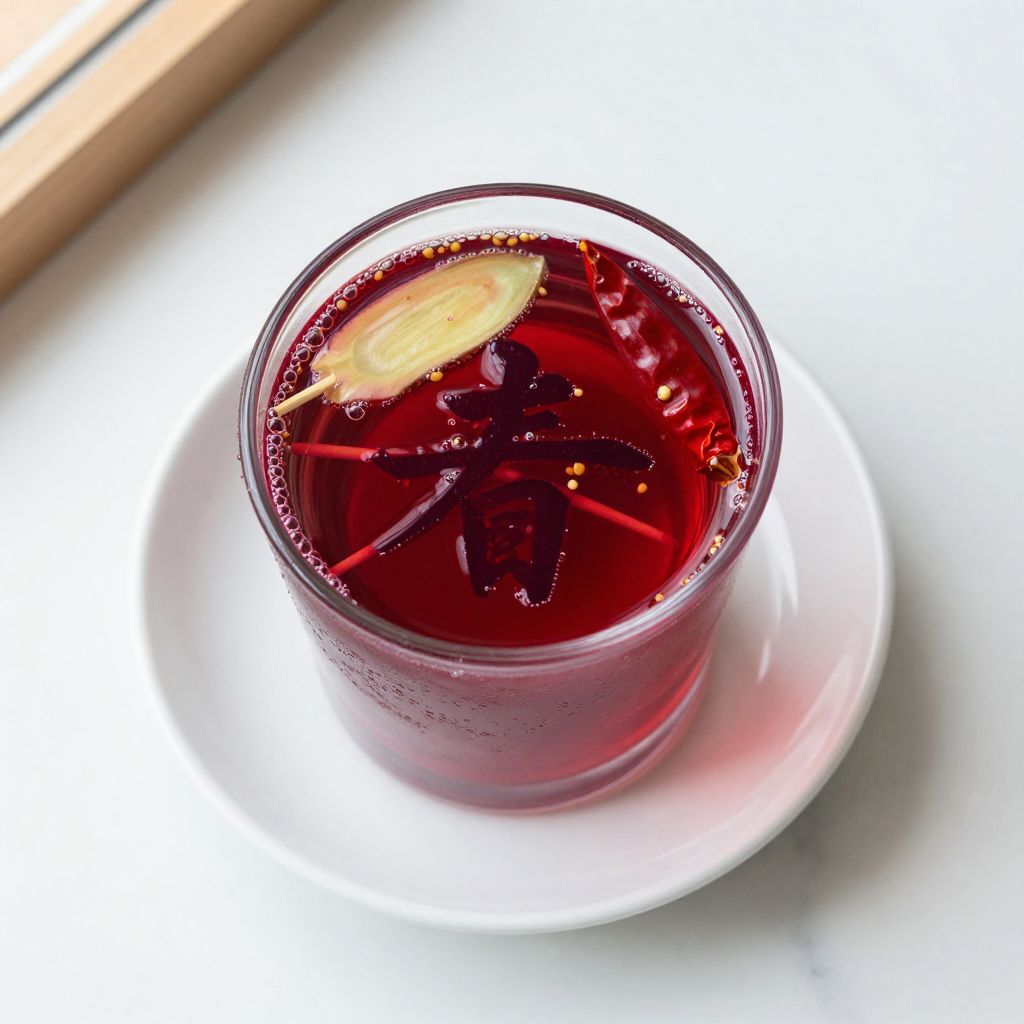
The process itself is meditative: cutting beets, watching the brine turn deep crimson, then waiting with quiet anticipation as fermentation does the heavy lifting. By day three, tiny bubbles appear, signaling that wild yeast and bacteria are transforming the mixture into something alive and crackling with flavor.
My family now requests it constantly, especially on hot afternoons when a small glass cuts through thirst with its sharp, refreshing bite. The drink tastes nothing like plain beet juice; it’s funkier, more complex, and genuinely crave-worthy.
Recipe Overview
- Recipe Name: Beetroot Kanji
- Servings: 8 to 10 servings (makes approximately 1 liter)
- Prep Time: 15 minutes
- Cook Time: 0 minutes
- Total Time: 3 to 5 days (mostly hands-off fermentation)
- Course: Beverage
- Cuisine: Indian
- Calories per Serving: 15 calories
Equipment You Will Need
- One clean 1-liter glass jar with a wide mouth
- Cutting board
- Sharp knife
- Wooden spoon or chopstick for stirring
- Cheesecloth or clean kitchen cloth
- Rubber band or jar ring
- Fine mesh strainer
- Glass bottles for storing finished kanji
Ingredients for Beetroot Kanji
- Beetroots: 500 grams (about 4 medium beets), peeled and cut into thin sticks or cubes
- Black salt (kala namak): 1 tablespoon, or regular sea salt if unavailable
- Red chili peppers: 2 dried whole peppers (or 1 teaspoon red chili powder)
- Mustard seeds: 1/2 teaspoon
- Ginger: One 1-inch piece, thinly sliced
- Filtered water: 1 liter (about 4 cups)
Ingredient Notes and Substitutions
- Beetroots: The star ingredient that gives kanji its color, earthiness, and natural sugars for fermentation. If beets are unavailable, carrots work but deliver milder results and less probiotic activity.
- Black salt (kala namak): Adds a distinctive tangy, sulfurous note that defines authentic kanji. Regular sea salt works fine but produces a less complex flavor.
- Red chili peppers: Contribute heat and antimicrobial properties that support fermentation. If you dislike spice, reduce to 1 pepper or substitute with 1/2 teaspoon black peppercorns for gentler warmth.
- Mustard seeds: Amplify the fermented funk and add a subtle bite. Fenugreek seeds offer a similar depth if mustard isn’t available.
- Ginger: Introduces warmth and aids digestion while supporting fermentation. Omit entirely for a plainer version, though ginger’s benefits are worth keeping it.
How to Make Beetroot Kanji
Step 1: Prepare Your Jar and Ingredients
Wash your glass jar thoroughly with hot water and soap, then rinse well and allow it to air dry completely. Clean equipment prevents unwanted mold and ensures beneficial fermentation bacteria dominate the ferment.
Step 2: Cut the Beetroots
Peel the beetroots and cut them into thin sticks or small cubes roughly the size of matchsticks or dice. Smaller pieces ferment faster and release their sugars and color more readily into the brine.
Step 3: Measure and Combine the Dry Spices
In a small bowl, combine the black salt, mustard seeds, red chili peppers (broken into pieces if using whole), and sliced ginger. Mixing these before adding them ensures even distribution throughout the ferment.
Step 4: Layer the Beets and Spices in the Jar
Add half the prepared beet pieces to the clean jar, then sprinkle half the spice mixture over them. Top with the remaining beets, then finish with the remaining spice mixture for balanced flavor throughout.
Step 5: Pour the Water
Pour the room-temperature filtered water over the beets and spices until the jar is filled to within an inch of the rim. Use filtered or boiled water that has cooled to avoid introducing chlorine or harmful microorganisms.
Step 6: Stir and Mix Thoroughly
Using a clean wooden spoon or chopstick, stir the mixture for about 30 seconds to ensure the salt and spices distribute evenly. This prevents pockets of oversalted brine and encourages uniform fermentation.
Step 7: Cover the Jar Loosely
Place the cheesecloth or clean kitchen cloth over the jar opening and secure it with a rubber band or jar ring. The cloth allows airflow for aerobic fermentation while blocking dust and insects.
Step 8: Ferment at Room Temperature
Set the jar on a kitchen counter away from direct sunlight and leave it undisturbed for 3 to 5 days, depending on room temperature and your taste preference. Warmer kitchens (around 70 to 75 degrees Fahrenheit) ferment faster than cooler ones.
Step 9: Check for Fermentation Signs
By day two or three, you’ll notice tiny bubbles rising through the liquid and a pleasant tangy aroma developing. These signs confirm that fermentation is active and proceeding as intended.
Step 10: Taste and Decide When It’s Ready
On day three, carefully pour a small amount into a glass and taste it; the flavor should be noticeably tangy and complex. If it tastes too mild, cover it again and ferment for another day or two until the tanginess reaches your preference.
Step 11: Strain the Kanji
Once fermentation reaches your desired level, place a fine mesh strainer over a clean bowl and pour the kanji through it, catching the liquid while discarding the softened beet pieces and spices. Save the liquid; this is your finished kanji.
Step 12: Bottle and Refrigerate
Transfer the strained kanji into clean glass bottles and refrigerate immediately to slow fermentation and preserve the flavor. Cold storage keeps the kanji fresh for up to 3 weeks.
Pro Tip: The fermented beet solids left in the strainer make an excellent spicy side dish when mixed with salt and served alongside meals; don’t discard them.
Tips for the Best Beetroot Kanji
- Use fresh beets with no soft spots or blemishes, as decay speeds up unwanted fermentation. Quality beets ferment more reliably and deliver cleaner, brighter flavor.
- Keep the fermentation temperature between 65 and 75 degrees Fahrenheit for optimal flavor development. Cooler kitchens take longer; warmer ones speed things up.
- Resist the urge to stir or disturb the jar during fermentation, as this disrupts the fermentation process. One gentle stir on day one is enough.
- Taste the kanji on day three before deciding it’s finished; fermentation varies based on temperature and ingredients. Some prefer it milder, others love the tang of day five.
- Always use filtered water or boiled-then-cooled water to avoid chlorine, which inhibits fermentation. Tap water’s chlorine can prevent beneficial bacteria from establishing.
- Store finished kanji in the coldest part of your refrigerator and always use a clean spoon when serving. This prevents contamination and extends shelf life significantly.
Common Mistakes to Avoid
- Using tap water directly: Chlorine kills beneficial fermentation bacteria, resulting in a flat, non-fermented beet juice instead of true kanji.
- Covering the jar too tightly: An airtight seal traps gases and can cause jars to burst or develop off-flavors from anaerobic bacteria.
- Fermenting in direct sunlight: Light degrades the color, flavor, and beneficial compounds in the ferment, leaving you with a less vibrant, less nutritious drink.
- Skipping the straining step: Leaving beet solids in the stored kanji causes continued fermentation and eventual mushiness, plus they can eventually spoil the liquid.
- Adding too much salt: Over-salting slows fermentation dramatically and creates an unpalatable, overly salty drink that tastes medicinal rather than refreshing.
Serving Suggestions
Beetroot kanji shines as a small appetite stimulant sipped before meals, a refreshing summer cooler diluted with water and ice, or a wellness tonic taken straight by the shot glass.
- Serve a small glass (2 to 3 ounces) before lunch or dinner to stimulate appetite and aid digestion
- Dilute with equal parts water and ice for a refreshing summer drink that tastes complex without being overwhelming
- Mix into cocktails or mocktails for a tangy, earthy depth that elevates drinks instantly
- Serve at room temperature in shot glasses as a wellness tonic or digestive aid after heavy meals
- Pour over ice and top with sparkling water for a naturally probiotic, low-sugar alternative to soda
Variations to Try
- Carrot and Beetroot Kanji: Replace half the beets with carrots for a milder, sweeter flavor and brighter appearance. The fermentation takes slightly longer but creates a delightfully complex mixed-vegetable drink.
- Extra Spicy Kanji: Double the red chili peppers and add 1/4 teaspoon cayenne pepper for those who love heat. This version packs a warming kick perfect for cold weather sipping.
- Ginger-Turmeric Kanji: Increase ginger to a 2-inch piece and add 1 teaspoon fresh turmeric (or 1/2 teaspoon dried) for an anti-inflammatory powerhouse drink. The turmeric adds earthiness and golden color.
- Herbal Kanji: Add 5 to 6 curry leaves or a few fresh mint leaves for herbal complexity. These additions brighten the flavor and add digestive benefits beyond what beets alone provide.
- Apple and Beetroot Kanji: Add one diced apple to the ferment for subtle sweetness and additional natural sugars that boost fermentation. The apple mellows the earthiness slightly, creating a more approachable drink.
Dietary Adaptations
- Gluten-free: This recipe is naturally gluten-free; simply verify that your spices and salt carry no gluten certifications if you have severe sensitivity.
- Dairy-free: Beetroot kanji contains no dairy and fits perfectly into dairy-free diets without modification.
- Vegan and Vegetarian: This recipe is fully plant-based and vegan, relying entirely on vegetables, spices, and water.
- Low-carb and Keto: Each serving contains approximately 3 to 4 grams of carbohydrates from beets, making it suitable for moderate low-carb approaches but less ideal for strict keto due to beet sugar content.
Storage and Reheating
Refrigerator
Store strained kanji in clean glass bottles with tight-fitting lids and refrigerate immediately after fermentation stops. Properly stored kanji lasts 3 to 4 weeks in the coldest part of your refrigerator.
- Always use a clean spoon or pour directly from the bottle to avoid introducing bacteria
- If white or fuzzy growth appears, discard the entire batch immediately
- A slight cloudiness or sediment is normal and indicates active probiotics
Freezer
Kanji freezes successfully for up to 3 months in ice cube trays or freezer-safe bottles, though this halts fermentation and can slightly mute the complex flavors. Freezing is ideal if you’ve made more than you can consume before spoilage.
- Freeze in ice cube trays for easy portion control and quick thawing
- Transfer frozen cubes to freezer bags once solid to save space
- Thaw in the refrigerator overnight for best flavor
Reheating
Beetroot kanji is traditionally served chilled or at room temperature and never heated, as high temperatures kill the beneficial probiotics that make it special. Simply pour and serve directly from the refrigerator.
- Never boil or microwave finished kanji, as heat destroys fermentation benefits
- If you prefer a warmer drink, warm it gently in a saucepan to just below body temperature
Nutrition Information
| Nutrient | Amount |
|---|---|
| Calories | 15 |
| Total Fat | 0 g |
| Saturated Fat | 0 g |
| Carbohydrates | 3.5 g |
| Fiber | 0.5 g |
| Sugar | 2.8 g |
| Protein | 0.5 g |
| Sodium | 280 mg |
| Cholesterol | 0 mg |
Nutritional values are approximations based on fermented beetroot with minimal beet solids remaining in the final liquid. Individual ferments may vary slightly depending on fermentation time and water loss during the process.
Frequently Asked Questions
Can I use cooked beets instead of raw beets?
No, cooked beets lack the natural enzymes and wild yeasts needed for proper fermentation. Raw beets with their intact microbiota are essential for the fermentation process to occur naturally.
What if my kanji doesn’t develop bubbles or smell tangy?
If fermentation stalls, your water likely contained chlorine or your kitchen temperature dropped too low. Try again with filtered water and ensure your jar sits somewhere between 65 and 75 degrees Fahrenheit.
Can I make kanji in a ceramic or plastic container?
Glass is strongly preferred because it doesn’t react with the acidic brine and allows you to monitor fermentation visually. Plastic can leach chemicals over time, and ceramic glaze may contain lead.
Is the sediment at the bottom of the bottle safe to drink?
Yes, the sediment consists of yeast and beneficial bacteria that are entirely safe and actually beneficial. You can shake the bottle to mix it in or pour it out depending on your preference.
How do I know if my kanji has gone bad?
Discard kanji if it develops fuzzy white or green mold, smells rotten rather than pleasantly tangy, or shows any slimy film on the surface. A slightly cloudy appearance with normal tangy aroma is perfectly fine.
Can I reuse the beet solids for a second batch?
You can, though the second batch will ferment faster and taste less complex since much of the sugar and flavor compounds are already extracted. Fresh beets deliver superior results.
What does authentic kanji taste like?
Genuine kanji tastes tangy, slightly funky, earthy, and complex with a subtle natural sweetness underneath. It should never taste vinegary or unpleasantly sour, though some funkiness is normal and desirable.
Final Thoughts
Making beetroot kanji transforms your kitchen into a living laboratory of fermentation, teaching you that the best food often requires patience rather than effort. Watching a simple beet and water mixture transform into a sophisticated, probiotic drink reminds us why traditional food preparation methods endure.
Start your first batch this week and join generations of cooks who’ve discovered that fermentation is less about precision and more about listening to what your ingredients need. Your digestion, your taste buds, and your sense of food accomplishment will thank you.
If you loved exploring fermented beverages, you might also enjoy making kanji with different vegetables and spice combinations to customize it to your taste. For those interested in the health benefits of beets, discover how beet juice recipes can support blood pressure management through regular consumption of these nutrient-dense roots.
Beetroot Kanji
Ingredients
Equipment
Method
- Wash the 1-liter glass jar thoroughly with hot soapy water, rinse well, and air dry completely.
- Peel the beetroots and cut them into thin sticks or small cubes to speed fermentation.
- In a small bowl, combine black salt, mustard seeds, dried chili peppers, and sliced ginger; mix well.
- Layer half of the beet pieces in the jar, sprinkle half of the spice mixture, then add remaining beets and top with the rest of the spices.
- Pour filtered room-temperature water into the jar until the beets are submerged and the liquid is 1 inch below the rim.
- Use a clean wooden spoon or chopstick to stir the mixture for 30 seconds to distribute the salt and spices evenly.
- Cover the jar opening with cheesecloth or a clean kitchen cloth and secure with a rubber band or jar ring to allow airflow.
- Place the jar at room temperature (65–75°F) away from direct sunlight and ferment undisturbed for 3 to 5 days.
- After 2 to 3 days, check for tiny bubbles rising and a tangy aroma to confirm active fermentation.
- On day 3, taste a small sample; if the flavor is too mild, continue fermenting 1–2 more days until desired tanginess is reached.
- Once fermentation is complete, strain the liquid through a fine mesh strainer into a clean bowl, discarding the solids.
- Transfer the strained kanji into clean glass bottles, seal tightly, and refrigerate immediately; serve chilled.