
Picture a cozy evening, the rich aroma of fermentation wafting through your home, and a glass of homemade elderberry wine in hand. This Award Winning Elderberry Wine Recipe is not just a drink; it’s an experience, a way to celebrate the beauty of nature with every sip. It’s easy to make and captures the essence of elderberries, delivering a delightful balance of sweetness and tartness that dances on your palate.
Why You’ll Love This Recipe
This recipe is a true crowd-pleaser with its unique flavor and straightforward process.
- Rich flavor profile with natural sweetness.
- Perfect for special occasions or cozy nights in.
- Utilizes easily foraged elderberries.
- Possibility for customization with spices and additives.
- Great way to impress friends and family.
My Experience Making This Recipe
When I first made this elderberry wine, I was pleasantly surprised by how simple the process was. The deep, inky color and fruity aroma had my friends eager to taste it, and their reactions were priceless.
Each glass brought compliments and requests for the recipe. It felt rewarding to share something so special, crafted right in my kitchen.
Recipe Overview
- Recipe Name: Award Winning Elderberry Wine
- Servings: Approximately 5 bottles
- Prep Time: 30 minutes
- Cook Time: 4-6 weeks (fermentation time)
- Total Time: 4-6 weeks
- Course: Beverage
- Cuisine: American
- Calories per Serving: 120
Equipment You Will Need
- Large glass fermentation container (carboy)
- Airlock
- Glass bottles with corks
- Strainer or cheesecloth
- Large pot for boiling
- Spoon for stirring
- Hydrometer (optional, for measuring specific gravity)
Ingredients for Award Winning Elderberry Wine
- 2 quarts fresh elderberries
- 1 gallon water
- 2 cups granulated sugar
- 1 teaspoon acid blend
- 1/4 teaspoon tannin
- 1/4 teaspoon yeast nutrient
- 1 packet wine yeast (like Lalvin EC-1118)
Ingredient Notes and Substitutions
- Elderberries: They provide the unique flavor. You can substitute with another berry, but it will alter the taste.
- Sugar: It helps in fermentation and sweetness. Honey can be used as an alternative but will change the flavor profile.
- Acid blend: Balances the flavors. If unavailable, use lemon juice instead.
- Tannin: Adds structure. You can omit it, but it might make the wine taste flat.
How to Make Award Winning Elderberry Wine
Step 1: Prepare the Elderberries
Start by rinsing the elderberries thoroughly to remove any dirt or insects. This step ensures a clean base for your wine.
Step 2: Extract the Juice
Place the elderberries in a large pot and cover them with 1 gallon of water. Boil for about 30 minutes to extract the juices and flavors.
Step 3: Strain the Mixture
After boiling, strain the mixture using a strainer or cheesecloth into a fermentation container. This removes the solid parts and leaves you with a beautiful, dark liquid.
Step 4: Add Ingredients
To the strained liquid, add the sugar, acid blend, tannin, and yeast nutrient. Stir well until the sugar dissolves, creating a balanced mixture.
Step 5: Cool the Mixture
Allow the mixture to cool to room temperature before adding the yeast. This prevents killing the yeast, which is crucial for fermentation.
Step 6: Add the Yeast
Sprinkle the wine yeast over the cooled mixture. This tiny action introduces fermentation, so make sure not to skip it.
Step 7: Seal and Ferment
Seal the fermentation container with an airlock. This allows gases to escape while keeping contaminants out, essential for a successful fermentation.
Step 8: Monitor Fermentation
Let the wine ferment for 4-6 weeks, checking periodically. You’ll notice bubbles and a change in smell, indicating it’s working its magic.
Pro Tip: Patience is key; don’t rush the fermentation process for the best flavor.
Tips for the Best Award Winning Elderberry Wine
- Use ripe elderberries for a richer flavor.
- Keep your equipment clean to avoid contamination.
- Monitor the fermentation temperature; it should be around 70°F to 75°F.
- Taste during fermentation to adjust sweetness as needed.
- Store in a dark place to prevent light degradation.
Common Mistakes to Avoid
- Not cleaning the equipment thoroughly; this can lead to spoilage.
- Using unripe elderberries; they can impart a bitter taste.
- Skipping the airlock; this can introduce unwanted bacteria.
- Rushing the fermentation process; good wine takes time.
Serving Suggestions
This elderberry wine shines on its own, but pairing it with food elevates the experience.
- Serve with a cheese platter for a delightful contrast.
- Pair with roasted meats for a comforting meal.
- Enjoy chilled on a warm summer evening.
- Use in cocktails for a unique twist.
Variations to Try
- Add spices like cinnamon or cloves for a warm flavor.
- Mix in other fruits like blackberries or raspberries for complexity.
- Experiment with oak aging for a different texture.
- Try different yeast strains to explore diverse flavor profiles.
Dietary Adaptations
- Gluten-free: This recipe is naturally gluten-free.
- Dairy-free: No dairy ingredients are used, so it’s safe for all.
- Vegan: Suitable for vegans, as no animal products are included.
- Low-carb/keto: This recipe is not low-carb due to sugar, but you can adjust the sugar content for a keto-friendly option.
Storage and Reheating
Refrigerator
Store opened bottles in the fridge to maintain freshness.
- Keep in a dark place to avoid light exposure.
- Consume within a few weeks for best flavor.
Freezer
Freezing wine isn’t recommended, as it can alter the taste and texture.
- Instead, store in cool, dark places.
Reheating
This wine is best served chilled or at room temperature, so no reheating is necessary.
- Consider serving over ice for a refreshing drink.
Nutrition Information
| Nutrient | Amount |
|---|---|
| Calories | 120 |
| Total Fat | 0g |
| Saturated Fat | 0g |
| Carbohydrates | 30g |
| Fiber | 0g |
| Sugar | 25g |
| Protein | 1g |
| Sodium | 5mg |
| Cholesterol | 0mg |
This wine is meant for enjoyment in moderation, so sip wisely.
Frequently Asked Questions
Can I use dried elderberries instead of fresh?
Yes, you can use dried elderberries. Just rehydrate them before boiling.
How long can I store the wine?
Properly stored wine can last for several years, but it’s best enjoyed within the first year.
What if my wine doesn’t ferment?
If fermentation doesn’t start, check the temperature and yeast viability. Adding more yeast may help.
Can I make this wine without sugar?
While sugar is crucial for fermentation, you can reduce it or use alternatives, but it will affect the taste.
Is this recipe suitable for beginners?
Absolutely! The steps are straightforward, making it perfect for novice winemakers.
Final Thoughts
This Award Winning Elderberry Wine Recipe is a delightful way to embrace the art of winemaking. With a few simple ingredients and a bit of patience, you’ll create something truly special for any occasion.
So gather your elderberries and get started; you won’t regret it. For more delightful recipes, check out my post on Raspberry Mead Recipe and Blackberry Mead Recipe for even more fruity fun!
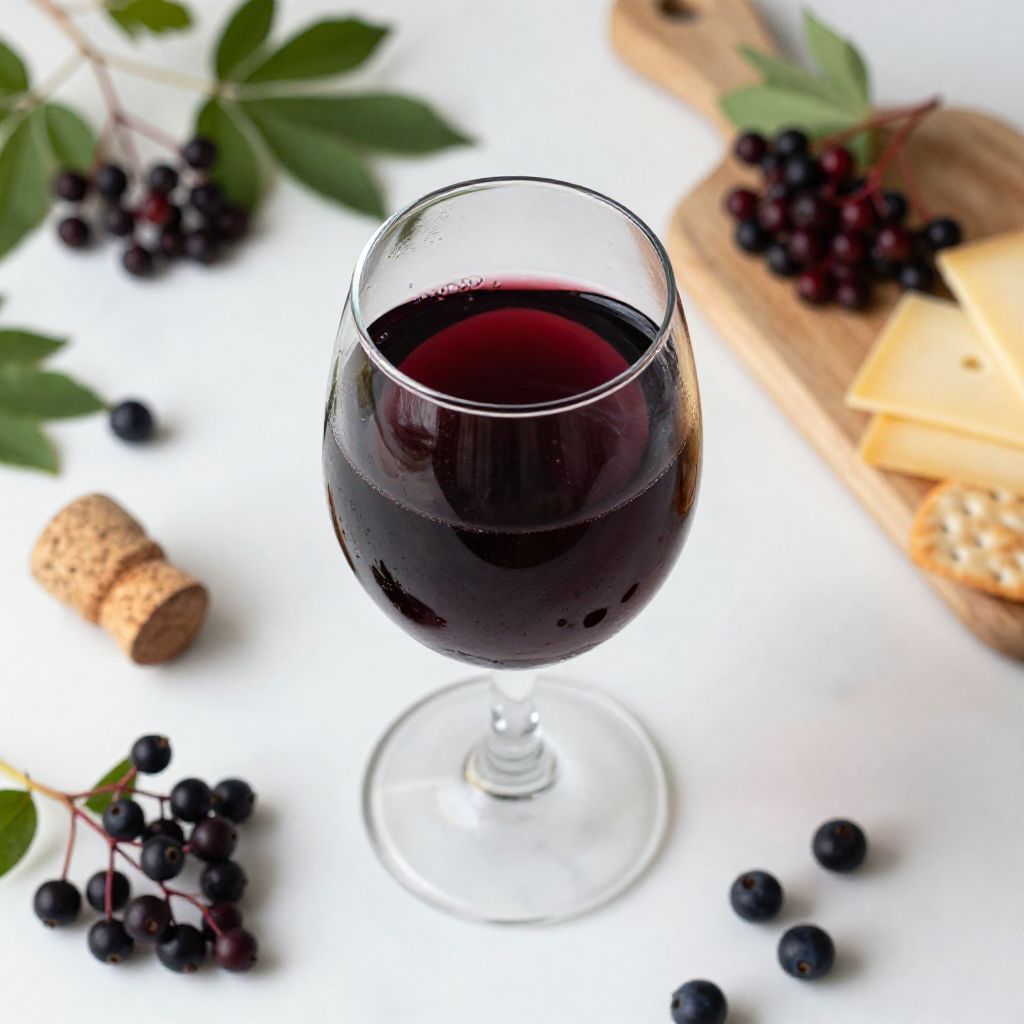
Award Winning Elderberry Wine
Ingredients
Equipment
Method
- Start by rinsing the elderberries thoroughly to remove any dirt or insects.
- Place the elderberries in a large pot and cover them with 1 gallon of water. Boil for about 30 minutes to extract the juices and flavors.
- After boiling, strain the mixture using a strainer or cheesecloth into a fermentation container.
- To the strained liquid, add the sugar, acid blend, tannin, and yeast nutrient. Stir well until the sugar dissolves.
- Allow the mixture to cool to room temperature before adding the yeast.
- Sprinkle the wine yeast over the cooled mixture.
- Seal the fermentation container with an airlock.
- Let the wine ferment for 4-6 weeks, checking periodically.