
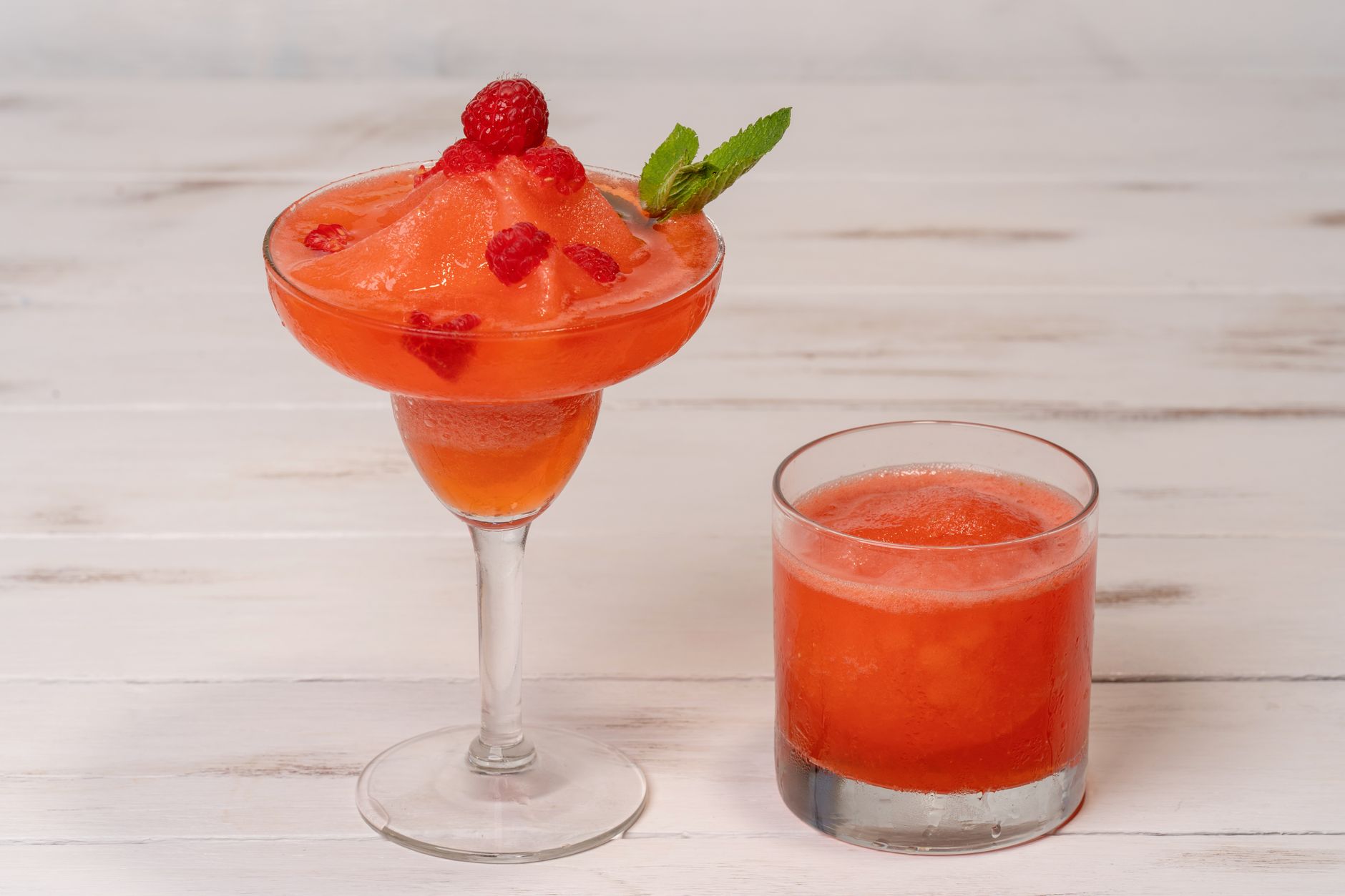
Alcohol is a common ingredient in many cocktails and cooking recipes, yet its unique properties raise an interesting question: at what temperature does alcohol freeze? Understanding the freezing point of various types of alcohol can be crucial for both culinary applications and enjoyment of drinks. This guide will explore the freezing points of different alcoholic beverages and why these values matter.
In this article, we will delve into the science of alcohol freezing, its implications in the kitchen, and practical tips for using alcohol in your cooking and cocktails. Whether you are a curious cook or an aspiring mixologist, knowing how temperature affects alcohol can enhance your culinary experience.
At What Temperature Does Alcohol Freeze?
The freezing point of alcohol depends largely on its type and concentration. Pure ethanol, the type of alcohol found in beverages, has a freezing point of around -114 °C (-173 °F). However, most alcoholic beverages contain varying amounts of water and other ingredients which alters their freezing points.
For example, here are the approximate freezing points of common alcoholic beverages:
- Pure Ethanol: -114 °C (-173 °F)
- Vodka (40% ABV): -27 °C (-16 °F)
- Gin (40% ABV): -27 °C (-16 °F)
- Whiskey (40% ABV): -27 °C (-16 °F)
- Rum (40% ABV): -27 °C (-16 °F)
- Red Wine (12% ABV): -6 °C (21 °F)
- White Wine (12% ABV): -6 °C (21 °F)
- Beer (5% ABV): -2 °C (28 °F)
Why Does Alcohol Freeze at Higher Temperatures Than Water?
The science behind the freezing points can be attributed to the molecular structure of alcohol versus water. Water freezes at 0 °C (32 °F), while alcohol does not freeze until it reaches much lower temperatures. This is primarily due to the lower molecular weight and different bonding characteristics of alcohol.
When water freezes, the molecules arrange themselves into a crystalline structure, which takes place at higher temperatures. Alcohol, on the other hand, has a more complex structure which requires colder temperatures to reach a solid state. The presence of water alters the freezing point; therefore, beverages with lower alcohol content freeze at temperatures closer to that of water.
Practical Applications of Alcohol’s Freezing Point
Understanding the freezing point of alcohol is essential for various culinary uses, such as cooking, preparing cocktails, and storing alcoholic beverages.
1. Cooking with Alcohol
Alcohol can enhance the flavor of dishes, from marinating meats to deglazing pans. However, when cooking with alcohol, it’s essential to know how temperature affects its properties:
- Flambé Techniques: Flambéing requires a high alcohol content. Knowing your alcohol’s freezing point can help you choose the appropriate liquor for this dramatic cooking technique.
- Reducing Alcohol: When simmering or boiling, alcohol doesn’t necessarily “cook off” completely. Understanding alcohol’s freezing properties can help you manage flavors effectively.
2. Serving and Storing Alcohol
For optimal taste and experience, proper serving temperature matters. Here are some insights:
- Liqueurs: Many liqueurs, especially those with high sugar content, can become syrupy at low temperatures but will not freeze.
- Freezing Alcohol: While high-proof spirits can be stored in a freezer to chill, they won’t freeze solid due to their low freezing points. This can be particularly useful for cocktails that require a cold base.
3. Cocktails and Mixology
In the world of mixology, temperature can influence the flavor and texture of cocktails:
- Ices and Granitas: Using alcohol to make ice-based drinks or granitas can be tricky. Knowing the freezing point helps you achieve the right consistency.
- Layered Cocktails: Understanding density and freezing points can assist in creating beautifully layered drinks when mixing ingredients of varying alcohol content.
Common Mistakes When Freezing Alcohol
There are several common mistakes people make when trying to freeze or chill alcohol. Avoiding these can help preserve flavor and texture:
- Storing Low-Quality Spirits: Freezing high-quality spirits may damage flavor compounds, resulting in a less enjoyable drinking experience.
- Using the Freezer Boost: Some assume that putting alcohol in the freezer will enhance its flavor for cocktails. While it can chill, this doesn’t necessarily improve taste.
- Ignoring Ice Dilution: Adding too much ice to cocktails can dilute flavors. Understand how alcohol freezes to manage ice content in drinks.
How to Store Alcohol
Proper storage of alcohol can prolong its shelf life and maintain its flavor profile. Follow these tips:
- Temperature: Store spirits in a cool, dark place, ideally between 15-20 °C (59-68 °F). Avoid direct sunlight and extreme temperature changes.
- Seal and Cap: Ensure bottles are well-sealed to prevent oxidation which can spoil the liquor.
- Long-term Storage: For long-term storage, consider keeping higher-proof spirits sealed in a freezer if space allows.
Exploring Different Types of Alcohol
In addition to understanding temperature aspects, knowing the types of alcohol can help in selecting spirits for recipes and cocktails. Here’s a brief overview:
1. Spirits
Spirits like vodka, gin, whiskey, and rum have high alcohol content and a broad range of flavors. They can be enjoyed neat, on the rocks, or mixed into cocktails.
2. Liqueurs
Liqueurs are lower in alcohol and sweetened. These are typically used in cocktails, but can also be enjoyed straight or over ice.
3. Wines
Wine comes in various styles, including red, white, and sparkling. With lower alcohol levels, they have distinct freezing points, making them suitable for different cooking techniques.
4. Beer
Beer has the lowest alcohol concentration and its relatively high water content gives it a freezing point closer to that of water. It’s important to keep in mind how freezing can affect the taste and texture of beer.
Alcohol-Free Alternatives
For those who prefer alcohol-free options, understanding the alternatives can enhance your recipes without compromising flavors:
- Mocktails: Use fruit juices, soda, and herbs to craft flavorful mocktails that mimic the experience of cocktails.
- Cooking Wines: Non-alcoholic wines can be great for cooking, providing complexity without intoxication.
- Non-Alcoholic Spirits: These beverages have grown in popularity, offering mixers and flavors typically found in traditional spirits.
Practical Tips for Using Alcohol in Cooking and Cocktails
Having a few practical tips can enhance your experience whether you are cooking with alcohol or crafting cocktails. Here are some to consider:
- Pairing with Ingredients: Consider the flavor profile of alcohol when combining it with other ingredients, such as chocolate with dark rum or whiskey with savory meats.
- Experimenting: Don’t hesitate to experiment with different types of alcohol in your recipes as substitutes to enhance flavors.
- Chilling Glassware: To maximize enjoyment, try chilling glassware for cocktails; this helps maintain the ideal serving temperature.
Conclusion
Understanding the freezing points of alcohol is essential for cooking, serving, and crafting beverages. This knowledge can improve not only how you cook but also how you appreciate a variety of flavors in both culinary and cocktail contexts. Experimentation can lead to delightful discoveries, so don’t be afraid to try something new!
For further exploration into food and drink, check out our detailed recipes for a Whiskey Sour or a classic Manhattan Cocktail.