
There’s something magical about that first sip of fresh amla juice on a sunny morning, tart and bright and immediately energizing. Amla juice has been a cornerstone of Indian wellness for centuries, packed with vitamin C and antioxidants that make your body feel genuinely recharged.
This juice is refreshingly simple to make at home, requiring just a few ingredients and about 10 minutes of your time. Once you taste the difference between fresh-pressed amla and bottled versions, you’ll understand why homemade is worth the effort.
Why You’ll Love This Recipe
Homemade amla juice delivers pure, unadulterated nutrition without preservatives or added sugars clouding the flavor. You control every element, from sweetness level to juice thickness, making it adaptable to your exact preferences.
- Packed with vitamin C to support immunity and skin health
- Takes less than 15 minutes from fruit to glass
- Uses minimal ingredients you likely have on hand
- Costs a fraction of store-bought wellness juices
- Naturally tangy flavor with zero artificial additives
My Experience Making This Recipe
The first time I pressed amla at home, I was shocked by how much juice a single fruit yields. The aroma that fills your kitchen is sharp and clean, nothing like the muted versions you find bottled on shelves.
My family initially grimaced at the tartness, so I added a touch of honey and watched their faces transform. What surprised me most was how the juice seemed to give everyone an energy lift by mid-morning, without the crash that comes from sugary drinks.
Now I make a batch twice a week and keep it chilled in glass jars. Even my kids, who usually reject anything healthy-looking, ask for it unprompted.
Recipe Overview
- Recipe Name: Homemade Amla Juice
- Servings: 4 servings (about 1 cup total yield)
- Prep Time: 10 minutes
- Cook Time: 0 minutes
- Total Time: 10 minutes
- Course: Beverage
- Cuisine: Indian
- Calories per Serving: 45 calories
Equipment You Will Need
- Sharp knife for cutting
- Cutting board
- Blender or food processor
- Fine mesh strainer or cheesecloth
- Large bowl for catching juice
- Wooden spoon for pressing
- Measuring cups and spoons
- Glass bottles or jars for storage
Ingredients for Amla Juice
- 8-10 fresh amla fruits (about 500 grams), seeds removed
- 1 cup filtered water, room temperature
- 1 tablespoon raw honey, optional
- 1/4 teaspoon black salt (kala namak), optional
- 2-3 mint leaves, optional for freshness
Ingredient Notes and Substitutions
- Fresh amla brings maximum vitamin C and authentic tartness that no concentrate can match. If fresh amla is unavailable, use frozen amla, though the texture may be slightly softer.
- Filtered water prevents mineral buildup and keeps the juice tasting clean. Regular tap water works if filtered water isn’t accessible, though minerals may slightly alter the taste.
- Raw honey adds smoothness without the metallic aftertaste of refined sugar. Jaggery powder delivers similar sweetness with added minerals and a subtle earthiness.
- Black salt provides a mineral-rich complexity that regular salt cannot replicate. White sea salt works as a neutral substitute but lacks the distinctive flavor depth.
- Mint leaves brighten the juice without overpowering the amla flavor. Ginger slices add warmth and aid digestion if you prefer a spiced version.
How to Make Amla Juice
Step 1: Select and Rinse Your Amla
Choose firm amla fruits with unblemished skin and a bright green or golden color. Rinse them thoroughly under cool running water to remove any dirt or debris.
Step 2: Remove the Seeds
Cut each amla fruit in half lengthwise and carefully scoop out the hard central seed using a small knife or spoon. This step matters because seeds add bitterness and can damage your blender.
Step 3: Chop the Amla Into Smaller Pieces
Cut the seeded amla halves into rough chunks about 1 to 2 inches across. Smaller pieces blend more efficiently and extract juice more completely.
Step 4: Add Amla and Water to Your Blender
Place the chopped amla pieces and filtered water into your blender or food processor. Use a high-powered blender for the smoothest results, though a standard blender works fine.
Step 5: Blend Until Completely Smooth
Blend on high speed for 60 to 90 seconds until the mixture resembles a smooth puree with no visible fruit chunks. Longer blending increases juice extraction and creates a finer texture.
Step 6: Strain the Juice
Pour the blended mixture through a fine mesh strainer lined with cheesecloth into a large bowl, working in batches if needed. Use the back of a wooden spoon to press the pulp gently, extracting as much juice as possible without forcing the solids through.
Step 7: Add Optional Sweeteners and Seasonings
Taste your juice and stir in honey or black salt if desired, adjusting to your preference. Some people love it completely unsweetened, while others prefer a touch of honey to balance the natural tartness.
Step 8: Chill and Serve
Pour the finished juice into glass bottles and refrigerate for at least 30 minutes before serving. Serve chilled, optionally garnished with a mint leaf, and consume within 3 to 4 days for maximum freshness and nutrient content.
Pro Tip: Press the pulp gently but thoroughly during straining; aggressive pressing forces bitter compounds and fiber through, while too little pressing wastes valuable juice.
Tips for the Best Amla Juice
- Use the coldest water available, as heat can degrade vitamin C and reduce the juice’s nutritional punch. Some people even add ice cubes to the blender for extra coldness.
- Blend immediately after cutting to prevent oxidation, which dulls the bright flavor and reduces antioxidant activity. Work quickly through the preparation steps.
- Squeeze a little extra citrus or add a teaspoon of lemon juice if the tartness feels overwhelming at first. Your palate will adjust after a few servings.
- Double strain through cheesecloth if you prefer a completely smooth juice with zero pulp. This takes extra time but creates a restaurant-quality texture.
- Make juice in small batches rather than trying to preserve large quantities, as fresher juice retains more vitamins. Weekly preparation keeps your supply fresh and potent.
Common Mistakes to Avoid
- Blending amla with its seeds creates bitter, unpleasant flavors that ruin the entire batch. Always remove seeds before blending, even though it takes an extra minute.
- Using hot water or leaving the juice sitting at room temperature allows vitamin C to break down rapidly. Keep everything cold throughout the process.
- Over-sweetening masks the authentic amla flavor and turns a wellness drink into a sugar bomb. Start with less honey than you think you need and adjust upward.
- Pressing the pulp too hard forces fiber and bitter compounds through the strainer, creating a gritty, unpleasant texture. Gentle pressure extracts maximum juice with minimum bitterness.
Serving Suggestions
Serve amla juice chilled as a morning wellness shot or afternoon pick-me-up, ideally on an empty stomach for maximum absorption. It pairs beautifully with light breakfast foods without overwhelming delicate flavors.
- Drink it straight as a 3 to 4 ounce morning shot for an immunity boost
- Mix it with sparkling water in a 1:1 ratio for a refreshing wellness spritzer
- Dilute with coconut water for a tropical twist with added electrolytes
- Add a splash to smoothie bowls for tang and extra vitamin C
- Combine with herbal tea like tulsi or chamomile for a balanced, soothing drink
Variations to Try
- Spiced Amla: Add a small piece of fresh ginger, a pinch of turmeric, and a dash of black pepper during blending for an anti-inflammatory powerhouse with warming spice notes.
- Amla Lemonade: Mix fresh amla juice with fresh lemon juice, honey, and sparkling water for a tangy, effervescent drink perfect for hot weather.
- Ayurvedic Amla Tonic: Blend amla with dates, milk, and cardamom for a creamy, nourishing drink that tastes more like a smoothie than a juice.
- Minty Amla Cooler: Add 4 to 5 mint leaves during blending and serve over crushed ice for a refreshing, digestive-friendly beverage.
- Amla with Pomegranate: Mix equal parts fresh amla juice with pomegranate juice for a more complex flavor and double antioxidant impact.
Dietary Adaptations
- Gluten-free: This recipe is naturally gluten-free, making it safe for those with celiac disease or gluten sensitivity.
- Dairy-free: The basic amla juice contains no dairy, though any milk-based variations would require coconut, almond, or oat milk substitutes.
- Vegan: Amla juice is completely plant-based; skip honey and use maple syrup or agave nectar as your sweetener instead.
- Low-carb/Keto: Plain amla juice fits keto diets perfectly with minimal carbs, though skip added honey and enjoy the natural tartness.
Storage and Reheating
Refrigerator
Store fresh amla juice in airtight glass bottles on the coldest shelf of your refrigerator. Properly stored juice lasts 3 to 4 days, though vitamin C content gradually decreases over time.
- Always use clean, sterilized bottles to prevent bacterial growth
- Fill bottles to the top to minimize oxygen exposure and oxidation
- Keep refrigerator temperature at 40 degrees Fahrenheit or below
Freezer
Amla juice freezes well for up to 3 months, preserving most nutrients if handled properly. Pour juice into ice cube trays or small containers, leaving slight headspace for expansion.
- Frozen juice works beautifully in smoothies or mixed into drinks
- Thaw overnight in the refrigerator rather than at room temperature
- Flavor remains excellent, though texture may separate slightly upon thawing
Reheating
Do not heat amla juice, as heat destroys vitamin C and damages the delicate antioxidants that make this juice special. Simply thaw frozen juice in the refrigerator and drink chilled.
- Serve directly from the refrigerator for maximum freshness and nutrient retention
- If you prefer room temperature, let the juice sit briefly but avoid warming it
Nutrition Information
| Nutrient | Amount |
|---|---|
| Calories | 45 |
| Total Fat | 0.3g |
| Saturated Fat | 0g |
| Carbohydrates | 10g |
| Fiber | 1g |
| Sugar | 4g |
| Protein | 0.5g |
| Sodium | 5mg |
| Cholesterol | 0mg |
These values are approximate and based on unsweetened amla juice with no added honey. Adding sweeteners will increase carbohydrate and calorie content proportionally.
Frequently Asked Questions
Can I use dried amla instead of fresh?
Dried amla works but produces a concentrate rather than true juice and requires soaking and extended blending. Fresh amla delivers superior flavor and maximum nutritional value, making it worth seeking out.
How much amla juice should I drink daily?
Most wellness practitioners recommend 20 to 30 milliliters of fresh amla juice daily on an empty stomach for optimal absorption. Excessive consumption may cause digestive upset in sensitive individuals, so start small and increase gradually.
Is amla juice safe during pregnancy?
Amla juice is generally safe during pregnancy and provides valuable vitamin C and antioxidants, but consult your healthcare provider first. Individual circumstances vary, and professional guidance ensures safety for both mother and baby.
Why does my amla juice taste bitter?
Bitter flavor usually indicates that seeds weren’t fully removed or the pulp was pressed too aggressively during straining. Also, over-ripened amla develops bitterness, so choose firm fruits with good color.
Can I mix amla juice with other supplements?
Amla juice pairs well with most supplements, though some interactions are possible with blood thinners or diabetes medications. Check with your doctor before combining amla juice with prescription medications or high-dose supplements.
What’s the difference between amla juice and amla powder?
Fresh juice offers maximum bioavailability and vitamin C content, while powder provides longer shelf life and convenience. Juice tastes brighter and more refreshing, while powder integrates easily into foods and smoothies.
Final Thoughts
Making your own amla juice transforms a simple fruit into a genuine wellness investment that costs pennies and takes minutes. Once you experience the vitality that comes from fresh, homemade nutrition, you’ll never go back to bottled versions.
Start with a small batch this week and notice how your body responds to real, unadulterated nutrition. Your skin will glow, your energy will lift, and your immune system will thank you for the abundance of vitamin C.
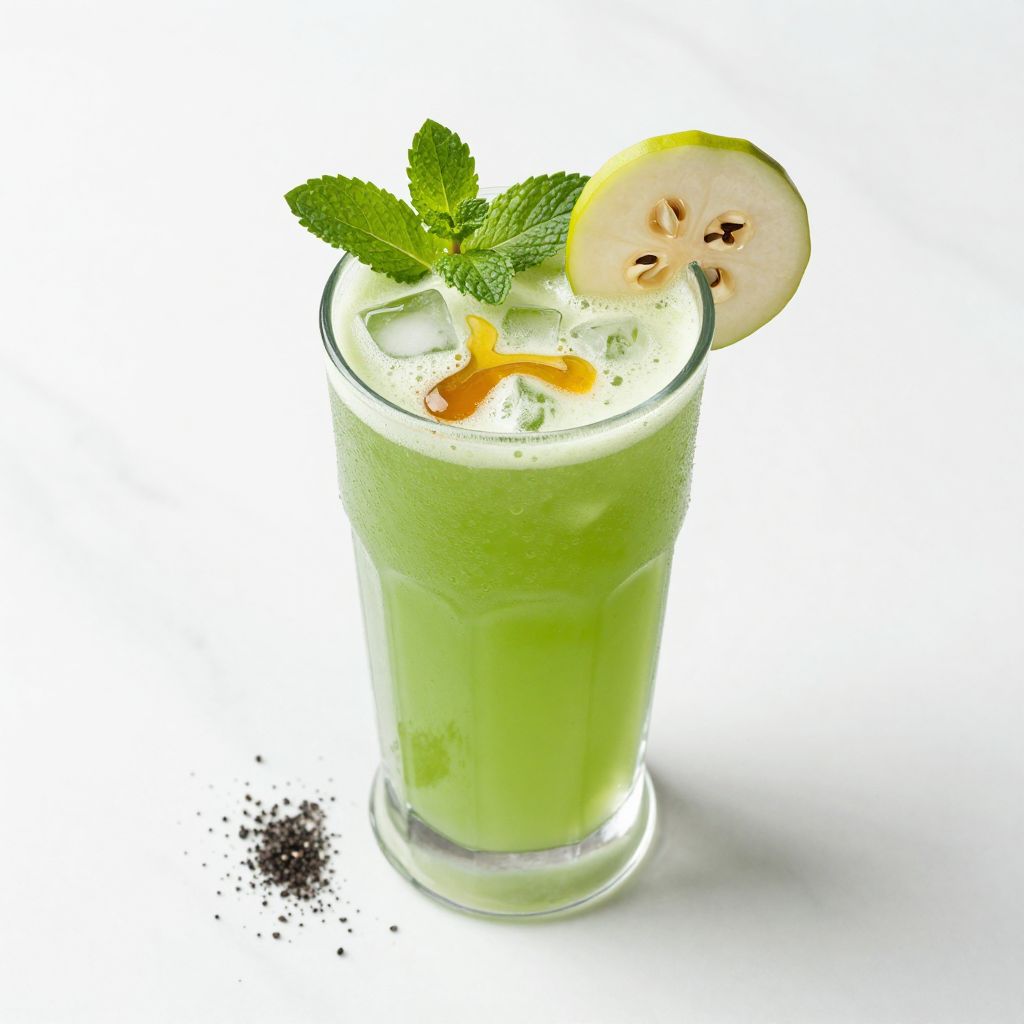
Homemade Amla Juice
Ingredients
Equipment
Method
- Choose firm amla fruits with unblemished skin and a bright green or golden color. Rinse them thoroughly under cool running water to remove any dirt or debris.
- Cut each amla fruit in half lengthwise and carefully scoop out the hard central seed using a small knife or spoon.
- Cut the seeded amla halves into rough chunks about 1 to 2 inches across.
- Place the chopped amla pieces and filtered water into your blender or food processor.
- Blend on high speed for 60 to 90 seconds until the mixture resembles a smooth puree with no visible fruit chunks.
- Pour the blended mixture through a fine mesh strainer lined with cheesecloth into a large bowl, working in batches if needed. Use the back of a wooden spoon to press the pulp gently, extracting as much juice as possible without forcing the solids through.
- Taste your juice and stir in honey or black salt if desired, adjusting to your preference.
- Pour the finished juice into glass bottles and refrigerate for at least 30 minutes before serving. Serve chilled, optionally garnished with a mint leaf, and consume within 3 to 4 days for maximum freshness and nutrient content.