
There’s something special about crafting your own brew, isn’t there? Making a rich and robust stout at home not only fills your kitchen with wonderful aromas but also invites friends over for a cozy tasting session.
This recipe is all about creating a balanced stout with deep flavors and a satisfying, creamy texture. With just a handful of ingredients and some patience, you can impress your beer-loving friends and maybe even yourself!
Why You’ll Love This Recipe
This stout recipe stands out for a few reasons.
- Rich, complex flavors that develop over time.
- Customizable to suit your taste preferences.
- Perfect for sharing or enjoying alone.
- A sense of accomplishment from brewing your own beer.
My Experience Making This Recipe
I’ll never forget the first time I brewed stout at home. The smell of roasted malt wafting through the air was intoxicating, and I felt like a true craft brewer.
When I finally took my first sip, the rich, chocolatey notes mingled with just the right amount of bitterness, and I knew I had created something special.
Recipe Overview
- Recipe Name: Stout
- Servings: 5 gallons
- Prep Time: 30 minutes
- Cook Time: 1 hour
- Total Time: 6 weeks (including fermentation)
- Course: Beverage
- Cuisine: Homebrew
- Calories per Serving: 200
Equipment You Will Need
- Brewing kettle
- Fermentation vessel
- Airlock
- Hydrometer
- Bottling bucket
- Bottles and caps
- Sanitizer
Ingredients for Stout
- 8 lbs pale malt
- 1 lb roasted barley
- 0.5 lb chocolate malt
- 1 lb crystal malt (60L)
- 1 oz bittering hops (e.g., Nugget)
- 1 oz aroma hops (e.g., Fuggle)
- 1 package stout yeast (e.g., Irish Ale yeast)
- 5 oz priming sugar (for bottling)
Ingredient Notes and Substitutions
- Pale malt: This serves as the base malt, providing sugars for fermentation. You can substitute with a different base malt, but the flavor will change.
- Roasted barley: Adds that classic stout flavor and color. You can use black malt for a similar effect, but it may be slightly less roasty.
- Chocolate malt: Gives rich chocolate notes. Omit this for a simpler stout, but you’ll miss out on some flavor depth.
- Crystal malt (60L): This adds sweetness and caramel notes. A different color crystal malt can be used, but adjust the amount for sweetness.
- Stout yeast: Essential for fermentation. Any ale yeast can work, but a stout yeast will give you that desired profile.
How to Make Stout
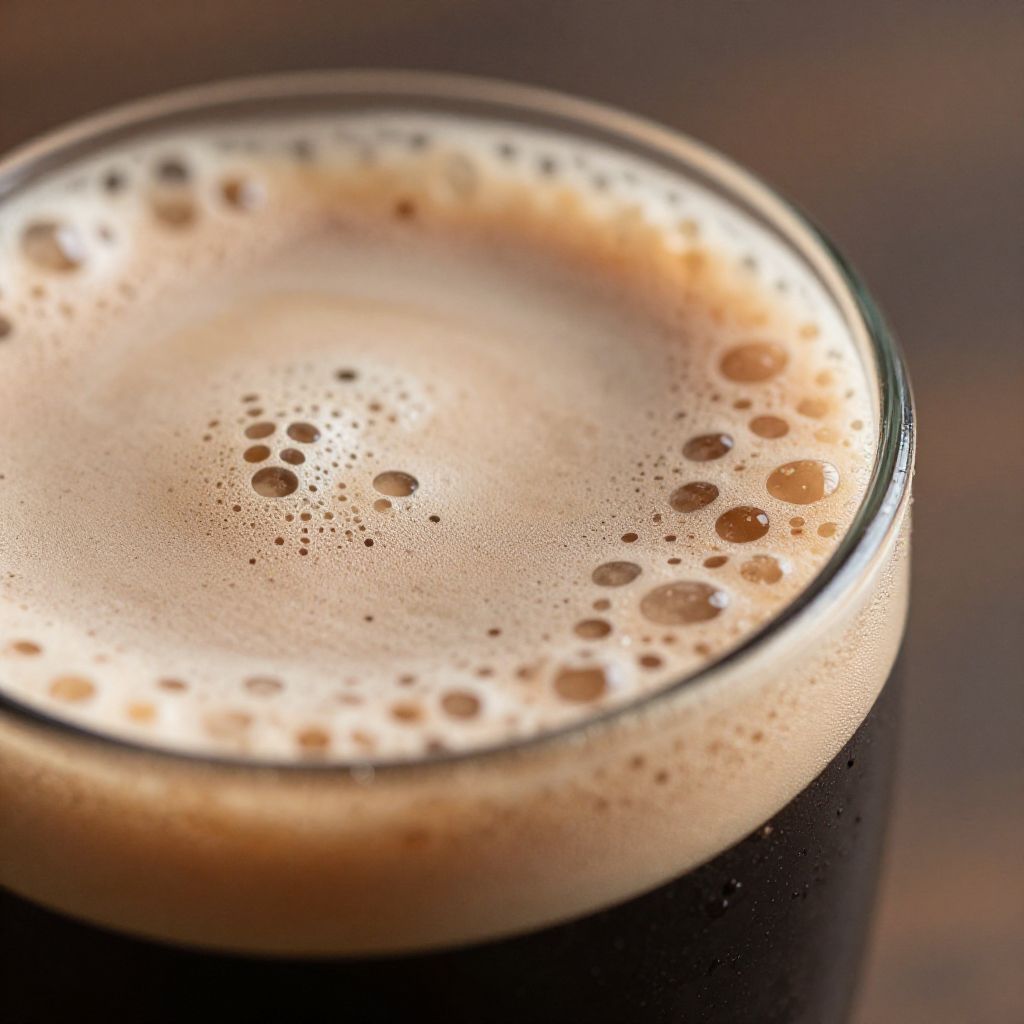
Step 1: Prepare Your Equipment
Sanitize all your brewing equipment thoroughly. This prevents contamination, which can ruin your stout.
Step 2: Heat the Water
In your brewing kettle, heat about 3.5 gallons of water to around 165°F. This temperature helps extract flavors from the grains effectively.
Step 3: Steep the Grains
Add the crushed grains into a grain bag and steep them in the hot water for 30 minutes. This process extracts sugars and flavors, creating the base of your stout.
Step 4: Remove the Grains
After steeping, remove the grain bag and let it drain into the kettle. Pressing too hard can extract too much bitterness, so be gentle.
Step 5: Bring to a Boil
Bring the liquid to a rolling boil, then add the bittering hops. Boiling is crucial for sterilization and developing the beer’s flavor profile.
Step 6: Add Aroma Hops
After 45 minutes of boiling, add the aroma hops. This adds a fragrant finish to your stout, enhancing its complexity.
Step 7: Cool the Wort
Once the boil is complete, cool the wort quickly using a wort chiller or an ice bath. Rapid cooling helps avoid contamination and sets the stage for fermentation.
Step 8: Ferment the Stout
Transfer the cooled wort to the fermentation vessel and pitch the yeast. Seal it with an airlock and let it ferment in a dark, cool place for 2-3 weeks.
Pro Tip: Make sure to monitor the fermentation temperature for optimal yeast activity.
Tips for the Best Stout
- Use fresh ingredients for the best flavor.
- Keep your brewing environment clean to prevent off-flavors.
- Be patient; good things take time, especially with fermentation.
- Experiment with different hops for unique flavor profiles.
- Take notes during brewing for future reference.
Common Mistakes to Avoid
- Skipping sanitization can lead to contaminated beer.
- Boiling for too long can extract unwanted bitterness.
- Not checking fermentation temperature might stall yeast activity.
- Rushing the bottling process can lead to over-carbonation.
Serving Suggestions
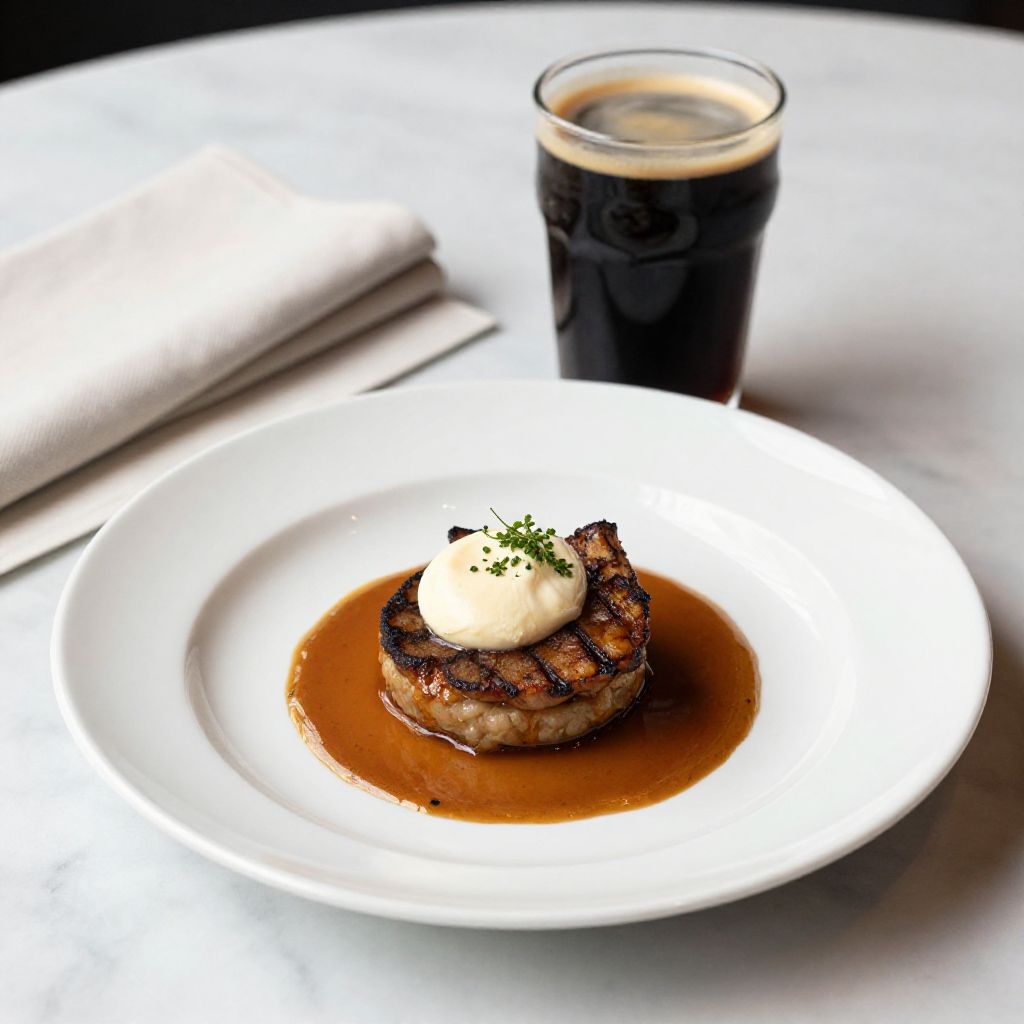
This stout pairs wonderfully with hearty meals and desserts. Here are some ideas to elevate your tasting experience.
- Rich chocolate cake
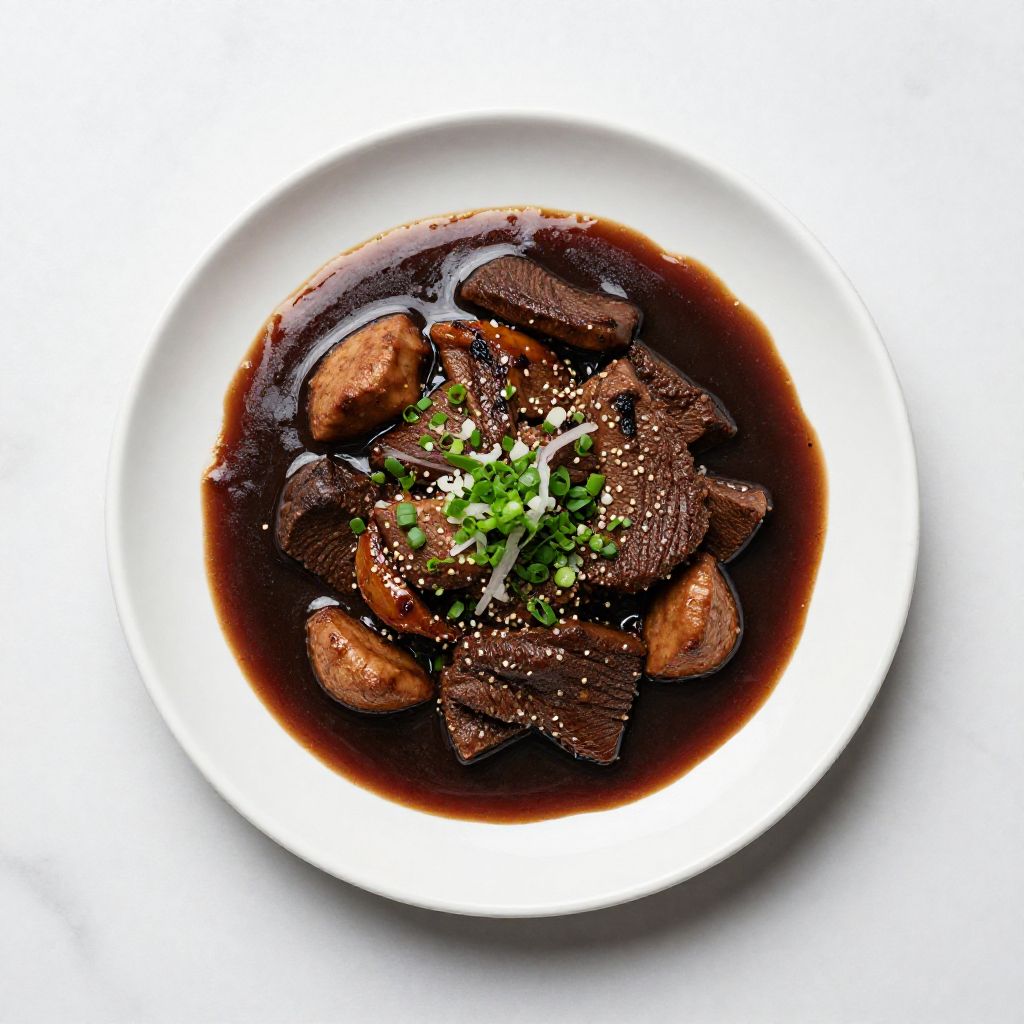
- Grilled meats
- Spicy barbecue dishes
- Cheese platters, especially with sharp cheddar
Variations to Try
- Add coffee for a delightful mocha stout experience.
- Incorporate vanilla beans for a creamy finish.
- Use different types of malt for varied flavor profiles.
- Experiment with fruits like cherries for a unique twist.
Dietary Adaptations
- Gluten-free: Use gluten-free grains like sorghum or rice malt.
- Dairy-free: This recipe is naturally dairy-free.
- Vegan: All ingredients are plant-based, perfect for vegans.
- Low-carb: Reduce the malt for fewer carbs, but it will alter flavor.
Storage and Reheating
Refrigerator
Store your stout in a cool, dark place after bottling.
- Keep it upright to avoid sediment disturbance.
- Enjoy within six months for best flavor.
Freezer
It is not recommended to freeze beer, as it can alter the texture and flavor.
- Instead, enjoy it fresh or chilled in the refrigerator.
Reheating
Reheating stout is not common, but if you must, do so gently.
- Use a warm water bath for gradual warming.
Nutrition Information
| Nutrient | Amount |
|---|---|
| Calories | 200 |
| Total Fat | 0g |
| Saturated Fat | 0g |
| Carbohydrates | 15g |
| Fiber | 0g |
| Sugar | 0g |
| Protein | 2g |
| Sodium | 5mg |
| Cholesterol | 0mg |
Nutrition values may vary based on brewing specifics.
Frequently Asked Questions
Can I substitute the malt?
Yes, you can use different types of malt, but this will change the flavor profile.
How long can I store the stout?
You can store it for up to six months, but it’s best enjoyed fresh.
What if my stout is too bitter?
If it’s too bitter, try reducing the amount of hops during brewing next time.
Can I make this recipe ahead of time?
Absolutely, brewing stout can be done well in advance of when you want to drink it.
How do I know when fermentation is complete?
Fermentation is complete when bubbles in the airlock slow down significantly.
Final Thoughts
Making your own stout is a rewarding process that brings people together. I encourage you to give this recipe a try and enjoy the fruits of your labor.
Be sure to explore more about brewing with our other articles, like the Doppelbock Recipe and the Black and Tan Beer Recipe for more delicious brews.
Stout
Ingredients
Equipment
Method
- Sanitize all brewing equipment thoroughly to prevent contamination.
- Heat about 3.5 gallons (13 L) of water in the brewing kettle to 165°F (74°C).
- Place crushed grains into a grain bag and steep in the 165°F water for 30 minutes, then remove the grain bag and allow it to drain without pressing.
- Bring the wort to a rolling boil, add 1 oz of bittering hops (Nugget) at the start of the boil, and maintain a vigorous boil for 60 minutes.
- After 45 minutes of boiling, add 1 oz of aroma hops (Fuggle) and continue boiling for the remaining 15 minutes.
- Cool the wort rapidly to below 70°F (21°C) using a wort chiller or ice bath to minimize contamination.
- Transfer the cooled wort to the sanitized fermentation vessel, pitch the stout yeast, seal with an airlock, and ferment in a dark, cool place at 65–70°F (18–21°C) for 2–3 weeks.
- After primary fermentation is complete, dissolve the priming sugar in a small amount of boiling water, add to the bottling bucket, rack the beer onto the sugar solution, then bottle and cap.
- Allow bottles to condition at room temperature for 2 weeks before chilling and serving.