
Picture yourself on a quiet morning, steam rising from a cup of vibrant green liquid, and you know instantly that you’re about to feel energized and calm all at once. That’s the magic of a matcha tonic, a Japanese-inspired drink that has earned its place in wellness routines and kitchen rituals worldwide. This recipe is special because it balances the earthy intensity of matcha powder with complementary flavors that make it taste like a cafe-quality beverage you actually made at home. What sets this tonic apart is its simplicity: just a handful of quality ingredients and a few minutes transform your morning into something intentional and nourishing.
Why You’ll Love This Recipe
A matcha tonic delivers sustained energy without the jitters, pure antioxidants in every sip, and a ritual that feels luxurious even on weekday mornings. Here’s what makes this version stand out.
- Smooth, creamy texture that melts beautifully on your tongue.
- Naturally energizing without the crash of regular coffee.
- Takes just five minutes from start to finish.
- Loaded with antioxidants and metabolism-boosting compounds.
- Endlessly customizable to match your taste and dietary needs.
My Experience Making This Recipe
The first time I whisked matcha properly, I genuinely gasped at how green it looked in the cup. My kitchen filled with this grassy, slightly sweet aroma, and I knew immediately this wasn’t just a health trend; it was something I’d be making regularly. The drink tasted nothing like the bitter matcha lattes I’d tried at coffee shops, which told me that technique and ingredient quality actually matter here.
I’ve made this tonic on hectic mornings before meetings and calm weekends when I had time to really savor it. My friends started asking why my mornings seemed so put-together, and when I offered them a cup, they were honestly shocked at how good it tasted. Now it’s the one recipe everyone requests when they visit, which never gets old.
Recipe Overview
- Recipe Name: Matcha Tonic
- Servings: 1
- Prep Time: 5 minutes
- Cook Time: 0 minutes
- Total Time: 5 minutes
- Course: Beverage
- Cuisine: Japanese-inspired
- Calories per Serving: 120
Equipment You Will Need
- Matcha whisk (chasen) or small metal whisk
- Small bowl or matcha bowl (chawan)
- Electric frother or handheld milk frother
- Measuring spoons
- Measuring cups
- Kettle
- Tall drinking glass or mug
- Spoon for stirring
Ingredients for Matcha Tonic
- Matcha powder: 1 to 1.5 teaspoons (high-grade culinary matcha works best)
- Hot water: 3 ounces, between 160 and 180 degrees Fahrenheit
- Milk of choice: 6 ounces (whole milk, oat milk, almond milk, or coconut milk all work beautifully)
- Sweetener: 0.5 to 1 teaspoon (honey, agave, maple syrup, or simple syrup)
- Vanilla extract: 1/4 teaspoon (optional but highly recommended)
- Sea salt: Tiny pinch (brings out the matcha’s natural umami)
Ingredient Notes and Substitutions
- Matcha Powder: High-grade matcha tastes smooth and slightly sweet, never bitter or chalky. If you can only find culinary-grade matcha, reduce the amount slightly or add an extra touch of sweetener.
- Water Temperature: Water that’s too hot burns the matcha and creates a bitter taste; water that’s too cool leaves lumps. If you don’t have a thermometer, wait about two minutes after boiling before pouring.
- Milk: Whole milk creates the richest tonic, but oat milk froths beautifully and adds subtle sweetness. Almond milk works if you’re avoiding dairy, though it’s thinner and creates less creaminess.
- Sweetener: Honey adds floral notes, maple syrup brings earthiness, and agave dissolves cleanly. Start with less and taste; you can always add more.
- Vanilla Extract: This amplifies the tonic’s complexity without tasting artificial. Omit it only if you’re keeping this strictly traditional.
How to Make Matcha Tonic
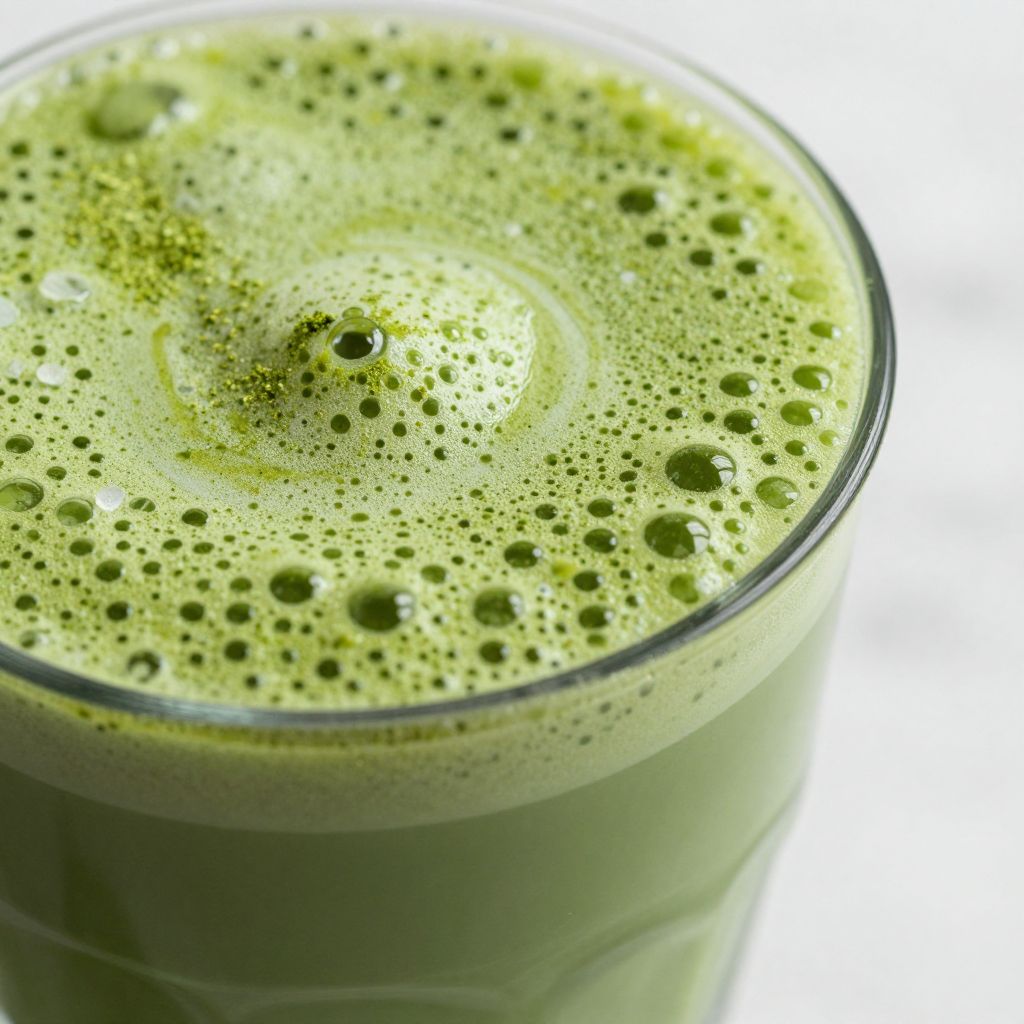
Step 1: Heat Your Water
Bring fresh, filtered water to a boil, then let it cool for about two minutes or until it reaches between 160 and 180 degrees Fahrenheit. This temperature is crucial because boiling water literally scorches the delicate matcha leaves, turning your tonic bitter and destroying many of its beneficial compounds.
Step 2: Sift Your Matcha Powder
Pour 1 to 1.5 teaspoons of matcha powder into a small bowl and use a fine sieve or the back of a spoon to break up any clumps. This step takes 30 seconds but prevents those frustrating grainy bits that can ruin the texture of your finished drink.
Step 3: Add Hot Water to Matcha
Pour about 3 ounces of your heated water into the bowl with the matcha powder. Start with a small amount of water so you can whisk without splashing and create a paste-like consistency.
Step 4: Whisk the Matcha
Using a matcha whisk in a quick, back-and-forth motion (not circular), whisk the matcha and water together for about 30 to 45 seconds until the mixture is smooth, frothy, and completely dissolved. The goal is a vibrant green liquid with a thin layer of foam on top, never lumpy or gritty.
Step 5: Warm and Froth Your Milk
Pour 6 ounces of your chosen milk into a small pitcher and heat it gently on the stove or in the microwave for 30 to 45 seconds until it’s warm but not steaming. If using an electric frother, follow the manufacturer’s instructions; if using a handheld frother, warm the milk first, then froth for about 20 seconds until you have a light layer of foam.
Step 6: Add Sweetener and Vanilla
Stir 0.5 to 1 teaspoon of your chosen sweetener and 1/4 teaspoon of vanilla extract into the warm frothed milk. This ensures the sweetener dissolves completely and the vanilla distributes evenly throughout, making every sip consistent.
Step 7: Pour Milk Into Your Glass
Pour the sweetened, frothed milk into your tall glass or mug, holding back the foam with a spoon so the milk flows smoothly. This step matters because it prevents the matcha from cooling too quickly and gives you control over the foam-to-liquid ratio.
Step 8: Pour Matcha Mixture and Top with Foam
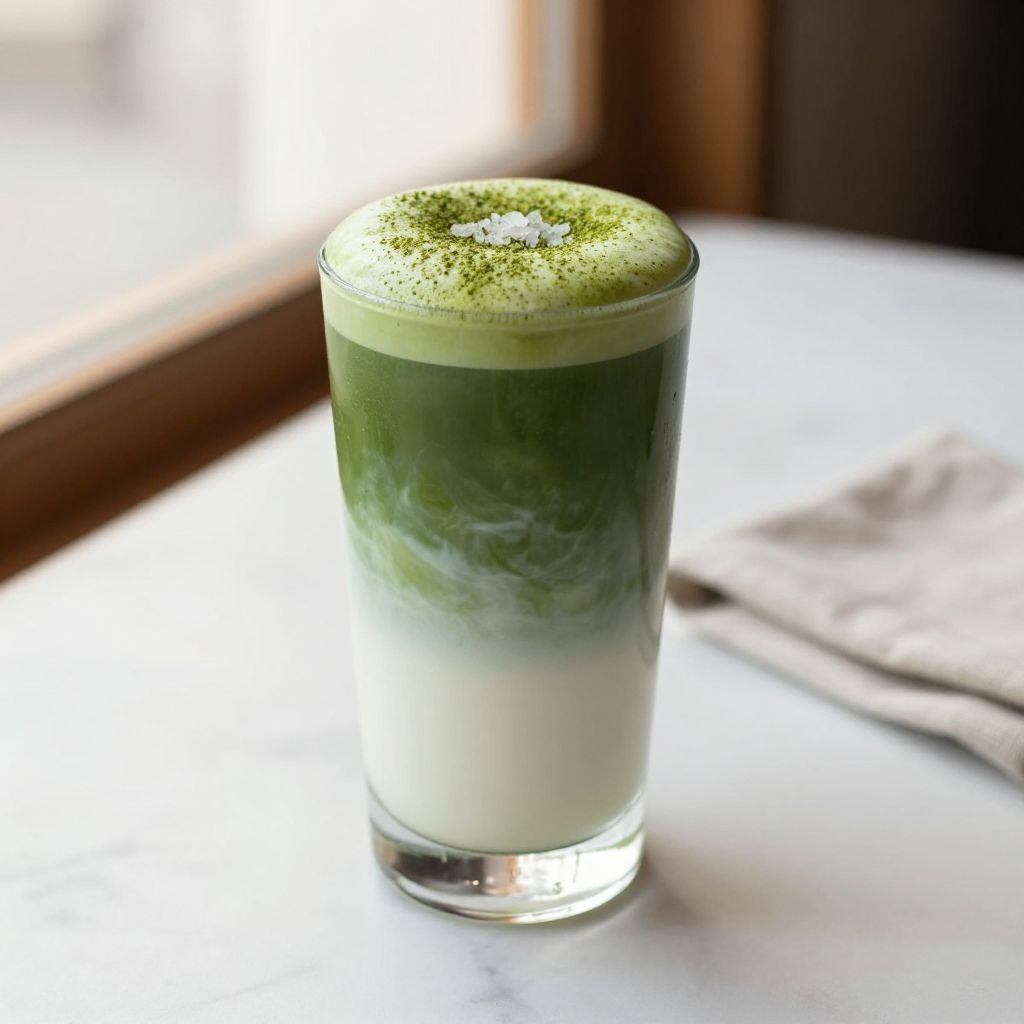
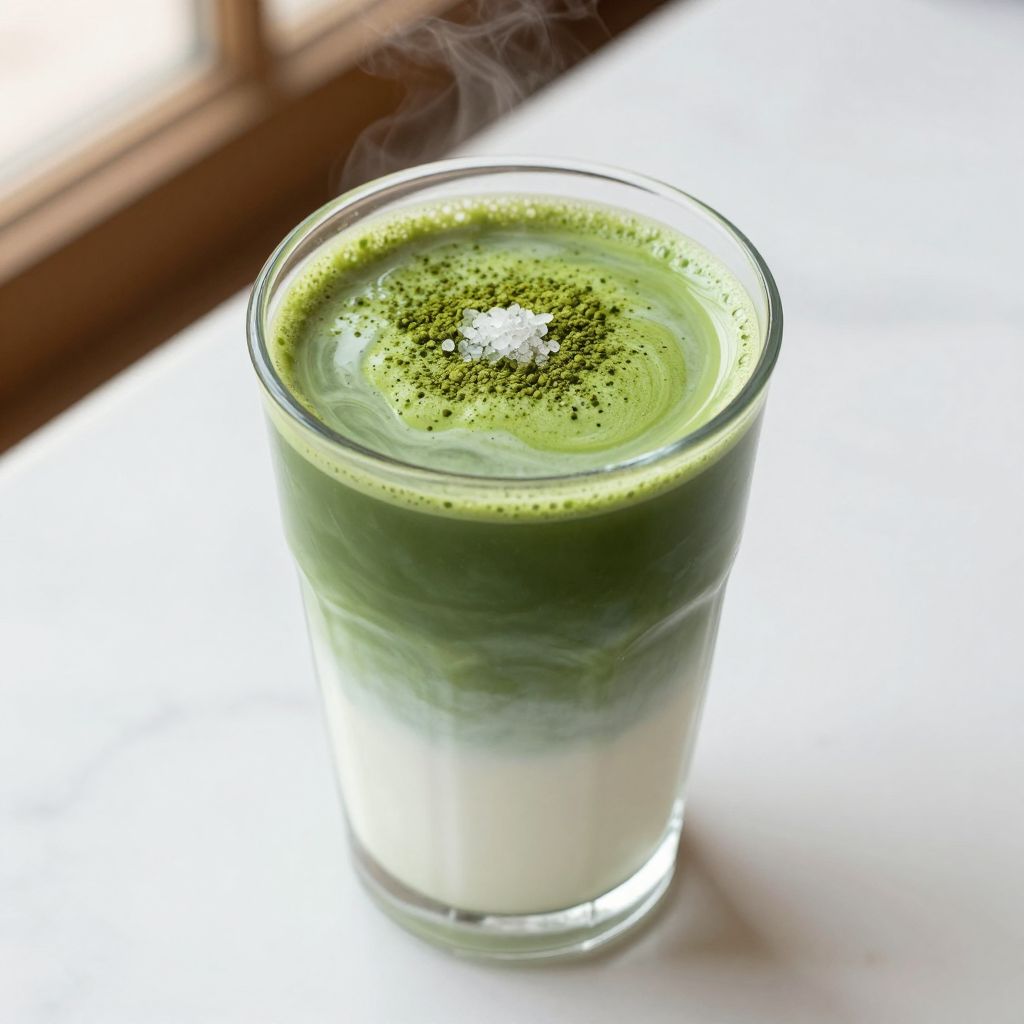
Gently pour the whisked matcha mixture into the warm milk, stirring slightly as you pour to ensure even distribution. Top with any remaining foam from your milk pitcher, add a tiny pinch of sea salt to elevate the flavors, and serve immediately.
Pro Tip: Invest in a small electric milk frother if you plan to make this tonic regularly; it cuts prep time in half and creates consistently creamy results that rival any cafe.
Tips for the Best Matcha Tonic
- Use the freshest matcha powder you can afford, as it loses potency and turns gritty over time. Store matcha in an airtight container in a cool, dark place, and buy from reputable sources that sell high-grade ceremonial or culinary matcha.
- Never use a regular spoon to whisk matcha; the bristles of a traditional bamboo whisk create the proper friction and incorporate air for that signature frothy texture.
- Taste your tonic before adding all the sweetener, as different milk types and sweeteners have varying levels of natural sweetness that can throw off the balance.
- If you’re making this for the first time, start with 1 teaspoon of matcha instead of 1.5; you can always add more next time, but you can’t take it back.
- Make your tonic just before drinking it, as matcha breaks down and settles quickly once mixed with milk. If you need to wait, store the components separately and combine them just before serving.
- Experiment with water temperature by one or two degrees; even small changes shift the flavor from bright and grassy to deeper and more vegetal.
Common Mistakes to Avoid
- Whisking matcha in circular motions instead of back-and-forth creates lumps and prevents proper foam formation, leaving you with a grainy, disappointing drink.
- Using boiling water directly on the matcha powder burns it, making the tonic taste astringent and bitter while destroying the chlorophyll and antioxidants that make this drink worthwhile.
- Skipping the sifting step leaves clumps suspended in your tonic that feel unpleasant on your tongue and make the texture gritty no matter how much you whisk.
- Adding sweetener directly to cold milk prevents it from dissolving fully, leaving you with grainy pockets of sugar at the bottom of your glass.
- Letting the tonic sit too long after preparation causes the matcha to separate and settle, making the drink taste weak and look unappetizing within just a few minutes.
Serving Suggestions
A matcha tonic shines as a standalone morning ritual, but it pairs beautifully with light snacks that complement its delicate, grassy notes. Here are some combinations that truly elevate the experience.
- Pair with a buttery croissant or almond croissant for a light, French-inspired breakfast that feels indulgent without being heavy.
- Serve alongside fresh berries or a fruit salad to add brightness and natural sweetness that plays well with matcha’s earthiness.
- Enjoy with a slice of honey cake or vanilla shortbread that won’t overpower the tonic’s delicate flavor profile.
- Combine with avocado toast on whole grain bread for a nutrient-dense, energizing meal that feels complete and satisfying.
- Sip before or after a yoga or meditation session to enhance the calming, focusing benefits of the matcha itself.
Variations to Try
- Iced Matcha Tonic: Prepare the matcha with hot water as usual, then pour over ice and add cold milk instead of warm milk for a refreshing warm-weather version that tastes equally delicious and energizing.
- Matcha Tonic with Honey and Lemon: Replace vanilla extract with a squeeze of fresh lemon juice and use honey as your sweetener; this variation brightens the earthy matcha and adds a subtle citrus zing that wakes up your palate.
- Lavender Matcha Tonic: Steep 2 to 3 dried lavender buds in your hot water for one minute before whisking with matcha; the floral notes create a sophisticated, spa-like drink that feels extra special.
- Matcha Tonic with Cinnamon and Cardamom: Add a tiny pinch of ground cinnamon and a few grains of cardamom powder to your matcha bowl before whisking; these warming spices complement matcha beautifully and add complexity.
- Matcha Tonic with Coconut and Ginger: Use coconut milk instead of regular milk, add a dash of fresh ginger juice, and substitute maple syrup for honey to create a tropical, warming variation with a subtle kick.
Dietary Adaptations
- Gluten-Free: This recipe is naturally gluten-free, though verify that your matcha powder is processed in a gluten-free facility to avoid cross-contamination if you have celiac disease.
- Dairy-Free: Use oat milk, almond milk, coconut milk, or any plant-based milk; oat milk creates the creamiest result without sacrificing texture or taste.
- Vegan: This tonic becomes vegan automatically when you use plant-based milk and agave syrup or maple syrup instead of honey as your sweetener.
- Low-Carb or Keto: Replace liquid sweeteners with a small amount of monk fruit powder or stevia to keep carbs minimal while maintaining the same smooth, sweet taste.
Storage and Reheating
Refrigerator
Store prepared matcha tonic in a covered glass container for up to 24 hours, though the foam will dissipate and the texture won’t be quite as vibrant. Raw matcha powder keeps in an airtight container in the refrigerator for up to three months.
- Shake the stored tonic gently before serving to recombine any separated ingredients.
- Reheat gently on the stove or in the microwave, whisking briefly to restore some texture.
Freezer
Freezing prepared matcha tonic isn’t recommended, as the texture becomes watery and unpleasant once thawed. However, you can freeze matcha powder itself in an airtight container for up to six months without any quality loss.
- Keep frozen matcha away from light and moisture for best results.
- Thaw at room temperature for 10 minutes before using in your tonic.
Reheating
If your prepared tonic has cooled and you want it warm again, heat gently on the stove over low heat or in the microwave for 30 seconds, then whisk briefly to restore some foam. Never boil a prepared tonic, as this degrades the matcha’s flavor and nutritional benefits.
- Stir before reheating to recombine any separated ingredients.
- Add a fresh splash of warm milk if the tonic tastes too concentrated after sitting.
Nutrition Information
| Nutrient | Amount |
|---|---|
| Calories | 120 |
| Total Fat | 3.5 grams |
| Saturated Fat | 2 grams |
| Carbohydrates | 18 grams |
| Fiber | 0.5 grams |
| Sugar | 15 grams |
| Protein | 3 grams |
| Sodium | 55 milligrams |
| Cholesterol | 10 milligrams |
These values are based on a tonic made with whole milk and honey as the sweetener. Switching to plant-based milk will slightly reduce fat and protein while keeping calories similar. Your actual nutrition may vary depending on the specific milk and sweetener you choose.
Frequently Asked Questions
Can I make matcha tonic without a traditional whisk?
Yes, use a small metal whisk or even a fork in a pinch, though the texture won’t be quite as silky. An electric milk frother’s small whisk attachment works surprisingly well if you whisk the matcha and water first, then froth separately.
What’s the difference between ceremonial and culinary grade matcha?
Ceremonial grade matcha is finer, more vibrant, and tastes smoother with subtle umami notes, making it ideal for tonics. Culinary grade is coarser, slightly more bitter, and better suited for lattes or baking where it’s mixed into other ingredients.
How much caffeine is in a matcha tonic?
One serving of this tonic contains approximately 25 to 70 milligrams of caffeine, depending on the quality and amount of matcha powder used. This is less than coffee but more sustained, thanks to matcha’s L-theanine content, which creates calm focus without jitters.
Why does my matcha tonic taste bitter?
Bitterness usually comes from water that’s too hot, matcha powder that’s old or low quality, or using too much matcha relative to your liquid. Try reducing the matcha amount by 0.25 teaspoons, lowering your water temperature by 10 degrees, or switching to higher-grade powder.
Can I prep matcha tonic the night before?
You can prep individual components the night before, but the final tonic should be assembled just before serving for best texture and flavor. Whisk your matcha with hot water, warm your milk separately, and combine them fresh each morning for the smoothest, most vibrant result.
Is matcha tonic safe to drink every day?
Yes, matcha tonic is safe for daily consumption in moderate amounts, typically one to two servings per day. High daily matcha consumption may interact with certain medications or cause jitteriness in caffeine-sensitive individuals, so check with your doctor if you have concerns.
Final Thoughts
Making a matcha tonic has genuinely changed how I start my mornings, transforming a rushed routine into something intentional and nourishing. This isn’t just a trendy drink; it’s a simple ritual that delivers real energy, antioxidants, and a moment of calm before the day pulls you in a hundred directions.
Try this recipe this week, taste how the quality of your ingredients and technique shapes the final result, and let me know how your first tonic turns out. Once you’ve mastered the basic version, explore the variations and make this drink completely your own.
Want to explore more matcha creations? Check out our lavender matcha recipe for a floral twist, or discover how to make a strawberry matcha recipe for something fruity and refreshing. Both pair beautifully with your newfound matcha skills and expand your beverage routine in delicious directions.
Matcha Tonic
Ingredients
Equipment
Method
- Bring fresh, filtered water to a boil, then let it cool for about 2 minutes until it reaches 160-180°F.
- Sift 1 to 1.5 teaspoons matcha powder into a small bowl to remove clumps, about 30 seconds.
- Pour 3 ounces of the heated water into the bowl with matcha to form a paste-like consistency.
- Using a matcha whisk, whisk the matcha and water in a back-and-forth motion for 30-45 seconds until smooth and frothy.
- Warm 6 ounces milk in a small pitcher on the stove or in the microwave for 30-45 seconds until warm but not steaming.
- Froth the warm milk using an electric or handheld frother for about 20 seconds until a light foam forms.
- Stir 0.5 to 1 teaspoon sweetener and 1/4 teaspoon vanilla extract into the frothed milk until fully dissolved.
- Pour the sweetened milk into a tall glass, holding back the foam with a spoon to control the foam-to-liquid ratio.
- Gently pour the whisked matcha mixture into the milk, stirring slightly for even distribution.
- Top with any remaining foam, add a pinch of sea salt, and serve immediately.