
There’s something almost sacred about the ritual of brewing Yemeni tea, a spiced black tea that fills your kitchen with warmth and the scent of cardamom, ginger, and cloves.
This recipe captures the heart of Yemeni hospitality, a drink served at gatherings, celebrations, and quiet afternoons where time slows down. What makes it special is the careful balance of spices that complement strong black tea without overwhelming it, creating a drink that feels both comforting and sophisticated.
The beauty of Yemeni tea lies in its simplicity and the quality of its spices. You’ll love how quickly it comes together, how the aroma fills your home, and how it invites people to slow down and connect. Let’s walk through how to brew it perfectly.
Why You’ll Love This Recipe
This recipe delivers authentic Yemeni flavor in under 20 minutes, making it perfect for both everyday enjoyment and impressing guests.
- Warm, aromatic spices create a naturally comforting drink with zero artificial flavors.
- Simple ingredients you likely have on hand or can easily source.
- Naturally caffeine-boosting without the heaviness of heavy cream drinks.
- Pairs beautifully with breakfast, desserts, or quiet reading time.
- Makes enough for sharing, encouraging connection and conversation.
My Experience Making This Recipe
I first tasted Yemeni tea at a friend’s home after she returned from visiting family in Sana’a. The moment she poured it into small glasses and handed me one, I felt transported by the cardamom and ginger hitting my nose before the cup even reached my lips.
What struck me most was how she didn’t rush the brewing process. She let the spices steep slowly, tasting as she went, adjusting until it felt right to her palate. That’s when I realized this wasn’t just tea; it was a meditation wrapped in flavor.
Now when I make it at home, I follow that same unhurried approach. My family has come to expect it on weekend mornings, and there’s always a moment of quiet before anyone speaks, just appreciating the warmth and aroma together.
Recipe Overview
- Recipe Name: Yemeni Tea
- Servings: 4
- Prep Time: 5 minutes
- Cook Time: 15 minutes
- Total Time: 20 minutes
- Course: Beverage
- Cuisine: Yemeni
- Calories per Serving: 35
Equipment You Will Need
- Medium saucepan with lid
- Measuring spoons and cups
- Tea strainer or fine mesh sieve
- Wooden spoon for stirring
- Small glasses or tea cups
- Kettle for boiling water
Ingredients for Yemeni Tea
- 4 cups water
- 3 to 4 tablespoons loose black tea (preferably strong Ceylon or Assam)
- 8 green cardamom pods
- 4 to 5 whole cloves
- 1 cinnamon stick (about 2 inches long)
- 1 tablespoon fresh ginger (thinly sliced or grated)
- 2 to 3 tablespoons honey (or to taste)
- Pinch of black pepper (optional but traditional)
- A few fresh mint leaves (optional, for garnish)
Ingredient Notes and Substitutions
- Black tea: You need a full-bodied brew that can hold up to spices; Assam or Ceylon work best. If unavailable, use strong breakfast tea blends, though the flavor will shift slightly.
- Green cardamom pods: These are warmer and slightly sweet, essential to authentic flavor. Black cardamom can substitute but tastes more smoky and medicinal.
- Fresh ginger: It adds brightness and warmth; dried ginger powder (1 teaspoon) works if you have no fresh, though you lose some vibrancy.
- Honey: Balances the spice heat and adds natural sweetness. Agave or brown sugar can replace it, though honey creates the most authentic experience.
- Cinnamon stick: Adds subtle sweetness and warmth. You can omit it entirely if allergic, and the tea remains delicious.
How to Make Yemeni Tea
Step 1: Gather and Prepare Your Spices
Lightly crush the cardamom pods by pressing them gently with the flat of a knife or between your fingers. You want to crack them open just enough to release the seeds inside without pulverizing them into powder. This cracking releases the aromatic oils and allows them to infuse more effectively into the water.
Step 2: Boil Your Water
Fill your kettle with 4 cups of cold water and bring it to a rolling boil. Using fresh, cold water ensures the best tea flavor because old boiled water has lost some oxygen and tastes flat. The rolling boil matters too; it oxygenates the water and prepares it to properly extract flavors from both the tea and spices.
Step 3: Add Spices to the Saucepan
Pour the boiling water directly into your saucepan and add the crushed cardamom pods, cloves, cinnamon stick, and sliced ginger. Stir gently once and let it sit for about 1 minute to allow the spices to begin releasing their oils. This brief bloom happens before the tea goes in, creating a fragrant base that will carry all the flavors beautifully.
Step 4: Add the Black Tea
Add your loose black tea to the spiced water and stir well. The tea leaves need full contact with the hot water and spices, so don’t pack them down. You’ll notice the water beginning to darken almost immediately as the tea releases its color and tannins.
Step 5: Cover and Steep
Cover your saucepan with the lid and reduce the heat to medium-low, allowing it to simmer gently for 5 to 7 minutes. The gentle heat prevents the tea from becoming bitter, which happens when black tea boils too vigorously. You’re looking for a slow, calm infusion where all the flavors have time to mingle.
Step 6: Check and Adjust Color
Peek under the lid at around the 5-minute mark to check the tea’s color. It should be deep amber to dark brown, not light tan. If it looks too light, let it steep for another minute or two, tasting as you go to find your preferred strength.
Step 7: Strain the Tea
Place your tea strainer or fine mesh sieve over a serving pitcher and carefully pour the tea through it, catching all the leaves and spice pieces. Work slowly to avoid splashing, and let every last drop drain through. This step keeps your cups free of floating debris and gives you a cleaner, more elegant presentation.
Step 8: Add Honey and Final Touches
Stir in honey to your desired sweetness level, tasting as you adjust. If you’re using black pepper, add just a pinch now and stir well. Pour the tea into small glasses or traditional tea cups and garnish with a single fresh mint leaf if you like.
Pro Tip: Don’t let the tea sit covered after steeping is complete, as the spices continue to infuse and can make the flavor overwhelming or bitter. Strain immediately when you reach your desired strength.
Tips for the Best Yemeni Tea
- Use loose leaf black tea rather than tea bags for richer, more complex flavor and better control over steeping time.
- Crush cardamom pods just before brewing to maximize their aromatic oils, which fade quickly once exposed to air.
- Taste the tea around the 4 or 5-minute mark to avoid over-steeping, which can turn it astringent and unpleasant.
- Warm your glasses or cups by rinsing them with hot water before pouring the tea, helping the drink stay hot longer.
- Serve the tea immediately after straining while it’s at its aromatic peak and full flavor potential.
- Make a larger batch and keep it warm in a thermos if serving a group, though flavor is best within the first 30 minutes.
Common Mistakes to Avoid
- Boiling the tea rather than simmering it: High heat causes tannins to over-extract, creating a harsh, bitter cup that overshadows the spices.
- Using pre-crushed cardamom or cardamom powder: These lose their volatile oils quickly and won’t deliver the bright, fresh flavor that defines authentic Yemeni tea.
- Steeping too long: Even a few extra minutes can push the tea from aromatic to astringent, making it unpleasant to drink.
- Skipping the honey: While you can enjoy this tea unsweetened, the honey is traditional for a reason; it softens the spice intensity and creates better balance.
- Using tea bags instead of loose leaf: The smaller pieces in bags release flavors too quickly and often taste papery compared to whole leaves.
Serving Suggestions
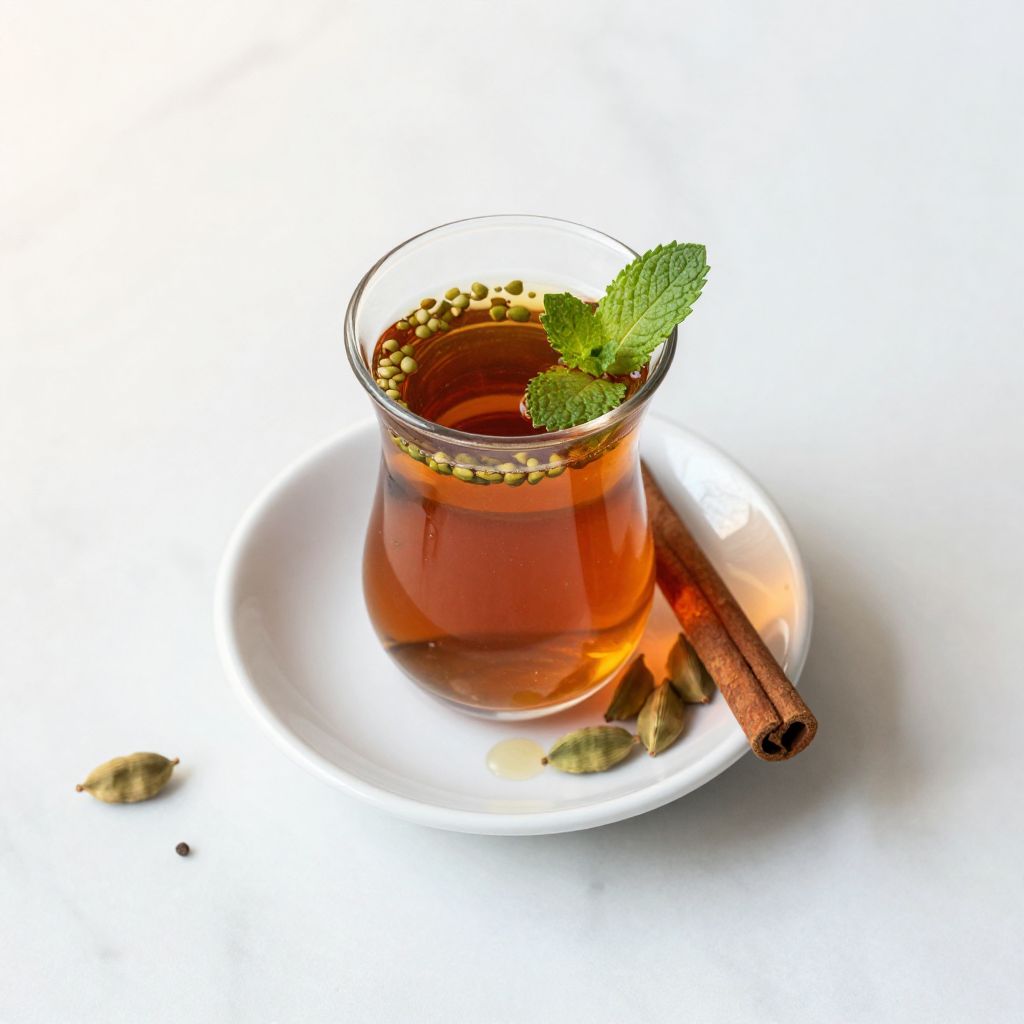
Yemeni tea shines when served in small, traditional glasses without handles, allowing you to appreciate the warm amber color while you sip. It pairs beautifully with light breakfast pastries, dates, nuts, or simply enjoyed on its own as a moment of mindful pause.
- Serve alongside fresh pastries, ma’amoul cookies, or date-filled treats for an authentic Yemeni breakfast.
- Pair with a bowl of mixed nuts or almonds for a simple, satisfying afternoon ritual.
- Enjoy after dinner with a small piece of dark chocolate to echo the spice notes.
- Offer as a warm welcome to guests; the aroma itself makes guests feel valued and cared for.
- Serve during quiet morning hours when you want to slow down and set a calm tone for your day.
Variations to Try
- Saffron Yemeni Tea: Add a small pinch of saffron threads during steeping for a more luxurious, slightly floral note that elevates the spice blend beautifully.
- Mint-Forward Version: Increase fresh mint leaves to a full handful and add them during the last minute of steeping for a cooler, herbaceous twist that works well in warmer months.
- Rose Water Variation: Stir in 1 teaspoon of rose water just before serving for a delicate floral character that adds sophistication without overwhelming the spices.
- Extra Spiced Bold Tea: Double the cardamom and ginger if you love intense spice; this creates a more medicinal, warming cup that feels almost like herbal tea.
- Coconut Milk Version: Pour the strained tea into a cup and add a splash of warm coconut milk for richness and creaminess while keeping authentic flavor.
Dietary Adaptations
- Gluten-Free: This recipe is naturally gluten-free as written; just ensure your black tea and honey sources are certified gluten-free if you have celiac sensitivity.
- Dairy-Free: The recipe contains no dairy, making it automatically vegan and dairy-free; coconut milk can be added for richness if desired.
- Vegan: Use maple syrup or agave instead of honey to keep the recipe completely plant-based without changing flavor significantly.
- Low-Sugar: Replace honey with stevia or monk fruit sweetener for a zero-sugar version, though you’ll lose some of honey’s warming, rounded sweetness.
Storage and Reheating
Refrigerator
Store leftover strained tea in an airtight glass container for up to 3 days. The flavor holds reasonably well, though it develops a slightly flatter character over time.
- Reheat gently on the stove over low heat without boiling to restore warmth without damaging remaining flavor.
- Add a small pinch of fresh ginger when reheating to brighten the taste.
Freezer
You can freeze strained tea in ice cube trays for up to 1 month, though the spice flavors become muted after freezing. Thaw slowly in the refrigerator rather than microwaving.
- Use frozen cubes in smoothies or as a base for iced tea drinks rather than traditional hot tea.
Reheating
Never microwave the tea, as it heats unevenly and can scald the spices. Always reheat gently on the stovetop over medium-low heat, stirring occasionally until steaming.
- Add a small splash of fresh water if the reheated tea tastes too concentrated.
Nutrition Information
| Nutrient | Amount |
|---|---|
| Calories | 35 |
| Total Fat | 0g |
| Saturated Fat | 0g |
| Carbohydrates | 9g |
| Fiber | 0g |
| Sugar | 8g |
| Protein | 0g |
| Sodium | 5mg |
| Cholesterol | 0mg |
This nutritional information reflects the recipe as written with 2 tablespoons of honey per serving. Adjusting honey amounts will change the sugar and calorie content proportionally.
Frequently Asked Questions
Can I use tea bags instead of loose leaf tea?
Tea bags work in a pinch, but loose leaf delivers noticeably better flavor and aroma. The leaves in bags are often broken into small pieces that over-extract quickly, resulting in a flatter taste.
How far in advance can I prepare the spices?
Crush the cardamom pods just before brewing for maximum aroma and flavor impact. Pre-crushed spices lose their volatile oils within hours, so preparation the day before will give noticeably diminished results.
Is Yemeni tea caffeinated?
Yes, black tea contains about 40 to 70 mg of caffeine per cup depending on steeping time and tea type. If you want to reduce caffeine, use a shorter steeping time or switch to decaffeinated black tea.
What if my tea tastes too bitter?
Bitter flavor usually means over-steeping or water that was too hot. Next time, reduce steeping time by a minute or two and ensure the heat is at a gentle simmer rather than a rolling boil.
Can I make this recipe with green tea instead of black tea?
Green tea creates a lighter, more delicate cup that doesn’t hold up as well to the bold spices in this recipe. If you try it, reduce the spice amounts by about half to maintain balance.
How much honey should I add?
Start with 2 tablespoons for 4 cups and adjust to taste; some people prefer it sweeter or completely unsweetened. The traditional Yemeni approach is to add honey gradually until the spice intensity feels balanced and pleasant to your palate.
Final Thoughts
Yemeni tea is more than just a beverage; it’s an invitation to slow down and appreciate the simple pleasure of warmth, aroma, and flavor coming together. Once you master this recipe, you’ll find yourself reaching for it on mornings when you need grounding or afternoons when you want to gather people around something meaningful.
The beauty of this tea is that it improves with repetition. Each time you make it, you’ll develop a feel for the spices and how they bloom, adjusting intuitively until you find your perfect cup. Try it this week and notice how it shifts the mood of your kitchen and invites connection with whoever shares it with you.
Explore More Spiced Tea Recipes
If you enjoyed learning to make Yemeni tea, you might also love exploring other warming spiced tea traditions from around the world.
Try making Adeni chai recipe for another fascinating take on spiced black tea with its own unique regional character. You can also discover mullein tea recipe if you’re curious about herbal infusions with their own medicinal warmth and historical significance.
Yemeni Tea
Ingredients
Equipment
Method
- Lightly crush the cardamom pods to release the seeds and aromatic oils.
- Bring 4 cups of cold water to a rolling boil in a kettle.
- Pour the boiling water into the saucepan and add crushed cardamom, cloves, cinnamon stick, and ginger; stir and let sit for 1 minute.
- Add the loose black tea and stir to ensure full contact with the spiced water.
- Cover, reduce heat to medium-low, and simmer gently for 5 to 7 minutes until deep amber color is reached.
- Check color at 5 minutes and extend steeping by 1–2 minutes if a stronger brew is desired.
- Strain the tea through a fine mesh sieve into a serving pitcher, discarding leaves and spices.
- Stir in honey to taste and add a pinch of black pepper if using, then pour into small glasses and garnish with mint leaves.