
Imagine sitting in a circle with friends, passing around a wooden cup filled with a creamy, earthy beverage that makes your lips tingle and your mind settle into perfect calm.
The kava drink is a traditional Pacific Islander beverage with centuries of cultural significance, and it’s becoming increasingly popular among people seeking natural relaxation without alcohol.
What makes kava special is its unique ability to promote mental clarity and gentle relaxation simultaneously, plus it’s remarkably easy to prepare at home with just a few simple ingredients.
Whether you’re curious about authentic preparation methods or looking for a new wellness ritual, this guide will walk you through everything you need to know to make kava like a pro.
Why You’ll Love This Recipe
Kava offers a genuinely different experience compared to other beverages, delivering both ritual and real results in your own kitchen.
- Creates a calming effect without drowsiness or harmful side effects when used responsibly.
- Takes just 15 minutes from start to sip, making it perfect for weeknight wind-downs.
- Works beautifully as a social drink for gatherings, meditation sessions, or solo relaxation.
- Completely customizable with different root qualities and flavor additions to match your taste.
- Naturally caffeine-free and alcohol-free, appealing to anyone seeking alternative beverages.
My Experience Making This Recipe
I first tried kava at a friend’s dinner party and was immediately intrigued by the ritual surrounding its preparation. The host ground the root powder, mixed it with water using a specific straining technique, and the whole evening took on this wonderful sense of intention and slowness.
When I made it myself for the first time, I was surprised by how straightforward the process actually is, though getting the straining technique right took a couple of attempts. Now I keep quality kava root powder on hand for Friday nights, and it’s become my favorite way to transition from work mode into genuine relaxation.
My family has gotten into the habit of gathering for “kava hour,” and everyone comments on how smooth and pleasant the experience feels compared to coffee or wine. The earthy flavor has grown on me, and I’ve experimented with adding coconut milk and vanilla to personalize my version.
Recipe Overview
- Recipe Name: Traditional Kava Drink
- Servings: 2 to 3 servings
- Prep Time: 5 minutes
- Cook Time: 10 minutes
- Total Time: 15 minutes
- Course: Beverage
- Cuisine: Pacific Islander
- Calories per Serving: 15
Equipment You Will Need
- Fine mesh strainer or cheesecloth
- Large mixing bowl
- Measuring cups and spoons
- Hot water kettle or pot
- Wooden or ceramic cups for serving
- Spoon for stirring
- Optional: traditional kava bowl and strainer bag for authentic presentation
Ingredients for Kava Drink
- 3 tablespoons of high-quality kava root powder (medium grind preferred)
- 2 cups of warm filtered water
- 1 teaspoon of coconut milk powder or fresh coconut milk, optional for creaminess
- 1 pinch of sea salt to enhance flavor
- Vanilla extract or ground turmeric, optional for flavor variation
Ingredient Notes and Substitutions
- Kava root powder is the essential ingredient that provides the drink’s unique properties and flavor. If unavailable, you cannot truly replicate kava, but some people experiment with kava supplements as a weaker alternative.
- Filtered water produces the cleanest taste by removing chlorine and minerals that might interfere with flavor. Tap water works fine in a pinch, though the taste will be slightly different.
- Coconut milk adds richness and creaminess that complements kava’s earthy notes beautifully. Almond milk or oat milk can substitute, though they won’t provide quite the same luxurious mouthfeel.
- Sea salt seems like an odd addition but actually brings out kava’s subtle sweetness and reduces any bitterness. Regular table salt works but lacks the mineral complexity of sea salt.
- Vanilla extract adds warmth and sweetness without overpowering the kava’s natural flavor profile. Cinnamon or ginger can replace it if you prefer warmer spice notes.
How to Make Kava Drink
Step 1: Heat Your Water
Pour 2 cups of filtered water into a kettle or pot and heat until it reaches about 160 to 180 degrees Fahrenheit, which is comfortably hot but not boiling. Water that’s too hot can damage some of kava’s beneficial compounds, while water that’s too cool won’t extract the root properly.
Step 2: Measure Your Kava Powder
Pour 3 tablespoons of kava root powder into your mixing bowl, ensuring you’re using a medium or fine grind rather than coarse chunks. The grind size matters because finer powder extracts more efficiently and creates a smoother beverage.
Step 3: Add Salt to the Powder
Sprinkle a tiny pinch of sea salt directly into the kava powder and stir gently to distribute evenly. This salt will enhance the root’s natural flavor and reduce any harsh or overly bitter notes you might experience.
Step 4: Pour Water Over Kava
Slowly pour your warm water over the kava powder while stirring constantly with a spoon, creating a muddy paste-like consistency. Stirring from the moment water meets powder helps begin the extraction process immediately.
Step 5: Let It Steep
Allow the mixture to sit undisturbed for about 5 minutes, letting the water fully extract the kava’s active compounds. This resting period is crucial because it gives the water enough time to absorb the root’s beneficial properties and flavor.
Step 6: Prepare Your Strainer
Place your fine mesh strainer or cheesecloth over a clean bowl, positioning it so you’ll be able to pour the kava mixture through without spilling. If using cheesecloth, fold it into a sturdy pouch that can handle the weight of wet kava powder.
Step 7: Strain the Mixture
Carefully pour the kava mixture through your strainer into the bowl below, allowing gravity to do most of the work initially. Once you’ve poured everything through, gather the edges of the cheesecloth and gently squeeze the remaining liquid from the kava pulp, pressing firmly but not aggressively.
Step 8: Add Creaminess Optional
If you’re using coconut milk, stir 1 teaspoon of coconut milk powder or a splash of fresh coconut milk into your strained kava beverage and mix thoroughly. This step is optional but creates a noticeably smoother, more luxurious mouthfeel that many people prefer.
Step 9: Serve and Enjoy
Pour your finished kava drink into wooden or ceramic cups and serve immediately while it’s still warm. Tradition suggests sipping slowly and mindfully, allowing each small amount to coat your mouth before swallowing.
Pro Tip: The quality of your kava root powder matters more than anything else in this recipe, so invest in reputable suppliers and look for powder that’s been tested for purity and potency.
Tips for the Best Kava Drink
- Use water between 160 and 180 degrees Fahrenheit rather than boiling water, as extreme heat degrades kava’s active compounds and creates a harsher taste.
- Strain your kava thoroughly by pressing the pulp against the sides of your cheesecloth or strainer, as more contact means more extraction of beneficial compounds.
- Always purchase kava from reputable sources that provide lab testing results, ensuring you’re getting pure root powder without contaminants or fillers.
- Drink your kava on a relatively empty stomach or with light snacks, as fatty foods can interfere with absorption of its active compounds.
- Store your kava powder in an airtight container away from light and heat, keeping it fresh and potent for several months.
- Start with smaller amounts if you’re new to kava, gradually increasing your serving as you learn how your body responds to it.
Common Mistakes to Avoid
- Using boiling water damages kava’s kavalactones and creates a bitter, unpleasant taste that makes people think they’re doing something wrong.
- Skipping the straining step or straining poorly leaves pulp and grit in your drink, creating an unpleasant grainy texture and muted flavor.
- Using very coarse or whole kava root chunks instead of powder means most of the beneficial compounds never extract into the water.
- Preparing kava with cold water results in minimal extraction, producing a weak drink that lacks the traditional effects and flavor people expect.
- Mixing kava with acidic juices or carbonated beverages interferes with the active compounds and creates an unpleasant flavor combination.
Serving Suggestions
Kava shines when served as part of intentional moments, whether solo or with others, and pairs naturally with quiet evenings or social gatherings. The beverage fits perfectly into meditation practices, book club meetings, or casual dinner parties where meaningful conversation is the focus.
- Serve alongside light snacks like coconut cookies, vanilla wafers, or fresh fruit to complement kava’s earthy flavor.
- Pair with herbal tea time as an alternative to coffee, creating a calm afternoon ritual.
- Offer at the end of dinner as a natural alternative to dessert or after-dinner drinks.
- Present as part of a wellness gathering focused on relaxation and mindfulness practices.
- Serve in traditional wooden bowls with respectful ceremony to honor its cultural origins.
Variations to Try
- Creamy Vanilla Kava: Add 1/2 teaspoon of vanilla extract and an extra tablespoon of coconut milk to create a sweet, luxurious version that tastes almost dessert-like.
- Spiced Kava: Stir in a pinch of cinnamon, ginger, and cloves to warm up the earthy flavor profile and add complexity.
- Tropical Kava: Mix your strained kava with a small splash of coconut water or pineapple juice for a lighter, fruit-forward twist.
- Golden Kava: Add a small pinch of turmeric and honey to create an anti-inflammatory drink with warm, golden color.
- Chilled Kava: Prepare your kava as usual, then chill it completely and serve over ice during warm months for a refreshing twist.
Dietary Adaptations
- Gluten-Free: Kava root powder is naturally gluten-free, making this recipe safe for anyone with gluten sensitivity, though verify your specific product hasn’t been processed with gluten.
- Dairy-Free: Skip any dairy additions and use coconut milk powder or plant-based milk alternatives instead, keeping the drink completely dairy-free.
- Vegan: The basic kava drink is already vegan, but avoid any honey additions and stick to plant-based milk options if adding creaminess.
- Low-Carb and Keto: Plain kava is extremely low in carbohydrates and fits perfectly into keto diets, though skip any sweetened additions or sugary milk alternatives.
Storage and Reheating
Refrigerator
Store leftover kava in an airtight glass container in your refrigerator for up to 2 days, though the flavor gradually fades and separation may occur. Kava is best consumed fresh, so plan to make only what you’ll drink within a day.
- Transfer to an airtight glass container immediately after preparation.
- Store away from light and strong-smelling foods that might affect flavor.
- Stir well before reheating as separation is normal.
Freezer
Freezing kava is not recommended because the freezing process affects the active compounds’ potency and the texture becomes unpleasant upon thawing. For best results, prepare fresh kava each time you want to enjoy it.
Reheating
Gently reheat stored kava on the stovetop over low heat or in the microwave using 30-second intervals, stirring between each interval to ensure even warming. Never allow kava to reach boiling temperature during reheating, as high heat will damage its beneficial properties.
Nutrition Information
| Nutrient | Amount |
|---|---|
| Calories | 15 |
| Total Fat | 0.2g |
| Saturated Fat | 0g |
| Carbohydrates | 3g |
| Fiber | 0.1g |
| Sugar | 0g |
| Protein | 0.3g |
| Sodium | 25mg |
| Cholesterol | 0mg |
These values represent the basic kava drink without any optional additions like coconut milk or sweeteners, which would increase calories and carbohydrates accordingly.
Frequently Asked Questions
Can I prepare kava with cold water instead of warm water?
Cold water extraction is possible but results in a much weaker beverage with minimal extraction of kava’s active compounds. Traditional preparation always uses warm water because the heat facilitates proper extraction and creates the authentic experience people expect.
How long does kava take to work after drinking?
Most people notice kava’s relaxing effects within 15 to 30 minutes of consumption, though the timing varies based on individual metabolism and whether you’ve eaten. The effects typically peak around 60 minutes and gradually fade over the next few hours.
Is kava safe to drink regularly?
When sourced from reputable suppliers and consumed in traditional amounts, kava is considered safe for regular use by most people. However, you should research any potential interactions with medications you take and consult a healthcare provider if you have liver concerns.
What does kava taste like, and will I enjoy it?
Kava tastes earthy, slightly bitter, and somewhat peppery, with a distinctive flavor that takes some people a few tries to appreciate. Many people grow to love the taste once they associate it with the relaxation that follows, though adding vanilla, coconut milk, or spices helps if you find the plain flavor too harsh.
Can I mix kava with other beverages like juice or coffee?
Mixing kava with acidic juices interferes with its active compounds’ absorption, while combining it with caffeine from coffee defeats the purpose of its relaxing properties. Stick with water or plant-based milks to maximize kava’s benefits and allow its unique flavor to shine through.
What’s the difference between kava powder and kava supplements?
Kava powder is whole root material that delivers the full spectrum of active compounds, while supplements are often concentrated extracts or capsules with varying potency levels. Powder offers a more traditional, ceremonial experience and typically provides stronger effects than standardized supplements.
How do I know if my kava powder is high quality?
Look for suppliers who provide third-party lab testing results confirming purity and kavalactone content, and choose medium-grind powder from reputable sources specializing in kava. The powder should smell pleasantly earthy without any musty or moldy odors, and high-quality kava never contains fillers or additives.
Final Thoughts
Making kava at home transforms it from an exotic curiosity into an accessible part of your wellness routine, offering genuine relaxation in just 15 minutes. Once you master the basic technique, you’ll find yourself reaching for kava whenever you need to slow down and settle your mind.
I encourage you to source quality kava powder, follow these steps carefully, and discover why this traditional Pacific Islander beverage has captivated people for centuries. The simple act of preparing and sipping kava becomes its own form of meditation and self-care.
If you’ve enjoyed exploring kava drinks, you might also appreciate discovering other delicious beverage recipes that bring people together and offer unique flavors. Try making a coffee punch recipe for your next gathering, or explore the tropical goodness of a jamaican peanut punch recipe to expand your beverage repertoire beyond the everyday.
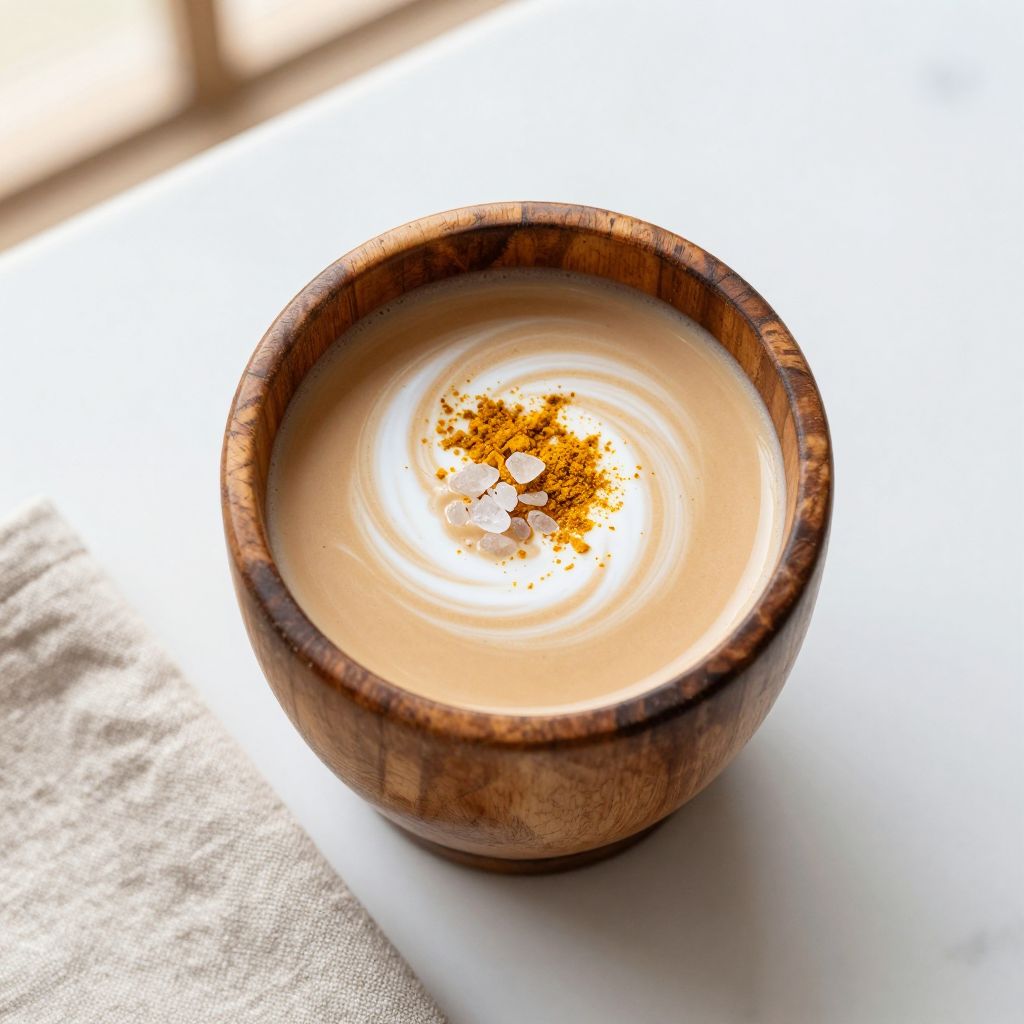
Traditional Kava Drink
Ingredients
Equipment
Method
- Heat 2 cups of filtered water to 160–180°F (70–80°C) in a kettle or pot, avoiding boiling; this takes about 5 minutes.
- Measure 3 tablespoons of kava root powder into a large mixing bowl, ensuring it is medium-fine grind.
- Add a pinch of sea salt to the powder and stir gently to distribute the salt evenly.
- Slowly pour the warm water over the kava powder while stirring continuously to form a muddy paste.
- Let the mixture steep undisturbed for 5 minutes to extract the active compounds.
- Place a fine mesh strainer or cheesecloth over a clean bowl, creating a pouch if using cheesecloth.
- Pour the steeped kava mixture through the strainer, then gather the edges of the cloth and gently squeeze out the remaining liquid.
- Optionally stir in 1 teaspoon of coconut milk powder or a splash of fresh coconut milk for added creaminess.
- Pour the strained kava into wooden or ceramic cups and serve immediately, sipping slowly and mindfully.