
Picture yourself at the state fair on a hot summer day, the smell of fried food and kettle corn in the air, and someone hands you a tall glass of ice-cold lemonade that tastes like pure sunshine and nostalgia. State fair lemonade isn’t just any lemonade; it’s a perfectly balanced blend of tart and sweet that quenches your thirst and brings back memories of simpler times.
This recipe captures that iconic fair-stand magic in your own kitchen with simple ingredients and a few smart techniques. The secret lies in using fresh-squeezed lemon juice, the right sugar-to-water ratio, and a touch of lemon zest that makes it taste authentically homemade. Best of all, you can make a big batch and keep it on hand for hot days, backyard gatherings, or whenever you need a refreshing escape.
Why You’ll Love This Recipe
This lemonade tastes bright, refreshing, and genuinely impressive, yet requires almost no skill or special equipment. You’ll find yourself reaching for it again and again because it strikes the perfect balance between sweetness and tartness.
- Uses fresh lemon juice for authentic, natural flavor that bottled juice can’t match
- Quick to make and can be prepared hours ahead for busy days
- Naturally sweetened with simple syrup that dissolves smoothly without grittiness
- Scales easily from single servings to large batches for parties and gatherings
- Works as a base for creative variations like strawberry or mint versions
My Experience Making This Recipe
I first made this recipe on a whim when I had leftover lemons and a craving for something cold and refreshing. Within fifteen minutes, I had a pitcher of lemonade that tasted better than anything I’d bought at a fair stand in years.
The moment I took that first sip, I remembered why fresh lemonade matters so much more than the powdered packets. The brightness of real lemon juice, combined with the subtle lemon zest I’d added, created a depth of flavor that felt both familiar and special. My kids drank their glasses so fast they asked for refills before I’d even finished my first one.
Since that day, I’ve made this recipe at least a dozen times for summer parties, and it never fails to impress. People always ask if there’s something special about it because it tastes so clean and vibrant compared to store-bought versions.
Recipe Overview
- Recipe Name: State Fair Lemonade
- Servings: 8 servings
- Prep Time: 10 minutes
- Cook Time: 5 minutes
- Total Time: 15 minutes (plus chilling time)
- Course: Beverage
- Cuisine: American
- Calories per Serving: 95
Equipment You Will Need
- Citrus juicer or manual lemon squeezer
- Microplane zester or fine grater
- Medium saucepan
- Whisk
- Measuring cups and spoons
- Large pitcher (at least 2 quarts)
- Spoon for stirring
- Strainer or fine-mesh sieve
Ingredients for State Fair Lemonade
- Fresh lemons: 8 to 10 medium lemons (about 1.5 cups fresh juice)
- Granulated sugar: 1 cup
- Water: 6 cups (divided into 1 cup for syrup and 5 cups for diluting)
- Lemon zest: 1 tablespoon (from 1 to 2 lemons)
- Salt: 1/8 teaspoon
- Ice: as needed for serving
Ingredient Notes and Substitutions
- Fresh lemons: Fresh juice delivers bright, complex flavor that bottled lemon juice lacks because it contains natural oils and acids that evaporate over time. If you must use bottled juice, use 1 cup of freshly squeezed or high-quality bottled juice, though the flavor will be slightly less vibrant.
- Granulated sugar: Standard white sugar dissolves smoothly into the simple syrup and provides clean sweetness without competing flavors. Honey or agave nectar can replace sugar for a different flavor profile, but use 3/4 cup honey for each cup of sugar since it’s sweeter and more liquid.
- Water: Filtered or spring water works best because tap water may contain chlorine or minerals that affect taste. If using tap water, let it sit uncovered for a few hours to allow chlorine to evaporate.
- Lemon zest: The yellow part of the peel contains aromatic oils that boost lemon flavor instantly. Skip zest entirely if you prefer a cleaner, less intense lemon taste, though you’ll lose some complexity.
- Salt: A tiny pinch of salt amplifies sweetness and lemon flavor without making the drink taste salty. Omit it if you prefer, but you’ll notice the flavors feel slightly flatter.
How to Make State Fair Lemonade
Step 1: Prepare Your Lemons
Wash 8 to 10 medium lemons thoroughly under running water and pat them dry with a paper towel. Rolling them firmly on the counter before juicing helps break down the inside fibers and releases more juice from each lemon.
Step 2: Zest the Lemons
Using a microplane zester, remove the bright yellow zest from 1 to 2 lemons into a small bowl, avoiding the bitter white pith underneath. You should have about 1 tablespoon of zest; this concentrated lemon flavor will make your lemonade taste authentically fresh and not one-dimensional.
Step 3: Juice the Lemons
Cut your lemons in half and squeeze them using a citrus juicer or manual squeezer into a bowl or measuring cup. You should have approximately 1.5 cups of fresh juice; if you end up with slightly more or less, that’s fine because you can adjust the water slightly at the end.
Step 4: Make the Simple Syrup
Pour 1 cup of water into a medium saucepan and bring it to a simmer over medium heat. Add 1 cup of granulated sugar and the lemon zest, then whisk constantly for about 2 to 3 minutes until the sugar completely dissolves and you see no grains remaining.
Simmering the zest in the syrup releases its flavorful oils into the liquid, infusing the entire batch with lemon intensity that you wouldn’t get by just mixing cold ingredients. This step is what separates homemade fair lemonade from sad, flat versions.
Step 5: Cool the Simple Syrup
Remove the saucepan from heat and let the syrup cool to room temperature, about 5 to 10 minutes. Pouring hot syrup into cold juice or ice will cause the flavors to meld unevenly and can result in a grainy texture if the sugar recrystallizes.
Step 6: Strain the Syrup
Pour the cooled syrup through a fine-mesh strainer into your large pitcher, pressing gently on the zest to extract all the flavored liquid. Discard the zest solids left behind; this straining step ensures a smooth, clear lemonade without any pulp or zest bits floating around.
Step 7: Add Fresh Lemon Juice and Water
Pour the fresh lemon juice into the pitcher with the simple syrup, then add 5 cups of cold water and 1/8 teaspoon of salt. Stir well with a spoon until everything is thoroughly combined; the salt won’t be noticeable but will round out the flavors.
Step 8: Taste and Adjust
Take a sip and evaluate the balance of sweet and tart. If it tastes too sweet, add another 1/2 cup of water; if it tastes too tart, dissolve 2 tablespoons of sugar in a little warm water and stir it in.
Step 9: Chill and Serve
Cover the pitcher and refrigerate for at least 30 minutes until the lemonade is very cold. Serve over ice in tall glasses and watch people’s faces light up when they taste how good it is.
Pro Tip: Make your simple syrup the night before and store it in an airtight jar in the fridge, then quickly combine it with juice and water whenever you want fresh lemonade.
Tips for the Best State Fair Lemonade
- Choose lemons that feel heavy for their size because they contain more juice; thin-skinned lemons typically yield more liquid than thick-skinned varieties.
- Don’t refrigerate your lemons before juicing because cold fruit releases juice less easily; let them sit at room temperature for a few hours if you’ve stored them in the fridge.
- Make a big batch and keep it in the fridge for up to 5 days so you always have cold lemonade ready when you want it.
- Serve it in tall glasses filled with plenty of ice because the ice helps it stay cold longer and dilutes it slowly as it melts, preventing it from becoming watery too quickly.
- Add fresh mint leaves or a splash of sparkling water just before serving to create different versions of the same base recipe.
- For a prettier presentation, freeze a thin lemon slice inside an ice cube by placing a slice in each ice cube tray compartment, filling halfway with water, freezing, then topping with more water before freezing again.
Common Mistakes to Avoid
- Using bottled lemon juice instead of fresh: Bottled juice tastes flat and chemical compared to fresh squeezed, making your lemonade taste like a budget version of the real thing.
- Skipping the simple syrup step: Simply dissolving sugar directly into cold water leaves grainy, undissolved sugar at the bottom and uneven sweetness throughout the pitcher.
- Making it too sweet: Too much sugar overpowers the lemon flavor and makes the drink cloyingly sweet; the tartness of fresh lemon should shine through.
- Forgetting to strain the zest: Leaving zest pieces floating in the pitcher looks messy and creates an unpleasant bitter or grainy texture on your tongue when you sip.
- Not chilling it properly: Serving lemonade at room temperature or with insufficient ice makes it taste warm and flabby instead of crisp and refreshing.
Serving Suggestions
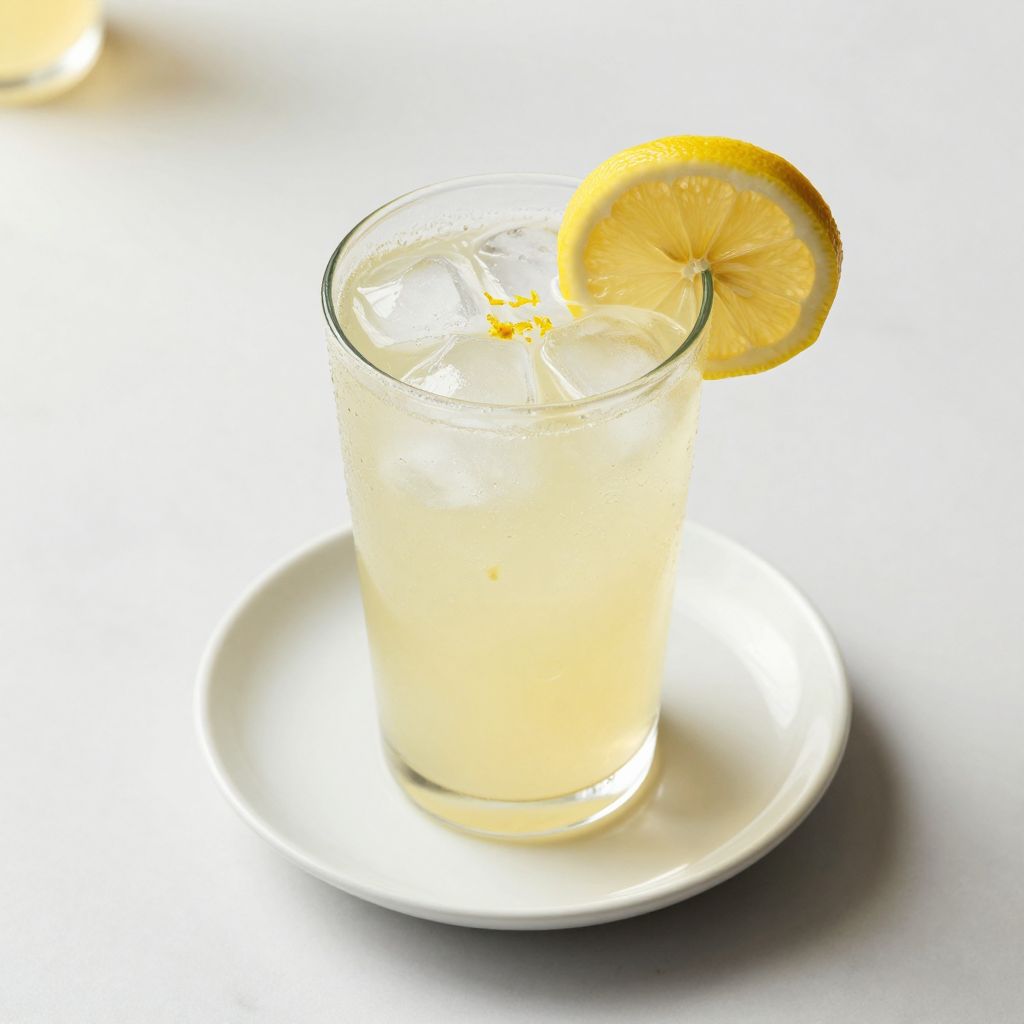
Serve this lemonade ice-cold in tall glasses with plenty of ice and a thin lemon wheel balanced on the rim for a classic look. It pairs beautifully with warm-weather foods and picnic fare, making it the perfect complement to your summer gatherings.
- Alongside grilled chicken, burgers, or hot dogs at backyard barbecues
- With fresh fruit salads or light desserts like angel food cake for outdoor brunch
- Served at kids’ lemonade stands or summer parties alongside sandwiches and pasta salad
- As a palate cleanser between courses at fancy outdoor dinners or garden parties
- Mixed with sparkling water for a lighter, more effervescent version that feels special and celebratory
Variations to Try
- Strawberry Lemonade: Puree 1 cup of fresh strawberries and strain through a fine-mesh sieve, then fold the puree into the finished lemonade for a beautiful pink color and sweet berry flavor that balances the tartness.
- Mint Lemonade: Add 8 to 10 fresh mint leaves to your simple syrup while it simmers, then remove them before serving; the mint flavor is subtle and refreshing without overwhelming the lemon.
- Sparkling Lemonade: Prepare the base lemonade as written, then top each glass with sparkling water instead of plain ice water for a bubbly, lighter version that feels fancy.
- Honey Lemonade: Replace the granulated sugar with 3/4 cup of raw honey added to the hot water and whisked until dissolved; honey creates a smoother sweetness and adds floral complexity.
- Lavender Lemonade: Steep 1 tablespoon of dried culinary lavender buds in the hot simple syrup for 5 minutes, then strain before combining with juice; the floral notes pair beautifully with lemon for a sophisticated twist.
Dietary Adaptations
- Gluten-Free: This recipe is naturally gluten-free with no modifications needed since it contains only lemons, sugar, water, and salt.
- Dairy-Free: No dairy appears in this recipe, so it works perfectly for anyone avoiding milk, cream, or butter.
- Vegan: The recipe is already vegan, using only plant-based ingredients with no animal products of any kind.
- Low-Carb or Keto: Replace granulated sugar with a monk fruit sweetener or erythritol blend at a 1:1 ratio; the flavor will be slightly different but still refreshing, and you’ll reduce carbs significantly.
- Reduced Sugar: Use 3/4 cup of sugar instead of 1 cup, or use half sugar and half stevia or monk fruit for a lighter-tasting version that’s less sweet overall.
Storage and Reheating
Refrigerator
Store finished lemonade in an airtight pitcher or covered container in the fridge for up to 5 days. The flavor remains fresh and bright throughout this window, making it perfect for preparing ahead for the week.
- Keep the pitcher covered to prevent absorbing odors from other foods in the fridge
- Stir well before serving since separation can occur after sitting overnight
- Store simple syrup separately for up to 2 weeks if you want to make fresh lemonade daily
Freezer
You can freeze lemonade in ice cube trays to use in future drinks or blended beverages, though it doesn’t freeze solid as a liquid pitcher. Freeze lemonade cubes for up to 3 months and add them to water or sparkling water for an instant refreshing drink.
- Pop frozen lemonade cubes into smoothies for a tart, refreshing element
- Use them in cocktails or mocktails for added flavor and a pretty presentation
Reheating
This lemonade is served cold and never requires reheating since it’s a cold beverage meant for warm weather. Simply chill it again if it warms up sitting out on a table.
- Add extra ice if the lemonade has warmed to room temperature
- Refresh stale lemonade by whisking in a few tablespoons of fresh lemon juice
Nutrition Information
| Nutrient | Amount |
|---|---|
| Calories | 95 |
| Total Fat | 0g |
| Saturated Fat | 0g |
| Carbohydrates | 25g |
| Fiber | 0g |
| Sugar | 24g |
| Protein | 0g |
| Sodium | 45mg |
| Cholesterol | 0mg |
Nutrition values are approximate and calculated for one serving of 8 ounces, assuming the recipe makes 8 servings total. Actual values may vary based on the exact size of lemons used and any adjustments made to sweetness.
Frequently Asked Questions
Can I make this lemonade without fresh lemons?
Bottled lemon juice works in a pinch, though you’ll lose the bright, complex flavor that fresh lemons provide. Use 1 cup of bottled juice and skip the zest step, understanding that the result will taste noticeably less vibrant than the original recipe.
How far ahead can I make this lemonade?
You can make the simple syrup up to a week ahead and store it in an airtight jar in the fridge. Mix it with juice and water just before serving for the freshest flavor, or combine everything up to 5 days ahead and keep it covered in the fridge.
What’s the best way to serve this at a party?
Pour the lemonade into a large pitcher and set out ice, glasses, and thin lemon wheels so guests can serve themselves throughout the event. Prepare a batch of pretty ice cubes with frozen lemon slices inside to make it look fancy and keep the lemonade cold longer.
Why does my lemonade taste bitter?
Bitterness usually comes from zesting too deeply into the white pith under the lemon skin or from letting the zest steep too long in the hot water. Next time, use a microplane to remove only the thin yellow layer, and keep the zest in the syrup for no more than 3 minutes.
Can I use Meyer lemons or other lemon varieties?
Meyer lemons are sweeter and less acidic than regular lemons, so you may need to add an extra 2 tablespoons of regular lemon juice or reduce the sugar to 3/4 cup to maintain balance. Experiment with different varieties to find your preferred flavor profile.
Is there a way to make this less sweet for adults?
Reduce the sugar to 3/4 cup or add an extra 1/2 cup of water to create a more tart, refreshing version. You can also try adding a tiny pinch of bitters or a teaspoon of vanilla extract to add complexity without sweetness.
Final Thoughts
Making state fair lemonade at home is one of those simple pleasures that reminds you why homemade always tastes better than store-bought. This recipe takes just fifteen minutes and uses ingredients you probably already have in your kitchen, yet the result tastes like you spent hours perfecting it.
I encourage you to make a pitcher this week and experience the difference that fresh lemon juice and proper technique can make. You’ll understand why people ask for refills and why this lemonade tastes like summer memories.
If you’re interested in exploring more refreshing beverage options, try this fair lemonade recipe for additional inspiration, or check out this lemonade stand recipe for creative twists on the classic.
State Fair Lemonade
Ingredients
Equipment
Method
- Wash 8 to 10 medium lemons under running water and pat dry, then roll them on the counter to release juices.
- Use a microplane to zest 1 to 2 lemons, yielding about 1 tablespoon of yellow zest, and set aside.
- Cut the lemons in half and juice them with a citrus juicer until you have about 1.5 cups of fresh lemon juice.
- Combine 1 cup water, 1 cup granulated sugar, and the lemon zest in a medium saucepan and simmer over medium heat, whisking for 2 to 3 minutes until the sugar dissolves.
- Remove the saucepan from heat and let the simple syrup cool for 5 to 10 minutes at room temperature.
- Strain the cooled syrup through a fine-mesh sieve into a large pitcher, pressing the zest to extract all flavored liquid and discarding solids.
- Add the 1.5 cups fresh lemon juice, 5 cups cold water, and 1/8 teaspoon salt to the pitcher, then stir until combined.
- Taste and adjust sweetness or tartness: if too sweet, add 1/2 cup water; if too tart, dissolve 2 tablespoons sugar in warm water and stir in.
- Cover the pitcher and refrigerate for at least 30 minutes until very cold, then serve over ice.