
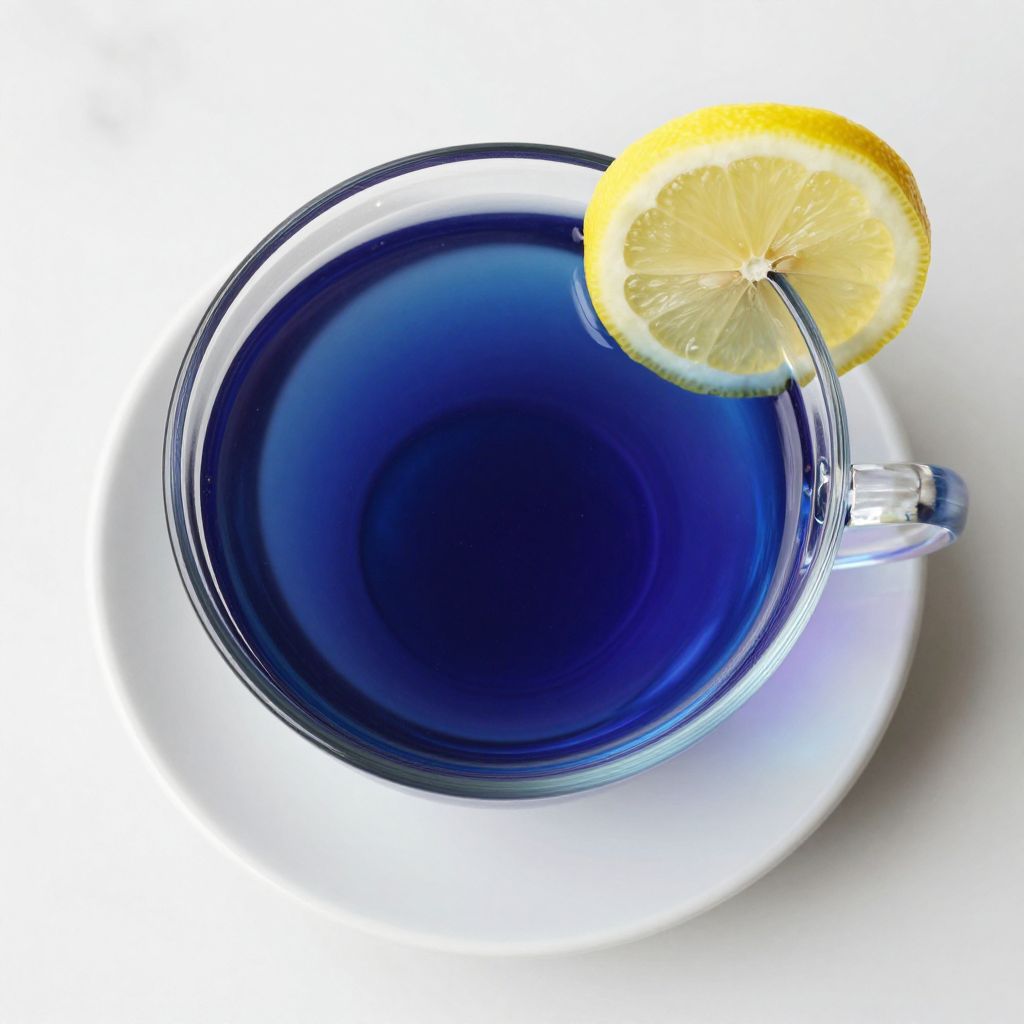
There’s something magical about watching dried flowers unfurl in hot water, transforming a simple cup into a work of art right before your eyes. Butterfly tea, also called blue butterfly pea flower tea, brings that same sense of wonder to your kitchen while delivering a mild, slightly earthy flavor that pairs beautifully with honey or citrus.
This recipe is special because it requires almost no skill but delivers impressive results every single time. The tea shifts from deep blue to purple or pink when you add lemon, making it perfect for impressing guests or treating yourself to a moment of calm.
Why You’ll Love This Recipe
Butterfly tea wins hearts for its simplicity, visual drama, and genuine health benefits rolled into one cup.
- Stunningly beautiful color transformation when you add acidic ingredients like lemon or lime
- Naturally caffeine-free, so you can enjoy it any time of day without disrupting sleep
- Packed with antioxidants that support eye health and overall wellness
- Takes five minutes from kettle to cup with virtually no cleanup
- Works hot, cold, or blended into creative drinks and desserts
My Experience Making This Recipe
I first encountered butterfly tea at a wellness cafe and was immediately hooked by the color shift. My initial batch steeped too long and turned murky, but I quickly learned that three to five minutes hits the sweet spot for clarity and flavor.
The moment I added fresh lemon juice and watched the deep blue transform into a rosy pink, I knew I had found something worth mastering. Friends have requested this tea at every gathering since, and I’ve started keeping dried butterfly pea flowers stocked like someone stocks coffee.
What surprises most people is how gentle and refined the taste is without any bitterness or harsh notes. It tastes like you put effort into something special, but the truth is you simply boiled water and waited.
Recipe Overview
- Recipe Name: Butterfly Tea
- Servings: 1
- Prep Time: 2 minutes
- Cook Time: 5 minutes
- Total Time: 7 minutes
- Course: Beverage
- Cuisine: Southeast Asian
- Calories per Serving: 5
Equipment You Will Need
- Electric kettle or stovetop kettle
- Teacup or heat-safe glass mug
- Tea infuser, strainer, or fine mesh sieve
- Small spoon for stirring
- Measuring spoon
Ingredients for Butterfly Tea
- Dried butterfly pea flowers: 1 to 2 teaspoons
- Hot water: 8 to 10 ounces
- Honey or agave syrup: 1 teaspoon (optional)
- Fresh lemon or lime juice: 1/2 teaspoon (optional, for color shift)
Ingredient Notes and Substitutions
- Dried butterfly pea flowers: These flowers contain natural anthocyanins that create the stunning blue hue and provide antioxidant power. If you cannot find them, blue spirulina powder mimics the color but tastes slightly different and lacks the delicate floral notes.
- Hot water: Use filtered or spring water for the cleanest taste, as tap water minerals can slightly dull the vibrant color. You can swap regular water with herbal broth or coconut water for added depth.
- Honey or agave: These natural sweeteners complement the subtle earthiness without overpowering delicate flower flavors. Maple syrup, coconut sugar, or simple syrup work equally well and bring slight flavor variations.
- Fresh lemon or lime juice: Citrus acid triggers the magical color shift from blue to purple or pink due to pH changes. Hibiscus tea, butterfly pea flower blends with hibiscus, or even apple cider vinegar can create similar reactions, though citrus offers the brightest results.
How to Make Butterfly Tea
Step 1: Measure the Dried Flowers
Measure one to two teaspoons of dried butterfly pea flowers into your tea infuser, strainer, or directly into your cup. The amount depends on how strong you prefer your tea and how dramatic you want the color to be.
Step 2: Heat Your Water
Fill your kettle with eight to ten ounces of fresh water and bring it to a rolling boil. Using hot water just off the boil extracts maximum color and subtle flavor compounds from the flowers without making the tea taste bitter.
Step 3: Pour the Water Over the Flowers
Carefully pour the hot water over your measured flowers, ensuring they are fully submerged. The flowers will immediately begin releasing their vibrant blue pigment into the water as heat activates the anthocyanins.
Step 4: Steep for the Right Amount of Time
Let the tea steep for three to five minutes, depending on how intense you want the flavor and color. Steeping longer than five minutes can create an unpleasant murky appearance and a slightly astringent taste.
Step 5: Strain the Tea
Use your strainer or infuser to remove all the spent flowers from the water, leaving behind a clear, brilliant blue liquid. Pressing on the flowers gently with your spoon extracts any remaining flavor without crushing the delicate petals into the tea.
Step 6: Add Sweetener If Desired
Stir in honey, agave, or your preferred sweetener while the tea is still hot so it dissolves completely. Taste the tea at this point before adding any acid, as you want to appreciate its natural mild, slightly earthy flavor.
Step 7: Add Citrus to Trigger the Color Shift
Squeeze in fresh lemon or lime juice and watch as the tea transforms from deep blue into shades of purple, lavender, or pink. This color change happens instantly because citric acid lowers the pH, which shifts the anthocyanin pigments to new colors.
Step 8: Stir and Serve
Give the tea a gentle stir to combine all ingredients evenly, then serve immediately while it’s still hot. The beautiful gradient of colors is best appreciated right away, and the flavors are most balanced before the tea cools too much.
Pro Tip: Squeeze citrus juice slowly into your butterfly tea and watch the color transformation happen in real time, creating a stunning visual effect that delights everyone at the table.
Tips for the Best Butterfly Tea
- Use a clear glass cup so the brilliant blue color shows off properly rather than disappearing into an opaque mug. The visual element is half the appeal of this tea.
- Add lemon juice slowly and observe the color shift rather than squeezing it all at once, which wastes the gradual transformation magic. Pour it in a thin stream while stirring gently.
- Buy dried butterfly pea flowers from reputable sources like specialty tea shops or online retailers that focus on botanical products. Lower quality flowers may produce muddy colors or have a stale taste.
- Prepare the tea right before serving to keep the color vibrant and the temperature ideal for drinking. Butterfly tea looks less impressive and tastes less fresh if it sits prepared for more than fifteen minutes.
- Keep dried flowers in an airtight container away from direct sunlight to preserve their color and flavor for months. Store them in a cool, dark pantry or cabinet rather than on open shelves where light fades the pigments.
- Experiment with different citrus juices like grapefruit or pomegranate juice for unique color variations and flavor combinations. Each acid source creates slightly different hues and adds its own taste dimension.
Common Mistakes to Avoid
- Steeping the flowers for too long creates a murky, muddy appearance and can extract bitter compounds that make the tea taste unpleasant. Stick to the three to five minute window for best results.
- Using boiling water that sits for more than thirty seconds before pouring can create unwanted mineral buildup or slightly off flavors. Pour water over the flowers as soon as it reaches a rolling boil.
- Forgetting to strain out the spent flowers leaves sediment at the bottom of your cup that looks unappetizing and affects the mouthfeel. Use a fine mesh strainer to catch every flower piece.
- Adding acid to cold or room temperature tea prevents the color shift from happening dramatically, which defeats one of the main reasons to make this drink. Always add citrus to hot tea for maximum visual impact.
- Overloading the cup with sweetener masks the delicate floral notes and turns the experience into something that feels cloying rather than refreshing. Start with a small amount and adjust to your preference.
Serving Suggestions
Butterfly tea shines as a standalone beverage but becomes even more memorable when paired thoughtfully with food or served in creative ways. The mild flavor and visual drama make it perfect for special moments.
- Serve hot with delicate pastries like macarons or butter cookies that won’t overpower the tea’s subtle taste
- Pour over ice and add fresh mint and lemon for a refreshing cold version perfect for warm afternoons
- Blend with coconut milk and a touch of honey for a creamy, Instagram-worthy drink
- Serve at brunch alongside fruit platters, yogurt parfaits, and light breakfast items
- Offer as a palate cleanser between courses at formal dinners or tasting menus
Variations to Try
- Butterfly Pea Latte: Steam four ounces of milk and whisk it into your prepared butterfly tea for a creamy, comforting warm drink. The milk creates a softer color palette while adding richness.
- Hibiscus Butterfly Blend: Mix equal parts dried butterfly pea flowers with hibiscus flowers for a tart, deeper color, and more complex flavor profile. Steep both together for five minutes and add citrus for an even more dramatic transformation.
- Butterfly Tea Lemonade: Brew a batch of butterfly tea with double the flowers, then combine it with fresh lemon juice and sparkling water for a sophisticated fizzy drink. Serve over ice with lemon slices for a stunning presentation.
- Iced Butterfly Tea with Ginger: Add a slice of fresh ginger to your hot tea while steeping to create a warming spice note that pairs beautifully with the floral base. Let it cool and serve over ice for a refreshing ginger-infused version.
- Butterfly Tea Cocktail: Mix prepared butterfly tea with gin, fresh lemon juice, and a touch of honey for an elegant alcoholic beverage that dazzles visually. The color transformation happens right in the glass.
Dietary Adaptations
- Gluten-Free: Butterfly tea is naturally gluten-free, though always verify that your dried flowers were processed in a facility without gluten contamination. Most reputable tea suppliers handle this carefully and can provide certification if needed.
- Dairy-Free: The basic recipe contains no dairy, but if you make a milk-based variation, swap regular milk with coconut, almond, oat, or cashew milk for the same creamy texture. Each alternative brings slightly different flavors that complement the floral notes.
- Vegan: Butterfly tea itself is completely vegan, but use agave, maple syrup, or coconut sugar instead of honey if you follow a vegan diet. All other ingredients naturally align with vegan preferences.
- Low-Carb and Keto: Skip any added sweeteners or use a keto-friendly option like stevia or erythritol to keep the tea under five grams of carbohydrates per serving. The base recipe already contains virtually no sugar or carbs.
Storage and Reheating
Refrigerator
Store prepared butterfly tea in an airtight glass container for up to three days, though the color may shift slightly over time. Cold-brewed butterfly tea actually develops a deeper, slightly more complex flavor than hot-brewed versions.
- Keep away from direct light to preserve the vibrant blue color
- Stir before serving if any settling has occurred
- Add fresh citrus right before serving for maximum color pop
Freezer
Butterfly tea can be frozen in ice cube trays for up to two months, creating colorful cubes perfect for adding to other drinks or water. Thaw at room temperature and reheat gently if you prefer warm tea, or use the cubes directly in cold beverages.
- Freeze without citrus, as lemon or lime can separate slightly when thawed
- Label your ice cubes so you remember what they are
- Add citrus after thawing for the best color shift effect
Reheating
Reheat refrigerated butterfly tea gently in a small saucepan over low heat rather than in the microwave to preserve the delicate color and flavor. Bring it just to steaming without boiling, which can degrade the antioxidants slightly.
- Heat on low for two to three minutes until warm but not piping hot
- Add fresh citrus after reheating for the best visual effect
- Do not reheat more than once to preserve quality
Nutrition Information
| Nutrient | Amount |
|---|---|
| Calories | 5 |
| Total Fat | 0g |
| Saturated Fat | 0g |
| Carbohydrates | 1g |
| Fiber | 0g |
| Sugar | 0g |
| Protein | 0g |
| Sodium | 2mg |
| Cholesterol | 0mg |
These values reflect the base tea recipe without added sweeteners or milk. Adding honey, syrup, or milk will increase the calorie and carbohydrate content accordingly.
Frequently Asked Questions
Can I use butterfly pea flowers more than once?
Yes, you can resteep the same flowers a second time by adding fresh hot water and steeping for five to seven minutes. The second steeping produces a lighter blue color and more delicate flavor, perfect if you prefer a milder taste.
Why didn’t my tea turn pink when I added lemon?
The color shift depends on how acidic your lemon juice is and the quality of your flowers. Make sure you are using fresh, vibrant flowers and fresh-squeezed lemon juice rather than bottled, which may have lost acidity.
Is butterfly pea tea safe to drink every day?
Yes, butterfly pea flower tea is safe for daily consumption and offers ongoing antioxidant benefits for eye health and overall wellness. However, pregnant or nursing individuals should consult a healthcare provider before making it a daily habit.
What if I cannot find dried butterfly pea flowers locally?
You can order them online from specialty tea retailers, health food websites, and Asian grocery suppliers. Look for organic, food-grade flowers and check reviews to ensure they are vibrant and fresh.
Does butterfly tea have caffeine?
No, butterfly pea flowers are naturally caffeine-free, making this tea suitable for any time of day or evening without affecting sleep. This makes it perfect as an after-dinner beverage or afternoon treat.
Can I mix butterfly tea with other herbal teas?
Absolutely, butterfly pea flowers blend beautifully with hibiscus, rose petals, jasmine, or chamomile for unique flavor and color combinations. Experiment with small batches to find your favorite blend proportions.
Final Thoughts
Butterfly tea proves that the most impressive beverages often require the least effort and the simplest ingredients. You will feel like you mastered something special every single time you brew a cup, and your guests will wonder how you created such magic.
Go ahead and order a package of dried butterfly pea flowers today, then set aside a moment to watch the transformation happen right before your eyes. This simple ritual of boiling water, waiting, and witnessing beauty unfold is worth making a regular part of your tea routine.
Explore More Tea Recipes
If you enjoyed learning about butterfly tea, consider exploring other unique and beautiful tea recipes that bring the same sense of wonder to your kitchen.
Try making mullein tea recipe for a warming herbal option, or discover the tartness of a hibiscus tea recipe cold version perfect for warm weather sipping.
Butterfly Tea
Ingredients
Equipment
Method
- Measure 1 to 2 teaspoons of dried butterfly pea flowers into a tea infuser or directly into a cup.
- Bring 8 to 10 ounces of fresh water to a rolling boil.
- Pour the boiling water over the butterfly pea flowers, ensuring they are fully submerged.
- Steep the flowers for 3 to 5 minutes, depending on desired color and flavor intensity.
- Strain the tea through a fine mesh sieve or remove the infuser, pressing gently to extract remaining liquid.
- Stir in 1 teaspoon of honey or agave syrup, if desired, while the tea is still hot.
- Add 1/2 teaspoon of fresh lemon or lime juice to trigger the color shift from blue to purple or pink.
- Stir gently to combine and serve immediately while hot.