
There’s something magical about biting into a crisp, tangy pickle that still has a gentle crunch and a flavor that tastes like summer in a jar.
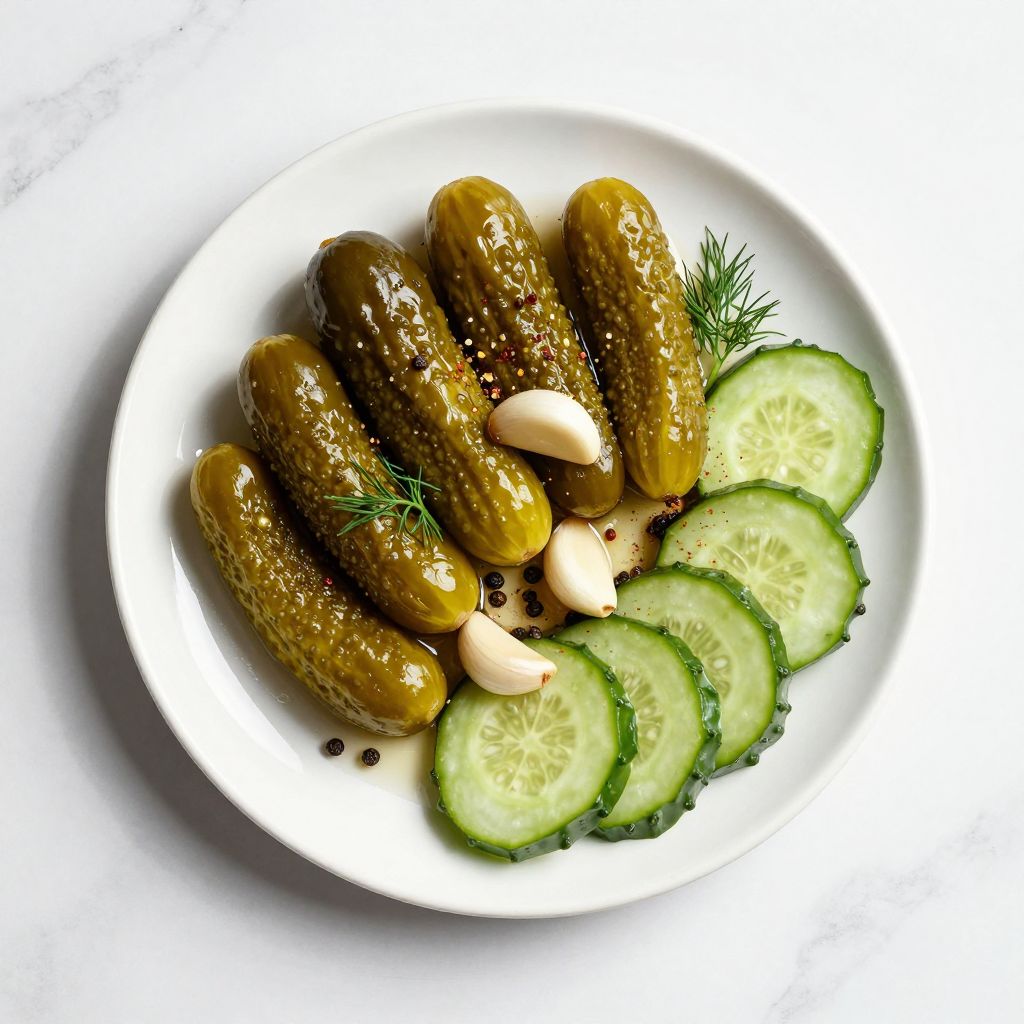
Half sour pickles occupy that sweet spot between fresh cucumbers and fully fermented dills, offering a quick fermentation that takes just a few days instead of weeks. They’re perfect for home cooks who want that authentic brined pickle taste without the long wait or complicated canning process. The result is a bright, crunchy pickle with genuine depth that beats anything sitting on a store shelf.
Why You’ll Love This Recipe
Half sour pickles deliver restaurant-quality results in under a week, and the fermentation process practically handles itself once you mix the brine.
- Ready in 3 to 5 days instead of weeks of waiting
- Crispy texture that stays firm because you skip full fermentation
- Bright, punchy flavor that tastes fresher than store-bought versions
- Uses simple ingredients you already have at home
- Cheaper than buying pickles by the jar all year long
My Experience Making This Recipe
I started making half sours after a friend brought a jar to a potluck, and I’ve been hooked ever since. The process feels almost too simple, but that’s exactly why it works so well for weeknight cooking.
The first time I made them, I was shocked how quickly the flavor developed and how the cucumbers stayed crunchy rather than turning mushy. My kids actually ask for them now instead of the plastic-packaged pickles from the store, which tells you something about how good they taste.
The best part is filling multiple jars and keeping them on hand for snacking, burger toppings, or adding to charcuterie boards. Every batch tastes slightly different depending on the cucumbers and how long you let them sit, so you get to experiment.
Recipe Overview
- Recipe Name: Half Sour Pickle Recipe
- Servings: Makes 2 quarts
- Prep Time: 15 minutes
- Cook Time: 5 minutes (for brine only)
- Total Time: 3 to 5 days (plus 15 minutes active work)
- Course: Condiment, Appetizer, Side Dish
- Cuisine: American, Jewish Deli Style
- Calories per Serving: 12 calories per pickle
Equipment You Will Need
- Two quart-sized glass jars with lids
- Large pot for boiling water
- Measuring cups and spoons
- Chef’s knife for trimming cucumbers
- Cutting board
- Wooden spoon for stirring brine
- Funnel (optional but helpful)
- Fine mesh strainer or slotted spoon
Ingredients for Half Sour Pickles
- Pickling cucumbers: 2 pounds (about 12 to 16 small to medium cucumbers)
- Water: 4 cups
- Kosher salt: 1/4 cup
- White vinegar: 1/2 cup (5 percent acidity)
- Garlic cloves: 4, peeled and smashed
- Fresh dill: 2 large sprigs (or 1 teaspoon dried dill)
- Black peppercorns: 1 teaspoon
- Red pepper flakes: 1/2 teaspoon (optional, for heat)
- Bay leaf: 1
Ingredient Notes and Substitutions
- Pickling cucumbers: These smaller varieties have thinner skins and fewer seeds, so they stay crisp during fermentation. If you can’t find them, use Kirby cucumbers, but avoid large watery salad cucumbers because they turn mushy.
- Kosher salt: The larger grains dissolve evenly and don’t contain anti-caking agents that cloud your brine. Table salt works in a pinch, but use about 2 tablespoons instead of 1/4 cup.
- White vinegar: The mild flavor won’t overpower the cucumber taste. Apple cider vinegar adds sweetness and works well if you prefer softer acidity.
- Fresh dill: This is the signature flavor of half sours, and fresh dill tastes brighter than dried. Dried dill works but use half the amount since the flavor concentrates.
- Garlic: Raw garlic adds sharp bite that softens slightly as pickles sit. Roasted garlic creates milder, sweeter notes if you want less intensity.
How to Make Half Sour Pickles
Rinse each cucumber under cold water and scrub gently with a soft brush to remove dirt and any waxy coating. Trim off the blossom end (the small stem end opposite the vine end) because it contains enzymes that cause mushiness during fermentation.
Run your glass jars and lids through a hot dishwasher cycle, or wash them by hand with hot soapy water and rinse thoroughly. This step removes bacteria that could spoil your batch and ensures your pickles stay fresh for weeks.
Pour 4 cups of water into a large pot and bring it to a boil over medium-high heat. Adding boiling water to your jars helps jump-start the fermentation and keeps the cucumbers crisp by setting their texture before the brine cools.
Stir the kosher salt and white vinegar into the boiling water until the salt fully dissolves, which takes about 1 minute of stirring. The salt and vinegar work together to create the pickling environment that stops spoilage and develops that signature bright, tangy flavor.
Divide the garlic cloves, dill sprigs, peppercorns, red pepper flakes, and bay leaf between your two sterilized jars. Layering these aromatics at the bottom ensures every pickle gets flavor from the herbs and spices as it ferments.
Stand the cucumbers upright in each jar, packing them snugly but without crushing them. Packing them tightly keeps them submerged under the brine, which prevents mold and ensures even fermentation throughout the batch.
Carefully pour the hot brine over the cucumbers until they’re completely covered, leaving about 1 inch of headspace at the top. Hot brine kills any surface bacteria and begins the pickling process immediately, so don’t let it cool before pouring.
Screw the lids on tightly and let the jars sit at room temperature, away from direct sunlight, for 3 to 5 days. You’ll notice tiny bubbles forming, which is normal and actually means fermentation is happening.
After 3 days, open a jar and taste one pickle to check if it’s reached your preferred level of sourness. Once you’re happy with the flavor, transfer the jars to the refrigerator, where the cold temperature stops fermentation and keeps the pickles crisp and flavorful for months.
Pro Tip: Don’t throw away the leftover brine after you’ve eaten the pickles; use it to pickle new batches of cucumbers or as a tangy addition to salad dressings and cocktails.
Tips for the Best Half Sour Pickles
- Choose firm, unblemished cucumbers that are 3 to 4 inches long for the crispest results. Larger cucumbers tend to have more seeds and softer flesh that breaks down faster.
- Keep your jars at room temperature during fermentation, ideally between 65 and 72 degrees Fahrenheit. Warmer temperatures speed up fermentation and can make pickles soften faster, while cooler spaces slow the process.
- Use filtered or distilled water if your tap water is heavily chlorinated, since chlorine can interfere with fermentation. Chlorine adds a chemical taste that mutes the bright pickle flavor you’re after.
- Taste your pickles starting on day 3 so you catch them at the exact sourness you prefer. Half sours develop flavor quickly, and a day or two can make a big difference in tartness.
- Store fresh herbs like dill on paper towels in a sealed bag in the refrigerator before making your pickles so they’re as fresh as possible. Fresher herbs deliver brighter flavor that makes your entire batch taste better.
- If white foam appears on top of the brine, it’s harmless yeast and means fermentation is active; simply skim it off with a spoon and continue.
Common Mistakes to Avoid
- Using large, soft, or watery cucumbers that turn mushy instead of crisp. Pickling cucumbers are bred for firm flesh, so they’re worth seeking out at farmers markets or specialty stores.
- Not removing the blossom end, which contains enzymes that break down cell walls and create soft, rubbery pickles. This single step makes the difference between crisp and disappointing pickles.
- Leaving cucumbers exposed above the brine line, which causes them to absorb air and develop mold. Keep everything submerged by packing jars tightly and filling them to the proper level.
- Using table salt instead of kosher salt, which causes cloudy brine from anti-caking additives and uneven salt distribution. The appearance doesn’t affect taste, but kosher salt gives you clearer, prettier pickles.
- Fermenting in direct sunlight, which speeds up the process unpredictably and can cause color fading and off flavors. A dark pantry or cabinet is your ideal fermentation spot.
Serving Suggestions
Half sour pickles shine as a crunchy snack straight from the jar, but they work beautifully in sandwiches, on charcuterie boards, and as a palate cleanser alongside rich foods. Serve them cold and slightly drained so they don’t make your plate soggy.
- Slice and add to burgers and sandwiches for that signature deli crunch
- Serve alongside cured meats, cheeses, and crusty bread on a charcuterie board
- Chop finely and mix into tuna or chicken salad for extra brightness
- Use as a tangy garnish for tacos, nachos, and other Tex-Mex dishes
- Pair with rich, fatty foods like fried chicken or BBQ to cut through heaviness
Variations to Try
- Spicy Half Sours: Increase red pepper flakes to 1 full teaspoon and add a sliced fresh jalapeño or habanero per jar for serious heat. The spice builds gradually as they ferment and creates an addictive kick.
- Garlic and Herb Half Sours: Add fresh tarragon, parsley, or chives along with the dill, and increase garlic to 6 cloves per jar. Fresh herbs create a more complex flavor profile that’s less traditional but equally delicious.
- Bread and Butter Style: Replace the vinegar with apple cider vinegar and add 2 tablespoons of sugar and 1 sliced onion per jar. This creates slightly sweet, tangy pickles that taste more like traditional bread and butters.
- Asian-Inspired: Add a 2-inch piece of fresh ginger, 3 whole star anise, and 1 teaspoon of white peppercorns per jar instead of regular peppercorns. These aromatics create an aromatic, slightly warm flavor that pairs beautifully with Asian cuisines.
- Dry Dill Half Sours: Use 1 teaspoon of dried dill seed (not dried dill weed) instead of fresh dill for a more authentic Jewish deli flavor. Dill seed creates a slightly different taste that’s equally classic and works great if fresh dill is unavailable.
Dietary Adaptations
- Gluten-Free: Half sours are naturally gluten-free as written, but verify that your vinegar and any spice blends don’t contain hidden gluten additives.
- Dairy-Free: This recipe is entirely dairy-free with no modifications needed since it uses only vegetables, salt, vinegar, and spices.
- Vegan and Vegetarian: Half sours are completely vegan and vegetarian as written, making them perfect for any plant-based diet.
- Low-Sodium: Reduce salt to 3 tablespoons if you’re watching sodium intake, though the pickles may not stay as crisp or store as long.
Storage and Reheating
Refrigerator
Once you move your jars to the refrigerator, half sours stay fresh and crisp for up to 3 months. The cold temperature stops fermentation and preserves the firm texture and bright flavor you’ve developed.
- Store in sealed glass jars at the back of your refrigerator where it’s coldest
- Make sure pickles stay submerged in brine at all times
- Discard any pickles that develop soft spots or off odors
Freezer
Freezing pickles changes their texture significantly, so it’s generally not recommended unless you plan to use them in cooked dishes. The ice crystals break down cell walls, creating a mushy texture when thawed.
- Freezing only works if you’ll chop and cook the pickles into relishes or sauces
- Frozen pickles become too soft for eating fresh or in sandwiches
Reheating
Half sours are always eaten cold and never heated, so there’s no reheating process. Simply remove them from the refrigerator, drain slightly, and enjoy straight from the jar.
- Serve straight from the refrigerator for the crispest texture
- Drain on a paper towel if you want less brine on your plate
Nutrition Information
| Nutrient | Amount |
|---|---|
| Calories | 12 |
| Total Fat | 0g |
| Saturated Fat | 0g |
| Carbohydrates | 2g |
| Fiber | 0g |
| Sugar | 1g |
| Protein | 1g |
| Sodium | 380mg |
| Cholesterol | 0mg |
Nutritional values are estimates based on standard ingredients and serving size of one pickle. Values vary depending on the size of your cucumbers and how much brine you include with each pickle.
Frequently Asked Questions
Can I use regular table salt instead of kosher salt?
Table salt works, but use 2 tablespoons instead of 1/4 cup since table salt is more densely packed and saltier by volume. Your brine will taste saltier, and the additives in table salt can cloud the liquid, though the pickles still taste good.
How long can I leave half sours fermenting before they become too sour?
Most people prefer them after 3 to 5 days, but you can ferment them up to 7 days if you enjoy extra tangy pickles. After 7 days, they start developing more vinegary, fermented flavors that taste less like fresh deli pickles.
Can I make half sours without refrigerating them afterward?
Half sours will continue fermenting at room temperature and gradually become more sour and potentially softer after a week or two. Refrigeration stops the fermentation process and preserves the texture and flavor you achieved, so it’s the best long-term storage method.
Why are my pickles soft instead of crisp?
Soft pickles usually result from not removing the blossom end, using older or larger cucumbers, or fermenting too long at warm temperatures. Stick to small, firm pickling cucumbers, remove the blossom end, and ferment at 65 to 72 degrees for the crispest results.
Can I reuse the brine for a second batch of pickles?
Absolutely, and many home cooks actually prefer reusing brine because the flavors are already developed and balanced. Simply make a fresh batch of cucumbers and pour the cold brine from your first batch over them, then ferment for 2 to 3 days since the brine is already active.
What’s the difference between half sours and full sours?
Half sours ferment for only a few days and taste brighter and crisper with a fresh cucumber flavor still present. Full sours ferment for 2 to 3 weeks or longer, developing deeper sourness, softer texture, and more complex fermented flavors.
Final Thoughts
Making half sour pickles at home feels fancy but requires only minutes of actual work and basic ingredients you probably already have. Once you taste your first homemade batch, store-bought pickles will never satisfy you the same way.
Start a jar this week, and in just a few days you’ll have crisp, tangy pickles that taste better than anything from a grocery store shelf. There’s genuine magic in that brief fermentation window, and your kitchen will smell incredible while they’re developing.
Explore More Flavor Adventures
Now that you’ve mastered half sour pickles, explore other brined and fermented flavors to expand your home cooking repertoire.
If you love the tangy brightness of pickles, try mixing them into cocktails with a pickle back shot recipe for a fun boozy adventure. For a refreshing non-alcoholic option, check out this pickle lemonade recipe that transforms your homemade pickles into a surprising summer drink.
Half Sour Pickle Recipe
Ingredients
Equipment
Method
- Rinse each cucumber under cold water and scrub gently to remove dirt and wax, then trim off the blossom end.
- Sterilize two quart-sized glass jars and lids by running them through a hot dishwasher cycle or washing with hot soapy water.
- Pour 4 cups of water into a large pot and bring to a boil over medium-high heat.
- Add 1/4 cup kosher salt and 1/2 cup white vinegar to the boiling water; stir until the salt dissolves, about 1 minute.
- Divide garlic, dill sprigs, peppercorns, red pepper flakes, and bay leaf between the two sterilized jars.
- Pack cucumbers upright in the jars, leaving about 1 inch of headspace.
- Carefully pour the hot brine over the cucumbers until covered, maintaining 1 inch of headspace.
- Seal the jars tightly and let them ferment at room temperature, away from direct sunlight, for 3 to 5 days.
- After 3 days, taste a pickle for preferred sourness; once ready, transfer jars to the refrigerator to stop fermentation.