
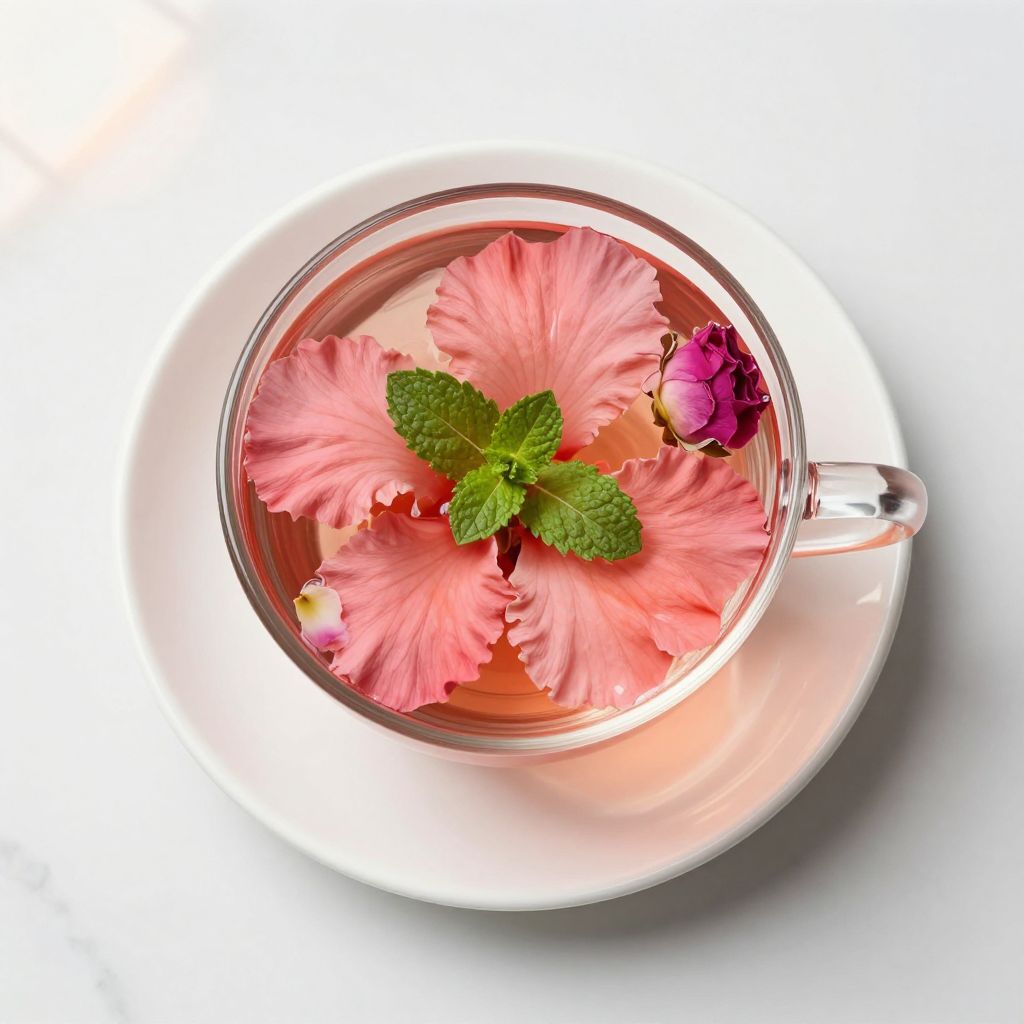
There’s something almost magical about watching hot water turn a pale, delicate pink as it mingles with dried hibiscus petals and rose buds. Pink tea isn’t just visually stunning; it’s a soothing ritual that feels like self-care in a cup.
This recipe delivers a naturally sweet, floral brew that tastes far more impressive than the five minutes it takes to brew. Whether you’re hosting friends, starting a quiet morning, or simply craving something that feels fancy without the fuss, pink tea checks every box.
The beauty of this drink lies in its simplicity and versatility. You steep dried flowers and hibiscus, sweeten to taste, and serve it hot or chilled with fresh garnishes that make it Instagram-worthy without trying.
Why You’ll Love This Recipe
Pink tea is a no-stress drink that tastes like you spent hours perfecting it when you really just boiled water and waited. The natural tartness from hibiscus plays beautifully against the floral notes, creating a complex flavor profile that keeps you reaching for another sip.
- Ready in under 10 minutes from start to finish
- Naturally caffeine-free and calorie-light, perfect for any time of day
- Looks restaurant-quality and impresses guests instantly
- Works beautifully hot or cold, day or night
- Endlessly customizable with fresh fruit, herbs, and honey drizzles
My Experience Making This Recipe
The first time I made pink tea, I was skeptical that dried flowers could taste this good. One sip of that tart, floral brew and I understood why every tea shop charges premium prices for something this simple.
I’ve made this for dinner parties, quiet Sunday mornings, and afternoon slumps when I needed something calming. Every single time, someone asks for the recipe because the color alone sparks curiosity, and the taste delivers.
The best part? Once you have dried hibiscus and rose buds stocked in your pantry, you can make this anytime inspiration strikes. I actually keep a batch brewing in my fridge during summer because the iced version is criminally refreshing.
Recipe Overview
- Recipe Name: Pink Tea
- Servings: 2 to 3 cups
- Prep Time: 5 minutes
- Cook Time: 5 minutes
- Total Time: 10 minutes
- Course: Beverage
- Cuisine: Herbal
- Calories per Serving: 15
Equipment You Will Need
- Kettle or pot for boiling water
- Teapot or heat-safe pitcher
- Fine mesh strainer or infuser basket
- Measuring spoons
- Spoon for stirring
- Serving cups or glasses
Ingredients for Pink Tea
- Dried hibiscus flowers: 2 tablespoons
- Dried rose petals: 1 tablespoon
- Dried rose buds: 1 teaspoon
- Water: 16 ounces (2 cups)
- Honey: 1 to 2 tablespoons, or to taste
- Fresh lemon juice: 1 teaspoon
- Fresh rose petals or edible flowers for garnish (optional)
- Fresh mint leaves for garnish (optional)
Ingredient Notes and Substitutions
- Dried hibiscus flowers: These provide the signature tart flavor and vibrant pink color that make this tea special. If unavailable, you can substitute with dried cranberry pieces for tartness, though you’ll lose some of the flowery complexity.
- Dried rose petals: Rose adds a delicate, romantic floral note that balances hibiscus’s tartness. Dried lavender buds work as a substitute, offering a different but equally lovely herbal profile.
- Honey: This natural sweetener dissolves smoothly into hot tea and adds body without competing flavors. Agave nectar or maple syrup work equally well if you prefer a different sweetener.
- Fresh lemon juice: A squeeze of lemon brightens the floral notes and adds brightness that ties the flavors together. Lime juice offers a different citrus angle if you want to switch things up.
How to Make Pink Tea
Step 1: Measure Your Dried Flowers
Place 2 tablespoons of dried hibiscus flowers, 1 tablespoon of dried rose petals, and 1 teaspoon of dried rose buds into your teapot or infuser. Getting the proportions right matters because too much hibiscus overpowers the roses, while too little leaves the tea pale and weak.
Step 2: Boil Fresh Water
Fill your kettle with 16 ounces of filtered water and bring it to a rolling boil. Using fresh, filtered water gives you the cleanest flavor without mineral interference that can muddy the delicate floral notes.
Step 3: Pour Hot Water Over the Flowers
Once your water reaches a boil, pour it slowly and deliberately over the dried flowers in your teapot. The water will immediately begin turning a pale pink, and the aroma that rises up is pure floral bliss.
Step 4: Steep for Five Minutes
Let the flowers steep in the hot water for exactly 5 minutes without disturbing them. This timing extracts all the color and flavor without making the tea taste bitter or overly strong.
Step 5: Strain the Tea
Pour the brewed tea through a fine mesh strainer into your serving cups or a pitcher, leaving the spent flowers behind. The liquid should be a beautiful rose or coral pink with a glossy appearance.
Step 6: Sweeten to Taste
Stir in 1 to 2 tablespoons of honey while the tea is still hot so it dissolves completely and evenly. Taste as you go because different brands of hibiscus vary in tartness, so you might need less or more sweetness.
Step 7: Add Citrus Brightness
Squeeze in 1 teaspoon of fresh lemon juice and stir well to combine. The lemon acts like a flavor amplifier, making the floral notes pop and adding a subtle brightness that prevents the tea from feeling one-dimensional.
Step 8: Garnish and Serve
Pour the finished tea into your favorite cups and top with fresh rose petals, mint leaves, or edible flowers if you have them. Serve immediately while hot, or pour into a pitcher to chill for later.
Pro Tip: Make a large batch and chill it in the refrigerator, then serve it over ice with fresh lemon slices and mint for an elegant, refreshing iced version that works beautifully at summer gatherings.
Tips for the Best Pink Tea
- Buy dried hibiscus and rose petals from specialty tea shops or online retailers rather than generic grocery stores, where quality is often questionable and freshness is hit-or-miss.
- Store your dried flowers in airtight containers away from sunlight and heat, and they’ll stay fresh and flavorful for up to a year.
- Use filtered water if your tap water is heavily chlorinated, as chlorine can mask the delicate floral flavors.
- Don’t over-steep beyond 5 minutes, or the tea will develop a slightly soapy taste from extracting too many tannins from the hibiscus.
- For a stronger floral flavor, add an extra teaspoon of dried rose buds and reduce the hibiscus slightly so the roses shine through.
- Chill the tea quickly by pouring it into a pitcher with ice if you want to serve it cold, rather than letting it cool at room temperature.
Common Mistakes to Avoid
- Using boiling water that’s cooled slightly: Pink tea needs truly hot water to extract color and flavor properly, so use water at a full boil.
- Steeping too long and creating a bitter brew: Five minutes is the sweet spot; going longer pulls out unpleasant tannins that overshadow the floral notes.
- Skipping the lemon juice: This acid is essential for brightening the flavors; without it, the tea tastes flat and one-dimensional.
- Using old dried flowers with faded color: If your hibiscus is brown instead of bright red and your roses are dull, they’ve lost potency and won’t make tea that looks or tastes impressive.
- Sweetening with granulated sugar instead of honey: Honey dissolves smoothly and adds a silky texture that granulated sugar can’t replicate.
Serving Suggestions
Pink tea shines on its own but pairs beautifully with light snacks and desserts that won’t overpower its delicate nature. Serve it hot for cozy afternoons or chilled for warm weather entertaining.
- Alongside light pastries or almond biscotti for an afternoon tea service
- With fresh fruit like strawberries, raspberries, or sliced citrus for a bright afternoon pairing
- As a palate cleanser after a light lunch before dessert
- Chilled with fresh mint and sparkling water for a sophisticated mocktail vibe
- Paired with honey cakes, shortbread, or vanilla-forward desserts that complement floral notes
Variations to Try
- Spiced Pink Tea: Add a cinnamon stick and two or three whole cloves to the steep for warmth and depth that makes the drink feel more autumnal and cozy.
- Citrus Infusion: Include dried orange peel or dried lemon peel in the steep for additional brightness and a more complex citrus note.
- Floral Upgrade: Swap half the dried rose petals for dried chamomile flowers to add a gentle, apple-like sweetness and enhance the calming qualities.
- Ginger Pink Tea: Add a teaspoon of dried ginger pieces for warmth and a subtle spice that enhances the tea’s natural tartness.
- Strawberry Version: Brew the pink tea as written, then add 3 to 4 sliced fresh strawberries to the pitcher to infuse a subtle berry sweetness into the finished drink.
Dietary Adaptations
- Gluten-Free: Pink tea is naturally gluten-free since it contains only dried flowers and water, making it safe for anyone with celiac disease or gluten sensitivity.
- Dairy-Free: This recipe is completely dairy-free with no animal products, so it works perfectly for vegans and anyone avoiding dairy.
- Vegan: Use agave nectar or maple syrup instead of honey to keep the recipe fully plant-based while maintaining smooth sweetness.
- Low-Carb/Keto: Skip honey entirely or use a sugar-free sweetener like stevia or erythritol to keep carbs minimal while maintaining the sweet taste.
Storage and Reheating
Refrigerator
Brewed pink tea keeps in the refrigerator for up to 3 days in a sealed pitcher. The color may fade slightly, but the flavor remains pleasant and refreshing.
- Cover the pitcher tightly to prevent absorption of other food odors
- Shake or stir before serving if the color has settled unevenly
- Serve over ice for the best cold experience
Freezer
You can freeze brewed pink tea for up to 2 months in freezer-safe containers, though the floral delicacy diminishes slightly with time. Thaw in the refrigerator overnight before serving.
- Leave a bit of headspace in containers for expansion during freezing
- Label with the date so you remember how long it’s been frozen
Reheating
Reheat chilled pink tea gently in a saucepan over medium heat or briefly in the microwave, stirring frequently. Avoid boiling it a second time, which damages the delicate floral notes and can make the tea taste bitter.
- Heat just until steaming, not boiling
- Add a fresh squeeze of lemon if the flavor has faded during storage
Nutrition Information
| Nutrient | Amount |
|---|---|
| Calories | 15 |
| Total Fat | 0g |
| Saturated Fat | 0g |
| Carbohydrates | 4g |
| Fiber | 0g |
| Sugar | 3g |
| Protein | 0g |
| Sodium | 2mg |
| Cholesterol | 0mg |
Nutritional values are estimates based on standard ingredients and one serving as approximately 8 ounces of prepared tea. Actual values vary depending on the specific brands and exact amounts of honey and lemon used.
Frequently Asked Questions
Can I Use Fresh Rose Petals Instead of Dried?
Fresh petals don’t steep as effectively and will make your tea cloudy and weak. Stick with dried flowers, which concentrate flavor and color beautifully.
Is Pink Tea Caffeine-Free?
Yes, this recipe contains zero caffeine since it uses only dried flowers and herbs with no actual tea leaves. You can drink it anytime without affecting sleep.
How Far in Advance Can I Prepare Pink Tea?
Brew the tea up to 3 days ahead and store it chilled in a sealed pitcher. The flavor is best within the first 24 hours, but it stays pleasant for a few days.
What If My Pink Tea Looks Too Pale?
Increase the hibiscus to 3 tablespoons and ensure your water is truly boiling when you pour it. Older dried flowers also produce paler color, so freshness matters.
Can I Make This Recipe with Hibiscus Tea Bags?
Yes, though quality is often lower than loose dried hibiscus. Use 2 to 3 hibiscus tea bags and one to two rose petal bags, and steep for 5 minutes as written.
Does Pink Tea Have Any Health Benefits?
Hibiscus contains antioxidants and may support heart health, while rose petals offer gentle calming properties. However, pink tea should be enjoyed primarily for its delicious taste rather than relied upon as medicine.
Final Thoughts
Pink tea transforms five simple ingredients into something that tastes like pure luxury and takes less time than your morning routine. Once you taste how beautifully tart hibiscus plays with delicate rose, you’ll wonder why you waited so long to make this.
Brew a pot this week and rediscover the joy of a simple, beautiful drink that asks almost nothing of you and delivers everything. Your quiet afternoons and impromptu gatherings will thank you.
If you loved this recipe, explore more refreshing beverage options on the site. Try our peach tea recipe for a fruity twist, or discover our hibiscus tea recipe cold for more floral refreshment ideas that work beautifully year-round.
Pink Tea
Ingredients
Equipment
Method
- Place 2 tablespoons dried hibiscus flowers, 1 tablespoon dried rose petals, and 1 teaspoon dried rose buds into a teapot or infuser.
- Heat 16 ounces of filtered water in a kettle or pot until it reaches a rolling boil (212°F / 100°C).
- Pour the boiling water over the dried flowers and let steep for 5 minutes without disturbing.
- Strain the tea through a fine mesh strainer or infuser basket into serving cups or a pitcher, discarding the spent flowers.
- Stir in 1 to 2 tablespoons honey while the tea is still hot, adjusting sweetness to taste.
- Add 1 teaspoon fresh lemon juice and stir to combine.
- Garnish with fresh rose petals or mint leaves and serve immediately hot, or chill for iced tea.