
Imagine opening a bottle of wine that tastes like spring itself, with delicate floral notes and a subtle sweetness that catches you off guard in the best way possible. Lilac wine is one of those homemade beverages that feels fancy but requires surprisingly straightforward techniques.
This recipe transforms fragrant lilac blossoms into a light, aromatic wine that pairs beautifully with desserts or serves as a conversation starter at dinner parties. The process takes patience rather than skill, and you’ll end up with something far more memorable than anything you could buy at a store.
Why You’ll Love This Recipe
Making lilac wine at home rewards you with a unique, personalized beverage that showcases your creativity and effort. Here’s what makes this recipe special:
- Creates a distinctly floral wine with a pale golden hue that’s visually stunning
- Uses a simple fermentation process that beginners can master with basic equipment
- Produces a gift-worthy bottle that impresses friends and family far more than store-bought options
- Captures the essence of spring in a way that no commercial wine can replicate
- Yields results that improve with age, making it worth the wait
My Experience Making This Recipe
I first made lilac wine on a whim after spotting blooming lilac bushes in my neighbor’s yard. The fragrance was so intoxicating that I knew I had to try fermenting it into something drinkable.
The first batch taught me patience, as watching the airlock bubble away over weeks felt like a slow-motion magic trick. When I finally bottled it and tasted the result months later, that delicate floral flavor transported me right back to that spring morning, and I was absolutely hooked.
My friends have since requested bottles from every batch, which tells you everything you need to know about how special this wine truly is. It’s become my signature homemade gift, and I love seeing people’s faces when they taste something so unexpected and lovely.
Recipe Overview
- Recipe Name: Lilac Wine
- Servings: Makes approximately 1 gallon (5 bottles of 750ml)
- Prep Time: 30 minutes
- Fermentation Time: 4 to 6 weeks
- Aging Time: 3 to 6 months (optional but recommended)
- Total Time: 4 to 6 months
- Course: Beverage
- Cuisine: Homemade/Artisanal
- Calories per Serving: Approximately 120 calories per 5oz glass
Equipment You Will Need
- One-gallon glass carboy or fermentation jug
- Airlock and rubber bung (to fit your carboy)
- Large stainless steel pot (at least 2 gallons capacity)
- Wooden spoon or stirring rod
- Hydrometer (for measuring sugar content and fermentation progress)
- Siphon tubing with racking cane
- Funnel (wide-mouth, preferably stainless steel)
- Glass bottles (750ml wine bottles work perfectly)
- Corks or bottle caps
- Cheesecloth or fine mesh strainer
- Kitchen scale (helpful for measuring ingredients accurately)
- Thermometer (to monitor fermentation temperature)
Ingredients for Lilac Wine
- Fresh lilac blossoms: 2 quarts, loosely packed (approximately 8 ounces by weight)
- Water: 1 gallon, preferably filtered or bottled
- Granulated sugar: 3 pounds
- Acid blend or citric acid: 1 teaspoon
- Tannin powder: 1/4 teaspoon (optional but improves structure)
- Nutrient powder (yeast nutrient): 1 teaspoon
- Pectic enzyme: 1/2 teaspoon (breaks down flower cell walls for better extraction)
- Wine yeast: 1 packet of wine yeast (Champagne or Sauvignon Blanc yeast works well)
Ingredient Notes and Substitutions
- Fresh lilac blossoms: These provide the distinctive floral flavor and aroma that define this wine. If fresh lilacs aren’t available in your area, you can substitute with other edible flowers like elderflower, but the taste will differ significantly.
- Granulated sugar: This feeds the yeast and creates the alcohol content in your wine. You can use white cane sugar or beet sugar interchangeably, though cane sugar is the standard choice for winemaking.
- Acid blend or citric acid: This balances the sweetness and prevents spoilage by creating an environment where harmful bacteria struggle to survive. Tartaric acid or a commercial acid blend can substitute, using the same quantity.
- Wine yeast: Champagne yeast ferments cleanly and produces a dry finish, while Sauvignon Blanc yeast adds subtle fruity notes. Bread yeast is not recommended, as it produces off-flavors and doesn’t ferment as thoroughly.
- Pectic enzyme: This helps extract color and flavor from the flower petals more effectively. If unavailable, you can omit it, though your wine may be slightly lighter in color and flavor.
How to Make Lilac Wine
Step 1: Select and Prepare Your Lilac Blossoms
Pick lilac blossoms on a dry day after the morning dew has evaporated but before the afternoon heat becomes intense. Choose flowers that are fully open and fragrant, avoiding any that show signs of wilting or discoloration, as these can introduce unwanted flavors or contaminants into your wine.
Step 2: Clean the Blossoms and Remove Debris
Gently rinse the lilac flowers under cool running water and allow them to dry on a clean kitchen towel for about 15 minutes. This removes any dust or insects while preserving the delicate petals and their precious aromatic oils.
Step 3: Prepare Your Fermentation Vessel
Thoroughly clean your one-gallon carboy with hot water and a bottle brush, then sanitize it using a solution made from one tablespoon of unscented bleach per gallon of water. Rinse multiple times with distilled water until no bleach smell remains, as any residual sanitizer will ruin your wine’s flavor.
Step 4: Create the Must Base
Heat one gallon of water in your large pot until it reaches about 160 degrees Fahrenheit, then remove from heat and stir in the 3 pounds of granulated sugar until completely dissolved. Add the acid blend, tannin powder, pectic enzyme, and nutrient powder to the warm sugar water, stirring well to combine all ingredients evenly.
Step 5: Add the Lilac Blossoms and Cool
Pour the lilac blossoms into your pot of sweetened water, stirring gently to submerge them fully. Allow this mixture to cool to approximately 70 to 75 degrees Fahrenheit, which typically takes 3 to 4 hours at room temperature or can be accelerated by placing the pot in a cool water bath.
Step 6: Activate and Add Your Wine Yeast
Once the lilac mixture has cooled to the correct temperature, prepare your yeast according to packet directions, which usually involves rehydrating it in warm water for 10 to 15 minutes. Pour the activated yeast into the must and stir well, ensuring even distribution throughout the liquid for consistent fermentation.
Step 7: Transfer to Your Carboy and Begin Fermentation
Carefully pour the entire mixture through a funnel into your sanitized carboy, then insert the airlock and rubber bung into the top. Place the carboy in a location where it stays between 65 and 75 degrees Fahrenheit, away from direct sunlight, as temperature stability and darkness produce the best results.
Step 8: Monitor Fermentation Progress
Watch as the airlock begins bubbling within 24 to 48 hours, indicating that yeast is actively converting sugar into alcohol. The bubbling typically continues for 4 to 6 weeks, with the rate slowing noticeably as fermentation nears completion when you’ll see fewer than one bubble per minute passing through the airlock.
Step 9: Rack Your Wine to a Clean Carboy
Once fermentation has completely stopped and the wine has cleared somewhat, siphon the wine off the sediment layer (called lees) into a clean, sanitized carboy using your racking cane and tubing. This separation from the dead yeast cells prevents off-flavors that can develop if the wine sits on lees too long.
Step 10: Bottle and Age Your Wine
Allow the racked wine to sit for at least 2 to 3 more weeks in the carboy, then siphon into clean wine bottles and cork them securely. Store the bottles on their sides in a cool, dark location where they can age for 3 to 6 months, developing more complexity and a smoother flavor profile with each passing week.
Pro Tip: Use a hydrometer to track your fermentation by measuring the specific gravity before you pitch yeast and then weekly throughout fermentation, as it tells you exactly when fermentation has finished and helps you understand your wine’s final alcohol content.
Tips for the Best Lilac Wine
- Source lilac blossoms from an area you know hasn’t been treated with pesticides, as these chemicals will transfer into your wine and can be harmful. Backyard lilacs or farmers market sources are ideal.
- Maintain consistent fermentation temperatures between 65 and 75 degrees Fahrenheit, as temperatures outside this range slow fermentation or produce undesirable flavors. A dedicated fermentation chamber or a closet away from temperature fluctuations works perfectly.
- Resist the urge to taste your wine before fermentation completes, as the partially fermented wine contains compounds that taste harsh and unpleasant. Patience here makes an enormous difference in your final product.
- Keep your equipment scrupulously clean but not necessarily sterile, as good sanitation prevents contamination without requiring hospital-grade sterilization that can damage your equipment. Hot water and a proper bottle brush accomplish this beautifully.
- Consider adding 1/2 teaspoon of potassium sorbate before bottling if you want to ensure no further fermentation occurs in the bottle, though properly fermented wine should remain stable regardless.
- Take detailed notes during fermentation, recording dates, temperatures, and observations so you can adjust your technique with each batch and understand what produces your preferred flavor profile.
Common Mistakes to Avoid
- Using heat-treated or wilted lilac blossoms strips them of their delicate aromatics, resulting in a bland wine that lacks the floral character you’re chasing. Always harvest fresh, vibrant flowers at peak bloom.
- Fermenting at temperatures above 80 degrees Fahrenheit kills yeast or causes it to produce undesirable sulfur compounds that smell like rotten eggs. Keep your fermentation area consistently cool.
- Failing to add acid blend allows the wine to taste flat and increases spoilage risk, as the acidic environment inhibits bacterial growth. Those seemingly small amounts of acid dramatically impact safety and taste.
- Bottling too early before fermentation completely finishes creates carbonation in your bottles, which can cause corks to pop or bottles to burst. Always wait until the airlock shows no activity for at least a week.
- Exposing your fermenting wine to direct sunlight causes light-struck flavors that taste unpleasant and degrades the delicate floral notes you’ve worked to preserve. Dark storage is absolutely essential.
Serving Suggestions
Lilac wine shines best when served chilled as a dessert wine alongside fresh pastries or light fruit-based desserts. Its floral character and subtle sweetness make it equally enjoyable on its own as an aperitif.
- Pair with lemon-forward desserts like lemon bars or angel food cake to complement the wine’s brightness
- Serve alongside fresh strawberries or raspberry tarts that echo the wine’s delicate fruit undertones
- Enjoy with almond-based pastries or marzipan, which harmonizes beautifully with the floral notes
- Use as an ingredient in cocktails by mixing with champagne or sparkling water for an elegant aperitif
- Serve at room temperature in a white wine glass to allow the aromatic compounds to fully express themselves
Variations to Try
- Lilac and Honey Wine: Replace 1 pound of the granulated sugar with raw honey for a rounder, more complex sweetness and a slight warming quality. This variation pairs beautifully with cheese courses.
- Lilac and Elderflower Blend: Use 1 quart lilac blossoms and 1 quart elderflower blossoms for a more complex floral profile with additional depth. The combination creates a more sophisticated wine suitable for special occasions.
- Dry Lilac Wine: Reduce the sugar to 2.5 pounds and choose Champagne yeast to create a bone-dry wine that functions more like a white wine. This version works wonderfully as an aperitif rather than a dessert wine.
- Lilac Wine with Citrus: Add the zest of 2 lemons and 2 oranges during fermentation for a brighter, more complex wine with subtle citrus notes. This creates a more refreshing option for warmer weather enjoyment.
- Lilac and Ginger Wine: Add 2 tablespoons of fresh ginger slices during fermentation for a spiced floral wine with warming qualities. This variation appeals to those who enjoy more complex, layered flavors.
Dietary Adaptations
- Dry Wine (Lower Sugar): Use 2.5 pounds of sugar instead of 3 pounds for a wine with less residual sweetness and fewer calories, though fermentation time may extend by 1 to 2 weeks.
- Gluten-Free: This recipe is naturally gluten-free as written, using only flowers, water, sugar, and yeast with no grain-based ingredients involved.
- Vegan and Vegetarian: This recipe is already vegan and vegetarian, containing no animal products, though some commercial wine yeasts may use non-vegan processing methods. Check your yeast packaging if this matters to you.
- Low-Carb Option: Substitute erythritol for granulated sugar using a 1:1 ratio, though fermentation will fail as yeast cannot convert sugar alcohols to alcohol. Instead, use a very small amount of sugar to start fermentation, then add erythritol post-fermentation for sweetness without alcohol increase.
Storage and Reheating
Refrigerator
Store unopened bottles in the refrigerator where they’ll keep for up to 2 years, developing more complex flavors over time. Once opened, consume within 1 to 2 weeks, recorking tightly between pours.
- Maintain consistent cool temperatures for best results
- Store bottles on their side to keep the cork moist
- Keep away from light exposure to prevent oxidation
Freezer
While not ideal due to cork expansion risks, you can freeze unopened bottles for up to 5 years if space permits. The freezing process doesn’t harm the wine, though thawing requires time at room temperature to prevent the cork from popping.
- Leave 1 inch of headspace in bottles before freezing to account for expansion
- Thaw bottles slowly in the refrigerator rather than at room temperature
- Check for leaks after thawing, as expansion occasionally compromises seals
Reheating
Never heat lilac wine as the delicate floral notes and volatile aromatics break down at high temperatures, leaving you with a flat-tasting beverage. Serve chilled or at room temperature only.
- Chill in the refrigerator for 2 to 3 hours before serving
- Use an ice bucket if serving at parties to maintain proper temperature
- Never microwave or heat over direct flame
Nutrition Information
| Nutrient | Amount |
|---|---|
| Calories | 120 per 5oz glass |
| Total Fat | 0g |
| Saturated Fat | 0g |
| Carbohydrates | 8g |
| Fiber | 0g |
| Sugar | 6g |
| Protein | 0g |
| Sodium | 5mg |
| Cholesterol | 0mg |
These values are approximate and based on a 5-ounce serving of finished lilac wine with residual sugar remaining after fermentation. Actual values vary depending on fermentation completion and final alcohol content achieved.
Frequently Asked Questions
Can I use dried lilac blossoms instead of fresh ones?
Dried lilacs lose much of their delicate aroma and flavor complexity, resulting in a noticeably weaker wine. Fresh blossoms at peak bloom are essential for capturing the distinctive floral character that makes this wine special.
How do I know when fermentation is completely finished?
Fermentation ends when the airlock shows no bubbling activity for at least 7 consecutive days and a hydrometer reading remains unchanged over 3 days. These indicators tell you the yeast has consumed all available fermentable sugars and is no longer producing carbon dioxide.
What if my wine tastes too dry or too sweet after bottling?
Taste your wine immediately after the initial fermentation completes but before bottling, as you can adjust sweetness at that point by adding sugar dissolved in a small amount of finished wine. Once bottled, you’ve committed to that flavor profile, so testing beforehand prevents regrets.
Can I use tap water instead of filtered water?
Tap water containing chlorine can interfere with fermentation or introduce off-flavors that mask the delicate lilac notes. Filtered, bottled, or boiled and cooled water produces noticeably better results and is worth the minimal extra effort.
How much alcohol does finished lilac wine contain?
With 3 pounds of sugar, your wine will reach approximately 11 to 12 percent alcohol by volume, depending on how completely fermentation proceeds and the efficiency of your yeast strain. A hydrometer reading taken before fermentation versus after will show you the exact percentage achieved.
Can I drink the wine before aging it for months?
Technically yes, but the young wine will taste harsh and one-dimensional compared to aged wine. After just 3 to 4 weeks, the flavor softens noticeably, and by 3 to 6 months, the wine develops the complexity and smoothness that makes it truly special.
What if I live in a warm climate where temperatures exceed 75 degrees?
Find the coolest spot in your home, such as a basement, air-conditioned closet, or even a wine cooler dedicated to fermentation. Consistent coolness matters far more than ambient season, so investing in temperature control infrastructure is worthwhile if you plan to make wine regularly.
Final Thoughts
Making lilac wine transforms a simple harbinger of spring into something tangible and memorable that lasts long after the flowers fade. The process teaches patience and rewards you with a unique beverage that no store could ever offer.
If you’ve never tried home winemaking, lilac wine provides the perfect starting point with straightforward techniques and forgiving results. Once you’ve experienced your first successful batch, you’ll understand why people become so passionate about crafting beverages in their own kitchens.
If you’re looking to expand your winemaking horizons, consider exploring our strawberry wine recipe for a fruit-based alternative that uses similar fermentation principles. For more inspiration on lilac wine recipes and variations, continue exploring your options and developing your personal style.
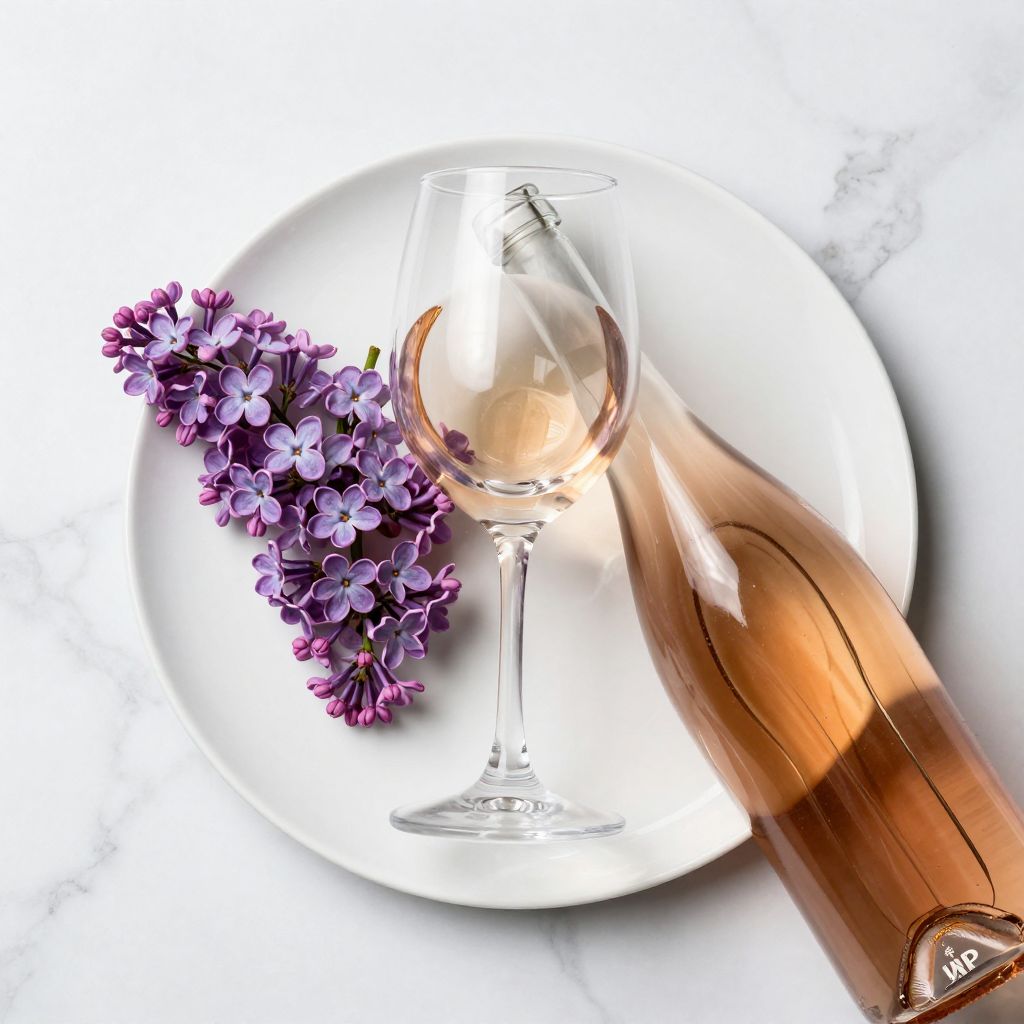
Lilac Wine
Ingredients
Equipment
Method
- Select 2 quarts of fresh lilac blossoms on a dry day, avoiding wilted flowers and dew.
- Rinse the lilac blossoms under cool running water and let them dry on a clean towel for 15 minutes.
- Clean and sanitize a one-gallon glass carboy with hot water and a bleach solution, then rinse thoroughly with distilled water.
- Heat 1 gallon of water in a large pot to 160°F, then remove from heat and stir in 3 pounds of granulated sugar until fully dissolved.
- Add 1 teaspoon acid blend, 1/4 teaspoon tannin powder, 1/2 teaspoon pectic enzyme, and 1 teaspoon yeast nutrient to the warm sugar water and stir to combine.
- Add the prepared lilac blossoms to the pot, stir gently to submerge them, and cool the mixture to 70–75°F (approximately 3–4 hours at room temperature or by using a cold water bath).
- Rehydrate 1 packet of wine yeast in warm water according to package directions for 10–15 minutes, then add the activated yeast to the cooled must and stir thoroughly.
- Transfer the mixture to the sanitized carboy using a funnel, fit it with an airlock and rubber bung, and ferment at 65–75°F away from direct light for 4 weeks.
- Once fermentation slows and the wine begins to clear, siphon (rack) the wine off the sediment (lees) into a clean, sanitized carboy using the siphon tubing.
- Allow the racked wine to settle for an additional 2–3 weeks, then bottle into 750ml wine bottles, cork securely, and age in a cool, dark place for at least 3 months.