
There’s something almost magical about the moment you crack open a bunch of fresh celery and hear that satisfying snap, knowing you’re seconds away from vibrant green juice flowing from your juicer. Green juice isn’t just a trendy wellness drink; it’s a practical way to pack vegetables into your day without feeling like you’re choking down a salad.
This recipe delivers real nutrients and a bright, slightly sweet flavor that actually tastes good straight from the glass. You’ll love how quick it is to make, how energizing it feels, and how your skin seems to glow after a few days of regular sipping. Best of all, you control every ingredient, so no mystery additives or watered-down store-bought versions.
Why You’ll Love This Recipe
This juice is simple, fast, and genuinely good for you without tasting like punishment.
- Packed with chlorophyll, vitamins, and minerals your body actually absorbs easily in liquid form
- Takes roughly five minutes from fridge to glass if you have a juicer on hand
- Naturally sweet from the apple and ginger, so you skip added sugars entirely
- Works as a morning energizer, post-workout recovery, or afternoon pick-me-up
- Tastes fresh and crisp without any bitter aftertaste when you follow the ratios correctly
My Experience Making This Recipe
I started making green juice on a whim after a friend raved about her juicer, and honestly, I was skeptical at first. The moment I tasted my first homemade batch compared to the bottled versions at the grocery store, I understood the hype immediately.
The juice came out bright green, almost glowing under my kitchen light, and the flavor was so clean and alive that I actually looked forward to making it the next morning. My energy levels genuinely improved, and I noticed I wasn’t reaching for the afternoon coffee like I used to.
The best part? My kids asked for sips instead of running away screaming, which tells you something about how good this tastes when you nail the balance of greens, fruit, and ginger.
Recipe Overview
- Recipe Name: Green Juice
- Servings: 2 servings
- Prep Time: 10 minutes
- Cook Time: 0 minutes
- Total Time: 10 minutes
- Course: Beverage
- Cuisine: Health-Focused
- Calories per Serving: 95 calories
Equipment You Will Need
- Cold-press juicer or centrifugal juicer
- Cutting board
- Chef’s knife
- Glasses for serving
- Spoon for stirring (optional, if using a centrifugal juicer that separates pulp and juice)
Ingredients for Green Juice
- 4 cups fresh spinach, packed loosely
- 3 celery stalks, cut into chunks
- 2 large kale leaves, roughly chopped
- 1 medium green apple, cored and quartered
- 1 cucumber, peeled and chopped
- 1 lemon, peeled and halved
- 1/2-inch piece fresh ginger, peeled
- Optional: 1/4 cup fresh parsley for extra chlorophyll
Ingredient Notes and Substitutions
- Spinach: Spinach provides mild flavor and high iron content without overwhelming bitterness. Substitute with arugula or additional kale if you prefer a peppery edge.
- Celery: Celery is the backbone of green juice, adding volume and a clean mineral flavor that balances greens. Swap for fennel if you want a licorice note instead.
- Kale: Kale adds serious nutritional density and body to your juice without turning it bitter at this quantity. Collards work if kale isn’t available, though they’re slightly milder.
- Green apple: The apple provides natural sweetness and prevents the juice from tasting aggressively green. Granny Smith works best; Honeycrisp apples are too sweet and mask other flavors.
- Cucumber: Cucumber dilutes the juice naturally while adding hydration and a cooling effect. Zucchini won’t juice well, so stick with cucumber.
- Lemon: Lemon brightens the flavor and prevents oxidation, keeping your juice fresher longer in the fridge. Lime delivers a sharper punch if you want more acidity.
- Ginger: Ginger adds warmth and aids digestion, plus it cuts through the vegetal notes beautifully. Use less if you’re sensitive to heat; more if you want it spicy.
How to Make Green Juice
Step 1: Prepare Your Ingredients
Wash all produce thoroughly under running water, especially the leafy greens where dirt hides in the folds. Pat everything dry with a clean kitchen towel because excess water dilutes your juice and reduces nutrient concentration.
Step 2: Remove the Apple Core
Cut your green apple into quarters lengthwise and cut out the tough core from each piece. The core won’t juice smoothly and can jam some juicers, plus it tastes bitter.
Step 3: Peel the Cucumber and Lemon
Remove the peel from the cucumber using a vegetable peeler or knife; the peel contains pesticides even on organic produce and can create a cloudy, gritty texture. Peel the lemon the same way, leaving as much white pith as you want since pith adds bitterness if you include too much.
Step 4: Peel the Ginger
Use a spoon to scrape away the thin skin from your ginger piece; a spoon is easier and wastes less than a knife or peeler. You’ll only need a half-inch piece, so don’t overdo it unless you love intense ginger kick.
Step 5: Start Juicing the Leafy Greens
Feed the spinach and kale into your juicer first, alternating with small pieces of celery to help push the greens through and extract maximum juice. Leafy greens alone can get stuck, so the celery acts as a pusher.
Step 6: Juice the Watery Vegetables
Add the cucumber and celery pieces next, juicing them steadily without forcing anything through. The juicer should pull them in smoothly; if you’re pushing hard, something’s likely jammed.
Step 7: Add the Fruit and Flavorings
Feed in your apple quarters, lemon halves, and ginger piece to finish. Save these for the end so they help push any remaining greens through and add a bright finish to your yield.
Step 8: Stir and Serve Immediately
If you’re using a centrifugal juicer, the juice and pulp separate into two containers; stir the juice well since the most nutrient-dense part settles to the bottom. Pour into glasses and drink straight away for maximum nutrients and flavor, or refrigerate for up to 48 hours in an airtight glass container.
Pro Tip: Juice your greens first, then your harder vegetables and fruits; this maximizes extraction and prevents leafy greens from getting stuck in your juicer’s mesh.
Tips for the Best Green Juice
- Use a cold-press juicer if possible; they extract more juice and preserve more nutrients than centrifugal models, though centrifugal juicers work fine if that’s what you have.
- Buy greens the day of juicing if you can; the fresher the produce, the more vibrant and nutrient-dense your final juice will be.
- If your juice tastes too grassy or bitter, you added too much kale or old spinach; dial back the greens and use younger, tenderer leaves next time.
- Drink your juice within 15 minutes of making it for maximum nutrition; nutrients start degrading as soon as the cell walls break during juicing.
- If the juice feels too thick or pulpy, you can strain it through a fine-mesh sieve or nut milk bag for a smoother texture.
- Chill your glasses in the freezer for five minutes before serving; cold juice tastes crisper and more refreshing than room temperature.
Common Mistakes to Avoid
- Using old or wilted greens creates a dull, bitter juice that tastes like lawn clippings; always start with fresh, vibrant produce that smells clean and alive.
- Forgetting to peel the cucumber and lemon leads to a cloudy, gritty juice with off flavors from pesticides and too much pith.
- Adding too much ginger makes the juice spicy and overpowering; a half-inch piece is plenty for two servings.
- Storing juice in plastic containers allows oxidation and flavor loss; glass airtight containers preserve juice quality for the full 48-hour window.
- Juicing everything at room temperature results in warmer, less refreshing juice; refrigerate all ingredients for at least an hour before juicing.
Serving Suggestions
Green juice shines on its own as a morning wake-up call, but you can also serve it alongside breakfast or as part of a quick lunch ritual. The clean flavor pairs beautifully with lighter foods and won’t clash with anything you’re eating.
- Pour a small shot of green juice before breakfast to prime your digestive system
- Sip it post-workout with a protein shake for recovery and hydration
- Mix it into smoothies for extra greens without making them taste overly earthy
- Serve it chilled in small glasses as a palate cleanser after a rich meal
- Pair it with avocado toast or egg-based breakfast for a complete morning ritual
Variations to Try
- Spicy Green Juice: Add 1/4 teaspoon cayenne pepper or one thin slice of jalapeno for a warming kick that boosts metabolism slightly.
- Tropical Green Juice: Swap the apple for half a pineapple and add one thin slice of fresh turmeric for anti-inflammatory benefits and tropical sweetness.
- Minty Fresh Juice: Add a small handful of fresh mint leaves after the greens to create a more refreshing, palate-cleansing juice.
- Beet Boost: Add one small raw beet for earthiness and a stunning deep crimson color, though this increases the sugar content slightly.
- Carrot Sweetness: Include one large carrot for added natural sweetness and beta-carotene without overwhelming the green flavor profile.
Dietary Adaptations
- Gluten-Free: This recipe is naturally gluten-free as written; no adaptations needed.
- Dairy-Free: This recipe contains no dairy; it’s perfectly suitable for dairy-free diets.
- Vegan: Green juice is completely plant-based and vegan-friendly with no animal products.
- Low-Carb/Keto: Use half an apple instead of a full one to reduce natural sugars, though juice is naturally higher in carbs than whole vegetables due to concentration.
Storage and Reheating
Refrigerator
Store fresh green juice in an airtight glass container on your coldest shelf for up to 48 hours, though flavor and nutrition peak within the first 24 hours. The juice will separate slightly; stir it before drinking.
- Use dark glass bottles to slow oxidation and nutrient loss
- Fill the container to the very top to minimize air exposure
- If brown liquid pools on top after a day, that’s oxidation; stir it back in or skim if you prefer
Freezer
You can freeze green juice in ice cube trays for up to three months, though freezing damages some enzymes and nutrients. Frozen juice works well for smoothies or cooking, but tastes noticeably different than fresh.
- Pour juice into ice cube trays and freeze solid before transferring to freezer bags
- Label with the date so you remember when you made it
- Thaw in the refrigerator overnight rather than at room temperature
Reheating
Green juice is served cold and shouldn’t be heated, as heat destroys the live enzymes and heat-sensitive vitamins you’re drinking it for. If your juice got warm, chill it back down in the freezer for 10 minutes before serving.
- Never microwave or heat juice on the stove
- Drinking cold juice helps your digestive system absorb nutrients more efficiently anyway
Nutrition Information
| Nutrient | Amount |
|---|---|
| Calories | 95 |
| Total Fat | 0.8 g |
| Saturated Fat | 0.1 g |
| Carbohydrates | 21 g |
| Fiber | 0 g |
| Sugar | 14 g |
| Protein | 2.5 g |
| Sodium | 95 mg |
| Cholesterol | 0 mg |
These values are estimates based on USDA nutrition databases for raw ingredients and may vary depending on exact produce weights and your specific juicer’s extraction efficiency.
Frequently Asked Questions
Can I use a blender instead of a juicer?
A blender pulverizes vegetables but leaves all the fiber intact, so you’ll get a smoothie rather than juice. If that’s all you have, blend everything and strain through cheesecloth or a nut milk bag, though you’ll lose some nutrients in the straining process.
How much juice does this recipe yield?
Most home juicers extract about 12 to 16 ounces of juice from this ingredient list, depending on how fresh your produce is and your juicer’s efficiency. Fresher, crispier vegetables yield more juice.
Can I make green juice ahead of time?
You can juice in the morning and drink later that day, or juice at night and drink the next morning, but the longer it sits, the more nutrients oxidize away. Ideally, drink within two hours of juicing for maximum benefit.
Why does my juice taste bitter?
Old kale, too much ginger, or excessive lemon pith creates bitterness; use younger greens, cut your ginger in half, and peel the lemon more carefully. Also, if your juicer is heating up the produce (centrifugal juicers run hot), that triggers bitter flavors too.
Is store-bought green juice less nutritious than homemade?
Commercial green juices are often pasteurized, which kills enzymes and some heat-sensitive vitamins; they also sit in bottles for weeks before you buy them. Homemade juice drunk fresh has dramatically more live enzymes and bioavailable nutrients.
Can I add protein powder to my green juice?
Yes, protein powder mixes well with green juice and turns it into a complete meal replacement; vanilla or unflavored varieties work best without clashing with the vegetable flavors.
Final Thoughts
Making green juice at home transforms the way you think about vegetables and hydration. Once you taste the difference between fresh homemade juice and anything bottled, you’ll understand why this simple recipe has such devoted fans.
Start with this basic recipe, then play with the variations and adjustments until you find your perfect flavor balance. Your body will thank you, and you’ll genuinely look forward to juicing every morning.
If you’re exploring other nutrient-dense juice options, check out this beet juice recipe for blood pressure support, or try this carrot juice recipe with your juicer for a sweeter alternative.
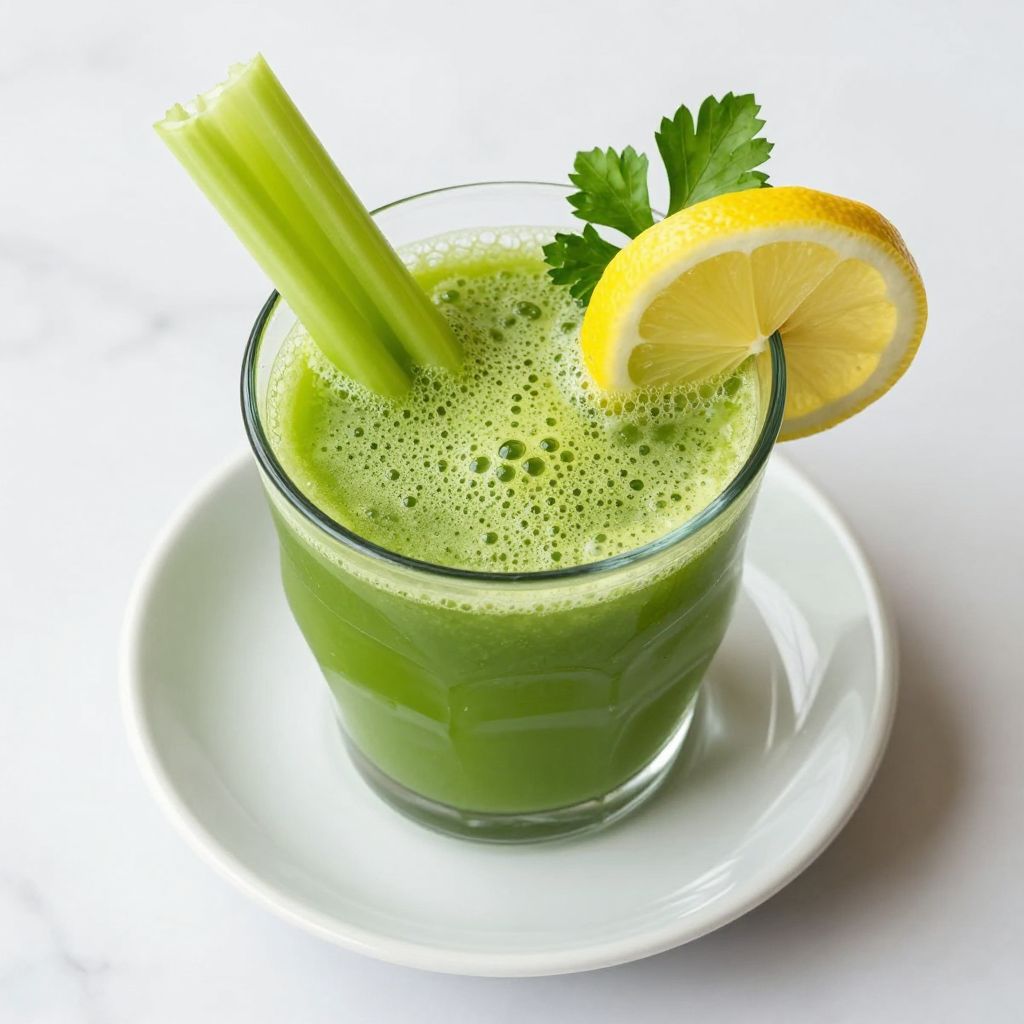
Green Juice
Ingredients
Equipment
Method
- Wash all produce thoroughly under running water and pat dry to remove excess moisture.
- Cut the green apple into quarters lengthwise and remove the core to prevent bitterness and juicer jams.
- Peel the cucumber and lemon, removing the skin to reduce pesticides and minimize grit.
- Use a spoon to scrape off the skin from the 1/2-inch piece of fresh ginger.
- Feed the spinach and kale into the juicer first, alternating with celery chunks to help push the greens through.
- Add the cucumber and remaining celery pieces to the juicer and process until smooth.
- Juice the apple quarters, lemon halves, and ginger to finish, helping to push any remaining greens through.
- Stir the juice well if using a centrifugal juicer to recombine settled bits, pour into glasses, and serve immediately or refrigerate in an airtight container for up to 48 hours.