
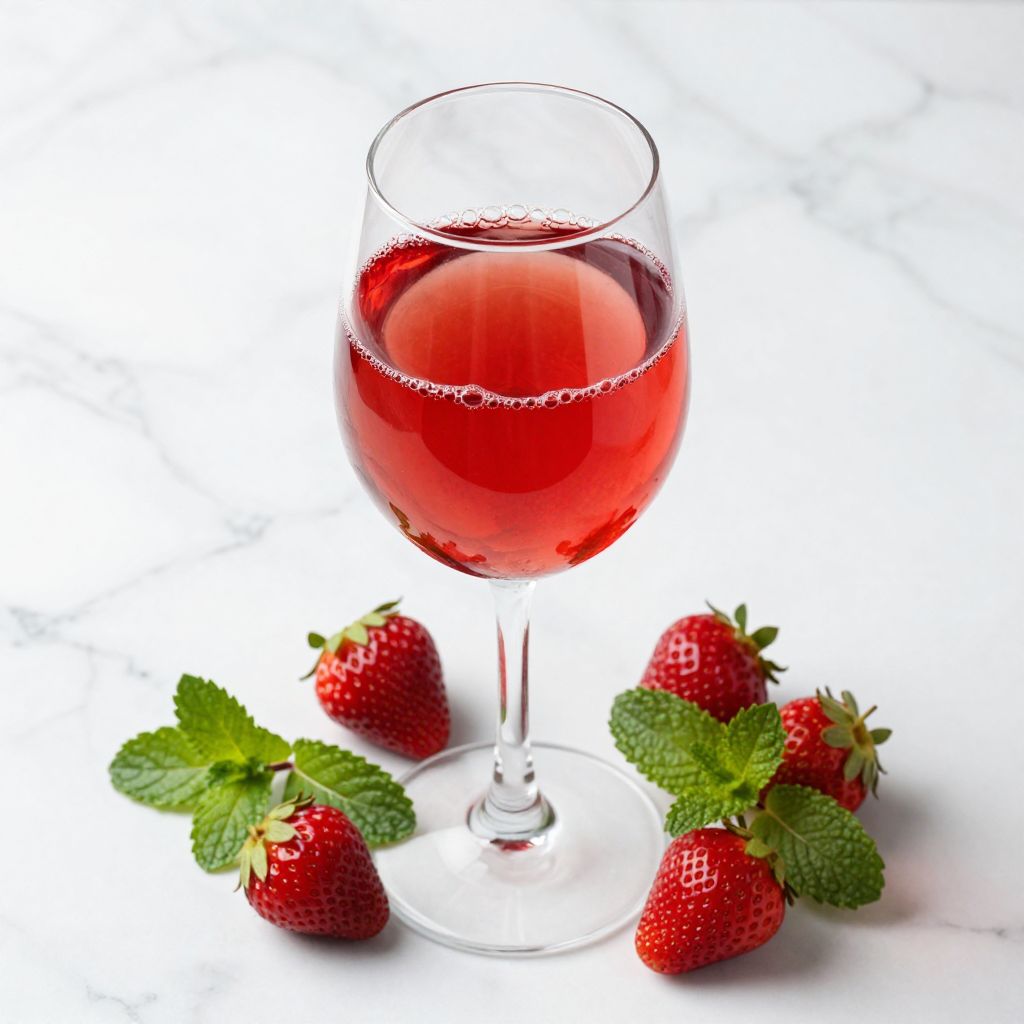
Picture yourself on a lazy summer afternoon, swirling a glass of ruby-red wine you made yourself from sun-warmed strawberries picked at their peak ripeness. Homemade strawberry wine is a rewarding project that transforms simple fruit into something elegant and deeply satisfying.
This recipe appeals to home fermentation enthusiasts and curious cooks who want to explore winemaking without intimidation. The process takes patience but requires minimal special equipment and yields a beautifully balanced wine with natural strawberry flavor that tastes nothing like cheap commercial versions.
Why You’ll Love This Recipe
Making strawberry wine at home connects you to centuries of traditional fermentation while producing a unique product tailored to your taste. You control the sweetness, strength, and character of every bottle.
- Creates a sophisticated, fruity wine with delicate strawberry notes and natural complexity
- Uses simple ingredients you can source affordably, especially during strawberry season
- Requires minimal equipment and fits into a kitchen corner without fuss
- Makes an impressive homemade gift that costs far less than boutique bottles
- Teaches you fermentation fundamentals applicable to other wines and preserved foods
My Experience Making This Recipe
I first made strawberry wine on a whim after picking too many berries at a local farm. The idea of capturing that summer flavor seemed romantic but potentially disastrous.
Three months later, I uncorked the first bottle and was genuinely shocked by the quality. The wine had transformed from sweet juice into something with real depth and subtle complexity that my friends mistook for a commercial purchase.
The best part? Watching people’s reactions when I mentioned I made it myself. Now I batch a gallon every June and gift bottles throughout the year.
Recipe Overview
- Recipe Name: Homemade Strawberry Wine
- Servings: Approximately 5 bottles (750ml each)
- Prep Time: 30 minutes
- Fermentation Time: 3 to 4 months
- Total Time: 3 to 4 months plus aging
- Course: Beverage
- Cuisine: Winemaking
- Calories per Serving: 120 calories per 5oz glass (varies by residual sugar)
Equipment You Will Need
- Large glass carboy (1-gallon or 5-liter capacity)
- Airlock and rubber stopper to fit carboy
- Large stainless steel pot or food-grade plastic bucket for initial fermentation
- Sanitizing solution (bleach or commercial winemaking sanitizer)
- Hydrometer to measure sugar content and fermentation progress
- Long spoon or paddle for stirring
- Cheesecloth or fine mesh strainer
- Siphon tube and racking cane for transferring wine
- Wine bottles and corks or screw caps
- Bottle filler tool (optional but helpful)
- Kitchen scale for accurate measurements
Ingredients for Strawberry Wine
- Fresh strawberries: 5 pounds, hulled and roughly chopped
- Granulated sugar: 2 pounds
- Water: 1 gallon (filtered or boiled and cooled)
- Wine yeast: 1 packet (Lalvin EC-1118 or similar wine-specific strain)
- Yeast nutrient: 1 teaspoon
- Acid blend: 1 teaspoon (citric acid, malic acid, and tartaric acid mixture)
- Tannin powder: 1/4 teaspoon (optional, adds structure)
- Potassium sorbate: 1/2 teaspoon (optional, stops fermentation when desired)
Ingredient Notes and Substitutions
- Fresh strawberries: These provide the fruit body, flavor, and natural pectin. Frozen strawberries work if thawed and drained, though fresh berries yield slightly clearer wine with brighter flavor.
- Granulated sugar: Provides fermentable sugars that yeast converts to alcohol. You can substitute honey pound-for-pound, though it adds subtle floral notes that change the final profile.
- Wine yeast: Wine-specific strains ferment more completely and cleanly than bread yeast, which produces off-flavors. Bread yeast will work but creates a rougher, less refined taste.
- Yeast nutrient: Provides nitrogen and minerals yeast needs for healthy fermentation. Omitting it slows fermentation and risks stuck fermentation partway through.
- Acid blend: Balances pH and prevents spoilage organisms while brightening flavor. Without it, wine tastes flat and has higher spoilage risk.
- Tannin powder: Adds subtle bitterness and mouthfeel that prevents the wine from tasting thin. Skip it for a lighter, fresher style, though the wine will be less complex.
How to Make Strawberry Wine
Step 1: Sanitize All Equipment
Cleanliness is non-negotiable in winemaking because any stray bacteria or wild yeast will spoil your batch. Soak your carboy, stirring spoon, strainer, and any other equipment in sanitizing solution for at least 20 minutes, then rinse thoroughly with clean water.
Step 2: Prepare the Strawberries
Hull your strawberries by removing the green leafy tops and roughly chop them into quarters. Do not blend or puree them, as you want whole pieces that ferment evenly and settle cleanly.
Step 3: Combine Water, Sugar, and Strawberries
Pour your gallon of filtered or boiled and cooled water into a large sanitized pot or food-grade bucket. Stir in the 2 pounds of sugar until fully dissolved, then add your chopped strawberries and stir well.
Step 4: Check Your Starting Sugar Content
Use your hydrometer to measure the specific gravity (sugar content) of your mixture. A reading between 1.090 and 1.110 is ideal for strawberry wine, aiming for around 12% alcohol content.
Step 5: Add Yeast Nutrients and Acid
Sprinkle the yeast nutrient, acid blend, and tannin powder (if using) directly into your strawberry mixture. Stir thoroughly for 2 to 3 minutes to distribute everything evenly.
Step 6: Pitch the Yeast
Sprinkle your wine yeast over the surface of the mixture and let it sit for 5 minutes to rehydrate. Then stir vigorously for 1 minute to incorporate the yeast and oxygenate the liquid, which helps fermentation kick off fast and strong.
Step 7: Primary Fermentation
Cover your bucket loosely with a clean cloth or lid with a small hole for gas escape and let it ferment at room temperature (ideally 65 to 75 degrees Fahrenheit) for 5 to 7 days. You’ll see vigorous bubbling and smell yeasty, fruity aromas as fermentation progresses.
Stir the mixture daily with a clean spoon, pushing the floating strawberry solids down into the liquid. This keeps them from molding and ensures even fermentation.
Step 8: Rack Into the Carboy
After 5 to 7 days, strain the liquid through cheesecloth into a sanitized carboy, pressing gently on the solids to extract all juice. Discard the spent strawberry pulp.
Use a siphon and racking cane to transfer the wine, being careful not to disturb any sediment that has settled on the bottom. Leave a bit of liquid behind rather than stirring up the sediment.
Step 9: Attach the Airlock and Secondary Fermentation
Insert a sanitized rubber stopper with airlock into your carboy. This allows carbon dioxide to escape while preventing oxygen and contaminants from entering.
Place the carboy in a cool, dark spot away from direct sunlight at temperatures between 60 and 75 degrees Fahrenheit. Fermentation will continue slowly over 2 to 3 months.
Step 10: Rack Off Sediment
After 4 weeks, check your wine and siphon it off the sediment that has accumulated on the bottom into a clean carboy. Replace the airlock and continue fermenting.
Repeat this racking process again after another 4 weeks. You should notice the wine becoming progressively clearer.
Step 11: Check Fermentation Completion
After 3 to 4 months total, take a hydrometer reading to confirm fermentation has stopped. The gravity reading should hold steady for several days at around 1.000 or lower, indicating all fermentable sugar has converted to alcohol.
Step 12: Bottle Your Wine
Siphon your finished wine into clean, sanitized wine bottles, filling them to about half an inch below the rim. Cork or cap immediately to prevent oxidation.
Store bottles upright in a cool, dark place for at least 2 months before opening, allowing flavors to settle and mellow. Many strawberry wines improve for a full year after bottling.
Pro Tip: Keep detailed notes on your fermentation dates, gravity readings, and temperature fluctuations; this turns your experience into a template for future batches and helps you troubleshoot any issues.
Tips for the Best Strawberry Wine
- Use the freshest, ripest strawberries you can find during peak season for maximum flavor and natural sugars. Underripe berries produce thin, sour wine while overripe berries ferment too quickly and risk spoilage.
- Maintain consistent temperatures between 65 and 75 degrees Fahrenheit throughout fermentation; temperature swings slow yeast activity and stress the culture, leading to stuck fermentation or off-flavors.
- Invest in a reliable hydrometer and learn to read it accurately, as it tells you exactly when fermentation is truly complete rather than guessing based on visual cues.
- Never use metal equipment except stainless steel, as other metals react with wine acids and create unpleasant flavors and discoloration.
- Rack your wine multiple times to separate it from sediment and dead yeast cells, which improve clarity and prevent off-flavors from developing.
- Taste your wine at different stages to understand how it evolves; you’ll learn when to bottle and what adjustments to make next time.
Common Mistakes to Avoid
- Over-sanitizing with bleach without rinsing thoroughly leaves residual chemical taste in finished wine. Always rinse equipment five or six times with clean water after sanitizing solution.
- Using too little yeast nutrient starves the yeast of nitrogen, causing sluggish fermentation that creates sulfurous off-flavors and risks spoilage from wild organisms.
- Bottling before fermentation is truly complete creates bottle bombs as remaining yeast consumes trapped sugar and builds dangerous pressure. Always verify with a hydrometer that gravity has stabilized.
- Storing bottles upright rather than on their side keeps the cork dry, allowing it to shrink and let air in, causing oxidation and brownish discoloration.
- Failing to maintain consistent temperature causes yeast to go dormant mid-fermentation, leaving residual sugar and creating a stuck ferment that’s difficult to restart.
Serving Suggestions
Strawberry wine shines when served slightly chilled at 50 to 55 degrees Fahrenheit in regular white wine glasses. Its delicate fruit character and moderate alcohol content make it an excellent aperitif or light dinner wine.
- Pair with fresh goat cheese, brie, or aged cheddar alongside fresh berries for a sophisticated cheese board
- Serve with roasted chicken or herb-rubbed pork tenderloin to complement the wine’s fruity acidity
- Enjoy with light salads featuring berry vinaigrettes, fresh greens, and candied nuts
- Use as a dessert wine with angel food cake, panna cotta, or strawberry shortcake for matching fruit notes
- Serve at brunch with charcuterie, smoked salmon, and fresh pastries
Variations to Try
- Strawberry-Rhubarb Wine: Replace 1.5 pounds of strawberries with 1.5 pounds of fresh rhubarb for a tarter, more complex profile with floral strawberry undertones and bright acidity.
- Strawberry-Lavender Wine: Add 1 teaspoon of dried culinary lavender buds to the primary fermentation for subtle floral notes that elevate the strawberry character without overwhelming it.
- Sweeter Strawberry Wine: Add 1/4 teaspoon of potassium sorbate when fermentation finishes to halt yeast activity, then stir in 1/4 cup of dissolved sugar for a dessert-style wine with residual sweetness.
- Strawberry-Hibiscus Wine: Steep 0.5 ounces of dried hibiscus flowers in your water before adding strawberries for deeper color, tart berry notes, and a more elegant appearance.
- Low-Sugar Strawberry Wine: Reduce sugar to 1.5 pounds for a drier wine with higher acidity that shows strawberry flavor more clearly and pairs better with savory foods.
Dietary Adaptations
- Gluten-Free: Wine is naturally gluten-free, though some additives may contain gluten; use certified gluten-free yeast and nutrient products if this is a concern, with no change to the base recipe.
- Dairy-Free: Strawberry wine is inherently dairy-free with no modifications needed.
- Vegan: Most wine yeast and nutrients are vegan, but confirm your products contain no animal-derived isinglass or gelatin; use vegan-certified brands if strict vegan protocols matter to you.
- Low-Carb/Keto: Wine contains residual carbohydrates from incomplete fermentation; a dry strawberry wine finished with no added sugar contains roughly 3 grams of carbohydrates per 5-ounce glass, fitting most keto guidelines.
Storage and Reheating
Refrigerator
Opened bottles keep for 2 to 3 weeks in the refrigerator, slowing oxidation. The cold slows chemical reactions that would otherwise degrade the wine.
- Store bottles upright with corks replaced or screw caps tightened
- Keep away from strong-smelling foods as wine absorbs odors through cork
- Check occasionally for cork leakage or mold growth
Freezer
Unopened bottles can age for years in a cool, dark closet or dedicated wine fridge at 45 to 65 degrees Fahrenheit. Wine actually improves gradually during storage as tannins soften and flavors integrate.
- Store bottles on their side to keep corks moist and prevent air infiltration
- Maintain consistent temperatures, avoiding temperature swings that expand and contract wine
- Keep bottles away from light, heat sources, and vibration
- Most strawberry wines peak between 1 and 3 years after bottling
Reheating
Strawberry wine is served chilled, not reheated, but you can warm it gently for cooking applications. Never let it boil, as this evaporates alcohol and leaves bitter, concentrated flavors.
- Heat gently in a saucepan over medium-low heat just until steaming
- Use warm strawberry wine in pan sauces for poultry or dessert preparations
- Remove from heat once warm to preserve delicate fruit flavors
Nutrition Information
| Nutrient | Amount |
|---|---|
| Calories | 120 |
| Total Fat | 0g |
| Saturated Fat | 0g |
| Carbohydrates | 5g |
| Fiber | 0g |
| Sugar | 3g |
| Protein | 0g |
| Sodium | 15mg |
| Cholesterol | 0mg |
Nutrition values assume a standard 5-ounce serving of dry strawberry wine with fermentation to completion and no added residual sugar. Sweeter versions or those with added sugar will be higher in carbohydrates and calories.
Frequently Asked Questions
Can I use frozen strawberries instead of fresh ones?
Frozen strawberries work adequately if thawed and drained thoroughly, though fresh berries produce slightly clearer wine with more vibrant flavor. Freezing breaks down cell walls, making extraction easier but sometimes resulting in cloudier wine initially.
What if my fermentation seems stuck partway through?
Check your temperature first; yeast goes dormant below 60 degrees Fahrenheit. Warm the carboy gently to 70 degrees, then add another small pinch of yeast nutrient and gently stir the wine to rouse the culture.
How long does strawberry wine actually keep in storage?
Properly bottled and stored strawberry wine keeps for 2 to 5 years, though it peaks between 1 and 3 years after bottling. Most home wine
Homemade Strawberry Wine
Ingredients
Equipment
Method
- Soak your carboy, stirring spoon, strainer, and all equipment in sanitizing solution for at least 20 minutes, then rinse thoroughly with clean water.
- Hull the strawberries by removing the green leafy tops and roughly chop them into quarters.
- Pour 1 gallon of filtered or boiled and cooled water into a large sanitized pot or food-grade bucket. Stir in 2 pounds of sugar until fully dissolved, then add chopped strawberries and stir well.
- Use a hydrometer to measure the specific gravity of the mixture, aiming for a reading between 1.090 and 1.110.
- Sprinkle the yeast nutrient, acid blend, and tannin powder (if using) into the strawberry mixture. Stir thoroughly for 2 to 3 minutes.
- Sprinkle wine yeast over the surface and let sit for 5 minutes to rehydrate. Stir vigorously for 1 minute to incorporate and oxygenate.
- Cover the bucket loosely with a clean cloth and let ferment at room temperature (65 to 75 degrees Fahrenheit) for 5 to 7 days. Stir daily, pushing floating strawberries down into the liquid.
- After 5 to 7 days, strain the liquid through cheesecloth into a sanitized carboy, pressing gently on solids. Discard the spent strawberry pulp.
- Insert a sanitized rubber stopper with airlock into the carboy. Place in a cool, dark spot at 60 to 75 degrees Fahrenheit for 2 to 3 months.
- After 4 weeks, siphon the wine off the sediment into a clean carboy. Replace the airlock and continue fermenting.
- Repeat racking after another 4 weeks.
- After 3 to 4 months total, take a hydrometer reading to confirm fermentation has stopped (gravity reading around 1.000 or lower, holding steady for several days).
- Siphon finished wine into clean, sanitized wine bottles, filling to about half an inch below the rim. Cork or cap immediately.
- Store bottles upright in a cool, dark place for at least 2 months before opening. Wine improves for up to 1 year after bottling.