
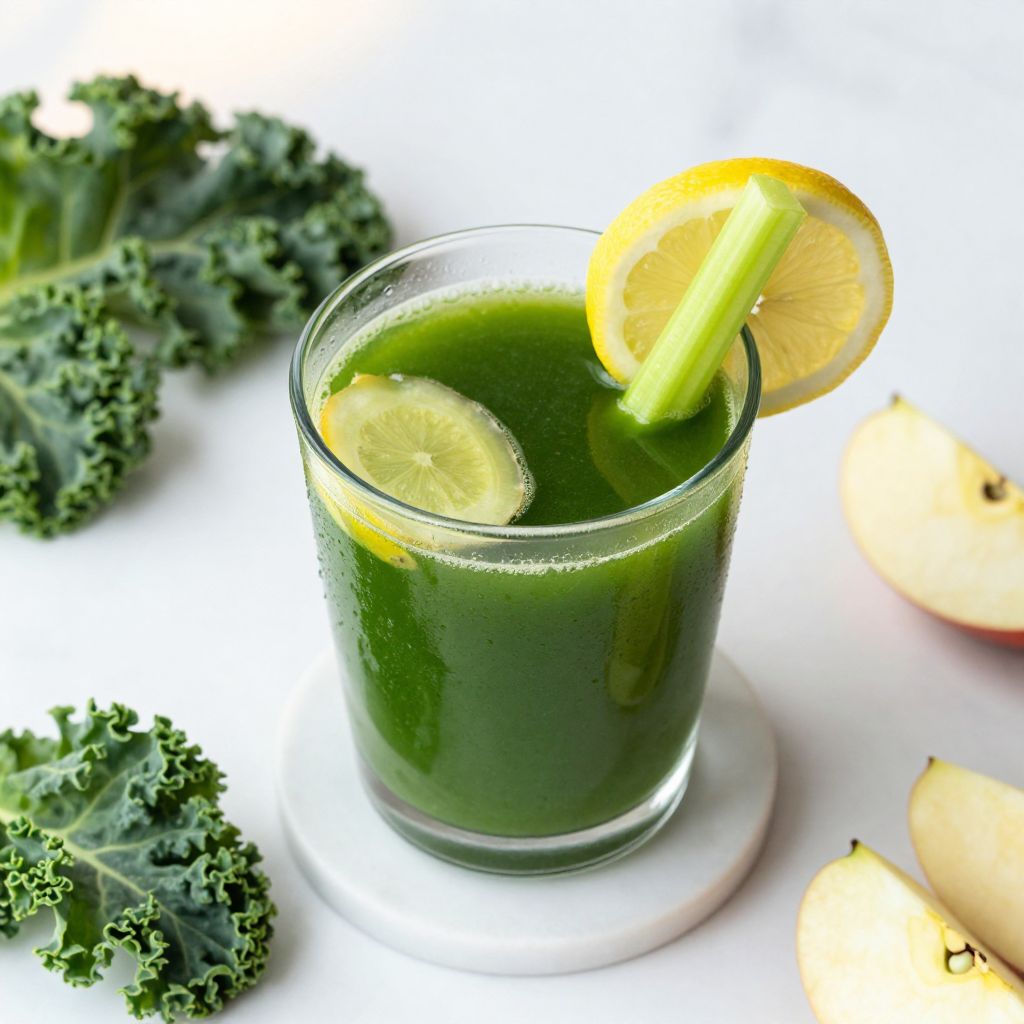
There’s something almost magical about watching vibrant green kale transform into a glass of liquid nutrition right before your eyes. Kale juice is one of those recipes that sounds intimidating until you actually make it, and then you wonder why you didn’t start sooner.
This recipe delivers serious health benefits without tasting like you’re drinking a lawn, thanks to the perfect balance of sweet fruit and crisp greens. Fresh kale juice comes together in minutes with just a quality juicer and a handful of simple ingredients, making it ideal for anyone looking to boost their daily vegetable intake without fuss.
Why You’ll Love This Recipe
This juice packs real nutritional punch and tastes genuinely good, which is rare for green drinks. You control every ingredient, so no mystery additives or added sugars sneaking in from store-bought versions.
- Bursting with vitamins, minerals, and antioxidants from fresh kale
- Takes under 10 minutes from fridge to glass
- Naturally sweet and refreshing without added sugar
- Works perfectly as a morning energizer or post-workout drink
- Highly customizable based on what fruit and vegetables you have on hand
My Experience Making This Recipe
I first made fresh kale juice as a skeptic, honestly expecting something I’d choke down out of obligation. The moment I tasted that first sip, everything changed, and I realized the apple and ginger do serious heavy lifting to make the kale shine without overshadowing it.
My family went from avoiding anything green to asking me to make extra batches for them. The texture feels silky, not gritty or thick like some green drinks, and the flavor actually makes you want another sip instead of rushing through it.
What surprised me most was how energized I felt within an hour of drinking it, and that became my favorite part of the routine. Fresh juice hits different than blended smoothies because your body absorbs the nutrients faster without processing all that fiber at once.
Recipe Overview
- Recipe Name: Fresh Kale Juice
- Servings: 2 (about 16 ounces total)
- Prep Time: 5 minutes
- Cook Time: 5 minutes
- Total Time: 10 minutes
- Course: Beverage
- Cuisine: American Health Food
- Calories per Serving: 95
Equipment You Will Need
- Cold-press juicer or centrifugal juicer
- Cutting board
- Sharp knife
- Large glass
- Vegetable brush (for cleaning produce)
- Fine mesh strainer (optional, for extra pulp removal)
- Measuring cups and spoons
Ingredients for Fresh Kale Juice
- Fresh kale, 3 to 4 cups loosely packed (about 4 to 5 ounces), stems removed
- Granny Smith apple, 2 medium, cored and cut into chunks
- Lemon, 1 medium, peeled
- Fresh ginger, 1 tablespoon, peeled and sliced
- Celery, 2 stalks, cut into chunks
- Filtered water, 2 tablespoons (optional, for thinning)
Ingredient Notes and Substitutions
- Kale: Curly kale works best for juicing because it releases more liquid than lacinato, though both are perfectly fine. If you can’t find kale, spinach makes a milder substitute, though you’ll lose some of the nutritional density.
- Granny Smith apple: These apples are tart and less sweet than other varieties, which balances the earthiness of kale beautifully. Honeycrisp or Fuji apples work in a pinch, but expect a sweeter final juice.
- Lemon: Fresh lemon adds brightness and helps prevent oxidation so your juice stays fresher longer. Lime offers a similar benefit with a different flavor profile if you prefer it.
- Fresh ginger: Ginger brings warmth and aids digestion naturally, which many people appreciate first thing in the morning. If you dislike ginger’s spice, reduce it to half a tablespoon or leave it out entirely.
- Celery: This ingredient adds minerals and creates a smoother juice texture without changing the flavor much. Cucumber substitutes well if you prefer something less fibrous.
How to Make Fresh Kale Juice
Step 1: Wash and Prepare Your Produce
Start by running all your vegetables and fruit under cool water and scrub them gently with a vegetable brush to remove any dirt or residue. Washing your produce matters because you’re drinking it raw, so any bacteria or pesticides need to come off before juicing.
Step 2: Remove Kale Stems
Hold each kale leaf by the stem and run your fingers down the center to strip the leafy part away from the woody stem. Stems are bitter and fibrous, and they’ll clog your juicer if you leave them in, so this quick step saves frustration later.
Step 3: Cut Apples into Chunks
Slice your apples in half, scoop out the seeds with a small spoon, then cut each half into quarters. Smaller pieces feed into the juicer more smoothly and extract more juice, so don’t skip the cutting step even though it feels like extra work.
Step 4: Peel Your Lemon
Use a vegetable peeler or knife to remove the yellow skin from your lemon, leaving as much of the bitter white pith behind as possible. You want the juice and flesh of the lemon, not the peel, so this step prevents your juice from tasting harsh or overly sour.
Step 5: Prepare Ginger and Celery
Peel about one tablespoon of fresh ginger with a spoon (a spoon works better than a knife for peeling ginger) and slice it into thin coins. Cut your celery stalks into two-inch pieces so they don’t get caught in the juicer’s feed tube.
Step 6: Start Juicing Your Greens
Turn on your juicer and feed the kale leaves through first, using the plunger gently to push them down without forcing. Kale is soft and releases liquid easily, so aggressive pushing actually reduces yield and can damage your juicer.
Step 7: Alternate Fruit and Vegetables
Follow the kale with apple chunks, then celery, then ginger, then lemon, alternating between soft and hard produce for maximum extraction. This layering technique helps push the softer ingredients through the juicer more efficiently, and you’ll get noticeably more juice this way.
Step 8: Collect and Taste Your Juice
Let all the juice flow into a large glass and taste it before serving. If the flavor feels too concentrated or bitter, add one to two tablespoons of filtered water to dilute it to your preference.
Pro Tip: Drink your fresh kale juice immediately after making it, or store it in an airtight glass container in the refrigerator for up to 24 hours to preserve nutrients and prevent oxidation.
Tips for the Best Fresh Kale Juice
- Use the coldest produce you can find, or chill your ingredients in the fridge for 30 minutes before juicing, because cold juice tastes crisper and more refreshing.
- Buy organic kale and apples if possible, since you’re consuming them raw and unfiltered, which means any pesticides go straight into your glass.
- Don’t juice the kale too far in advance of drinking it, as oxidation starts immediately and degrades nutrients within a few hours.
- Clean your juicer right after use instead of letting pulp dry inside, or you’ll spend way more time scrubbing later and risk damaging the machine.
- Invest in a cold-press juicer over a centrifugal model if you make juice regularly, because cold-press machines extract more juice and preserve more nutrients.
- Make juice in small batches rather than trying to juice a week’s worth at once, because fresh juice loses nutritional value quickly no matter how you store it.
Common Mistakes to Avoid
- Leaving the kale stems in: Stems are woody and bitter, and they’ll either clog your juicer or make your juice taste harsh and unpleasant.
- Using overripe or soft apples: Soft apples have less juice content and won’t extract well, leaving you with thinner juice and wasted fruit.
- Juicing without washing your produce: Raw juice puts you in direct contact with any bacteria or pesticides on the skin, so this step isn’t optional.
- Forcing produce through the juicer too aggressively: Jamming the plunger down hard damages the juicer and actually reduces juice extraction, so let gravity and the machine do the work.
- Storing juice too long before drinking it: Fresh juice oxidizes rapidly, and storing it even overnight in the fridge causes significant nutrient loss and flavor changes.
Serving Suggestions
Drink your fresh kale juice on its own as a morning energizer, or get creative and pair it with other elements for a complete ritual. Here are some fantastic ways to make it part of your routine.
- Serve it alongside a protein-rich breakfast like eggs or Greek yogurt to slow nutrient absorption and keep you full longer
- Pour it over ice and add a splash of sparkling water to create a refreshing mocktail-style beverage
- Enjoy it as a post-workout drink within 30 minutes of exercise to support recovery and hydration
- Make it part of a juice cleanse by having one glass in the morning and one in the afternoon for three to five days
Variations to Try
- Tropical Kale Juice: Swap the apple for fresh pineapple chunks and add a banana for creaminess, which brings sweetness and tropical brightness that feels almost dessert-like.
- Spicy Kick Version: Add one small jalapeño or a pinch of cayenne pepper to the recipe for a warming spice that boosts metabolism and pairs beautifully with ginger.
- Detox Green Juice: Include one cup of cucumber and skip the apple entirely, adding two tablespoons of fresh mint instead for a lighter, more herbaceous juice.
- Beet and Kale Blend: Include one medium beet cut into chunks for earthy sweetness and stunning deep color, though this does increase the sugar content slightly.
- Wheatgrass Power Juice: Add one ounce of fresh wheatgrass juice to your kale base for extra chlorophyll and a more intense health-focused profile.
Dietary Adaptations
- Gluten-free: This recipe is naturally gluten-free as written with no adjustments needed, making it safe for anyone with celiac disease or gluten sensitivity.
- Dairy-free: Fresh kale juice contains no dairy products, so it works perfectly for anyone avoiding milk or following a vegan diet.
- Vegan: Every ingredient in this recipe comes from plants, making the juice fully vegan-compliant with zero modifications required.
- Low-carb/Keto: Cut the apple to just half an apple to reduce sugar content, or swap it entirely for cucumber to bring the carbohydrate count under 5 grams per serving.
Storage and Reheating
Refrigerator
Store fresh kale juice in an airtight glass container in the coldest part of your refrigerator for up to 24 hours. Glass containers work better than plastic because plastic can absorb flavors and allow more oxidation.
- Keep your juice in the back of the fridge where temperature stays most consistent
- Fill containers as full as possible to minimize air exposure and slow oxidation
- Don’t store juice in the door, where temperature fluctuates every time you open the fridge
Freezer
You can freeze fresh kale juice in ice cube trays for up to one month, which works great if you want to add it to smoothies later. Thawed juice loses some nutritional value and develops oxidized flavors, so freezing should be a last resort rather than your primary storage method.
- Pour juice into ice cube trays and freeze for two hours before transferring to freezer bags
- Label your bags with the date so you know when you made the juice
- Thaw frozen juice cubes in the refrigerator overnight rather than at room temperature
Reheating
Fresh juice shouldn’t be heated, as high temperatures destroy the live enzymes and vitamins you’re drinking it for in the first place. Drink it cold or at room temperature instead.
- If juice feels too cold and you prefer warmer beverages, let it sit on the counter for 20 minutes before drinking
- Never microwave or heat juice in any way, as this destroys the nutritional benefits
Nutrition Information
| Nutrient | Amount |
|---|---|
| Calories | 95 |
| Total Fat | 0.5g |
| Saturated Fat | 0g |
| Carbohydrates | 22g |
| Fiber | 0g |
| Sugar | 15g |
| Protein | 2g |
| Sodium | 65mg |
| Cholesterol | 0mg |
These values represent fresh juice made with the exact ingredients listed and may vary slightly based on produce size and juicer efficiency. Remember that fresh juice concentrates natural sugars from fruit, so if you’re watching sugar intake, adjust apple content accordingly.
Frequently Asked Questions
Can I make kale juice without a juicer?
You can blend kale with your other ingredients and strain the mixture through cheesecloth or a fine mesh strainer, but you’ll lose some juice and end up with a thinner result. A juicer extracts significantly more liquid and leaves a drier pulp, making it the best tool for this recipe.
Why does my homemade kale juice taste bitter?
Bitter flavor usually comes from kale stems that snuck into the juice or from over-oxidized juice sitting too long. Always remove stems completely, and drink your juice within an hour of making it for the best flavor.
Is it safe to drink fresh kale juice every day?
Yes, fresh kale juice is safe for daily consumption for most people, though those taking blood thinners should consult their doctor since kale is high in vitamin K. Drinking one serving per day provides solid nutritional benefits without overdoing any single nutrient.
Can I make a big batch of kale juice to last the week?
Fresh juice starts degrading immediately and loses nutrients within hours, so making large batches defeats the purpose of drinking fresh juice. Instead, make one or two servings daily, or freeze juice in ice cube trays if you want convenience without sacrificing quality.
What’s the best time of day to drink kale juice?
Morning is ideal because your digestive system is most active and absorbs nutrients quickly on an empty stomach. Drink it within 30 minutes of waking for maximum energy and nutrient absorption benefits.
Can I add ice to my fresh kale juice?
Yes, ice keeps your juice cold and refreshing, though it will dilute the juice slightly as the ice melts. If you prefer undiluted juice, chill your ingredients and glass before juicing instead of adding ice afterward.
Final Thoughts
Fresh kale juice delivers real health benefits in a genuinely delicious package, and it takes less time than a coffee run to make. Once you taste how good fresh juice actually is, you’ll understand why so many people make it part of their daily routine.
Start with this recipe as written, then experiment with variations until you find your perfect blend. Your body will thank you for the nutritional boost, and your taste buds will thank you for skipping anything that tastes like you’re drinking a lawn.
Ready to explore more nutritious drink recipes that taste incredible? Check out our kale apple slaw tropical smoothie recipe for another creative way to use fresh kale, or try our carrot juice recipe with juicer to discover other fresh vegetable juice options. Both recipes use similar juicing techniques and pair beautifully with your new kale juice routine for a complete fresh juice system at home.
Fresh Kale Juice
Ingredients
Equipment
Method
- Wash and scrub all vegetables and fruit under cool water using a vegetable brush to remove dirt and residue.
- Strip the kale leaves from the woody stems by holding the stem and running your fingers down the center of each leaf.
- Cut the apples into quarters, remove the cores and seeds, then chop into smaller chunks for easier juicing.
- Peel the lemon with a vegetable peeler or knife, removing the yellow zest and white pith, and section if needed.
- Peel the ginger with a spoon and slice into thin coins, then cut celery stalks into two-inch pieces.
- Turn on the juicer and feed the kale leaves through first, using the plunger gently to avoid damaging the juicer.
- Alternate feeding apple chunks, celery, ginger, and lemon into the juicer to maximize extraction.
- Collect the juice in a large glass, taste, and dilute with filtered water if desired before serving immediately.