
There’s something deeply comforting about the ritual of brewing Russian tea, especially on a cold afternoon when the world outside feels gray and endless. This traditional Russian tea recipe isn’t just about hot water and leaves; it’s a moment of pause, a tradition passed down through generations, and a simple way to transform your kitchen into something warm and inviting.
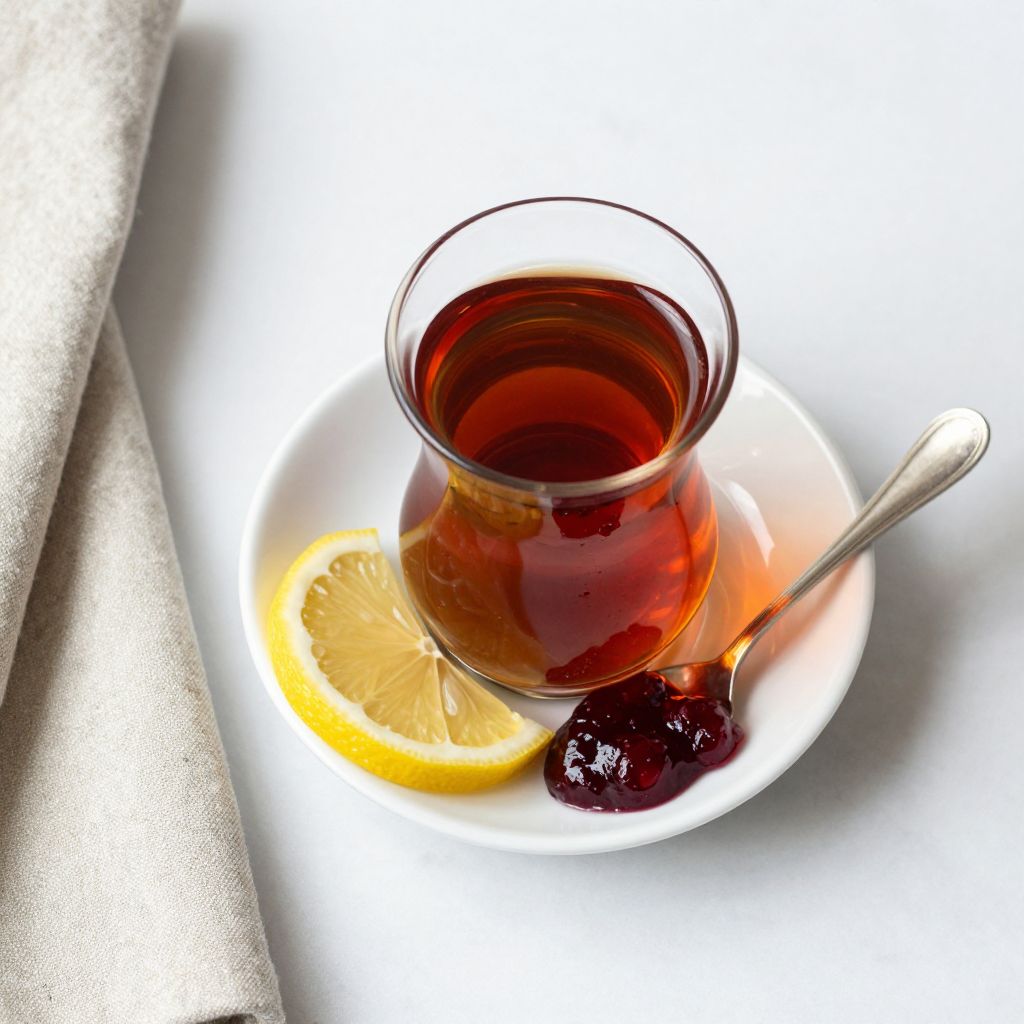
What makes this recipe special is its elegant simplicity paired with bold flavor. Russian tea culture celebrates strong, concentrated brews served in distinctive glass cups, often accompanied by jam, honey, or a slice of lemon that you can hold between your teeth as you sip.
Whether you’re new to Russian tea traditions or returning to a cherished memory, this guide will walk you through every step to create an authentic cup that tastes like it came straight from a Moscow apartment.
Why You’ll Love This Recipe
This recipe delivers warmth, tradition, and genuine comfort in under five minutes. Russian tea offers a bold, concentrated flavor that feels indulgent without requiring fancy equipment or ingredients.
- Quick to prepare with just a kettle and basic tea-making supplies
- Deeply satisfying and warming on cold days or anytime you need comfort
- Works with any quality black tea you already have at home
- Pairs beautifully with jam, honey, or fresh lemon for authentic Russian style
- Creates a luxurious tea experience without expensive specialty products
My Experience Making This Recipe
I first learned about Russian tea traditions from a colleague who kept a small glass cup on her desk and brewed dark, strong tea every afternoon at exactly three o’clock. She invited me to join her one winter afternoon, and I was struck by how the simple act of brewing strong tea and sitting quietly felt like a small rebellion against busy schedules.
When I recreated this at home, I noticed how the concentrated brew and deliberate preparation changed my relationship with tea time. Instead of rushing through a cup while multitasking, I found myself slowing down, savoring each sip, and appreciating the ritual.
My family now expects Russian tea on Sunday afternoons, complete with jam on the side. The thick glass cups clink gently as we pass them around, and conversations seem to linger longer.
Recipe Overview
- Recipe Name: Traditional Russian Tea
- Servings: 1
- Prep Time: 2 minutes
- Cook Time: 5 minutes
- Total Time: 7 minutes
- Course: Beverage
- Cuisine: Russian
- Calories per Serving: 0 (tea only, without additions)
Equipment You Will Need
- Electric kettle or stovetop kettle
- Teapot (small, for steeping concentrated tea)
- Traditional Russian tea glass cup with metal holder (podstakannik) or regular mug
- Teaspoon for measuring and stirring
- Strainer or tea infuser
- Small spoon for jam or honey (optional)
Ingredients for Traditional Russian Tea
- Black tea leaves (loose leaf or high-quality tea bags): 1 to 1.5 teaspoons per 8 ounces of final tea
- Freshly boiled water: 16 ounces total (8 ounces for the concentrated brew, 8 ounces for diluting)
- Jam, honey, or sugar (optional but traditional): 1 to 2 teaspoons
- Fresh lemon slice (optional): 1 thin slice
Ingredient Notes and Substitutions
- Black tea: Russian tea relies on strong black tea because it creates the bold, concentrated flavor central to the tradition. If you cannot find Russian blends, any quality Assam or Ceylon black tea works perfectly well, though the subtle flavor notes will shift slightly.
- Freshly boiled water: Boiling water extracts the tea fully and honors the tradition of serving hot, concentrated tea. If you prefer a gentler brew, you can use water at 200 degrees Fahrenheit instead, though the flavor will be less bold and the experience less authentically Russian.
- Jam: Traditional Russian tea uses fruit jam stirred into the cup for sweetness and flavor depth. Honey offers a lighter, more delicate sweetness, and sugar provides neutral sweetness without adding flavor notes.
- Lemon: A fresh lemon slice cuts through the tea’s richness and adds brightness. If fresh lemon isn’t available, a small splash of lemon juice works, though holding a fresh slice between your teeth as you sip is part of the authentic ritual.
How to Make Traditional Russian Tea
Step 1: Fill Your Kettle with Fresh Water
Pour cold, fresh water into your kettle until it’s full. Using fresh water ensures the purest flavor and prevents any stale or mineral-heavy tastes that reheated water can introduce.
Step 2: Heat the Water Until It Reaches a Rolling Boil
Turn on your kettle or place it on high heat until the water reaches a vigorous rolling boil. This temperature is essential for extracting the full depth of flavor from the black tea leaves.
Step 3: Warm Your Teapot
Pour a small amount of hot water into your teapot and swirl it around, then discard the water. Warming the pot helps maintain the tea’s temperature as it steeps and prevents the finished tea from cooling too quickly.
Step 4: Add Black Tea to the Warm Teapot
Measure 1 to 1.5 teaspoons of loose black tea leaves into your warmed teapot. The amount depends on how strong you like your tea and how many times you plan to pour from this pot during the afternoon.
Step 5: Pour Boiling Water Over the Tea Leaves
Pour about 8 ounces of boiling water over the tea leaves in the teapot. The tea will bloom and begin releasing its color and flavor immediately as the hot water contacts the leaves.
Step 6: Steep the Tea for 4 to 5 Minutes
Let the tea steep undisturbed for 4 to 5 minutes, creating a concentrated, dark brew. This timing extracts the bold flavors that define Russian tea without over-steeping, which would create bitterness.
Step 7: Prepare Your Cup with Hot Water
Fill your Russian tea glass or cup about halfway with hot water from the kettle. This base of hot water will be mixed with the concentrated tea in the next step.
Step 8: Pour Concentrated Tea into Your Cup
Using a strainer, pour the concentrated tea from the teapot into your cup of hot water, filling it to about three-quarters full. The concentrated tea mixes with the hot water to create the traditional Russian tea strength, bold enough to taste, but tempered enough to sip comfortably.
Step 9: Add Jam, Honey, or Sugar If Desired
Stir in 1 to 2 teaspoons of jam, honey, or sugar if you’d like sweetness. Russians often use jam, which dissolves slightly and adds fruity depth to each sip.
Step 10: Add a Lemon Slice for Authentic Style
Place a thin slice of fresh lemon on the saucer or rim of your cup. The traditional Russian method involves holding the lemon slice between your front teeth as you sip the hot tea, allowing the lemon to release its oils and juice gradually.
Pro Tip: Keep your teapot of concentrated tea warm on a low heat or wrapped in a kitchen towel after steeping; Russians refill their cups throughout the afternoon by adding more hot water to the same concentrated base, making it an economical and practical way to enjoy multiple servings.
Tips for the Best Traditional Russian Tea
- Choose loose leaf black tea over tea bags when possible; loose leaves unfurl fully and release deeper, more complex flavors than compressed tea bags, creating a more authentic experience.
- Use a teapot that holds heat well, such as ceramic or cast iron; these materials keep the concentrated tea at the right temperature longer, allowing you to enjoy multiple cups without reheating.
- Invest in a traditional Russian tea glass holder (podstakannik) if you’re serious about the ritual; the metal holder protects your hands from the hot glass and adds an authentic, beautiful touch to your tea time.
- Never use boiling water directly in your cup with the concentrated tea; always dilute the concentrated brew with additional hot water to achieve the proper strength and temperature.
- Brew your tea fresh each time rather than reheating old tea; reheated tea develops flat, stale flavors that undermine the entire experience.
- Experiment with different black tea varieties from different regions to discover which flavor profiles you prefer; Russian tea culture celebrates the tea itself, so quality matters.
Common Mistakes to Avoid
- Over-steeping the concentrated tea: Leaving tea steeping longer than 5 minutes creates excessive bitterness and astringency that overpowers the natural tea flavors. If you make this mistake, start fresh with a new pot rather than trying to salvage the brew.
- Using water that isn’t fully boiled: Tepid or lukewarm water fails to extract the tea’s full flavor potential, resulting in a weak, disappointing cup that bears no resemblance to authentic Russian tea.
- Skipping the concentrated brewing method: Using standard brewing ratios creates a different product entirely; Russian tea’s magic comes from that intense, concentrated base that you then dilute.
- Choosing stale or low-quality tea leaves: Using tea that’s been sitting in a cupboard for months guarantees a lackluster cup; buy fresh tea in smaller quantities and store it properly in an airtight container.
- Adding milk or cream: Traditional Russian tea is never served with milk; dairy masks the tea’s character and contradicts centuries of tea culture tradition.
Serving Suggestions
Russian tea pairs beautifully with simple, quiet moments and encourages conversation and presence. Serve it afternoon-style with small pastries, cookies, or savory snacks on the side.
- Alongside pryaniki (Russian honey cookies) or biscuits for a traditional afternoon tea experience
- With a small plate of dried fruits or nuts for a light, balanced snack
- Paired with jam on toast for a more substantial tea-time meal
- Served alone as a mindful moment between busy tasks, embracing the pause that Russian tea culture celebrates
- With a slice of dark rye bread and butter for an authentic Russian working-class tea break
Variations to Try
- Russian Tea with Bergamot: Use Earl Grey tea instead of plain black tea to add the subtle, floral note of bergamot oil; this creates a more aromatic cup while maintaining Russian brewing traditions.
- Spiced Russian Tea: Add a cinnamon stick, two or three whole cloves, and a thin slice of fresh ginger to your concentrated tea as it steeps; the spices warm the flavor and create a more complex, winter-appropriate version.
- Russian Tea with Orange: Substitute orange slices for lemon and use orange-flavored jam for sweetness; this variation feels lighter and more citrus-forward than the traditional lemon version.
- Smoky Russian Tea: Choose a Lapsang Souchong or other smoky black tea variety for a deeper, campfire-like complexity; this variation appeals to adventurous palates seeking something unexpected.
- Russian Tea with Fresh Mint: Add several fresh mint leaves to your concentrated tea before steeping, creating a cooling, refreshing variation that works beautifully in warmer weather.
Dietary Adaptations
- Gluten-free: Black tea leaves contain no gluten naturally, so this recipe is naturally gluten-free; simply ensure any jam or biscuits served alongside are certified gluten-free if needed.
- Dairy-free: Russian tea is traditionally served without milk or cream, making it automatically dairy-free and suitable for anyone avoiding dairy products.
- Vegan: This recipe is inherently vegan; use honey derived from agave or maple syrup instead of bee honey if you follow a strict vegan diet.
- Low-carb or keto: Enjoy Russian tea without any sweetener, or use a stevia or erythritol-based sweetener instead of jam or sugar to keep carbohydrates minimal while maintaining the ritual.
- Caffeine-sensitive: Substitute a high-quality black tea decaf variety or use herbal black tea blends like rooibos; the brewing method remains identical, though the flavor profile will differ slightly.
Storage and Reheating
Refrigerator
Store leftover brewed tea in an airtight container in the refrigerator for up to 24 hours. Cold Russian tea is less common but creates a refreshing iced tea option on warm days.
- Pour into a glass over ice and add fresh lemon for a modern twist on the tradition
- Reheat gently on the stovetop rather than in the microwave to maintain flavor quality
Freezer
Freezing brewed tea is not recommended; the flavor profile changes significantly during the freezing process, and thawing creates a flat, unappealing cup. Brew fresh tea instead.
- You can freeze concentrated tea in ice cube trays for use in future iced tea preparations
Reheating
If you need to reheat brewed Russian tea, warm it gently on the stovetop over low heat or in the microwave for 30 to 60 seconds until steaming. Avoid boiling reheated tea, which intensifies bitterness.
- Reheated tea tastes better within a few hours of the initial brewing
- Adding a fresh slice of lemon to reheated tea helps mask any flat notes
Nutrition Information
| Nutrient | Amount |
|---|---|
| Calories | 0 (tea only) |
| Total Fat | 0g |
| Saturated Fat | 0g |
| Carbohydrates | 0g (without jam or sweetener) |
| Fiber | 0g |
| Sugar | 0g (without jam or sweetener) |
| Protein | 0g |
| Sodium | 0mg |
| Cholesterol | 0mg |
Nutrition values shown are for plain brewed tea without additions. Adding jam, honey, or sugar increases the carbohydrate and calorie content accordingly. Black tea contains antioxidants and caffeine, offering health benefits beyond basic hydration.
Frequently Asked Questions
Can I Use Tea Bags Instead of Loose Leaf Tea?
Yes, you can use high-quality tea bags, though loose leaf tea delivers deeper flavor and a more authentic experience. Premium tea bags work acceptably if loose leaf isn’t available; avoid budget-brand tea bags, which contain tea dust and create a weaker, dustier brew.
How Do I Keep My Teapot Warm Between Cups?
Wrap the teapot in a quilted tea cozy or kitchen towel to insulate it and maintain heat for several hours. Some Russians place the teapot directly on a low burner of the stove, though this requires attention to avoid overheating the pot itself.
Is Russian Tea Supposed to Be Very Dark and Strong?
Yes, authentic Russian tea is noticeably darker and stronger than typical Western-style tea, creating a bolder, more intense flavor. If you find it too strong, simply add more hot water to your cup to dilute it to your preference.
What If I Don’t Have Fresh Lemon?
A splash of bottled lemon juice serves as a functional substitute, though it lacks the aromatics and ritual element of fresh lemon. Dried lemon slices or other citrus like orange work beautifully as alternatives.
Can I Make Russian Tea in Larger Batches for Multiple People?
Absolutely; simply multiply the tea and water amounts by the number of servings needed. Keep the concentrated tea warm in your teapot and have guests each add the appropriate amount of hot water to their cup, maintaining the Russian tradition of individual customization.
Why Don’t Russians Add Milk to Tea?
Russian tea culture celebrates the tea itself rather than masking it with additions; milk was historically less available than jam or honey, shaping the tradition. Milk also reacts with the tannins in strong black tea, creating a dull, unappealing flavor.
Final Thoughts
Making traditional Russian tea is about more than brewing hot water and leaves; it’s about honoring a ritual and giving yourself permission to slow down. This simple recipe transforms an ordinary afternoon into something intentional and warm.
Try this recipe this week and notice how the deliberate, concentrated brewing method changes your relationship with tea time. Invite someone to join you, hold a hot glass in your hands, and experience why Russians have perfected this humble ritual over centuries.
If you enjoyed learning about this tea tradition, explore more warming beverage options that celebrate global tea cultures. Check out our Costa Rican tea recipe for another unique approach to tea brewing, or discover the refreshing qualities of hibiscus tea recipe cold for warm-weather sipping.
Traditional Russian Tea
Ingredients
Equipment
Method
- Fill the electric kettle with cold fresh water and bring it to a rolling boil (212°F/100°C).
- Warm the teapot by rinsing it with hot water, then discard the rinse water.
- Add 1 to 1.5 teaspoons loose black tea leaves to the warmed teapot.
- Pour 8 ounces boiling water into the teapot and steep the tea for 4 to 5 minutes.
- While the tea steeps, fill the tea glass or mug halfway with 8 ounces of freshly boiled water.
- After steeping, strain the concentrated tea into the prepared cup until it is three-quarters full.
- Stir in 1 to 2 teaspoons jam, honey, or sugar if desired.
- Place a thin slice of fresh lemon on the rim of the cup for garnish and traditional serving.
- Keep the concentrated tea warm in the teapot for additional servings by wrapping it in a towel or placing it on low heat.
- Serve immediately and enjoy the bold, warming flavor of traditional Russian tea.