
There’s something magical about blending frozen bananas and fresh berries into a cold glass on a busy morning when you have exactly three minutes to eat breakfast. A banana berry smoothie is the kind of recipe that saves you when life gets chaotic, delivering real nutrition wrapped in creamy, fruity goodness.
This smoothie shines because it’s ridiculously fast, requires zero cooking skills, and tastes like dessert disguised as health food. The natural sweetness from the banana and berries means you skip the refined sugar, while the protein and fiber keep you satisfied until lunch.
Whether you’re a busy parent, a fitness enthusiast, or someone who just wants a delicious breakfast without fussing around a stove, this recipe works. Let’s make something that tastes too good to be this good for you.
Why You’ll Love This Recipe
This smoothie hits all the marks for a no-fuss, nutrient-packed breakfast or snack that actually tastes amazing. You’ll appreciate how quickly it comes together and how endlessly you can customize it.
- Ready in under five minutes with zero cooking required.
- Packed with fiber, potassium, and antioxidants from real fruit.
- Naturally sweet, so you skip added sugar and sweeteners.
- Freezes beautifully for grab-and-go breakfasts throughout the week.
- Works for nearly any diet: vegan, gluten-free, dairy-free, keto-friendly with tweaks.
My Experience Making This Recipe
I started making these smoothies on weekday mornings when my kids refused to sit down for breakfast, and now I make them three or four times a week. The first sip always tastes like summer, with that bright berry tartness cutting through the creamy banana, and my family actually asks for these instead of cereal.
What struck me most was how little planning it needs. I throw frozen bananas and berries into the freezer when they’re on sale, and suddenly I have smoothie ingredients ready to go any time. My kids have even started making their own versions, which means I’m not blending at 6:45 AM while half-asleep.
The texture matters more than you’d think. A banana that’s too ripe makes the smoothie thick and starchy, while one that’s just barely brown creates that perfect creamy base. Once I nailed that detail, the recipe became foolproof.
Recipe Overview
- Recipe Name: Banana Berry Smoothie
- Servings: 2 servings
- Prep Time: 5 minutes
- Cook Time: 0 minutes
- Total Time: 5 minutes
- Course: Breakfast or Snack
- Cuisine: American
- Calories per Serving: 185 calories
Equipment You Will Need
- High-powered blender (a regular blender works, but a Vitamix or Ninja handles frozen fruit better).
- Measuring cups and spoons for accuracy.
- Cutting board and knife for fresh fruit prep if not using frozen.
- Tall drinking glasses for serving.
- Spoon or smoothie straw for thicker consistency.
Ingredients for Banana Berry Smoothie
- 1 frozen banana, peeled and sliced before freezing (about 1 cup).
- 1 cup frozen mixed berries (blueberries, strawberries, raspberries, or blackberries).
- 3/4 cup unsweetened almond milk (or milk of choice: dairy, oat, coconut).
- 1/2 cup plain Greek yogurt (or dairy-free yogurt for vegan version).
- 1 tablespoon raw almond butter (optional, adds creaminess and protein).
- 1/2 teaspoon vanilla extract (enhances flavor subtly).
- 1 teaspoon raw honey (optional, skip if berries are sweet enough).
- 3 to 4 ice cubes (optional, for extra chill and thickness).
Ingredient Notes and Substitutions
- Frozen banana: Frozen fruit creates the signature creamy texture and cold temperature without watering down the drink with ice. Fresh banana works but creates a thinner, warmer smoothie unless you add extra ice.
- Mixed berries: These deliver antioxidants and tartness that balance the banana’s sweetness. Any single berry works, but mixing them creates more complex flavor depth.
- Almond milk: This neutral liquid lets the fruit shine without adding its own strong flavor. Dairy milk adds creaminess, oat milk adds body, and coconut milk adds tropical notes.
- Greek yogurt: The tanginess cuts through sweetness and protein keeps you full longer. Silken tofu works for vegan diets, while regular yogurt works but has less protein per serving.
- Almond butter: This adds richness and plant-based protein to make the smoothie a light meal instead of a snack. Peanut butter, tahini, or sunflower seed butter deliver similar benefits with different flavor profiles.
How to Make Banana Berry Smoothie
Step 1: Freeze Your Banana Properly
Peel a ripe banana with a brown-spotted skin (this means the starches have converted to sugar), slice it into half-inch rounds, and spread the slices on a parchment-lined baking sheet. Freezing the banana this way ensures it blends smoothly instead of creating one giant frozen chunk that stalls your blender.
Step 2: Prep Your Frozen Berries
Use frozen berries straight from the bag or freeze your own when they’re on sale. If your berries clump together, break them apart with your fingers so they blend evenly without leaving icy chunks in the final smoothie.
Step 3: Add Liquid to the Blender First
Pour the almond milk into your blender before adding any solid ingredients. Putting liquid at the bottom helps the blades circulate properly and prevents the mixture from getting stuck, which is especially important when working with frozen fruit.
Step 4: Layer Your Frozen Fruit
Add the frozen banana slices and frozen berries directly to the milk. Layering fruit on top of liquid helps it distribute evenly as the blender works, creating a smoother final texture.
Step 5: Add Your Protein and Fat
Scoop the Greek yogurt and almond butter (if using) on top of the frozen fruit. These ingredients add nutrition and creaminess, and placing them in the middle of the mixture helps the blender break them down faster without overworking.
Step 6: Add Flavor Boosters
Pour in the vanilla extract and drizzle the honey if your berries taste tart. These small additions round out the flavor without adding significant calories or sugar.
Step 7: Blend on High Speed
Blend on high speed for 45 to 60 seconds, stopping halfway through to scrape down the sides if needed. You’ll hear the blender labor slightly when it first hits the frozen fruit, then smooth out as everything combines into a cohesive, creamy liquid.
Step 8: Check Consistency and Adjust
Pour a bit into a glass and taste it. If the smoothie feels too thick, add another quarter cup of milk; if it feels too thin, add a few more ice cubes or another frozen banana slice and blend briefly.
Step 9: Serve Immediately
Pour the smoothie into tall glasses right away and drink it while cold and thick. If you need to wait, cover and refrigerate for up to two hours, though the texture will thin slightly as it sits.
Pro Tip: Freeze banana slices in a freezer bag so they stay loose and ready to blend, not stuck in one frozen block. This single step saves you from frustration every single time.
Tips for the Best Banana Berry Smoothie
- Use overripe bananas with brown spots for maximum natural sweetness and better blending. Green or yellow bananas contain resistant starch that makes the smoothie taste floury instead of creamy.
- Don’t skip freezing the fruit ahead of time. Room-temperature fruit blends faster but creates a thin, room-temperature drink that tastes nothing like a proper smoothie.
- Blend on high speed but not for longer than 60 seconds total. Over-blending generates heat from friction, warming the smoothie and breaking down fiber in ways that change the texture negatively.
- Keep your blender jug at least half full for optimal blending power. A nearly empty blender struggles to grip ingredients, leaving chunks behind.
- Make a batch of smoothie packs by portioning frozen fruit into individual freezer bags. You’ll grab a bag, dump it in the blender, add liquid and yogurt, and have breakfast in three minutes flat.
- Taste before serving and add a pinch of salt if the smoothie tastes flat. Salt amplifies sweetness and fruit flavor in ways most people don’t expect.
Common Mistakes to Avoid
- Using fresh fruit instead of frozen fruit creates a watery, room-temperature smoothie that tastes thin and doesn’t satisfy. Frozen fruit is essential for the right texture and temperature.
- Adding too much liquid upfront makes the smoothie thin and soupy. Start with three-quarters cup of milk and add more only if needed after blending.
- Forgetting to peel and slice your banana before freezing means you’ll spend five minutes fighting a frozen banana block. Always prep and freeze bananas in advance.
- Blending for too long generates heat and breaks down beneficial fiber, leaving you with a warm, grainy drink instead of a cold, creamy one. Stick to 45 to 60 seconds maximum.
- Using sweetened yogurt or flavored milk adds unnecessary sugar when the fruit is already sweet enough. Plain, unsweetened ingredients let you control the final flavor.
Serving Suggestions
Serve your smoothie cold in a tall glass as a standalone breakfast, or pair it with something more substantial if you’re very hungry. A smoothie shines alongside whole grain toast, granola, or a handful of nuts that add chewiness and satiety.
- Whole grain toast with almond butter for a balanced breakfast with carbs and fat.
- A bowl of granola or muesli on the side for added crunch and texture contrast.
- Hard-boiled eggs for extra protein and staying power through your morning.
- Greek yogurt parfait with granola for a heartier double-duty breakfast.
- Simple oatmeal with cinnamon to round out the meal with slow-release carbs.
Variations to Try
- Tropical Banana Berry Smoothie: Replace half the berries with frozen pineapple or mango for a summery twist that makes the drink taste like vacation in a glass.
- Chocolate Banana Berry: Add one tablespoon of unsweetened cocoa powder or one square of dark chocolate to the blender for a smoothie that tastes like healthy chocolate mousse.
- Spinach Boost: Toss a handful of fresh spinach into the blender before adding frozen fruit; the spinach blends invisibly while adding iron and minerals without changing the taste noticeably.
- Protein-Packed Version: Add one scoop of vanilla or unfl flavored protein powder for a smoothie that works as a post-workout recovery drink with 25 grams of protein per serving.
- Coconut Dream: Swap almond milk for coconut milk and add one tablespoon of unsweetened shredded coconut for a smoothie that tastes tropical and rich.
Dietary Adaptations
- Gluten-Free: This recipe is naturally gluten-free as written, though always check your yogurt and protein powder labels for hidden gluten additives.
- Dairy-Free: Use coconut or almond milk, and swap Greek yogurt for dairy-free coconut yogurt or silken tofu to keep the creamy texture intact.
- Vegan: Replace yogurt with firm silken tofu or dairy-free yogurt, and skip the honey or use maple syrup instead for a fully plant-based smoothie.
- Low-Carb or Keto: Use half a banana instead of a full one, add a tablespoon of MCT oil or coconut oil, and replace regular berries with lower-carb blackberries or raspberries for a smoothie that fits macro targets.
Storage and Reheating
Refrigerator
A finished smoothie lasts in the refrigerator for up to two hours, though separation happens after one hour as the heavier ingredients settle to the bottom. Stir well before drinking if you do refrigerate.
- Pour into airtight containers or mason jars for grab-and-go storage.
- Separate smoothies into two containers if you made a double batch.
Freezer
Freeze prepared smoothie packs (portioned fruit and dry ingredients in freezer bags) for up to three months. Frozen smoothies prepared this way maintain quality far longer than finished blended smoothies.
- Portion frozen banana, berries, and any other mix-ins into individual freezer bags with labels and dates.
- Store bags flat in the freezer to save space, then stand them upright once frozen.
Reheating
Smoothies don’t reheat well since heat destroys the fresh fruit flavor and texture you worked to preserve. If your smoothie sits at room temperature for more than 30 minutes, simply blend it again briefly with fresh ice.
- Never microwave a smoothie, which destroys nutrients and creates an unpleasant warm, separated texture.
- Blend fresh ice into a thawed smoothie to restore temperature and thickness if needed.
Nutrition Information
| Nutrient | Amount |
|---|---|
| Calories | 185 |
| Total Fat | 3g |
| Saturated Fat | 0.5g |
| Carbohydrates | 32g |
| Fiber | 4g |
| Sugar | 18g |
| Protein | 9g |
| Sodium | 65mg |
| Cholesterol | 10mg |
These values are approximate and based on standard ingredients; your smoothie’s nutrition will shift slightly depending on specific brands and substitutions you choose.
Frequently Asked Questions
Can I make this smoothie without Greek yogurt?
Yes, you can skip the yogurt entirely, but the smoothie will taste thinner and less substantial. Substitute with silken tofu, regular yogurt, or even a quarter cup of oats blended smooth for similar creaminess and protein.
How far ahead can I prep smoothie ingredients?
Freeze portioned fruit and mix-ins in individual bags up to three months ahead. Simply grab a bag when you’re ready, add liquid and yogurt, and blend for a five-minute breakfast whenever you need it.
Why does my smoothie taste gritty or icy?
Gritty texture usually comes from over-blending or from not using a strong enough blender to fully incorporate frozen fruit. Try blending for exactly 45 seconds instead of longer, or invest in a higher-powered blender designed for frozen ingredients.
Can I use fresh berries instead of frozen?
Fresh berries work but create a warmer, thinner drink with less substance. You’d need to add extra ice to compensate, but frozen berries deliver the ideal creamy texture and cold temperature that makes this smoothie special.
What’s the best milk for this smoothie?
Unsweetened almond milk keeps things light and lets fruit flavor dominate, but oat milk adds creaminess, dairy milk adds richness, and coconut milk adds tropical notes. Choose based on what flavor profile you’re after.
Can I make this smoothie in a regular blender?
A regular blender works for softer frozen fruit, but high-powered blenders like Vitamix or Ninja handle frozen bananas and berries with much less effort. If using a regular blender, let frozen fruit sit at room temperature for five minutes first, or use less frozen fruit and more ice.
Final Thoughts
A banana berry smoothie is the kind of recipe that gives you back time in your morning while delivering real nutrition and actual enjoyment. Once you nail the technique, you’ll make these so often that keeping frozen bananas on hand becomes as natural as buying milk.
Stop treating smoothies as an afterthought or a diet drink. Make one this week, taste how creamy and fruity it becomes, and then make them part of your regular breakfast rotation. Your future self will thank you on those mornings when you need breakfast in five minutes flat.
If you enjoyed this recipe, explore more refreshing options like a tropical smoothie sunrise sunset recipe for something more adventurous, or try an apple banana smoothie recipe for a crisp, different flavor profile that still delivers the same quick breakfast satisfaction.
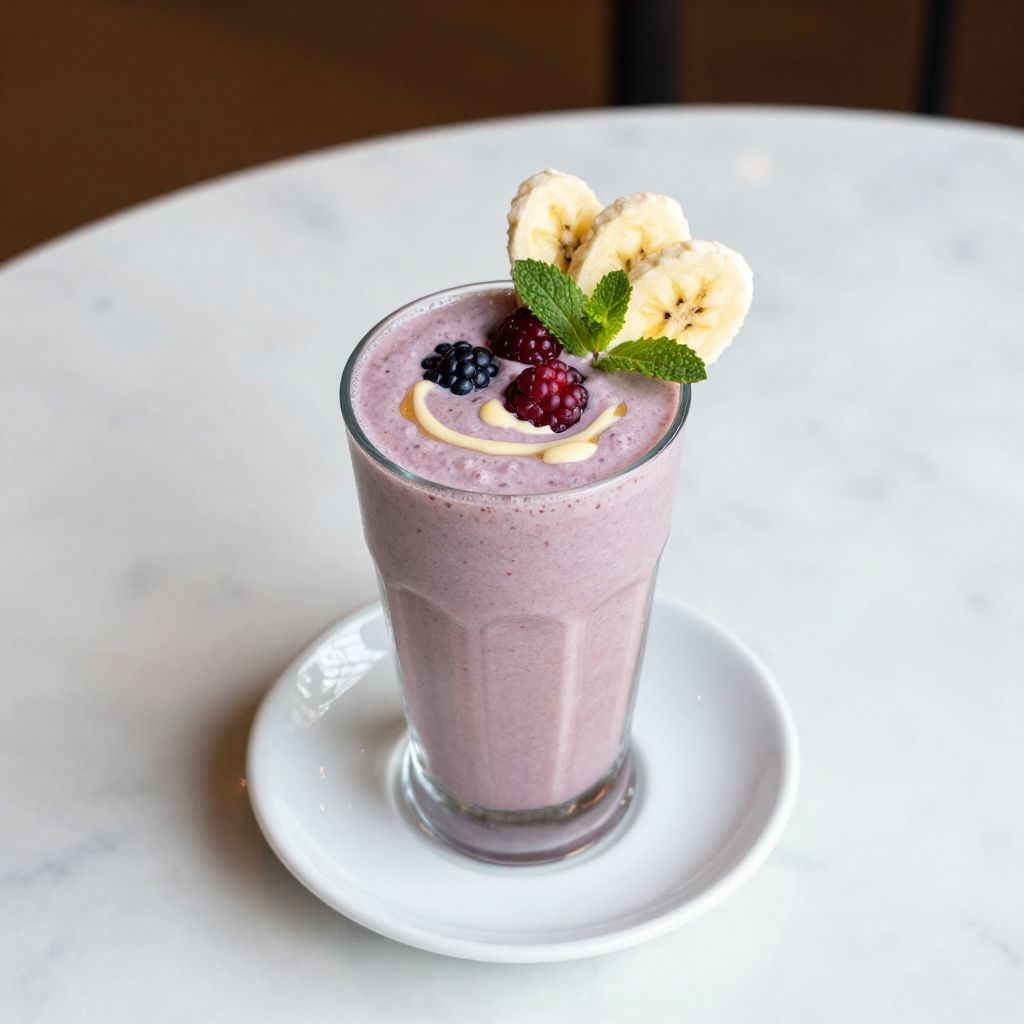
Banana Berry Smoothie
Ingredients
Equipment
Method
- Peel a ripe banana with brown spots and slice into half-inch rounds; freeze slices on a parchment-lined baking sheet for at least 2 hours until solid.
- Break apart any clumps in the frozen berries so they blend evenly.
- Pour 3/4 cup almond milk into the blender to help the ingredients circulate.
- Add frozen banana slices and 1 cup mixed berries on top of the liquid.
- Scoop in 1/2 cup Greek yogurt and 1 tablespoon almond butter if using.
- Pour in 1/2 teaspoon vanilla extract and drizzle 1 teaspoon honey if desired.
- Add 3 to 4 ice cubes for extra chill and thickness.
- Blend on high speed for 45 to 60 seconds, stopping halfway to scrape down the sides if needed.
- Check consistency: add a tablespoon of milk if too thick or extra ice/banana slices if too thin, then blend briefly.
- Pour into tall glasses and serve immediately; refrigerate up to 2 hours if needed and stir before drinking.