
There’s something magical about wrapping your hands around a steaming mug of peppermint tea on a cold afternoon, watching the steam curl upward and filling your senses with that bright, refreshing aroma. Homemade peppermint tea beats any store-bought version because you control the freshness, strength, and quality of every ingredient that touches your cup.
This recipe is special because it takes just minutes to make but tastes like you’ve invested serious effort. Whether you’re soothing an upset stomach, fighting afternoon fatigue, or simply craving a moment of calm, this tea delivers pure comfort in a mug.
Why You’ll Love This Recipe
Peppermint tea offers natural refreshment without caffeine or complicated brewing methods.
- Naturally caffeine-free, so you can enjoy it anytime without sleep disruption.
- Aids digestion and soothes digestive discomfort with proven herbal benefits.
- Takes less than 10 minutes from start to sip.
- Costs pennies per cup compared to coffee shop versions.
- Works hot or cold for year-round enjoyment.
My Experience Making This Recipe
I first discovered how transformative fresh peppermint could be when my neighbor handed me a bundle from her garden on a sweltering summer day. I steeped it without thinking, added ice, and suddenly had a drink that tasted infinitely better than anything I’d ever bought.
My family now requests this tea almost daily, especially in the evenings after heavy meals. The kids actually choose it over juice sometimes, which tells me something genuinely delicious is happening in that pot.
What surprised me most was how the flavor changes based on steeping time and water temperature. Steep too long and the mint turns slightly bitter, but nail the timing and you get this perfectly balanced, refreshing cup every single time.
Recipe Overview
- Recipe Name: Homemade Peppermint Tea
- Servings: 2 servings
- Prep Time: 5 minutes
- Cook Time: 5 minutes
- Total Time: 10 minutes
- Course: Beverage
- Cuisine: Herbal
- Calories per Serving: 5
Equipment You Will Need
- Kettle or small saucepan
- Measuring spoons
- Teapot or brewing vessel with strainer
- Mesh tea infuser (optional but helpful)
- Mugs
- Knife for chopping fresh mint
- Cutting board
Ingredients for Homemade Peppermint Tea
- Fresh peppermint leaves: 1/2 cup lightly packed, or 2 tablespoons dried peppermint
- Water: 2 cups
- Honey: 1 to 2 teaspoons (optional, for sweetness)
- Fresh lemon juice: 1/2 teaspoon (optional, for brightness)
Ingredient Notes and Substitutions
- Fresh peppermint leaves: Fresh mint provides the most vibrant flavor and aroma, plus greater herbal benefits than dried. If fresh isn’t available, use dried peppermint tea leaves at a 1:4 ratio (2 tablespoons dried for every 1/2 cup fresh).
- Water: Use filtered water for the cleanest taste. Tap water works if that’s what you have, but avoid heavily chlorinated water which can mask the delicate mint flavor.
- Honey: Raw honey adds natural sweetness and mild antimicrobial properties. You can substitute maple syrup, agave, or stevia in equal amounts.
- Lemon juice: Brightens the mint flavor and adds vitamin C. Substitute with lime juice for a different citrus note, or skip it entirely if you prefer pure peppermint.
How to Make Homemade Peppermint Tea
Step 1: Gather and Prepare Your Mint
Rinse your fresh peppermint leaves under cool water and pat them dry with a clean kitchen towel. Gently bruise the leaves by rolling them between your fingers or giving them a light crush with the back of a spoon, which releases the essential oils and intensifies the flavor you’ll get in your final cup.
Step 2: Fill Your Kettle
Pour 2 cups of filtered water into your kettle and bring it to a boil over high heat. You want the water hot enough to properly extract the mint oils, but not so violently boiling that you’ll waste energy or water.
Step 3: Heat Your Teapot
While the kettle heats, pour a small amount of hot water into your teapot to warm it up. This step sounds fussy but it keeps your tea at the ideal temperature throughout steeping instead of cooling too quickly.
Step 4: Add the Mint to Your Teapot
Empty the warming water from your teapot and add your prepared peppermint leaves directly to the bottom or into a mesh infuser if you prefer easier cleanup. Using an infuser makes straining simpler, but steeping directly in the pot extracts slightly more flavor.
Step 5: Pour the Hot Water
Once your kettle boils, carefully pour the hot water over the mint leaves in your teapot. The water should fully cover the leaves and fill the pot, which creates the best steeping environment for extracting all that beautiful minty flavor.
Step 6: Cover and Steep
Place a lid on your teapot and let it sit undisturbed for 5 to 7 minutes if using fresh leaves, or 3 to 5 minutes if using dried. The mint needs time to release its oils into the water, but too long and you’ll develop unwanted bitterness.
Step 7: Strain Your Tea
After steeping, carefully pour your tea through a fine-mesh strainer into your waiting mugs, or simply pour directly if you used an infuser. Make sure all the leaves remain caught in the strainer so you get a clear, beautiful cup of tea.
Step 8: Add Your Sweetener and Citrus
Stir in honey and fresh lemon juice if desired, adjusting amounts to your taste preference. Some people love their peppermint tea plain and unadulterated, which is absolutely valid, so taste first before adding anything.
Pro Tip: Don’t oversteep fresh peppermint tea or it becomes unpleasantly bitter; set a timer for exactly 5 minutes your first time to dial in your perfect strength.
Tips for the Best Homemade Peppermint Tea
- Use fresh mint from a garden or farmers market when possible, as it offers superior flavor and potency compared to dried varieties stored in your cabinet for months.
- Bruise the leaves gently before steeping to wake up the essential oils and increase flavor extraction without releasing excess bitterness.
- Serve immediately after steeping for the brightest flavor, or let it cool slightly and pour over ice for a refreshing cold version on warm days.
- Make a larger batch and refrigerate it for up to 3 days, then reheat gently or serve cold with ice as your ready-to-go beverage throughout the week.
- Experiment with steeping time to find your ideal strength, keeping notes on what you prefer so you can replicate it perfectly next time.
- Pair your tea with honey sticks, a small cookie, or fresh fruit to create a simple but thoughtful moment of pause in your day.
Common Mistakes to Avoid
- Using boiling water that’s too hot or steeping too long results in bitter, astringent tea that tastes unpleasant and defeats the purpose of this soothing drink.
- Skipping the step of rinsing fresh mint leaves means you might miss hidden dirt or debris that affects the final taste.
- Not bruising the leaves before steeping means you’re missing out on deeper flavor extraction and a more satisfying cup.
- Storing dried peppermint in direct sunlight or for longer than 6 months causes the oils to degrade and flavor to fade significantly.
- Using only mint tips instead of whole leaves and stems reduces the overall flavor intensity and makes your tea taste weak.
Serving Suggestions
Peppermint tea works beautifully on its own, but pairing it with the right foods or moments makes it even more special. Serve it after meals, during afternoon slumps, or as a calming evening ritual before bed.
- Pair with a slice of dark chocolate or chocolate chip cookie for a decadent yet healthy treat.
- Serve after a heavy meal to aid digestion and settle your stomach naturally.
- Combine with fresh berries as a light afternoon snack that feels more special than regular tea.
- Enjoy iced on a warm day alongside fresh fruit, cucumber, or a simple salad for refreshment.
- Use as the base for an after-dinner ritual that signals relaxation and wind-down time.
Variations to Try
- Peppermint and Ginger Tea: Add 2 to 3 thin slices of fresh ginger to your pot when steeping for extra digestive support and warming spice that complements the mint beautifully.
- Honey Peppermint Latte: Steep your peppermint as usual, then add steamed milk and a touch of honey for a creamy, comforting beverage that feels indulgent but stays light.
- Iced Peppermint Mojito Tea: Brew your tea, chill it, then add a squeeze of lime juice, a few ice cubes, and fresh mint leaves for a refreshing non-alcoholic beverage perfect for gatherings.
- Peppermint and Chamomile Blend: Combine equal parts fresh peppermint and chamomile flowers for a floral, calming tea that’s perfect for evening relaxation and sleep support.
- Citrus Peppermint Tea: Add slices of fresh orange or lemon directly to the pot while steeping for a brighter, more complex flavor profile that energizes rather than just soothes.
Dietary Adaptations
- Gluten-Free: This recipe is naturally gluten-free as written, using only peppermint leaves and water with no additives or processed ingredients.
- Dairy-Free: The base recipe contains no dairy, making it perfect for those avoiding milk, and any honey or sweetener additions remain dairy-free.
- Vegan: Use maple syrup, agave, or stevia instead of honey to keep this tea completely plant-based while maintaining natural sweetness.
- Low-Carb or Keto: Skip honey entirely or use a zero-calorie sweetener like stevia, and this tea fits any low-carb lifestyle without compromise.
Storage and Reheating
Refrigerator
Store brewed peppermint tea in an airtight glass container for up to 3 days in the refrigerator. The flavor remains vibrant and fresh when properly sealed away from other foods that might transfer odors.
- Keep in a covered glass pitcher or bottle away from strong-smelling foods.
- Strain out mint leaves before storing to prevent over-steeping and bitterness.
- Serve cold over ice or reheat gently before drinking.
Freezer
While you can freeze brewed peppermint tea, the flavor and texture change slightly upon thawing, so fresh brewing is always better. If you must freeze it, use ice cube trays for portion-sized amounts that work well in future batches.
- Pour cooled tea into ice cube trays and freeze solid, then transfer cubes to a freezer bag.
- Use frozen tea cubes in smoothies, iced tea, or as cooling elements in beverages.
- Frozen tea keeps for up to 2 months but tastes best within the first month.
Reheating
Reheat refrigerated peppermint tea gently in a saucepan over low heat or in a microwave for 30 to 60 seconds until warm but not boiling. Avoid high heat which can damage the delicate mint flavor that makes this tea special.
- Pour into a saucepan and warm over low heat for about 3 to 5 minutes.
- Microwave a mug of refrigerated tea for 60 to 90 seconds, checking and stirring halfway through.
- Never boil stored tea as high heat destroys the subtle mint flavors.
Nutrition Information
| Nutrient | Amount |
|---|---|
| Calories | 5 |
| Total Fat | 0g |
| Saturated Fat | 0g |
| Carbohydrates | 1g |
| Fiber | 0g |
| Sugar | 0g |
| Protein | 0g |
| Sodium | 2mg |
| Cholesterol | 0mg |
Nutrition values are calculated for unsweetened tea with no added honey or lemon juice. Adding sweeteners or citrus will increase calories and carbohydrates slightly.
Frequently Asked Questions
Can I use mint from my garden to make this tea?
Absolutely, and it’s actually the best option available to you. Just make sure the mint plant hasn’t been treated with pesticides or chemicals, rinse the leaves thoroughly, and you’ll have tea that tastes remarkably fresher than dried store-bought versions.
How long can I steep peppermint tea before it gets bitter?
Fresh peppermint leaves reach peak flavor around 5 to 7 minutes, and after 10 minutes you’ll start noticing unwanted bitterness. Dried peppermint steeps faster, so check it at 3 to 5 minutes instead.
Is peppermint tea safe to drink every day?
For most healthy adults, peppermint tea is safe to drink daily and offers digestive benefits with regular consumption. However, if you’re pregnant, nursing, or taking medications that interact with mint, consult your doctor first.
Can I make this tea with just the mint stems instead of whole leaves?
You technically can, but stems contain less essential oil than leaves, so your tea will taste weaker and less flavorful. Use leaves and stems together for the best balance of flavor and body.
What’s the difference between peppermint and spearmint tea?
Peppermint has a stronger, cooler flavor with a higher menthol content, while spearmint tastes milder and slightly sweeter. They’re not interchangeable in recipes, so buy specifically what the recipe calls for.
Can I drink peppermint tea while pregnant?
Most medical professionals consider occasional peppermint tea safe during pregnancy in moderate amounts, but some recommend limiting it in the first trimester. Always discuss herbal tea consumption with your doctor during pregnancy.
Final Thoughts
This simple peppermint tea recipe proves that the best beverages don’t need fancy equipment, complicated techniques, or expensive ingredients to taste absolutely wonderful. In just 10 minutes, you’ll have a cup of pure comfort that beats anything from a cafe.
Make a batch this week and see why so many people have embraced this herbal tea as their daily ritual. Your stomach, your mood, and your taste buds will thank you for choosing something this genuine and good.
Explore more refreshing beverage options to expand your at-home tea collection and discover new flavor combinations. Try our lymphatic drainage tea recipe for additional wellness benefits, or check out the Starbucks honey citrus mint tea recipe for inspiration on creating café-inspired drinks at home.
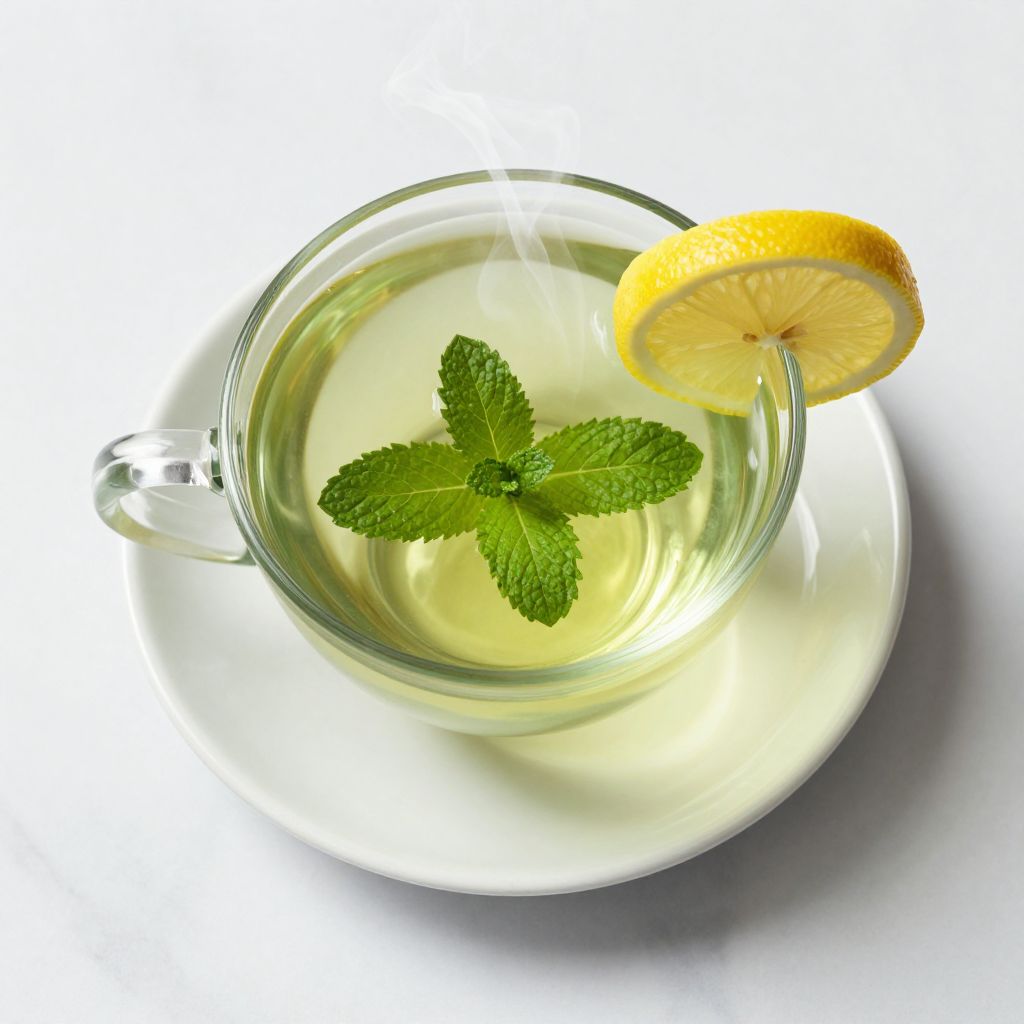
Homemade Peppermint Tea
Ingredients
Equipment
Method
- Rinse and dry peppermint leaves, then gently bruise them to release the essential oils.
- Bring 2 cups of filtered water to a boil in a kettle or saucepan over high heat.
- Warm your teapot by swirling a small amount of hot water inside, then discard the water.
- Add the prepared peppermint leaves to the teapot or a mesh infuser.
- Pour the boiling water over the peppermint leaves in the teapot.
- Cover the teapot and steep for 5 minutes.
- Strain the tea into mugs using a fine-mesh strainer or infuser.
- Stir in honey and lemon juice to taste, then serve immediately.