
There’s nothing quite as comforting as a warm cup of tea, especially when you need a little help to clear your airways. This Expectorant Tea is a delightful blend of soothing herbs that work together to support respiratory health and ease congestion. With its aromatic blend of spices and herbs, this tea is not only effective but also deliciously warming, making it a perfect companion for those chilly evenings or when you’re feeling under the weather.
Why You’ll Love This Recipe
This tea is a great addition to your wellness routine, offering both flavor and function.
- Simple to make with everyday ingredients.
- Natural remedy for coughs and congestion.
- Customizable to suit your taste preferences.
- Warm and comforting, perfect for cozy nights.
- A delightful way to incorporate herbal benefits into your day.
My Experience Making This Recipe
The first time I brewed this tea, the aroma filled my kitchen with warmth and comfort. Each sip was not only soothing, but I felt a gentle relief as the tea worked its magic.
Friends who tried it couldn’t get enough of its pleasant flavor and the soothing effect it had on their throats. It’s amazing how something so simple can bring such comfort!
Recipe Overview
- Recipe Name: Expectorant Tea
- Servings: 2
- Prep Time: 5 minutes
- Cook Time: 10 minutes
- Total Time: 15 minutes
- Course: Beverage
- Cuisine: Herbal
- Calories per Serving: 30
Equipment You Will Need
- Teapot or saucepan
- Strainer or tea infuser
- Cup or mug
- Measuring spoons
- Stirring spoon
Ingredients for Expectorant Tea
- 2 cups water
- 1 tablespoon dried thyme
- 1 tablespoon dried peppermint
- 1 tablespoon dried ginger or 1 teaspoon fresh ginger
- 1 tablespoon honey (optional)
- 1 tablespoon lemon juice (optional)
Ingredient Notes and Substitutions
- Thyme: Used for its expectorant properties, aiding in cough relief. Substitute with dried oregano if needed.
- Peppermint: Adds flavor and helps soothe the throat. Spearmint can be used instead for a milder taste.
- Ginger: Provides warmth and soothes irritation. Fresh ginger is preferred, but ground ginger works too.
- Honey: Sweetens the tea and adds soothing qualities. Maple syrup can be a vegan alternative.
- Lemon juice: Brightens the flavor and boosts vitamin C. Lime juice can be used for a twist.
How to Make Expectorant Tea
Step 1: Boil the Water
Start by bringing 2 cups of water to a boil in a teapot or saucepan. Boiling the water ensures that the herbs release their beneficial properties effectively.
Step 2: Add the Herbs
Once boiling, remove the pot from heat and add the dried thyme, peppermint, and ginger. Adding herbs to hot water allows their flavors and health benefits to infuse the tea.
Step 3: Steep the Tea
Cover the pot and let the mixture steep for about 10 minutes. This step is crucial as it maximizes the strength of the herbal infusion.
Step 4: Strain the Tea
After steeping, strain the tea into a cup or mug using a fine mesh strainer or tea infuser. Straining removes the solids, leaving you with a smooth, drinkable tea.
Step 5: Sweeten and Flavor
If desired, stir in honey and lemon juice to taste. These additions not only enhance the flavor but also provide extra soothing benefits.
Step 6: Taste and Adjust
Take a sip and adjust the sweetness or acidity as needed. Personalizing the flavor makes the tea more enjoyable, so don’t hesitate to tweak it!
Step 7: Serve and Enjoy
Serve the tea warm and cozy up with a blanket. The warmth of the tea is comforting, especially when you’re feeling under the weather.
Step 8: Store Any Leftovers
If you have any leftover tea, store it in the refrigerator for up to 24 hours. Reheating it is an easy way to enjoy the benefits again!
Pro Tip: Always use fresh herbs when possible for the best flavor and health benefits.
Tips for the Best Expectorant Tea
- Experiment with the herb quantities to find your perfect blend.
- Use filtered water for a cleaner taste.
- Let the tea cool slightly before drinking for the best flavor.
- Try adding a pinch of cayenne pepper for an extra kick if you’re adventurous.
- For a stronger flavor, let the tea steep longer, but be mindful of bitterness.
Common Mistakes to Avoid
- Using water that isn’t hot enough; it won’t extract flavors effectively.
- Not straining the tea well, leaving bits of herbs in your drink.
- Adding too much sweetener, which can overpower the natural flavors.
- Steeping for too long, leading to a bitter taste.
- Forgetting to cover the pot while steeping, which can allow flavors to escape.
Serving Suggestions
This tea pairs wonderfully with a variety of snacks and meals. Here are a few ideas:
- Honey-drizzled toast for a sweet complement.
- Fresh fruit or a fruit salad for a refreshing side.
- Ginger cookies to enhance the ginger flavor.
- Cheese and crackers for a savory balance.
- A light salad for a wholesome meal.
Variations to Try
- Add a pinch of turmeric for its anti-inflammatory benefits.
- Mix in chamomile for a calming effect before bedtime.
- Incorporate eucalyptus leaves for additional respiratory support.
- Use rooibos tea as a base for a caffeine-free option.
- Add cinnamon for a warming spice that enhances flavor.
Dietary Adaptations
- Gluten-free: This recipe is naturally gluten-free.
- Dairy-free: No dairy ingredients are included.
- Vegan: Simply omit honey or use a plant-based sweetener.
- Low-carb/Keto: Skip the honey for a low-carb version.
Storage and Reheating
Refrigerator
Store leftover tea in an airtight container in the refrigerator.
- Lasts for up to 24 hours.
Freezer
This tea is not recommended for freezing due to texture changes.
- Best enjoyed fresh.
Reheating
Reheat the tea on the stove or in the microwave until warm.
- Stir well before enjoying again.
Nutrition Information
| Nutrient | Amount |
|---|---|
| Calories | 30 |
| Total Fat | 0g |
| Saturated Fat | 0g |
| Carbohydrates | 8g |
| Fiber | 0g |
| Sugar | 7g |
| Protein | 0g |
| Sodium | 0mg |
| Cholesterol | 0mg |
This information is approximate and can vary based on specific ingredients used.
Frequently Asked Questions
Can I substitute fresh herbs for dried ones?
Yes, you can use fresh herbs, just use about three times the amount as dried herbs are more concentrated.
Can I make this tea ahead of time?
Absolutely, just store it in the refrigerator and reheat when ready to enjoy.
How long does this tea last in the fridge?
It lasts up to 24 hours in the refrigerator, so it’s best enjoyed fresh.
Why does my tea taste bitter?
Oversteeping can cause bitterness, so stick to the recommended steep time for the best flavor.
Can I add other ingredients?
Yes! Feel free to experiment with other herbs or spices to customize your tea.
Final Thoughts
Making your own Expectorant Tea is not only rewarding but also a lovely way to nurture your body. I hope you find joy in brewing this tea as much as I do, knowing you’re sipping on something beneficial.
For more herbal inspiration, check out my Mullein Tea Recipe and try the Elderberry Tea Recipe for additional wellness options!
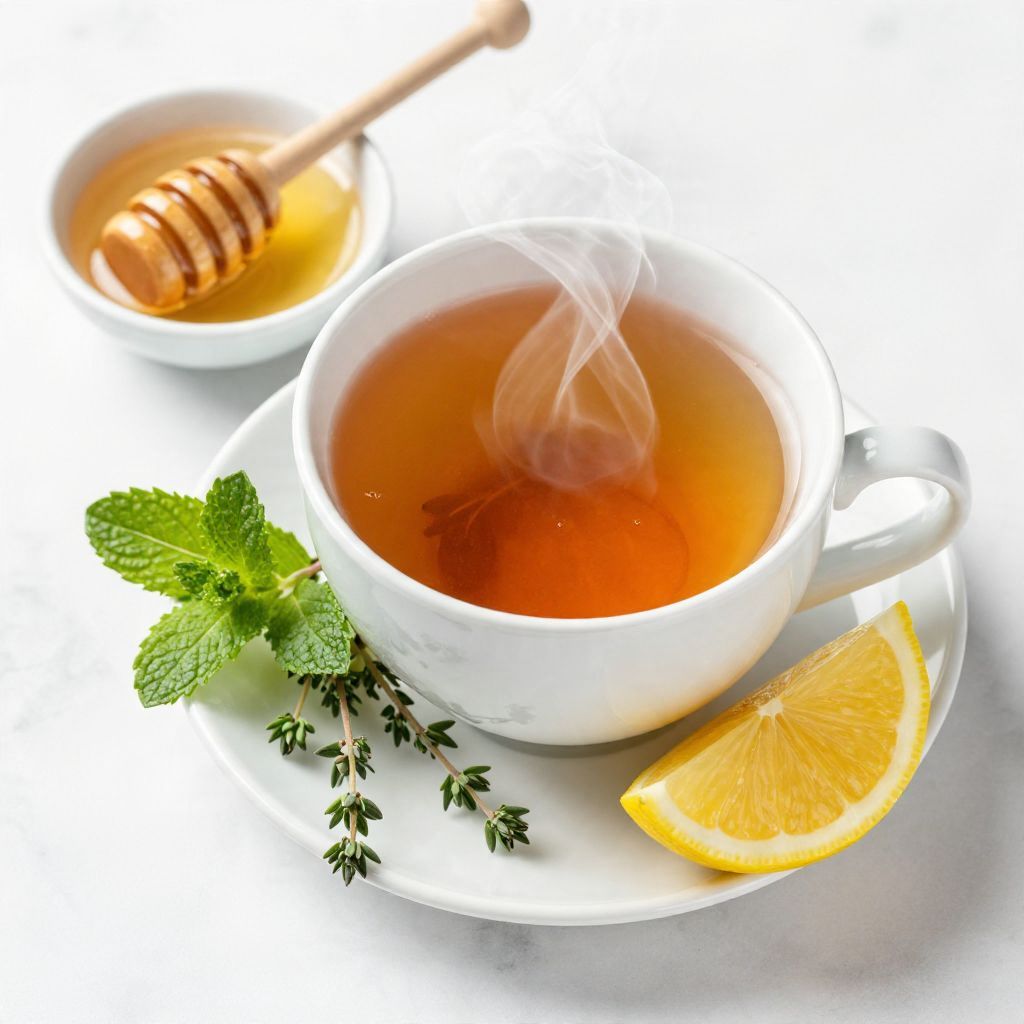
Expectorant Tea
Ingredients
Equipment
Method
- Start by bringing 2 cups of water to a boil in a teapot or saucepan.
- Once boiling, remove the pot from heat and add the dried thyme, peppermint, and ginger.
- Cover the pot and let the mixture steep for about 10 minutes.
- After steeping, strain the tea into a cup or mug using a fine mesh strainer or tea infuser.
- If desired, stir in honey and lemon juice to taste.
- Take a sip and adjust the sweetness or acidity as needed.
- Serve the tea warm and enjoy.
- If you have any leftover tea, store it in the refrigerator for up to 24 hours.